
ISS Countdown: Can Private Space Stations Keep the U.S. in Orbit?
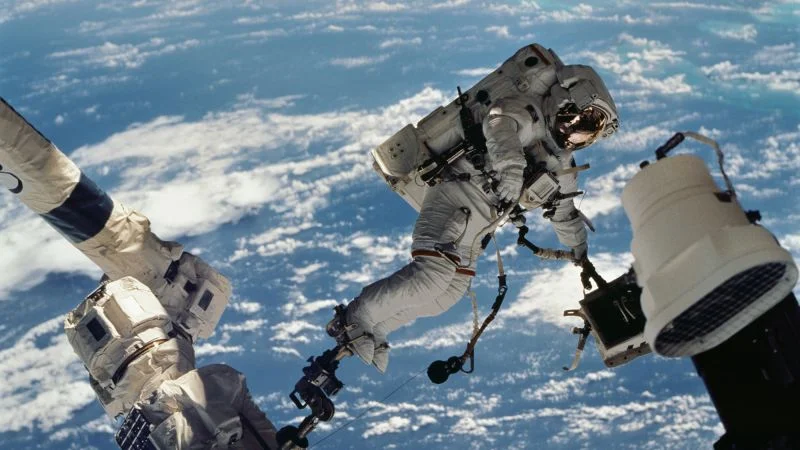
With the International Space Station aging and its retirement looming around 2030, the U.S. risks losing continuous human presence in low Earth orbit unless commercial space stations come online. NASA's plan hinges on late-2020s/early-2030s proposals and contracts, while a Senate bill seeks to extend ISS operations to 2032 to avoid a gap. Private firms like Vast and Axiom Space are racing to launch habitats (Haven-1, ISS-attached modules), but overall funding and NASA procurement delays complicate the timeline. China’s Tiangong and Russia’s potential withdrawal add geopolitical pressure. In the long run, LEO could become a thriving space economy and national security asset, but near-term leadership depends on timely NASA contracts (up to about $1.5B).
- The end of the ISS is looming, and the US could have a big problem CNN
- The Coming Age of Space Stations Universe Today
- NASA accelerates ISS replacement as private stations race to secure US presence in LEO mezha.net
- Building Axiom Station, a Next-Gen Commercial Space Station | Exclusive Interview space & defense
- 5 Companies Competing to Replace the International Space Station Gizmodo
Reading Insights
0
2
10 min
vs 11 min read
95%
2,129 → 113 words
Want the full story? Read the original article
Read on CNN