
Harnessing Wrinkles and Defects in 2D Materials to Boost Spintronic Device Efficiency
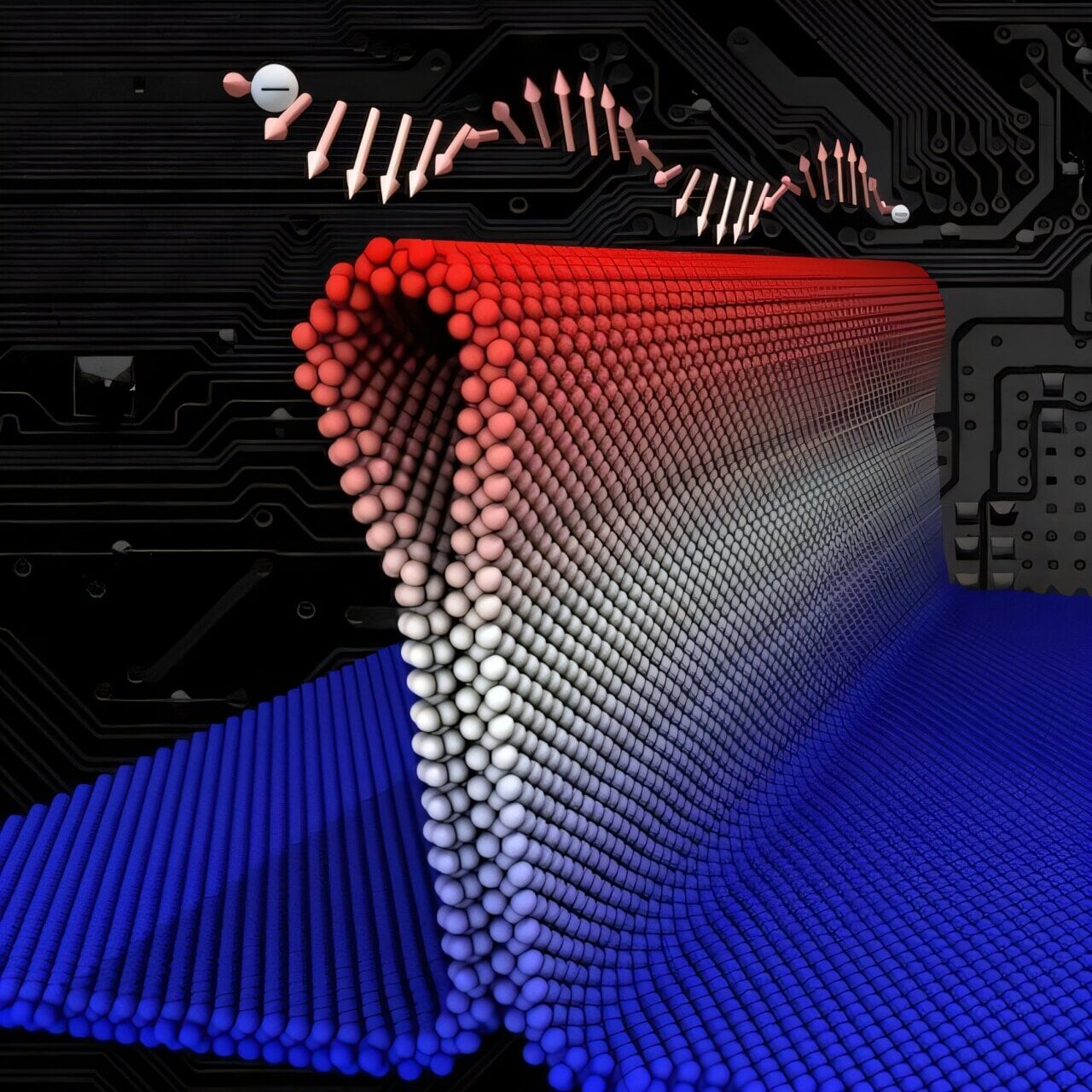
Rice University scientists discovered that tiny wrinkles in atomically thin materials like molybdenum ditelluride can control electron spins with high precision, enabling the development of ultra-compact, energy-efficient spintronic devices by creating persistent spin helix states through mechanical bending and flexoelectric effects.