
"New Techniques Emerge to Trace Water and Signs of Life on Distant Exoplanets"
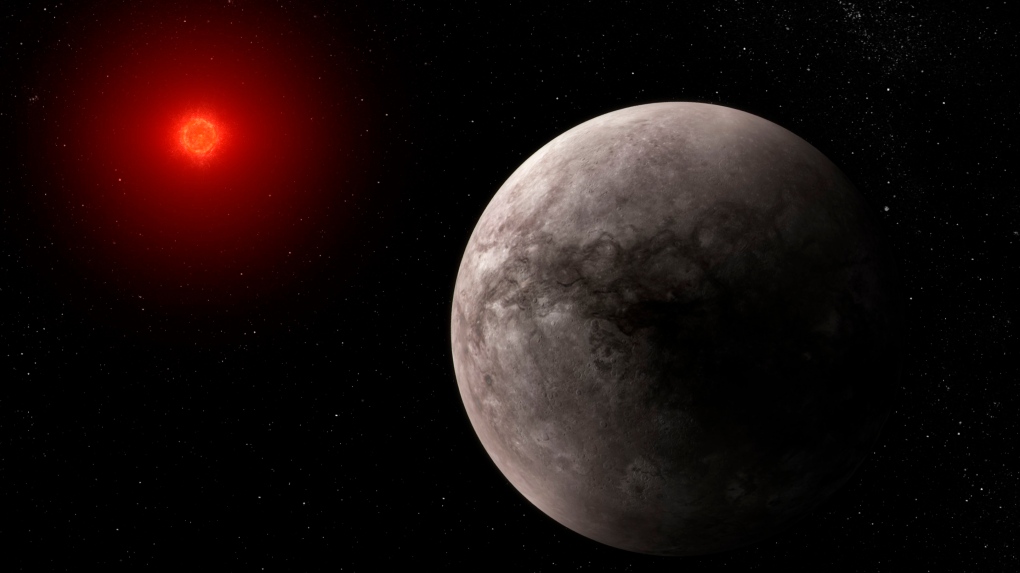
TL;DR Summary
Researchers from MIT and the University of Birmingham have developed a new method to assess the habitability of exoplanets by measuring the amount of carbon dioxide in their atmospheres. Lower levels of CO2 compared to neighboring planets may indicate the presence of liquid water and potential life, as CO2 can be absorbed by oceans or lifeforms. This method, which is immediately applicable with current technology, could also detect biosignatures like oxygen and ozone, offering a renewed hope for identifying life on exoplanets with telescopes like the James Webb Space Telescope.
Topics:science##astrobiology#carbondioxide#exoplanets#habitability#jameswebbspacetelescope#science-and-technology
- Scientists find new way to study exoplanets for water CTV News
- Astronomers Find New Way to Detect Water Oceans and Alien Life on Rocky Exoplanets Sci.News
- Exoplanet water-detection strategy now possible, say researchers New Atlas
- Atmospheric carbon depletion as a tracer of water oceans and biomass on temperate terrestrial exoplanets Nature.com
- Study suggests a carbon-lite atmosphere may indicate habitable planets Interesting Engineering
Reading Insights
Total Reads
0
Unique Readers
7
Time Saved
2 min
vs 3 min read
Condensed
84%
577 → 90 words
Want the full story? Read the original article
Read on CTV News