
Advancements in Machine Learning Revolutionize Material Modeling and Biology Research
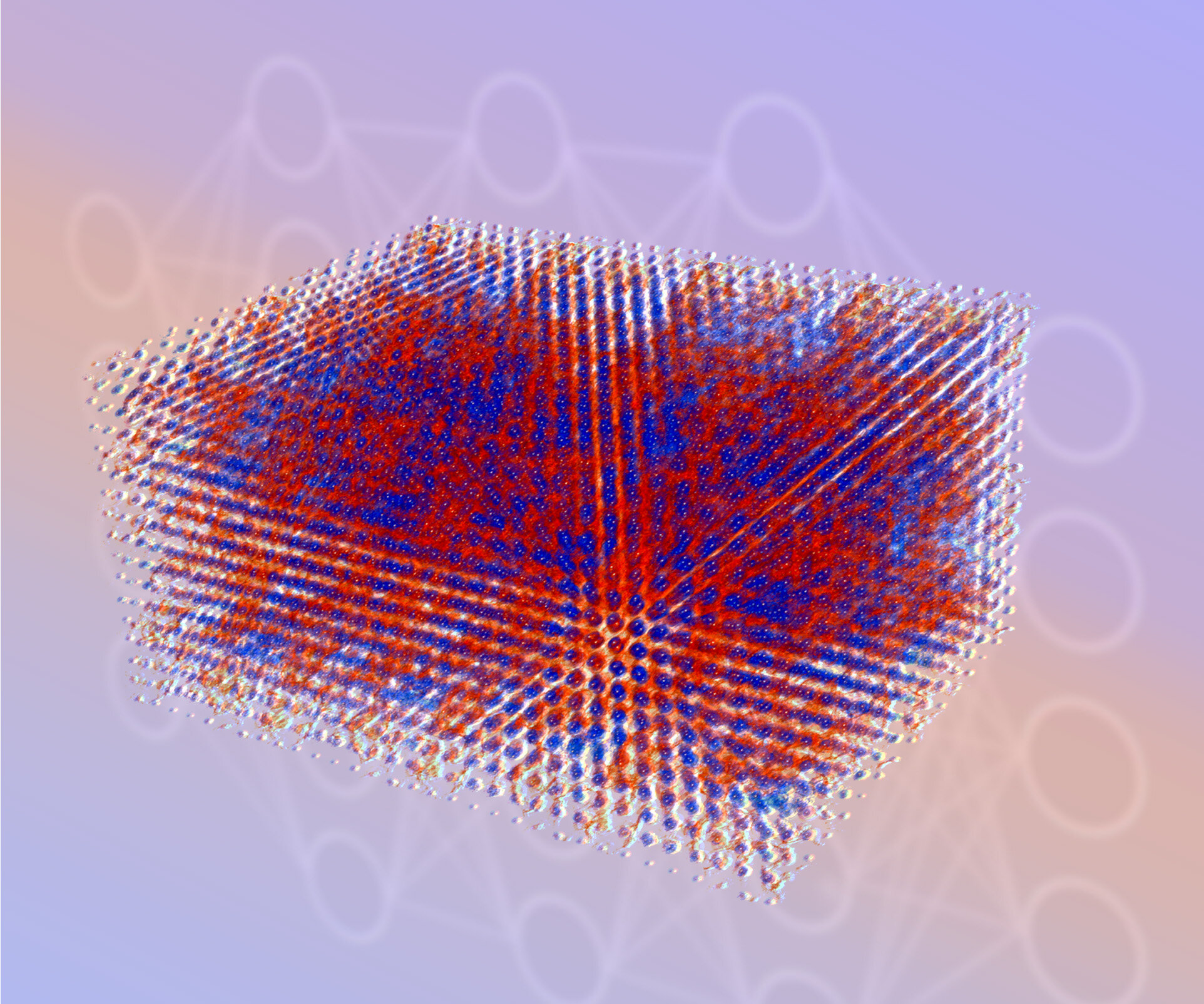
Researchers from the Center for Advanced Systems Understanding (CASUS) and Sandia National Laboratories have developed a machine learning-based simulation method called Materials Learning Algorithms (MALA) that surpasses traditional electronic structure simulation techniques. MALA integrates machine learning with physics-based approaches to accurately predict the electronic structure of materials, enabling access to previously unattainable length scales. The software stack achieved a speedup of over 1,000 times for smaller system sizes and accurately performed electronic structure calculations involving more than 100,000 atoms. This breakthrough opens up computational possibilities for addressing societal challenges and advancing applied research in areas such as drug design, energy storage, and semiconductor devices.
- Machine learning enables accurate electronic structure calculations at large scales for material modeling Phys.org
- Machine learning takes materials modeling into new era EurekAlert
- MIT scientists build a system that can generate AI models for biology research MIT News
- This AI system only needs a small amount of data to predict molecular properties Phys.org
- Learning the language of molecules to predict their properties MIT News
Reading Insights
0
1
4 min
vs 5 min read
89%
941 → 104 words
Want the full story? Read the original article
Read on Phys.org