
"Revolutionizing Astronomy: The Moon's Big Telescope"
TL;DR Summary
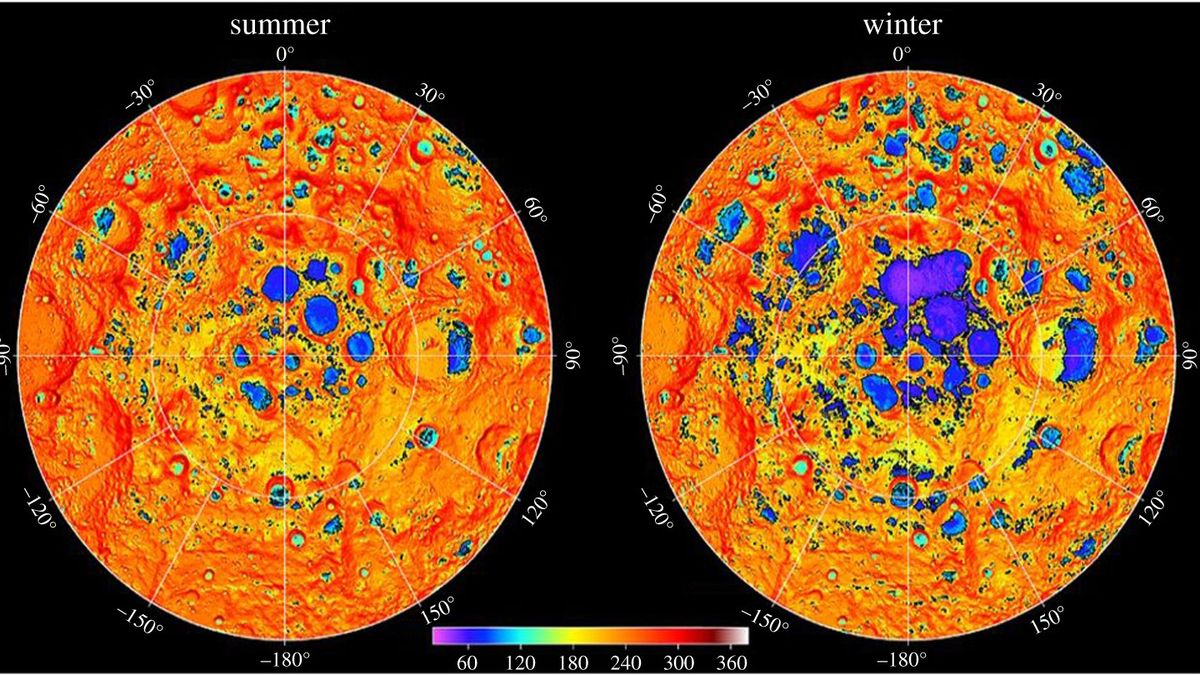
Scientists propose placing a 42-foot-wide infrared telescope inside a permanently shadowed crater near one of the moon's poles, which could be more sensitive than NASA's James Webb Space Telescope and detect parts of the electromagnetic spectrum that are currently invisible to Webb. The lunar telescope could also analyze the atmospheres of exoplanets and potentially help in the search for life beyond Earth. The telescope's location in a cold lunar crater would allow it to detect far infrared wavelengths, which cannot be seen by existing telescopes, and gather valuable data about the distant universe.
Reading Insights
Total Reads
0
Unique Readers
1
Time Saved
4 min
vs 5 min read
Condensed
91%
992 → 93 words
Want the full story? Read the original article
Read on Space.com