
Real-time tracking of electron re-collision.
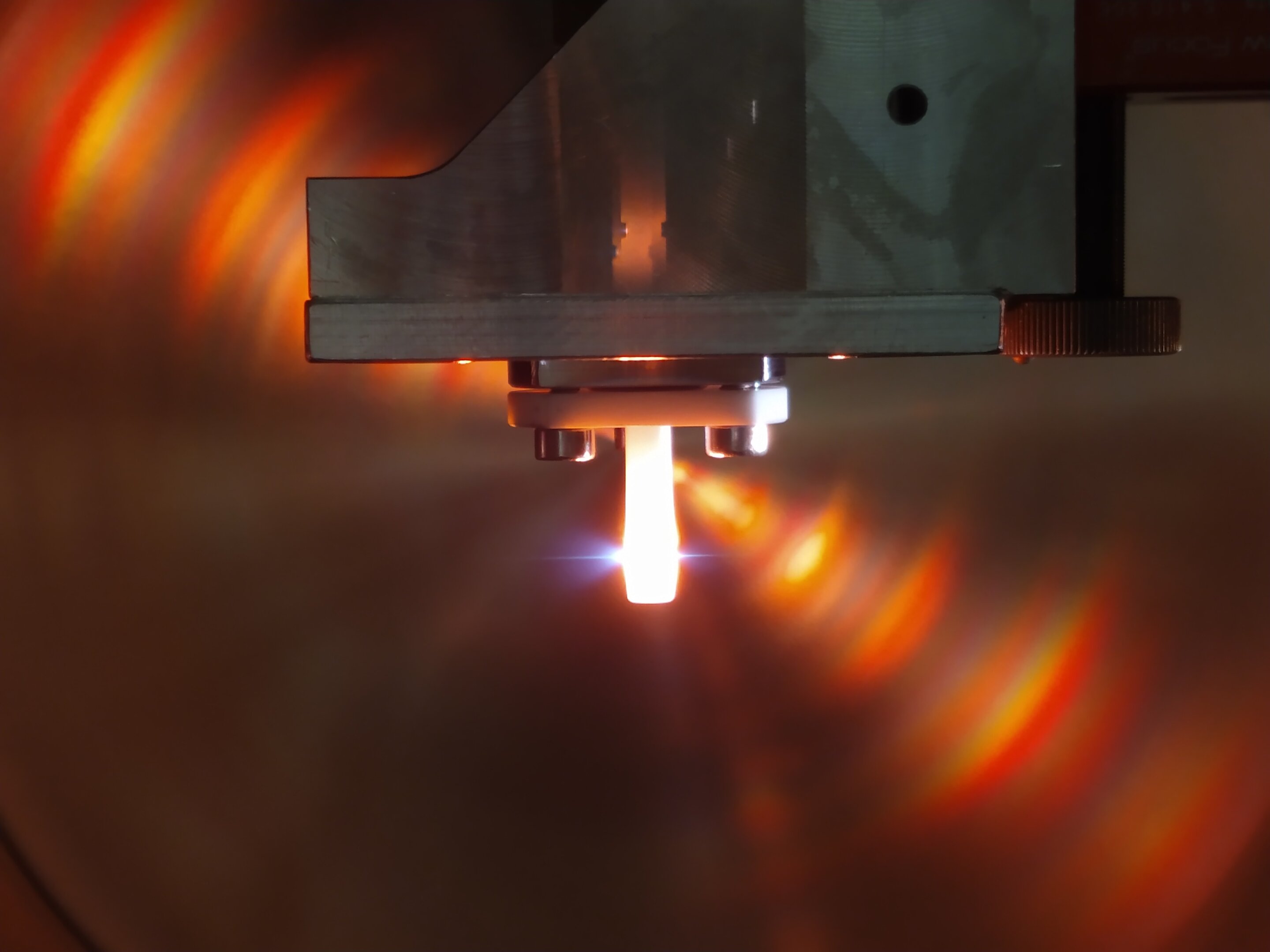
Physicists at the Max Planck Institute for Nuclear Physics have developed a novel method to track the motion of an electron in a strong infrared laser field in real time. The method links the absorption spectrum of the ionizing extreme ultraviolet pulse to the free-electron motion driven by the subsequent near-infrared pulse. The technique used is attosecond transient absorption spectroscopy together with the reconstruction of the time-dependent dipole moment, which connects the time-dependent dipole moment with the classical motion of the ionized electrons. The new method demonstrated here for helium can be applied to more complex systems such as larger atoms or molecules for a broad range of intensities.
Reading Insights
0
0
3 min
vs 4 min read
86%
771 → 109 words
Want the full story? Read the original article
Read on Phys.org