
Rocky hitchhikers: hardy microbes may shuttle life between planets
TL;DR Summary
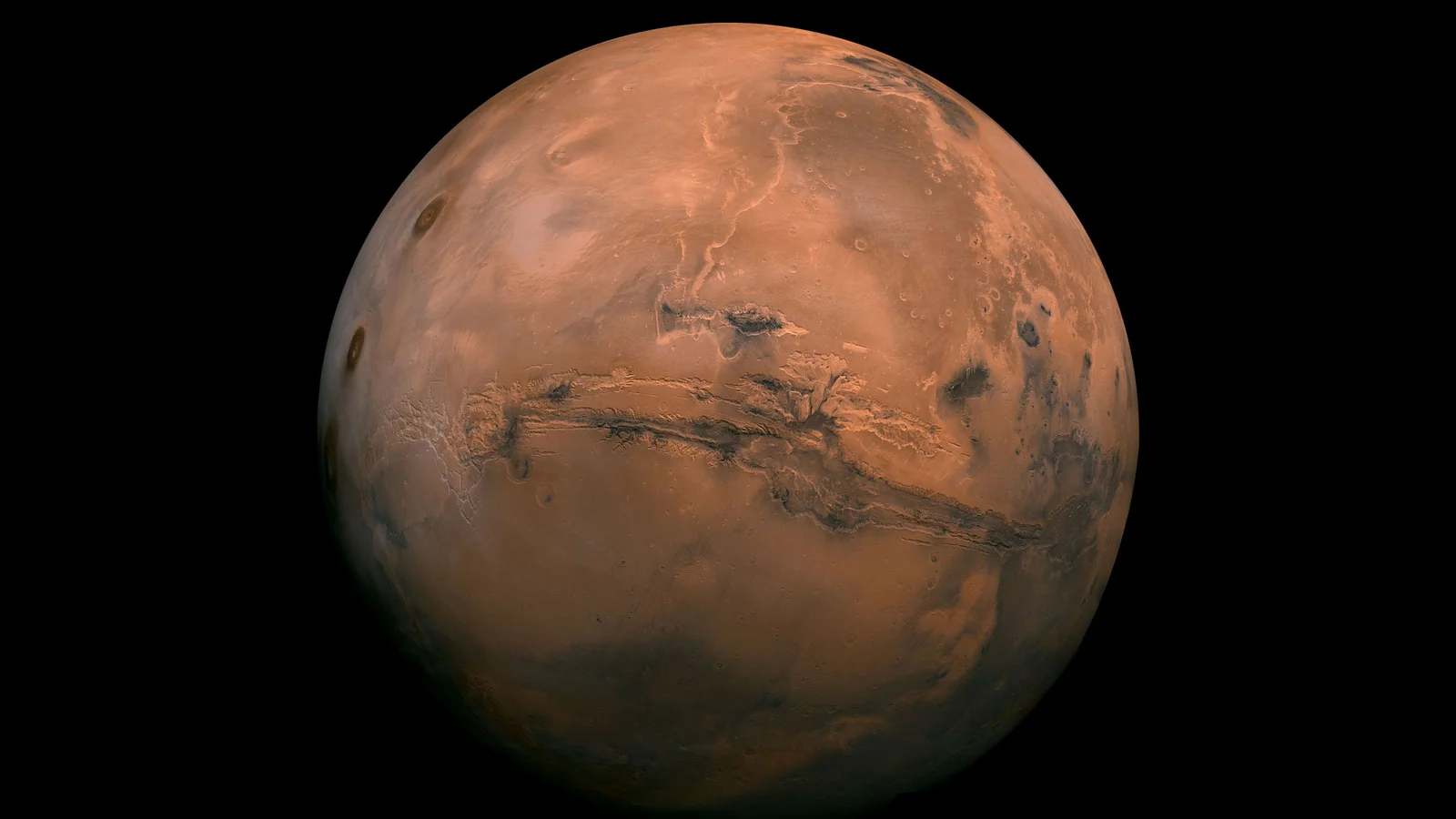
A Johns Hopkins-led study shows the bacterium Deinococcus radiodurans can survive pressures up to about 1.4–2.4 gigapascals from simulated asteroid impacts, lending support to lithopanspermia—the idea that microbes could hitchhike on rock fragments between planets. While not proof that life transferred from Mars to Earth or vice versa, the findings suggest microbes could endure interplanetary transfer, potentially prompting reevaluation of planetary-protection rules.
Topics:science#asteroids#deinococcus-radiodurans#lithopanspermia#mars#planetary-protection#space-exploration
- Did Earth life actually begin on Mars? Asteroid impacts could let microbes planet-hop, study suggests Space
- Experiment Shows Possibility of Martian Microbes Hitching a Ride to Earth - The New York Times The New York Times
- Blast off! Martian microbes might travel between worlds on asteroid-impact debris Scientific American
- Life forms can planet hop on asteroid debris—and survive Johns Hopkins University
- Extreme Microbes Can Survive The Journey Between Planets, Experiments Show ScienceAlert
Reading Insights
Total Reads
0
Unique Readers
7
Time Saved
53 min
vs 54 min read
Condensed
99%
10,725 → 62 words
Want the full story? Read the original article
Read on Space