
Unraveling the 700-Million-Year-Old Mystery of Earth's Snowball Transformation
TL;DR Summary
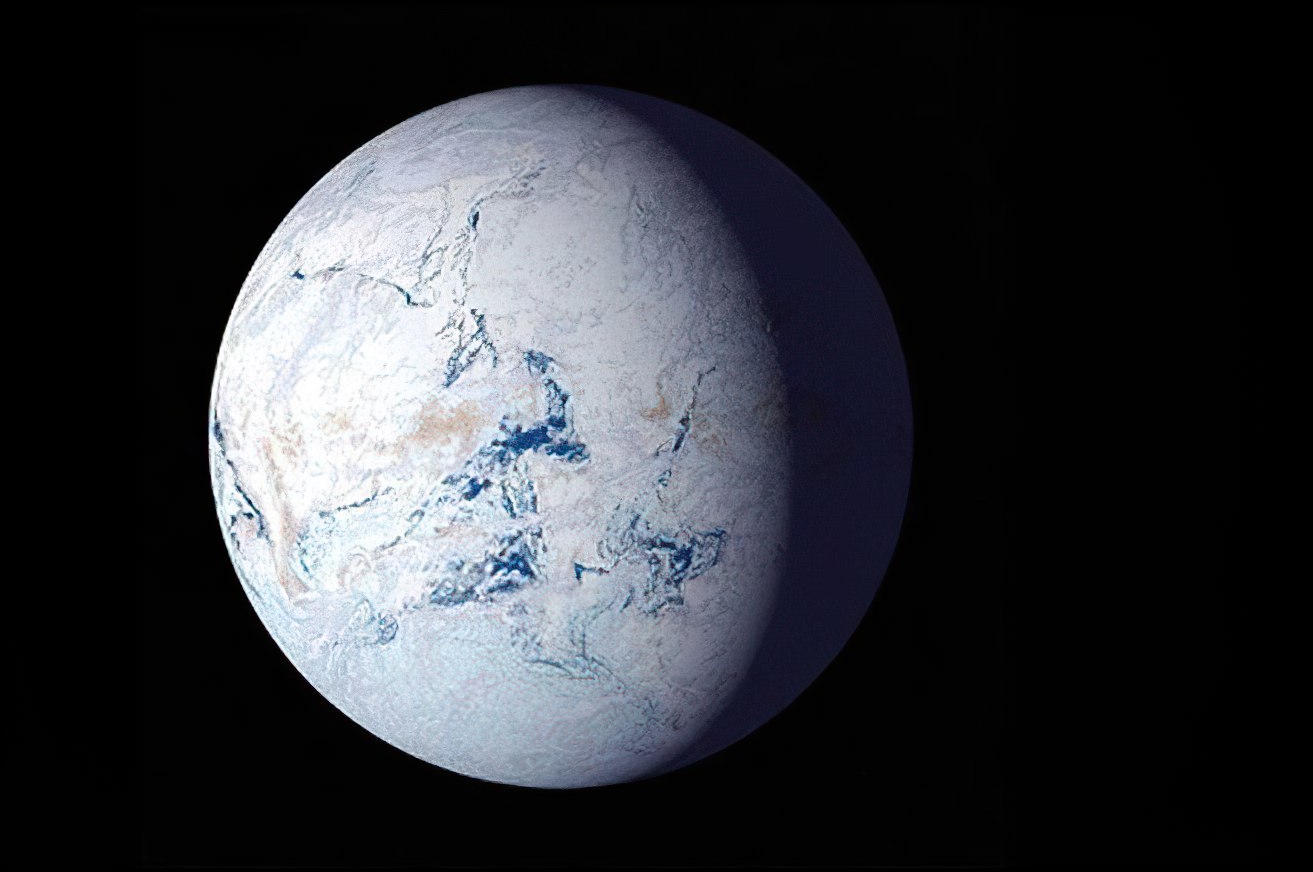
Australian geologists have unraveled the mystery behind a 700-million-year-old extreme ice age, identifying historically low volcanic carbon dioxide emissions and rock weathering in Canada as key factors. Their research sheds light on Earth's climate sensitivity and natural thermostat mechanisms, highlighting the contrast between slow geological climate change and the rapid changes driven by human activities. The study, published in Geology, provides insights into the Earth's long-term future and emphasizes the significant pace of human-induced climate change compared to geological climate change.
- When Earth Turned to Ice: Scientists Unravel 700-Million-Year-Old Climate Puzzle SciTechDaily
- How Earth Might Have Turned Into a Snowball The New York Times
- Low Volcanic Carbon Dioxide Emissions Triggered Sturtian ‘Snowball Earth’ Glaciation: Study Sci.News
- 'Double whammy' CO2 drop linked to Earth's extreme ice age New Atlas
- What turned Earth into a giant snowball 700 million years ago? Scientists now have an answer Phys.org
Reading Insights
Total Reads
0
Unique Readers
0
Time Saved
4 min
vs 5 min read
Condensed
92%
960 → 81 words
Want the full story? Read the original article
Read on SciTechDaily