
"JWST Discovers Metal-Rich 'Teenage' Galaxies in Distant Universe"
TL;DR Summary
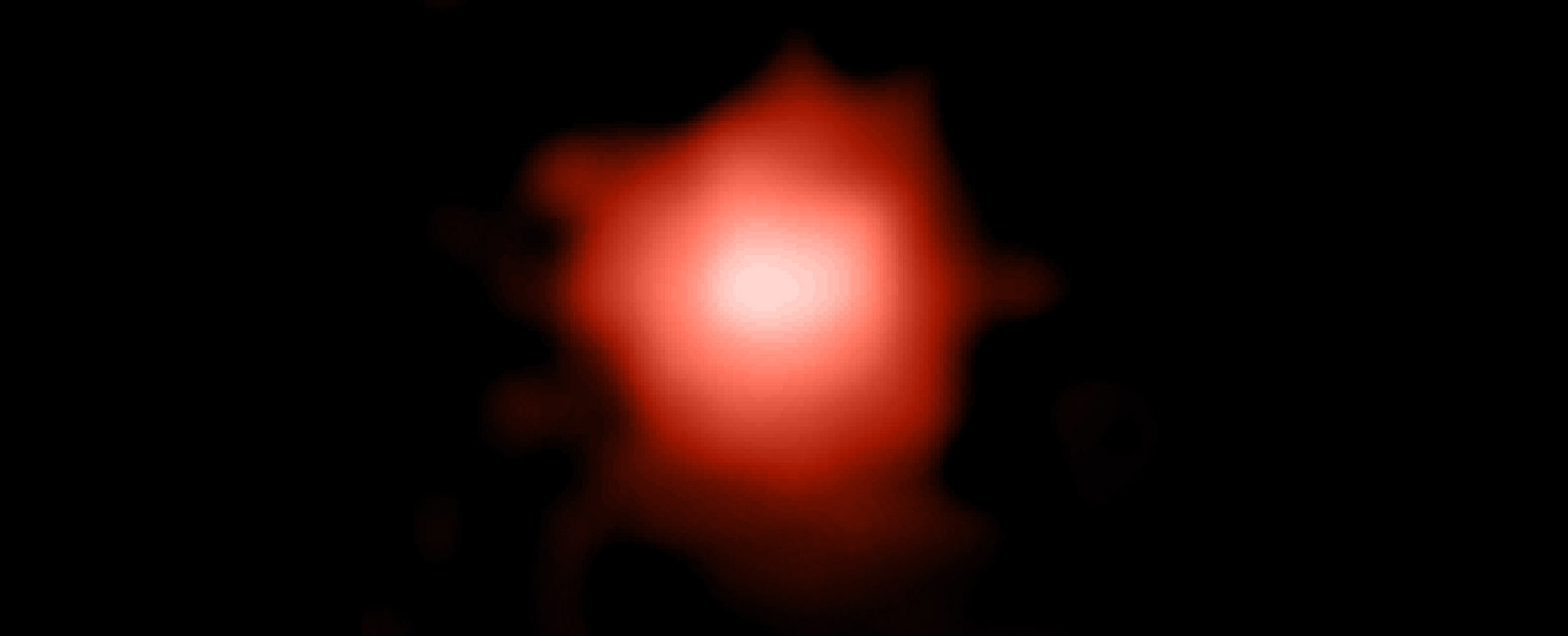
The James Webb Space Telescope (JWST) has discovered a surprising amount of metal in a galaxy only 350 million years after the Big Bang. This challenges our understanding of the Universe's first metals and the existence of metal-free Population III stars. The detection of carbon in the ancient galaxy suggests it may be the result of the first generation of supernovae or associated with a supermassive black hole. The JWST's findings shed light on the early metallicity of the Universe and the formation of rocky planets and life. Further research and larger sample sizes are needed to provide a more definitive explanation for this discovery.
Topics:science#ancient-galaxies#astronomy#chemical-enrichment#james-webb-space-telescope#metallicity#population-iii-stars
- JWST Has Found A Young Galaxy With A Surprising Amount of Metals ScienceAlert
- Webb space telescope spies precocious 'teenage' galaxies Yahoo News
- Surprise Elements Spotted In Peculiarly Hot "Teenage" Galaxies IFLScience
- NASA's James Webb Space Telescope captures 'teenage' galaxies far away HT Tech
- A Galaxy Only 350 Million Years Old Had Surprising Amounts of Metal Universe Today
Reading Insights
Total Reads
0
Unique Readers
1
Time Saved
5 min
vs 6 min read
Condensed
90%
1,016 → 105 words
Want the full story? Read the original article
Read on ScienceAlert