
Paraxanthine as a caffeine alternative: what science currently shows
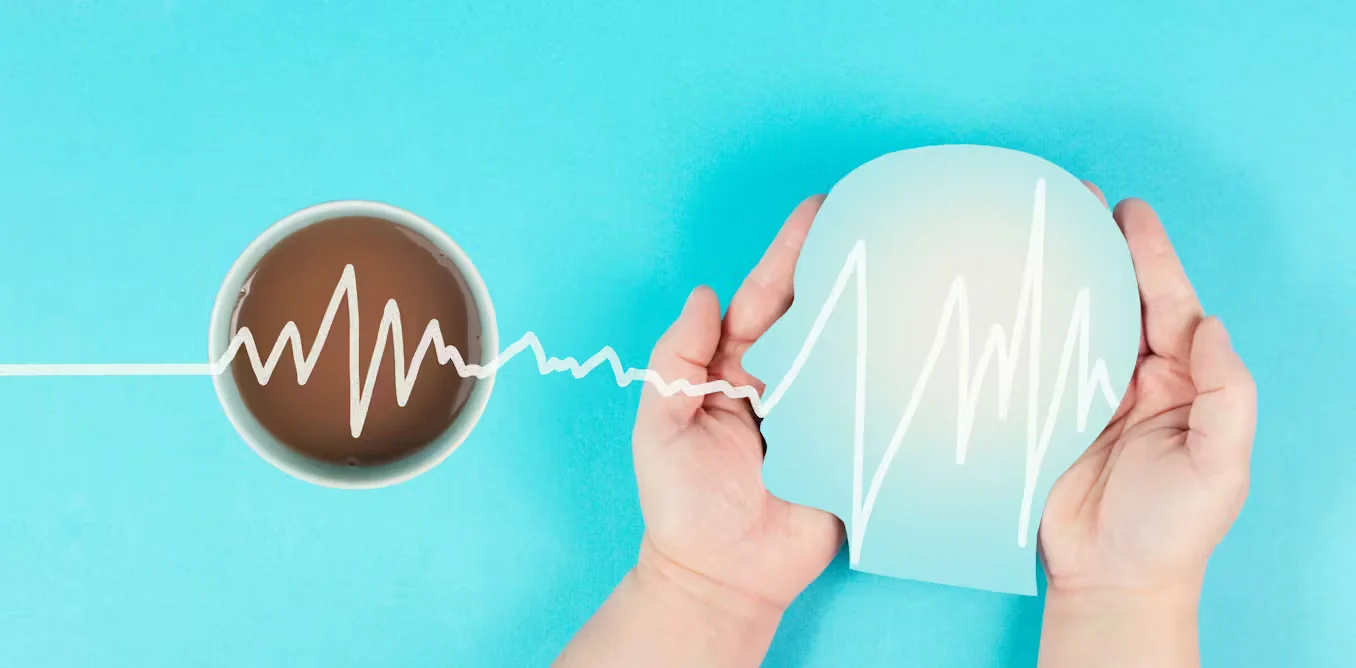
Paraxanthine, the body’s primary byproduct when caffeine is metabolized, is being added directly to some coffees and energy drinks as a potential caffeine substitute. Brands promise steadier, “clean” energy with fewer jitters, but evidence is limited to small studies and long‑term human data are scarce. Regulators in Europe are evaluating paraxanthine as a novel food, and many products deliver about 200–300 mg per serving, raising questions about total daily stimulant intake. While early research hints paraxanthine could match or even exceed caffeine for certain cognitive benefits, it is not yet proven to be safer or more effective, so cautious use—lower doses, avoiding late-day consumption, and protecting sleep—is advised until more data emerge. Trials underway should help translate lab findings into everyday use.
- Could paraxanthine replace caffeine? What we know about the new stimulant appearing in coffee and energy drinks The Conversation
- Kim Kardashian Joins Energy Drink Brand Update as Cofounder Yahoo News Canada
- What’s paraxanthine? The ingredient in Kim Kardashian’s caffeine-free energy drink The Independent
- What paraxanthine actually is as Kim Kardashian unveils caffeine-free energy drink FOODbible
Reading Insights
1
5
10 min
vs 12 min read
94%
2,202 → 122 words
Want the full story? Read the original article
Read on The Conversation