
Gut bacteria hitch a ride to the brain via the vagus nerve, mouse study suggests
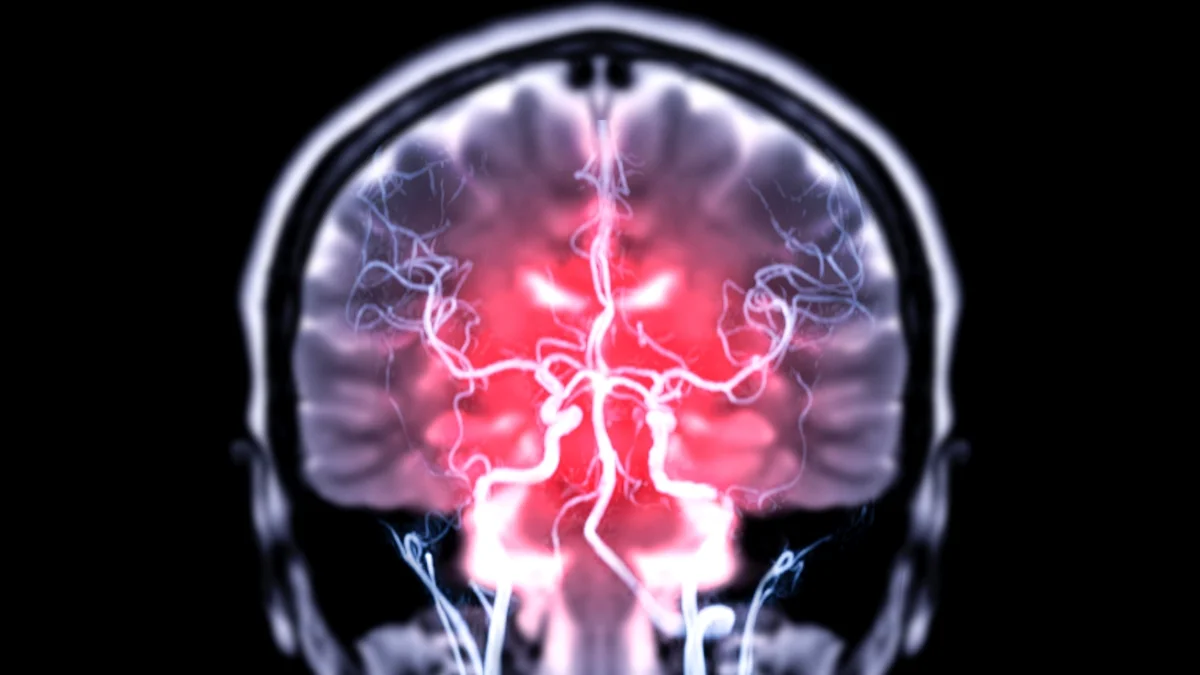
TL;DR Summary
Emory researchers in mouse models of leaky gut and disease show very small numbers of live gut bacteria can reach the brain, with evidence that the vagus nerve serves as the main route; blocking the nerve reduced brain bacterial presence, suggesting a gut-to-brain transmission axis influenced by diet and genetics and potentially reversible by restoring gut integrity. The findings, published in PLOS Biology, are not yet known to occur in humans and the bacteria were present in very low amounts, leaving open questions about their role in inflammation or disease and whether future gut-targeted therapies could affect brain conditions.
- Gut Bacteria May Directly Enter The Brain, Study in Mice Reveals ScienceAlert
- Your Gut-Brain Link May Offer a New Way to Fight Cognitive Decline ScienceAlert
- You Owe Your Intelligence to These Tiny Life Forms, Research Suggests—And They’re Still Shaping Our Brains Popular Mechanics
- Scientists discover how gut inflammation can drive age-associated memory loss PsyPost
- New study explores links between early-life gut microbiome and neurodevelopment University of California
Reading Insights
Total Reads
1
Unique Readers
5
Time Saved
5 min
vs 6 min read
Condensed
90%
1,035 → 99 words
Want the full story? Read the original article
Read on ScienceAlert