
"Uncovering the Role of DNA Damage and Inflammation in Long-Term Memory Formation"
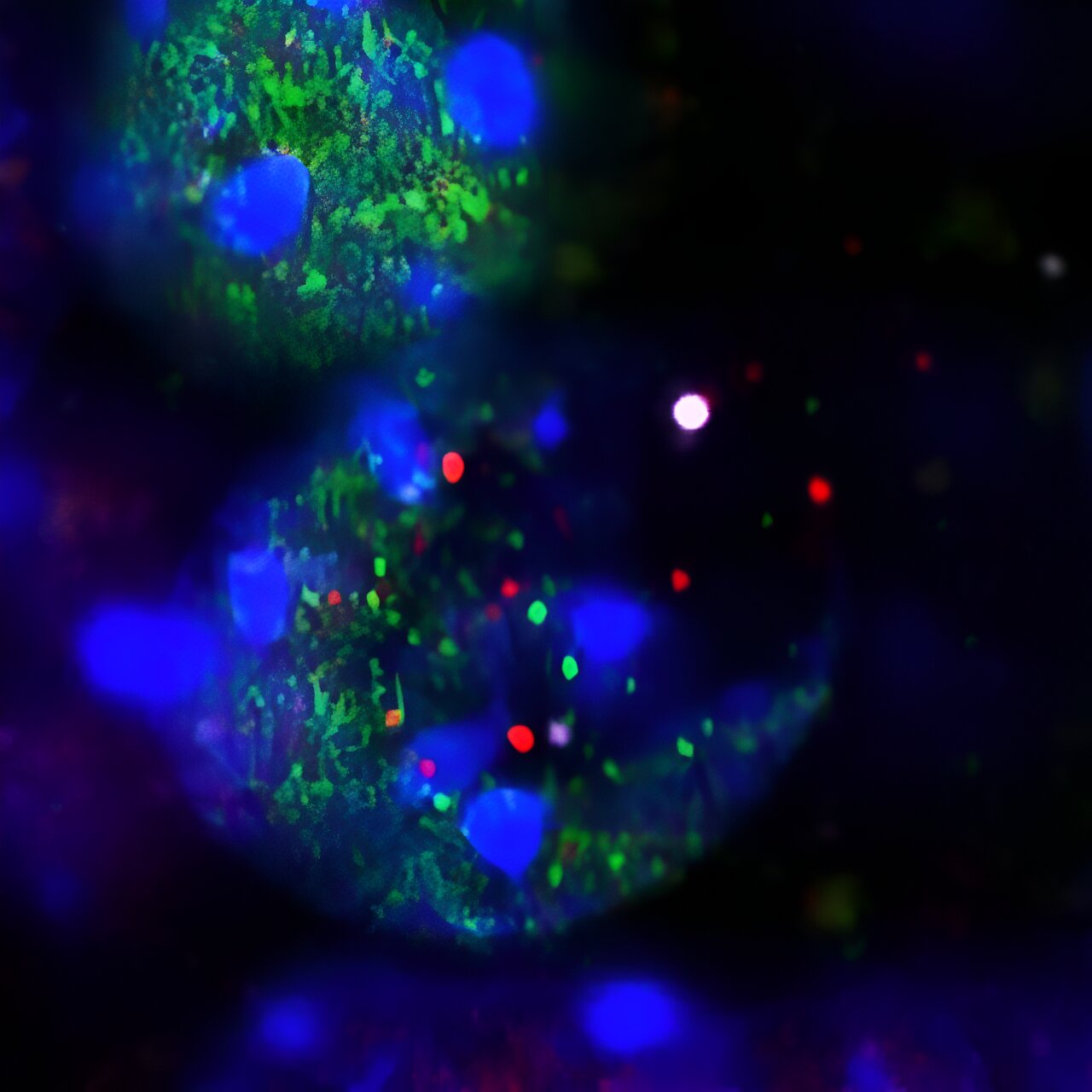
Researchers at Albert Einstein College of Medicine have discovered that the formation of long-term memories requires DNA damage and brain inflammation in certain neurons in the brain's hippocampal region. The study found that a stimulus triggers a cycle of DNA damage and repair within these neurons, leading to the formation of stable memory assemblies. The activation of the Toll-Like Receptor 9 (TLR9) pathway, typically involved in immune responses, was found to be essential for this memory-forming mechanism. Inhibiting this pathway not only prevented mice from forming long-term memories but also caused genomic instability, highlighting its potential role in aging and neurodegenerative disorders.
- Making long-term memories requires DNA damage, researchers discover Medical Xpress
- DNA Damage and Inflammation Key to Memory Formation Neuroscience News
- DNA Damage, Inflammation Required For Forming Long-Term Memories Genetic Engineering & Biotechnology News
Reading Insights
0
0
3 min
vs 4 min read
87%
792 → 102 words
Want the full story? Read the original article
Read on Medical Xpress