
Microplastics fuel global spread of antibiotic‑resistant bacteria via biofilms
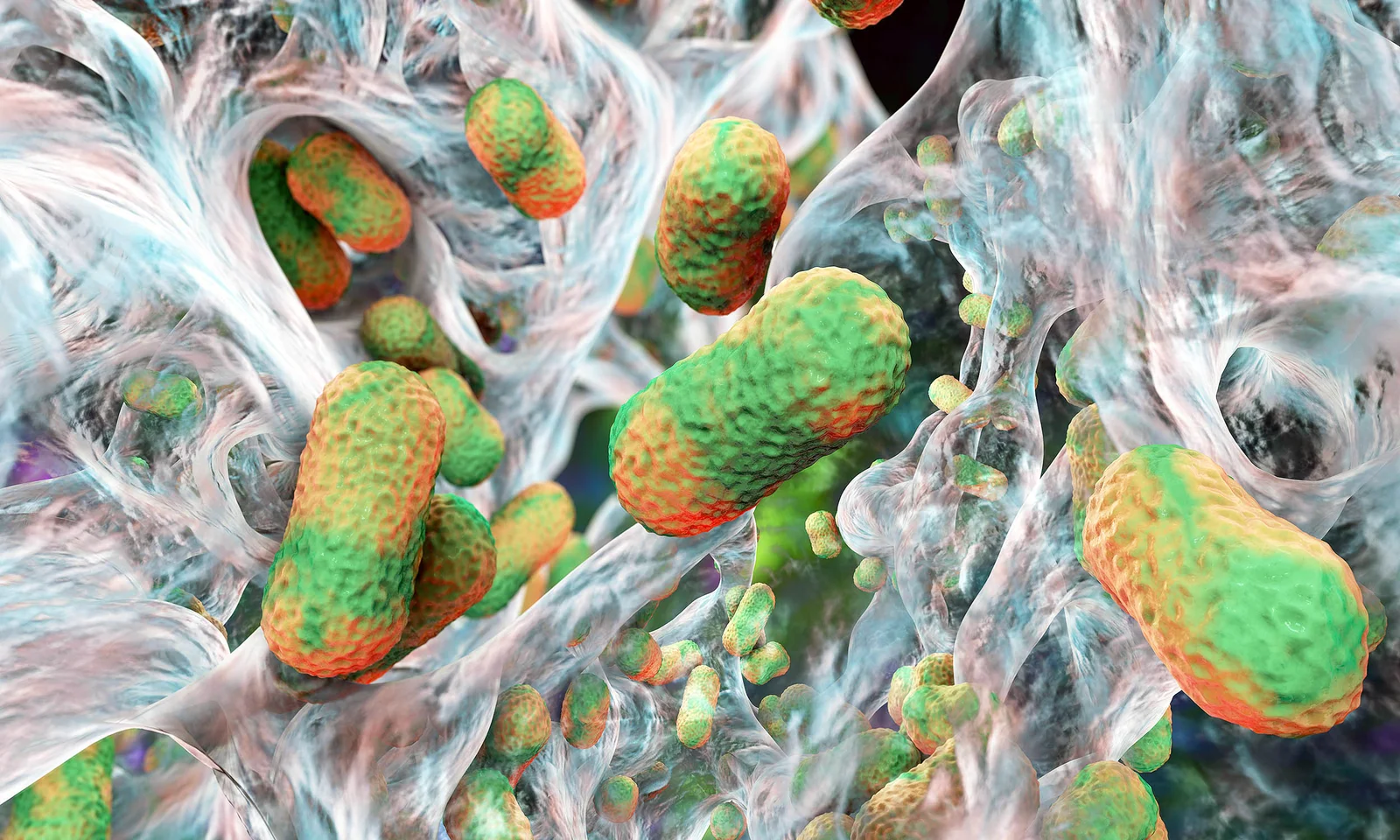
TL;DR Summary
A Plymouth Marine Laboratory–Exeter study shows microplastics act as mobile surfaces for microbial communities, forming dense biofilms (the Plastisphere) that carry antibiotic‑resistance genes and potentially resistant pathogens. These plastics can transport microbes from hospital wastewater to rivers and oceans, with downstream and marine environments showing higher resistance gene levels, especially on polystyrene and nurdles. The findings highlight the need for closer monitoring of microplastics, reducing plastic pollution, and careful handling during beach cleanups to protect ecosystems and human health.
- Scientists call for 'urgent' action as microplastics become a major risk to human health on multiple fronts Earth.com
- Scientists make disturbing discovery after studying donated human brains: 'Is this worse than we thought?' Yahoo
- Viewpoint: Check on scare “science”—Claims about the human health dangers of microplastics are collapsing Genetic Literacy Project
- Microplastics prevent immune cells from gobbling up germs Live Science
- Using Art to Connect Us to the Microplastic Within The Revelator
Reading Insights
Total Reads
0
Unique Readers
3
Time Saved
20 min
vs 21 min read
Condensed
98%
4,029 → 79 words
Want the full story? Read the original article
Read on Earth.com