
education-technology4.19 min read
"ChatGPT's New Features Empower Parents and Educators"
1 year ago•Source: Forbes

The latest education technology stories, summarized by AI
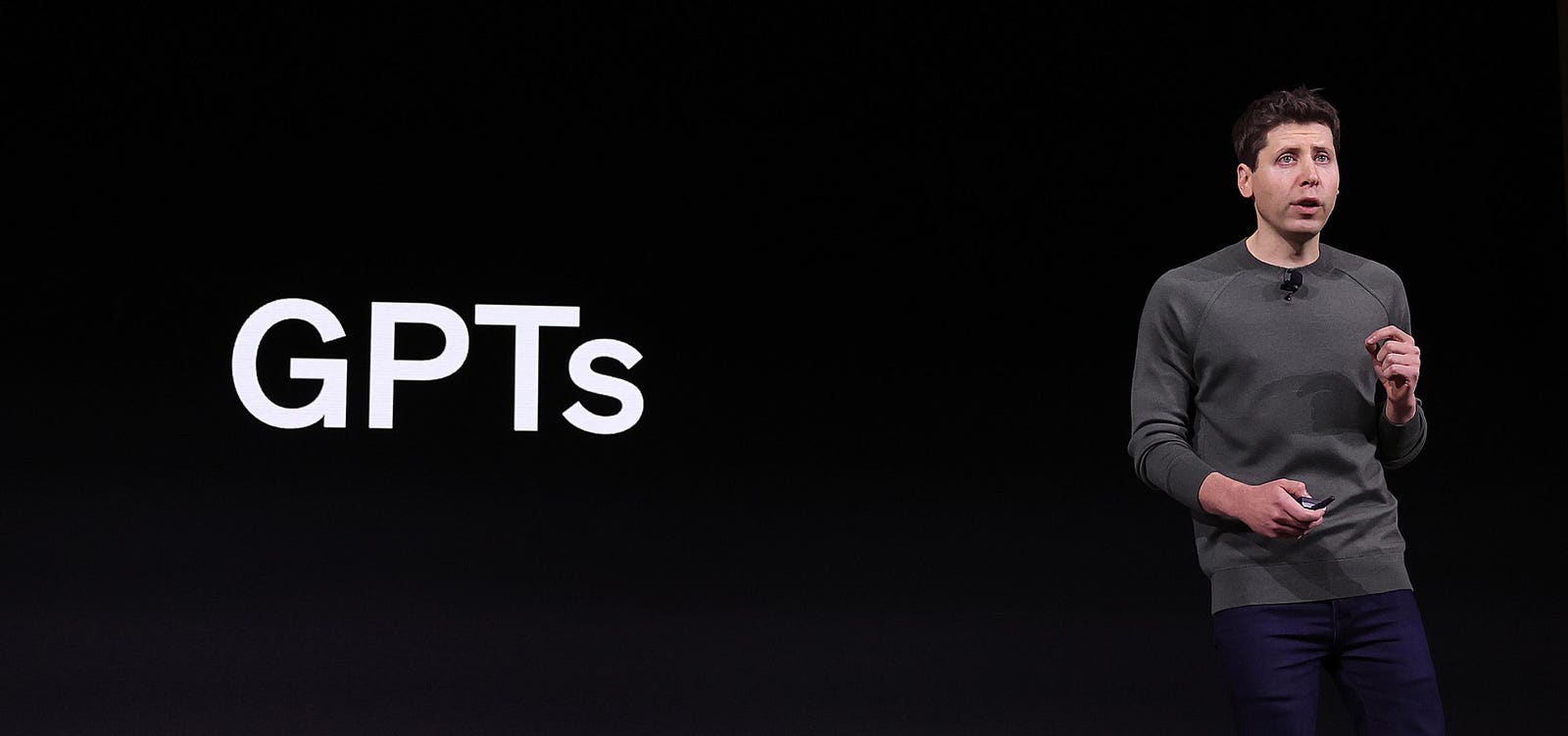
OpenAI has made all GPTs in the GPT Store free to use, providing educators with unprecedented access to custom AI tools. This move allows teachers to automate tasks, personalize learning experiences, and quickly access information, enhancing efficiency and productivity. While creating GPTs still requires a paid account, the ability to use existing GPTs for free empowers educators to innovate and streamline their workflows, fostering a more inclusive and efficient educational environment.

Forbes•1 year ago
POLITICO•2 years ago

New York City public schools attempted remote learning during a winter storm, but the effort was marred by technical difficulties, with many teachers, parents, and students unable to access their virtual classes. Mayor Eric Adams acknowledged the challenges and emphasized the need for improvement, stating that remote learning will be a continued reality. The chaotic morning left many feeling frustrated and highlighted the ongoing struggles with pandemic-era education.

Arizona State University partners with OpenAI to integrate ChatGPT Enterprise into classrooms, aiming to enhance student success, facilitate innovative research, and streamline organizational processes. Faculty members will guide the usage of generative AI on campus, with plans to accept project submissions from faculty and students in February. The university already has professors using AI in composition and journalism classes, and envisions potential applications such as personalized chatbot tutors for students. This marks OpenAI's first partnership with an educational institution, following its collaboration with the Pennsylvania state government to implement ChatGPT Enterprise for state employees.

Artificial intelligence tools like ChatGPT are being used by students to brainstorm topics, generate rough drafts, and hone their college application essays. While some admissions officials view this as a form of plagiarism and argue that A.I.-generated content lacks the introspection and reflection required in personal essays, others see it as a democratizing force that can help students who feel stuck or lack experience in essay writing. A.I. chatbots like Khanmigo are also being used to assist students in brainstorming essay ideas and avoiding common pitfalls. The use of A.I. tools in college applications is still being explored, with universities trying to understand their implications and how students are utilizing them.

Quizlet, an educational platform, has released new AI-powered features including Magic Notes, which summarizes text, creates flashcards, and generates practice tests. While the tool can be helpful for students, it has limitations and occasionally returns incorrect or problematic answers. Quizlet's AI features were built using generative models like GPT-3.5, and the platform is one of many exploring the use of AI in education. Despite its usefulness, the tool may not be suitable for complex subjects or open-ended interpretations, and some questions may be too basic.
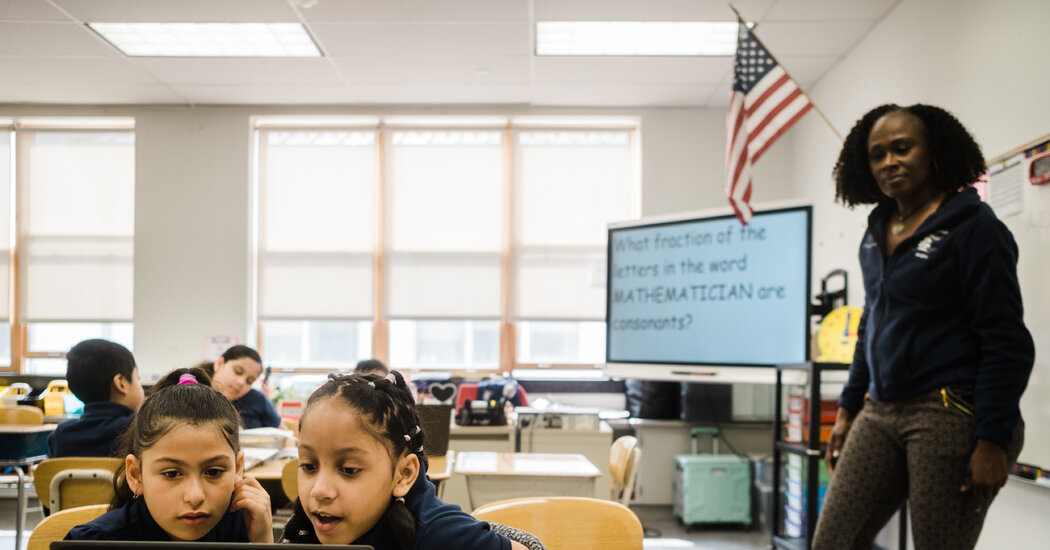
Newark Public Schools is piloting Khanmigo, an A.I.-assisted tutoring bot developed by Khan Academy, to enhance student engagement and math learning. The tutoring bot is designed to automatically customize responses to students, allowing them to work on lessons at their own pace. However, the district is cautious about the risks and benefits of A.I.-assisted technology and is testing the tool in three schools to distinguish the practical use of new A.I.-assisted tutoring bots from their marketing promises. The experiences of Newark Public Schools could influence other districts vetting A.I. systems for the fall.

Figma, a cloud-based design tool, is now offering its most advanced tier, Figma Enterprise, for free to all US K-12 students in partnership with Google for Education. The program includes unlimited files, individual and shared project options, dedicated workspaces, and more sophisticated design features. Schools will need Chromebooks to utilize the program, but they can apply for access if they have non-Google systems. The initiative started in beta last year, with 50 high schools across the country getting free access to Figma and FigJam, a collaborative whiteboard.
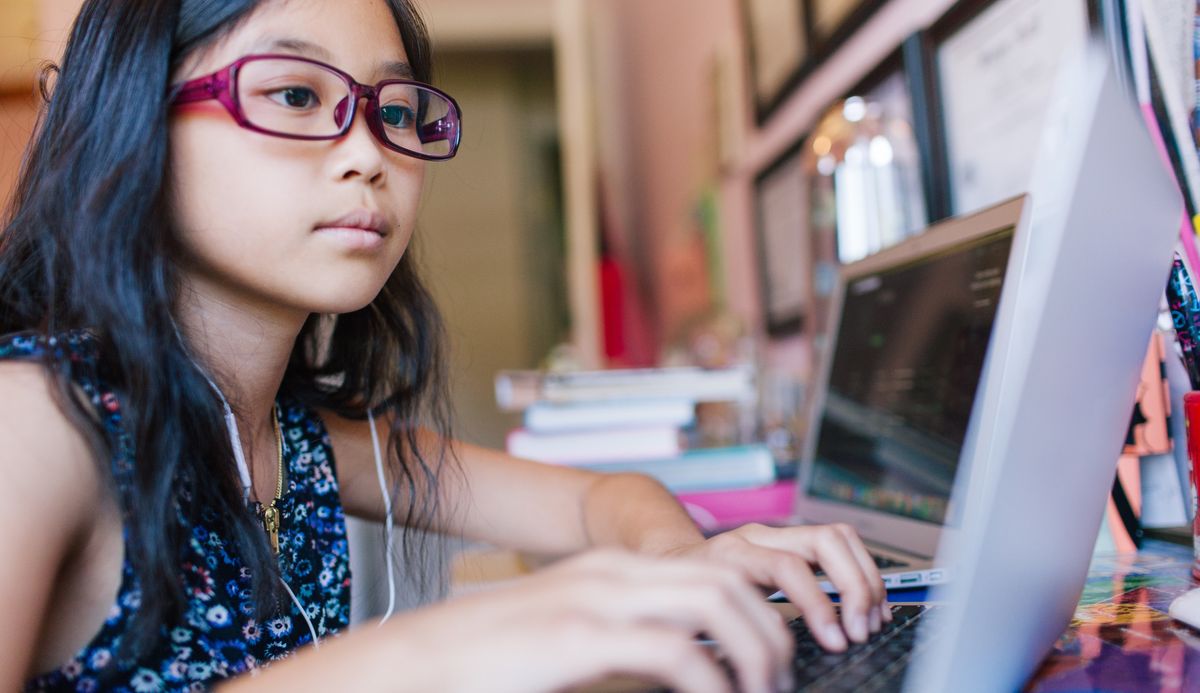
Microsoft Teams is set to release an update to its Parents app that will allow teachers to send videos directly to all parents of a class at the same time. The feature will start rolling out in August 2023 and will be available for Microsoft Teams users across Windows, Mac, Android and iOS. This is the latest step by Microsoft Teams in its attempt to become an invaluable asset for online communication for everyone, including education tools such as Parent Connection and Class Insights.

Edtech company Chegg's Q1 results beat analyst expectations, but its executives noted that ChatGPT, an AI tool from OpenAI, was slowing its ability to add new subscribers, potentially slowing its growth and throwing uncertainty into its ability to predict future financial results. Chegg's announcement of building a chatbot with GPT-4 last month adds to the tension of competition in the edtech market. The incident raises questions about how startups are reacting to AI tools and competition in their respective sectors.
Turnitin, a popular program used by educators to detect plagiarism in student papers, has added "AI detection capabilities" to detect the use of AI writing tools including ChatGPT with 98% confidence. The technology to detect GPT3 has been in the works for more than two years. Turnitin's AI detector provides an evaluative measure of how many sentences in a written submission may have been generated by artificial intelligence. The integration of AI detection will immediately benefit the 2.1 million educators who have access to its programs.
The rise of ChatGPT, an AI tool that can mimic human conversation, has raised concerns among education experts and academic faculty about its impact on the integrity of academic institutions. While some experts believe that ChatGPT can enhance human capabilities of learning, others worry that it will incentivize minimal effort from students and lead to cheating. The technology has the potential to transform the education industry, but experts warn that it could be used as a shortcut by students, raising questions about the purpose of education. The use of ChatGPT in K-12 education is also a concern for parents and educators.