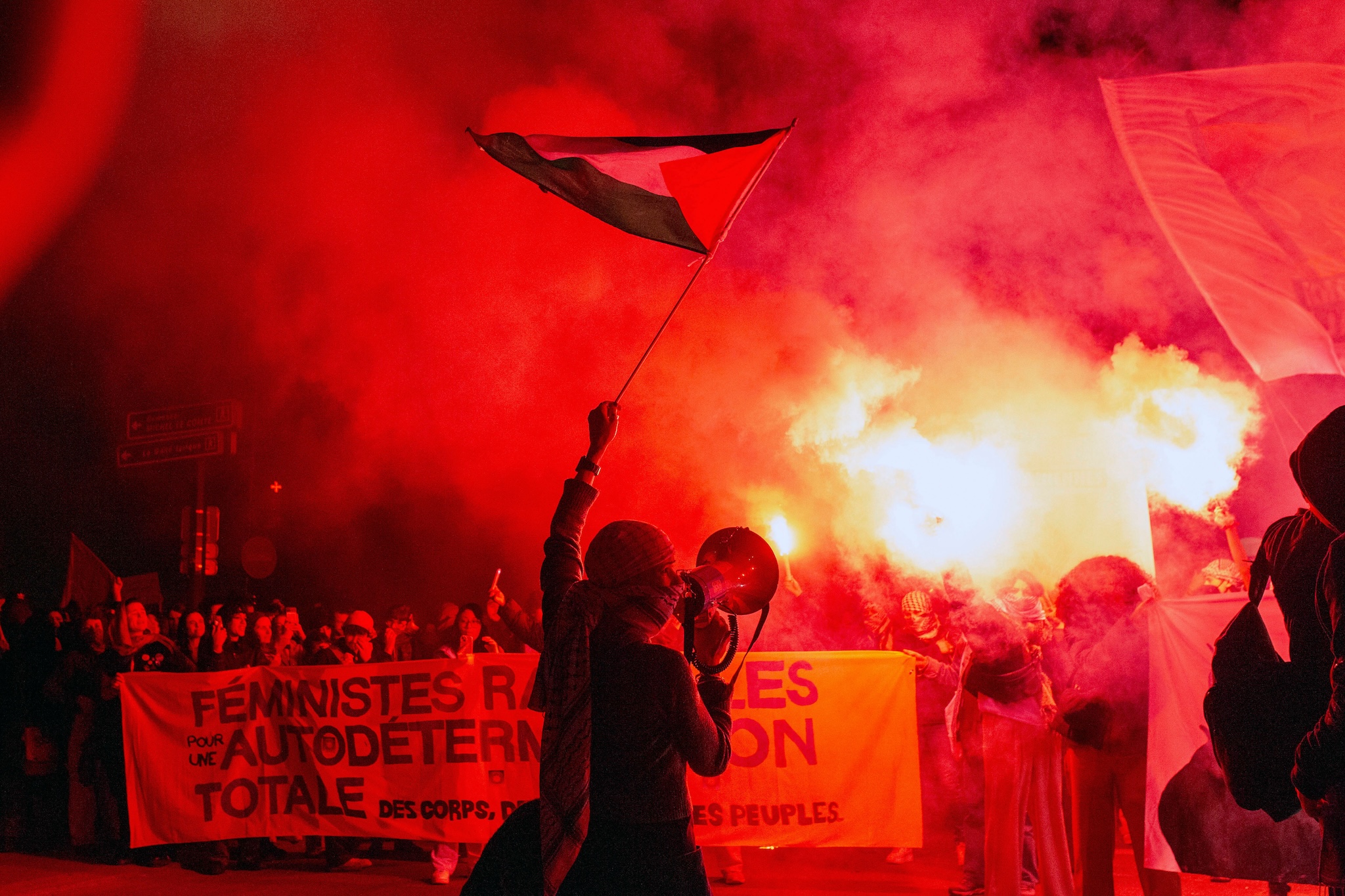
The article discusses how the October 7 attack in Gaza marked a significant shift in global understanding of the Palestinian struggle, exposing Israeli apartheid and settler colonialism, and catalyzing worldwide radicalization against global systems of domination. It criticizes attempts to restore the old order through diplomacy and emphasizes that true liberation requires dismantling systemic structures of oppression, with Palestine now seen as a symbol of broader anti-colonial and anti-capitalist struggles.
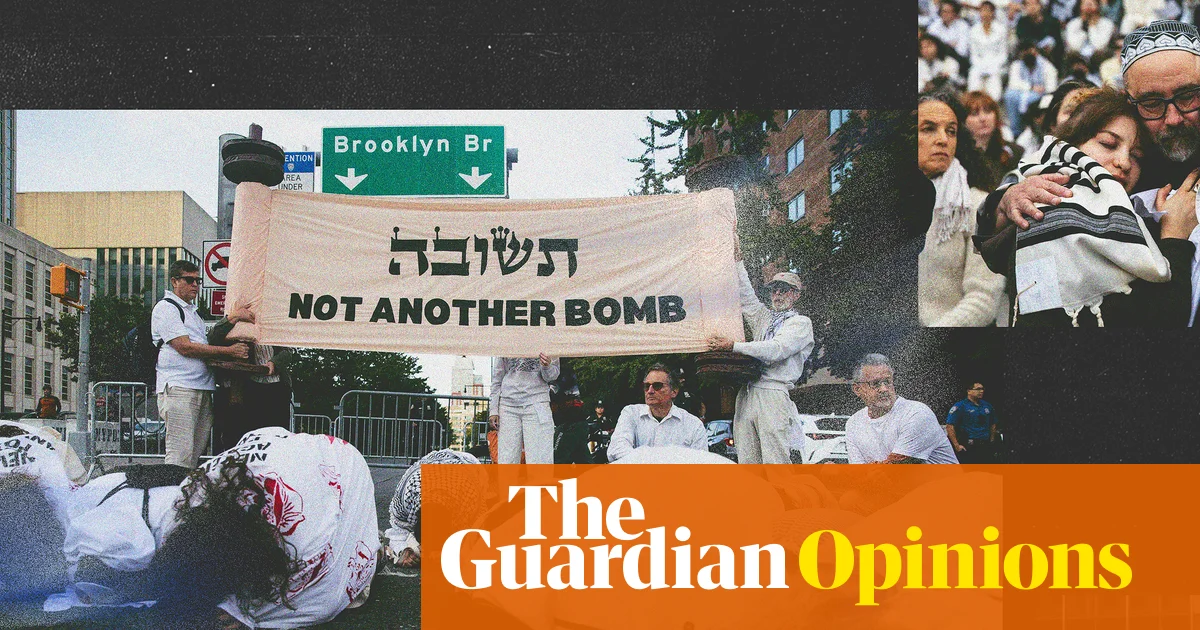
The article discusses the collapse of the long-standing Zionist consensus among American Jews following the 2023 Gaza conflict, highlighting a shift towards diverse and sometimes opposing views on Israel and Zionism, and emphasizing the importance of building a pluralistic future for Jewish life.
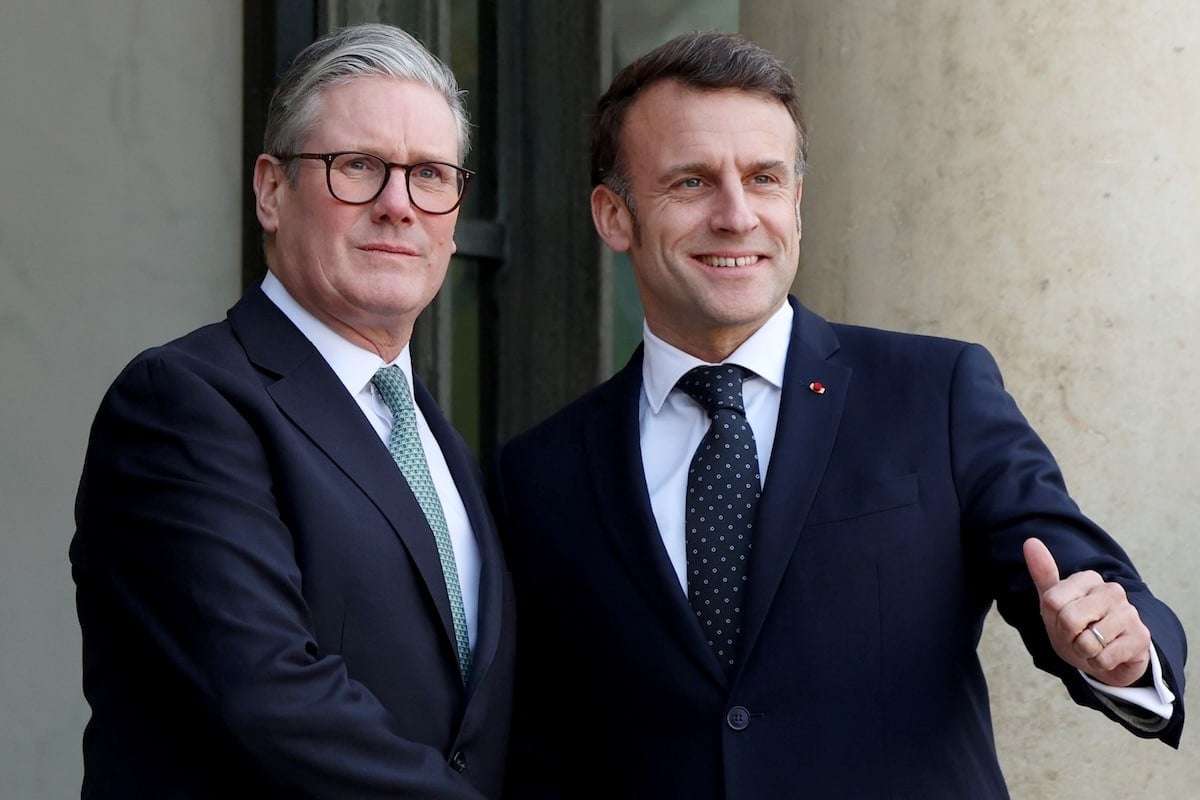
The article argues that the recognition of a Palestinian state by European countries is not an act of solidarity but a betrayal that legitimizes Zionist colonialism, accelerates the ongoing genocide in Gaza, and undermines Palestinian sovereignty and rights, emphasizing that true liberation requires ending impunity, sanctions, and dismantling colonial structures, not symbolic recognition.
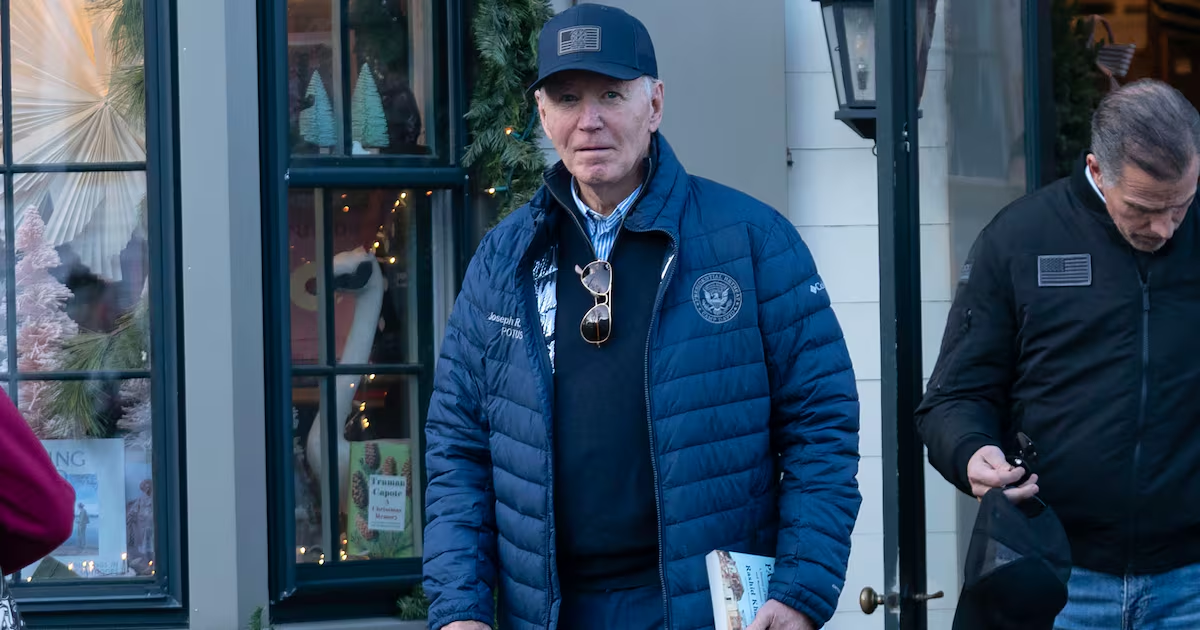
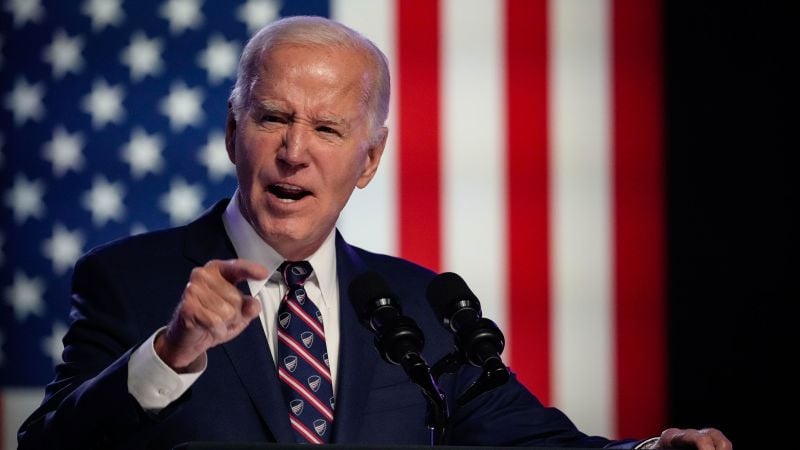
US President Joe Biden was seen with "The Hundred Years’ War on Palestine" by Rashid Khalidi, a book critical of US policies on Israel and Palestine. Khalidi, a historian, highlights the Palestinian struggle through personal and historical accounts. Biden, who identifies as a Zionist, was photographed with the book in Nantucket, Massachusetts, sparking interest due to his longstanding support for Israel.
In a recent interview, President Joe Biden affirmed his identity as a Zionist while claiming to have done more for the Palestinian community than anyone else, emphasizing his efforts to facilitate aid to Gaza. He also reiterated his commitment to the 2024 presidential race despite concerns about his mental fitness following a poor debate performance.
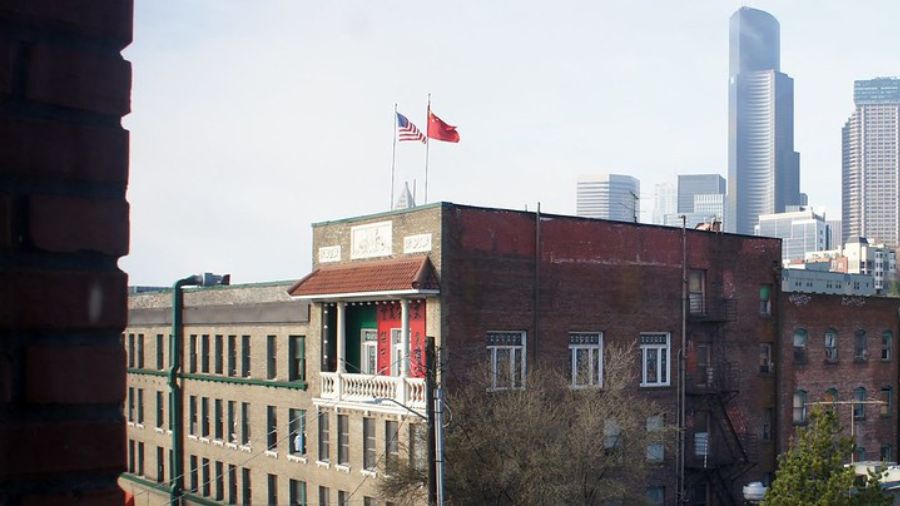
Half the staff at the Wing Luke Museum in Seattle walked out in protest of an exhibit condemning antisemitism, claiming it promotes "white supremacist perspectives" by supporting Zionism. The museum is now closed indefinitely, and the staff demands changes to the exhibit to include pro-Palestinian and anti-Zionist voices. The museum's leadership has indicated a willingness to consider these changes, sparking criticism that this would perpetuate hate rather than confront it. Local media coverage has been criticized for downplaying the antisemitism involved.
Meta is considering expanding its enforcement of hate speech rules to include more uses of the term "Zionist" on social media, particularly when it's used as a hateful substitute for "Jews" or "Israelis." This potential policy change has sparked a debate, with some arguing that it could stifle legitimate political critiques of the Israeli government and Zionism, while others believe it's necessary to counter a surge of antisemitism online. The move has triggered alarm among digital rights activists and pro-Palestinian groups, who fear it could silence Palestinian voices and set a dangerous precedent for freedom of expression online.
Meta, the parent company of Facebook and Instagram, is considering stricter rules around discussing Israeli nationalism on its platforms, particularly regarding the term "Zionist." This potential policy change has sparked concerns about stifling criticism and free expression about the war in Gaza and beyond. While some pro-Israel groups have lobbied for the restriction of the word "Zionist," civil society advocates argue that such censorship could impede legitimate political speech and activism. The proposed change has raised fears about increased censorship and its impact on free expression, particularly in the Arab world.
The failure of Zionism is evident as Israel continues to engage in endless wars, facing widespread global condemnation for its actions in the Palestinian conflict. American Jews, driven by a sense of ethnocentrism and historical persecution, have staunchly supported Israel, even as it engages in brutal and failed religious nationalism. The Israel lobby's influence has prevented any criticism of Israel's actions, leading to a tragic situation for Palestinians, the world, and Jews themselves. Calls for nonviolent boycott and divestment have been dismissed, and the hope for a resolution seems bleak.
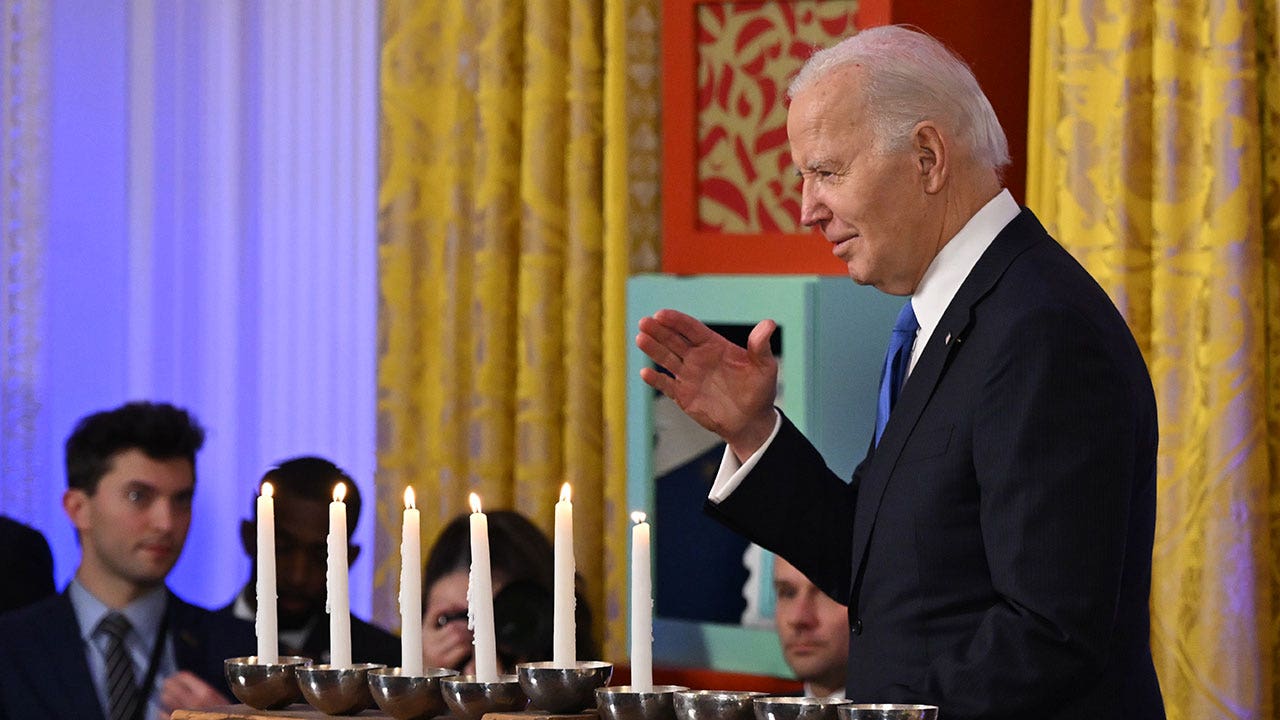
President Biden hosted a Hanukkah celebration at the White House, where he condemned the rise of antisemitism during the Israel-Hamas war and reaffirmed his support for Israel. He criticized those who remain silent in the face of antisemitism and declared himself a Zionist. Biden acknowledged the ongoing war in Gaza and the increase in antisemitic incidents globally. He emphasized the importance of protecting civilian lives and condemned Hamas for their brutality. The president also addressed the hurt and fear felt by Jewish communities and called for action to combat antisemitism.