The article discusses the collapse of the long-standing Zionist consensus among American Jews following the 2023 Gaza conflict, highlighting a shift towards diverse and sometimes opposing views on Israel and Zionism, and emphasizing the importance of building a pluralistic future for Jewish life.
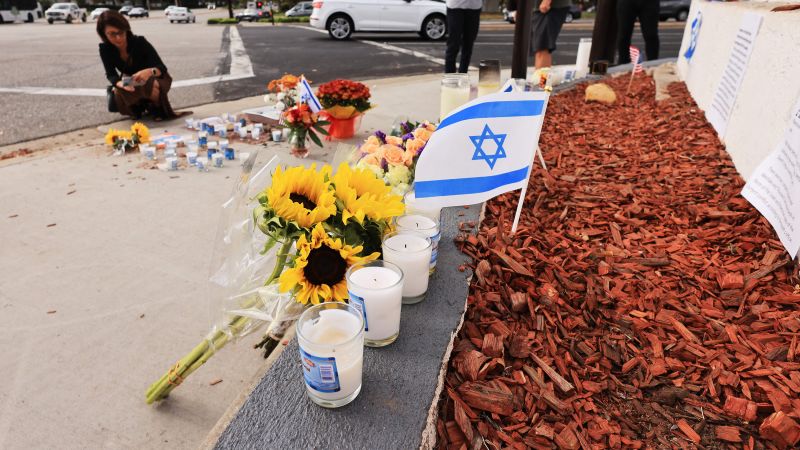
A new survey by the American Jewish Committee reveals that 63% of American Jews feel less secure in American society compared to a year ago, with 46% taking precautions due to concerns about their safety. The report also highlights that nearly half of American Jews believe antisemitism is not taken as seriously as other forms of hate and bigotry. CEO Ted Deutch urged immediate action against antisemitism, emphasizing the rise in incidents following the October 7 Hamas attacks on Israel. The survey found that a majority of American Jews felt less safe after hearing about these attacks, and it also revealed that a significant number of Jewish adults have experienced antisemitic incidents in person and online.
The failure of Zionism is evident as Israel continues to engage in endless wars, facing widespread global condemnation for its actions in the Palestinian conflict. American Jews, driven by a sense of ethnocentrism and historical persecution, have staunchly supported Israel, even as it engages in brutal and failed religious nationalism. The Israel lobby's influence has prevented any criticism of Israel's actions, leading to a tragic situation for Palestinians, the world, and Jews themselves. Calls for nonviolent boycott and divestment have been dismissed, and the hope for a resolution seems bleak.
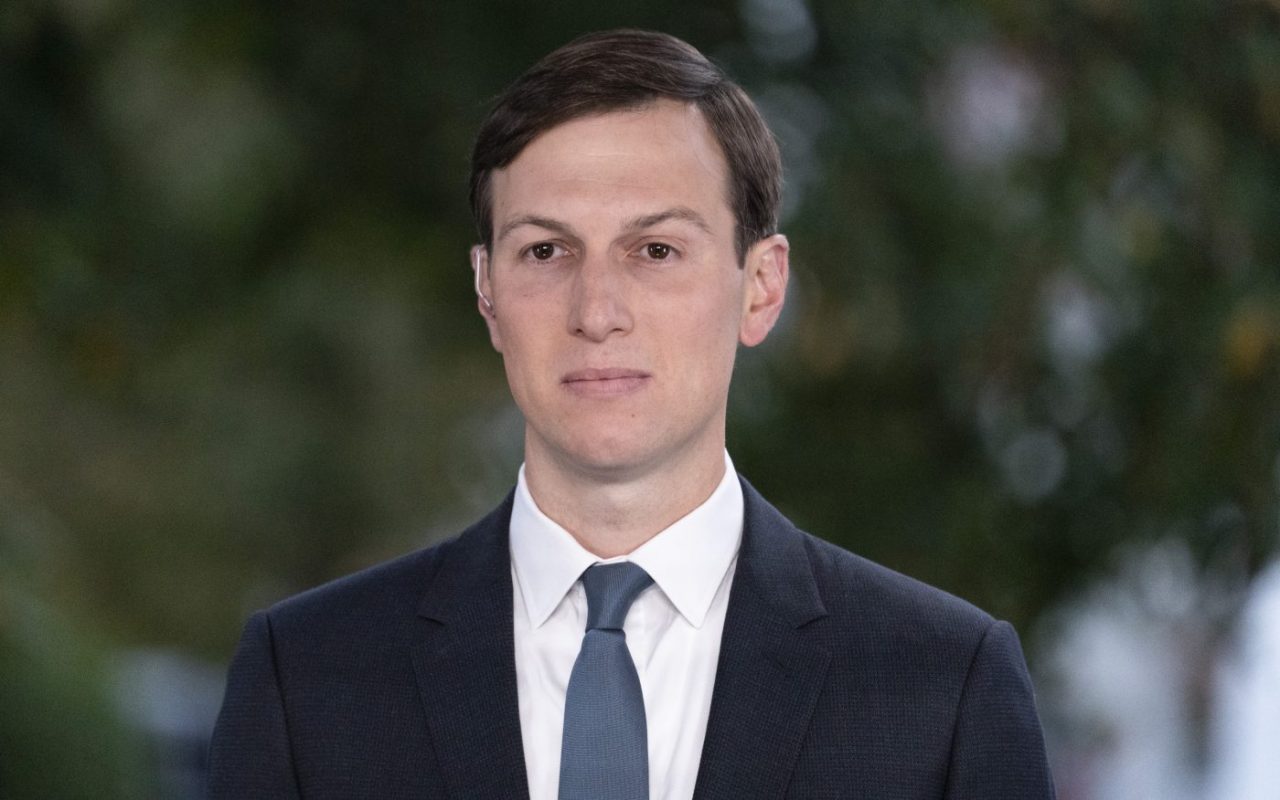
Jared Kushner, former adviser to President Trump, claimed that American Jews are safer in Saudi Arabia than on college campuses amidst protests over the Israel-Hamas conflict. Kushner cited his recent trip to Saudi Arabia, where he sensed a strong disapproval of Hamas's terrorist attacks. College campuses across the US have seen protests and rallies related to the conflict, with students criticizing their schools for not taking a strong stance. Some protests have been labeled as antisemitic, drawing criticism from both Democrats and Republicans. The Israel-Hamas conflict has resulted in thousands of casualties and displacement of Palestinians.
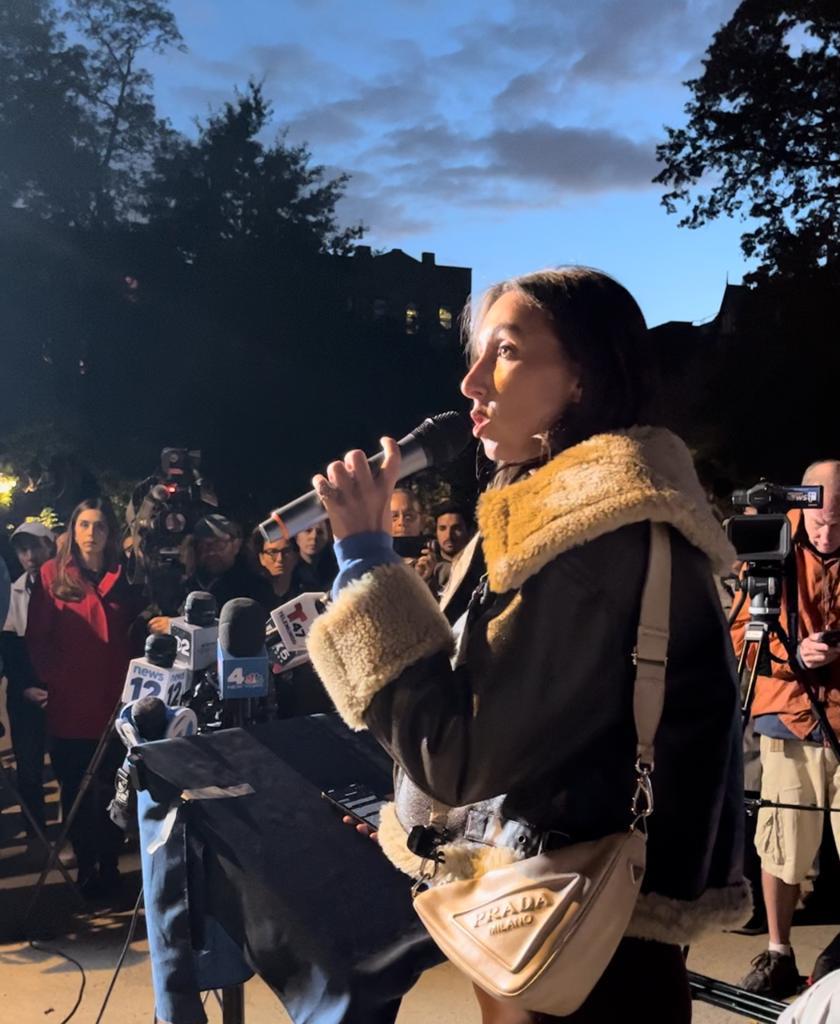
On the fifth anniversary of the Tree of Life synagogue shooting in Pittsburgh, liberal American Jews are feeling a lack of solidarity from progressive communities in the wake of the recent Hamas massacre of Israeli civilians. Many Jews are disheartened by the absence of public expressions of support and believe that their allies are not viewing them as victims but through a racial or identity politics lens. Progressive organizations are grappling with how to navigate the Israeli-Palestinian conflict and are cautious about making public statements. The lack of solidarity has left many American Jews questioning their ability to continue organizing with non-Jewish partners on justice issues.
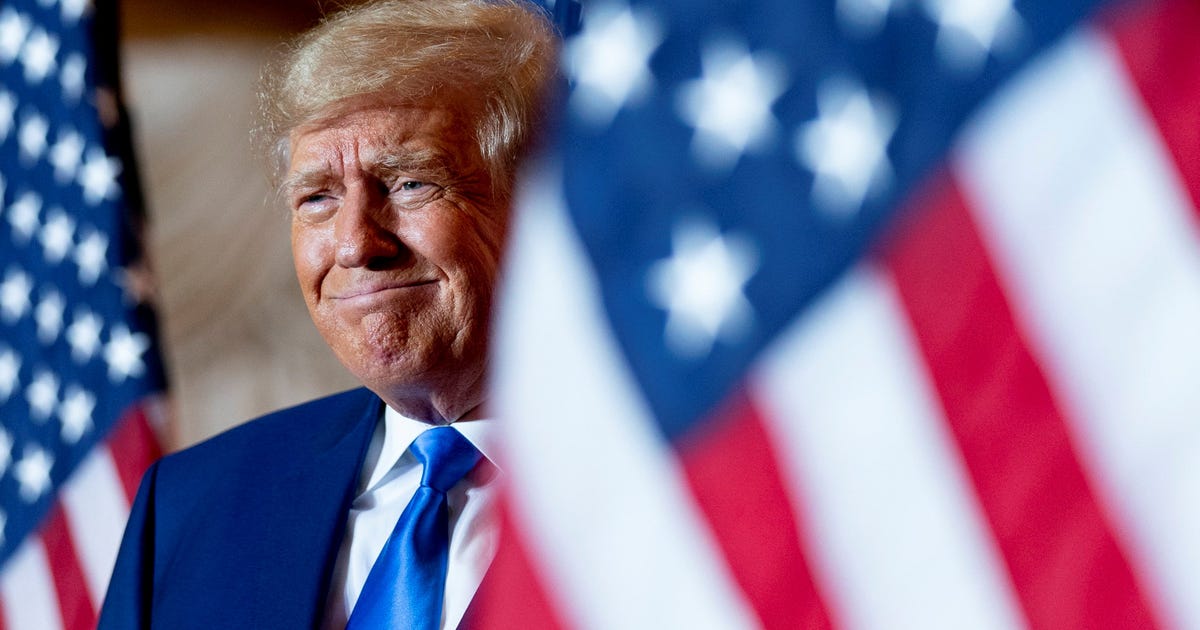
Former U.S. President Donald Trump posted a Rosh Hashanah message on Truth Social, attacking the majority of American Jews for "voting to destroy America and Israel" while highlighting his own policy initiatives and questioning the actions of "Natzi/AntiSemite" figures in comparison. The message perpetuates dual loyalty tropes and conflates support for Israel with American Jews.
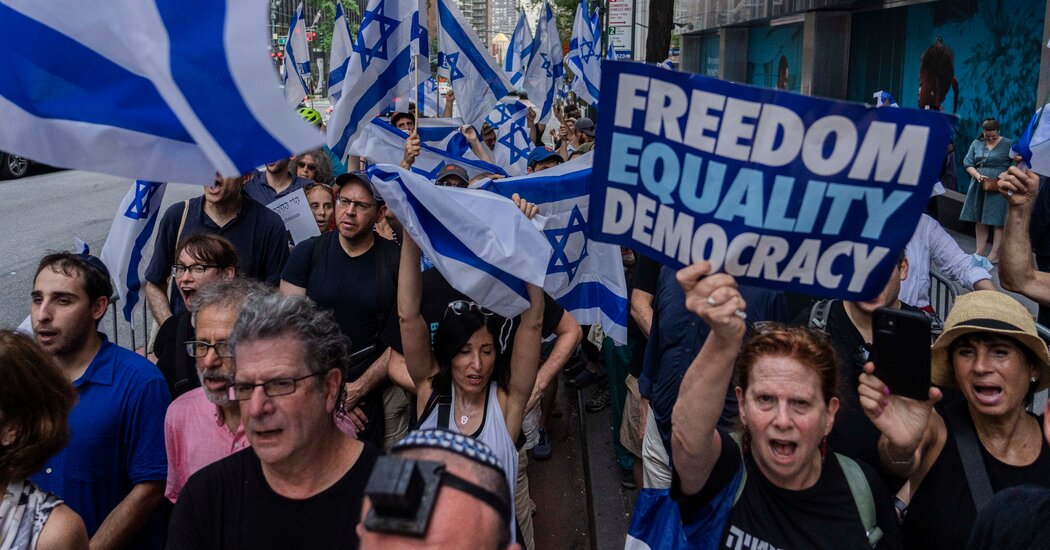
American Jews are joining Israelis in protesting against Israel's plans to overhaul its judiciary, which critics argue threaten the country's democracy. While some American Jews have been hesitant to publicly criticize Israel, more are becoming involved in protests due to President Biden's vocal concern and the argument that the Jewish diaspora should care about the status of Israeli democracy. Polls show that a majority of American Jews oppose the judicial changes, but there is a split between progressive, religiously liberal Jews and conservative, strictly observant Jews. The protests are gaining momentum, with rallies being held in various cities globally and plans to greet Israel's prime minister during his visit to the United Nations General Assembly.
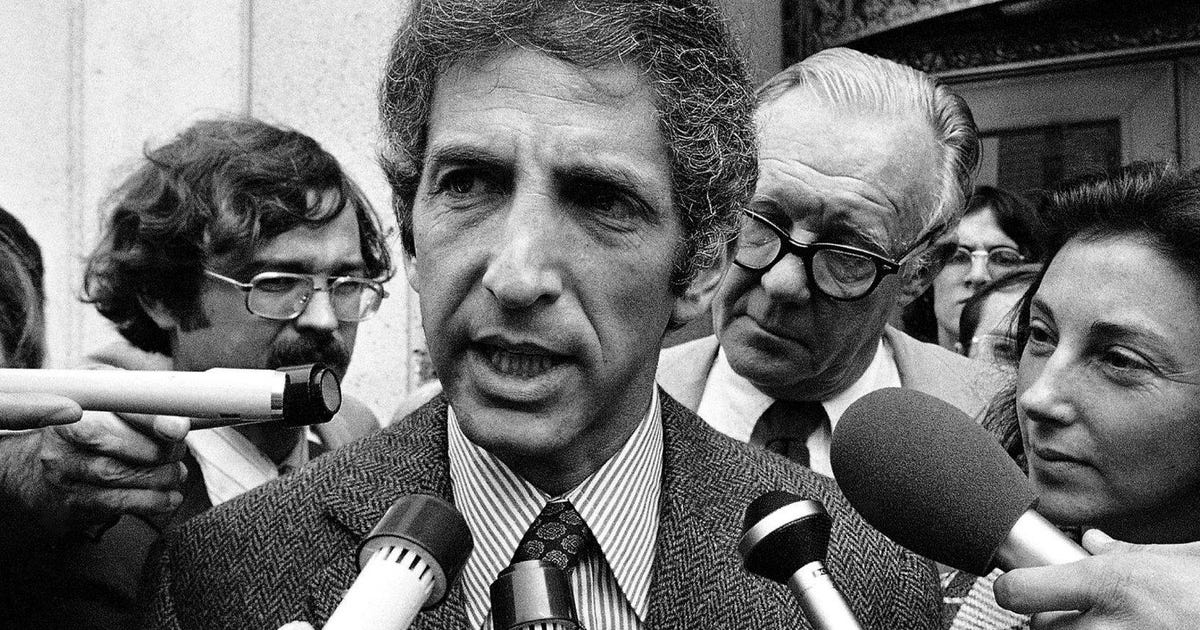
Daniel Ellsberg, the man behind the “Pentagon Papers” leak in 1971, died last week at the age of 92. He symbolized the rift between American Jews and Israel and should become a model for Israeli protesters today. In his final months, he warned about the possibility of nuclear weapons being used in the war in Ukraine.
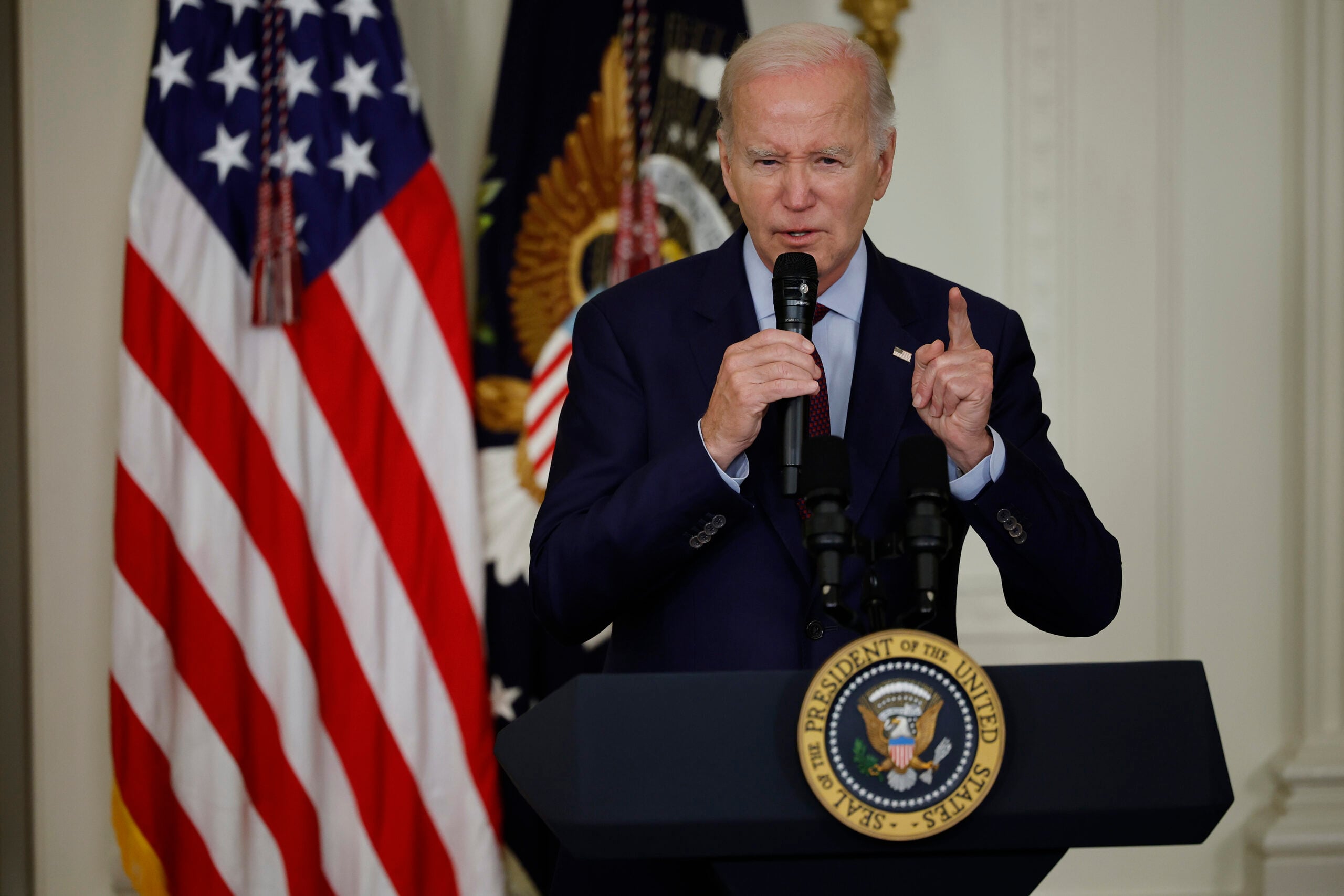
The White House has released a plan to combat antisemitism in America, which includes over 100 steps for federal agencies to take and calls upon Congress, state and local governments, and the private sector to join them. The plan aims to raise awareness of antisemitism in the present and the past, and expand knowledge of Jewish heritage in the US. The darker side of Jewish heritage in America includes a long history of antisemitism from Colonial days to today, including the lynching of Leo Frank in 1915. The White House plan comes as the trial of the man accused of the deadliest hate crime against American Jews, the murder of 11 worshippers in a Pittsburgh synagogue in October 2018, gets underway.