
Tag

Yorp Effect

All articles tagged with #yorp effect

Venus set for a July meteor show from an ancient asteroid breakup
space1 month ago

Venus set for a July meteor show from an ancient asteroid breakup

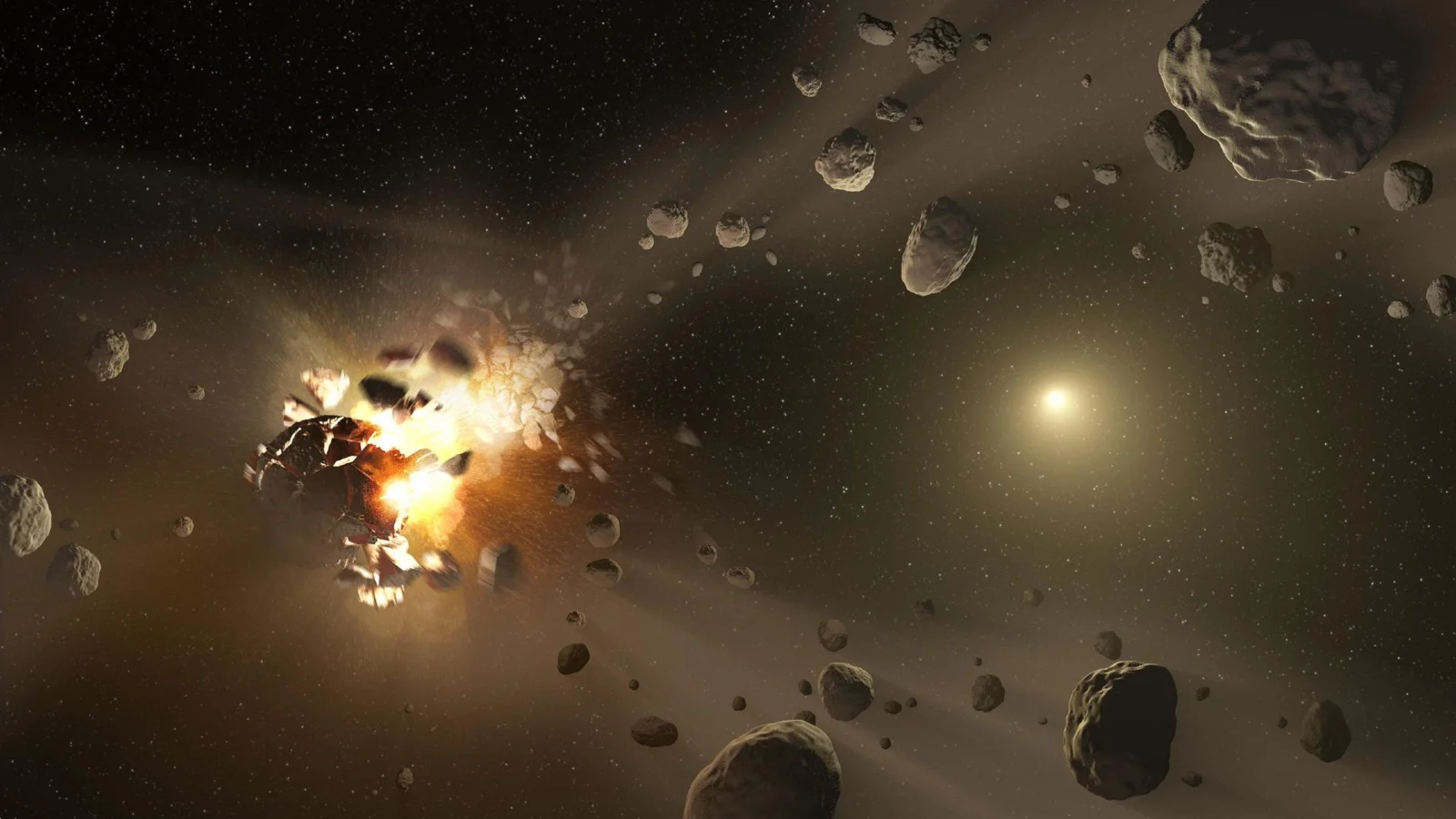
Venus may experience a dramatic meteor shower this July due to dust from a pair of asteroids that likely split after a close solar approach 17,000–21,000 years ago. The dust remains in solar orbit inside Earth’s path, and Venus could intercept it, though observing the event from Earth would be extremely difficult; a spacecraft in Venus orbit or future missions such as EnVision, DAVINCI and VERITAS could potentially detect it. The finding is based on simulations published in Icarus.
DART mission unveils origin of battered space rock Dimorphos.
science-and-astronomy2 years ago

DART mission unveils origin of battered space rock Dimorphos.

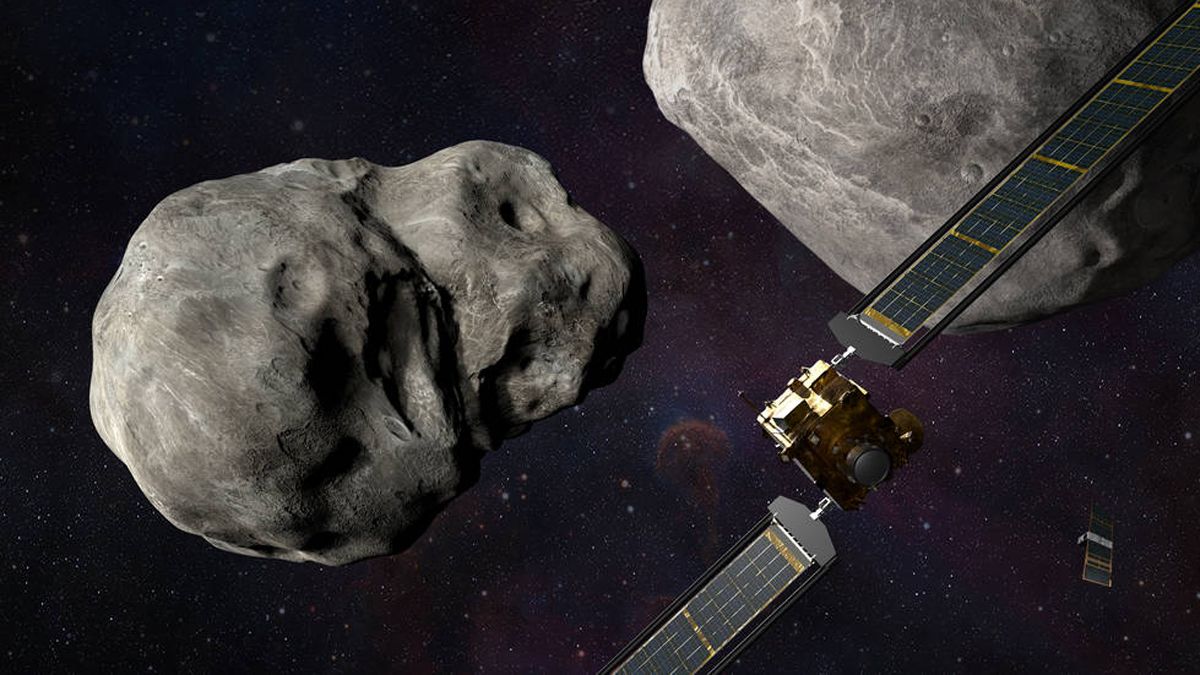
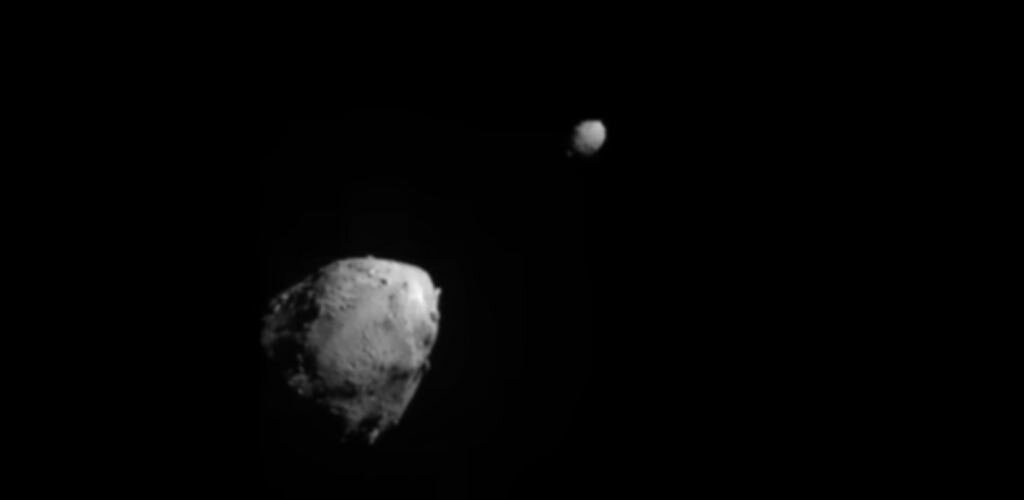
NASA's DART mission successfully tested our ability to defend Earth from a threatening asteroid by nudging it out of harm's way. The mission also revealed that the asteroid Dimorphos didn't form on its own but rather as a ring of material flung off from its larger parent, Didymos. The researchers propose that the YORP effect triggered avalanches on the surface of Didymos, which were then flung away from the parent asteroid due to the extreme angular momentum. That material then gathered in a ring surrounding Didymos, eventually forming Dimorphos.

Rocks Detaching from Didymos' Equator Due to Rapid Spin
astronomy3 years ago

Rocks Detaching from Didymos' Equator Due to Rapid Spin

Asteroid Didymos is spinning so quickly that rocks and dust are lifting off its surface and going into orbit, with some particles even escaping the system. This phenomenon is due to the YORP effect, in which the sun heats different parts of an asteroid to different temperatures, producing thrust that builds over time. The DART mission has gathered new information about the dynamics of Didymos, which is an asteroid "on the edge of stability," completing one full rotation every 2 hours and 16 minutes. The Hera mission will corroborate these findings when it arrives in 2027.