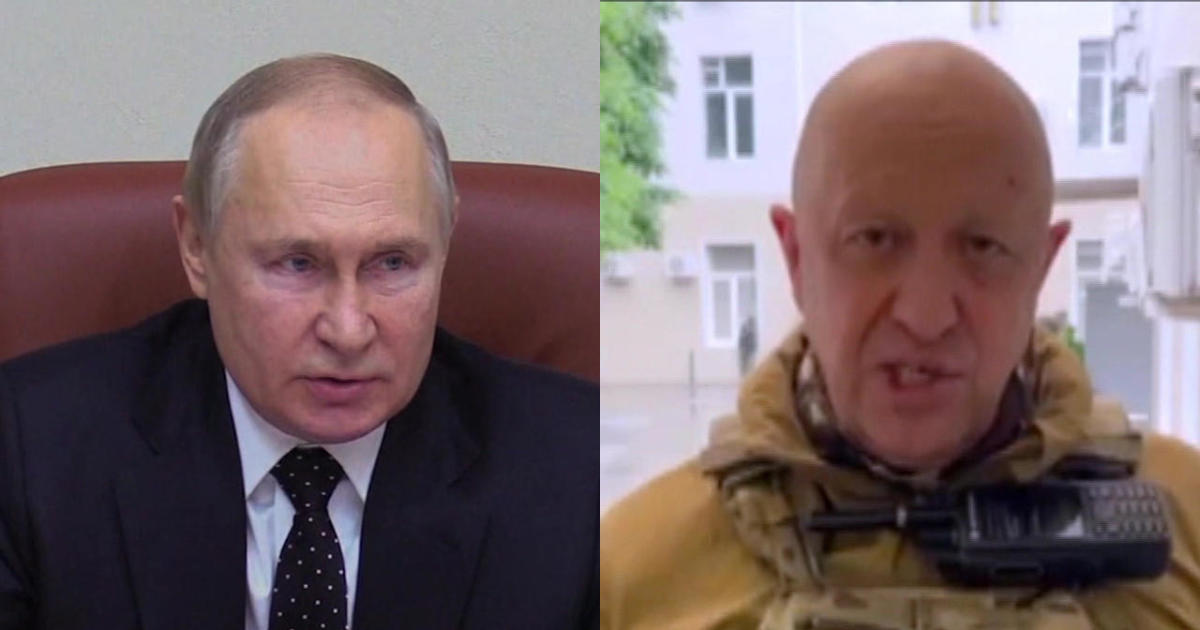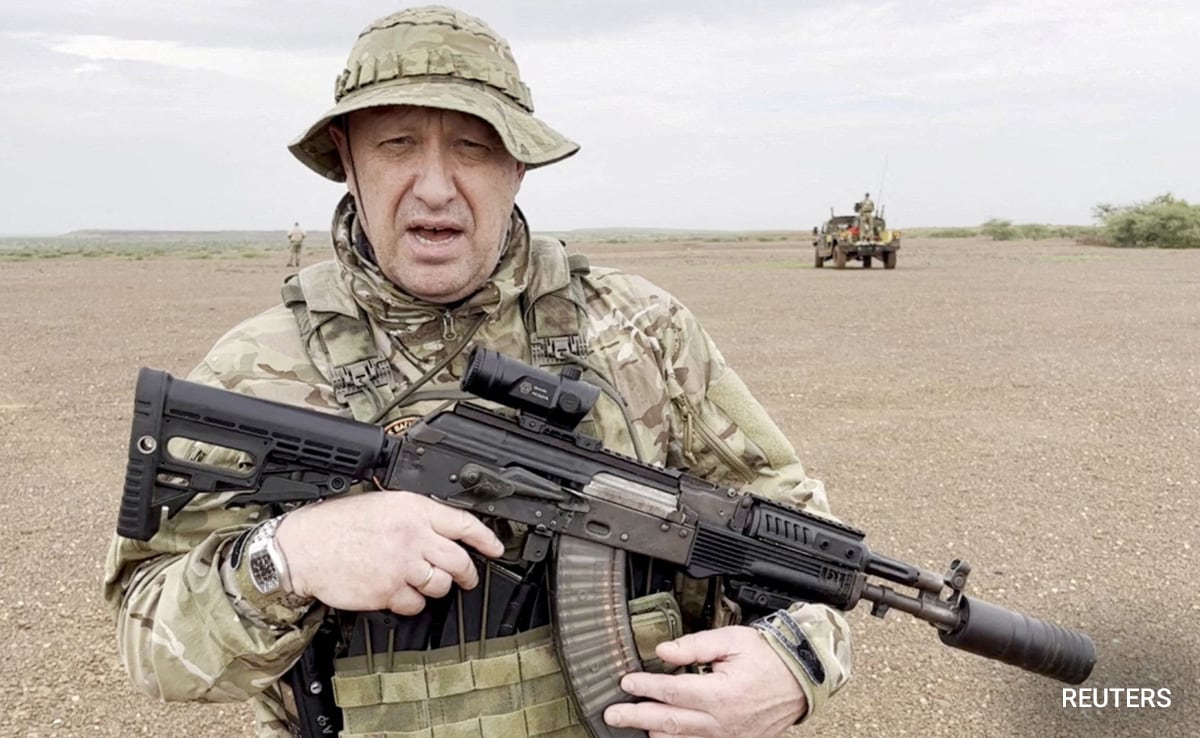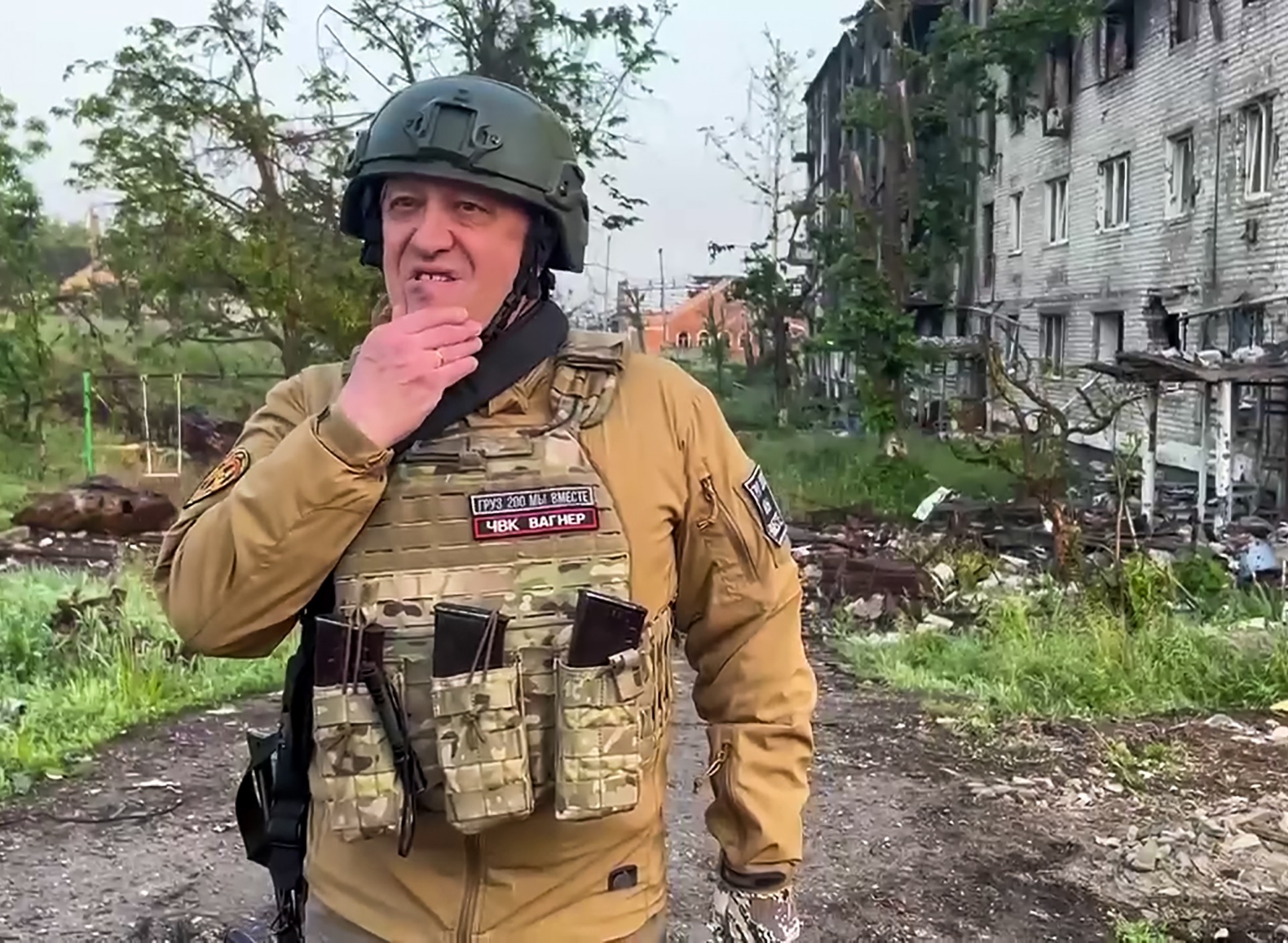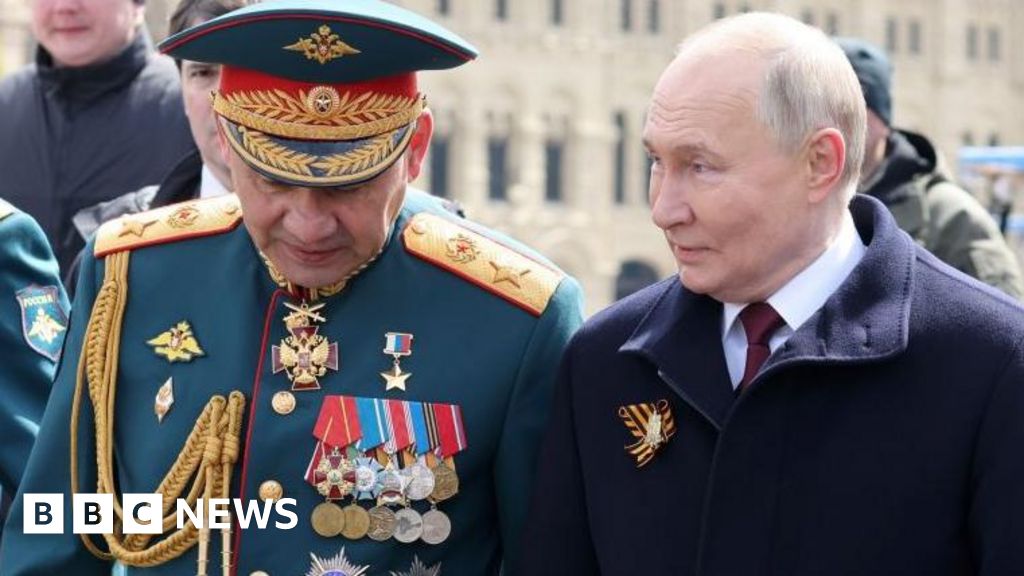
Russian President Vladimir Putin has initiated a significant purge within the military, arresting several high-ranking officials on corruption charges. This move follows the public criticism and failed mutiny led by Wagner Group's Yevgeny Prigozhin, who had accused military leaders of incompetence and corruption. The recent reshuffle, including the replacement of long-time Defence Minister Sergei Shoigu, aims to boost efficiency and tackle corruption within the Russian military.
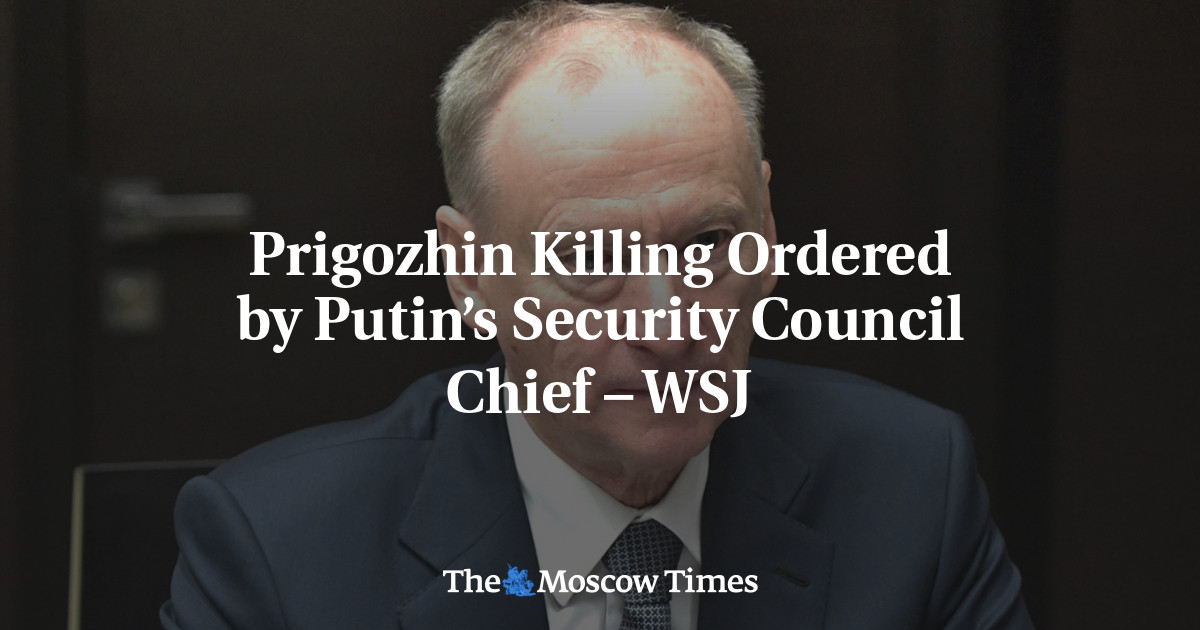
Western intelligence agencies and a Russian intelligence officer have claimed that Yevgeny Prigozhin, the leader of the Wagner mercenary group, was killed in a plane crash ordered by Nikolai Patrushev, the chief of Russia's Security Council and a close ally of President Vladimir Putin. Patrushev allegedly warned Putin about Prigozhin's growing dissent against Russia's military leadership, leading to his sidelining. Prigozhin declared a mutiny against Defense Minister Sergei Shoigu and army chief Valery Gerasimov, but Patrushev organized negotiations to stop Wagner's advance. In August, Prigozhin died in a plane crash, believed to be caused by a small bomb placed under the wing. The Kremlin has denied any involvement in the deaths.
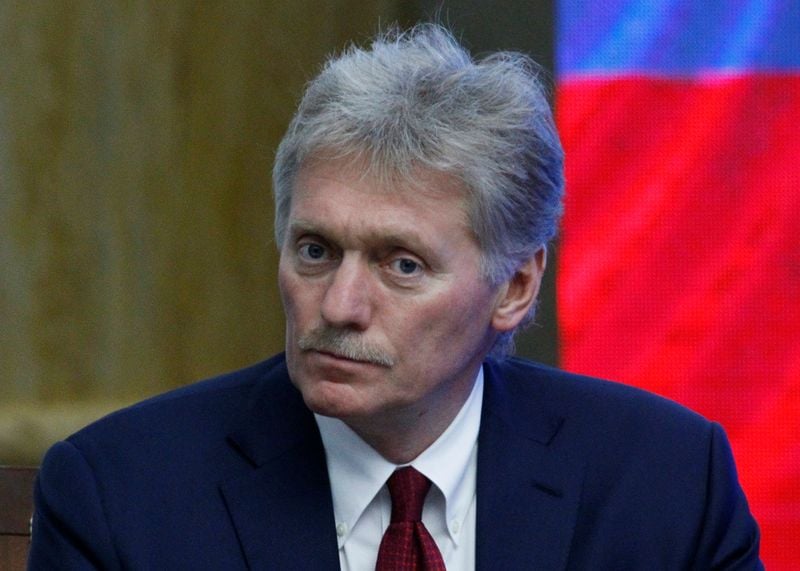
The Kremlin has dismissed a report by the Wall Street Journal claiming that the death of Yevgeny Prigozhin, the head of the Wagner mercenary group, in a plane crash was orchestrated by Russian security official Nikolai Patrushev. The report cited unnamed Western intelligence officials and a former Russian intelligence officer. Kremlin spokesman Dmitry Peskov criticized the Wall Street Journal for producing "pulp fiction" and declined to comment further. Prigozhin's death came two months after a mutiny within the Wagner group, which was seen as a challenge to President Vladimir Putin's authority. The Kremlin has previously denied any involvement in Prigozhin's death.
The Kremlin has dismissed a report by the Wall Street Journal claiming that the death of Yevgeny Prigozhin, the head of the Wagner mercenary group, in a plane crash was orchestrated by Russian security official Nikolai Patrushev. The report cited unnamed Western intelligence officials and a former Russian intelligence officer. Kremlin spokesman Dmitry Peskov criticized the Wall Street Journal for producing "pulp fiction" and refused to comment further on the matter. Prigozhin's death occurred two months after a mutiny within the Wagner group, which was seen as a challenge to President Vladimir Putin's authority. The Kremlin has previously denied any involvement in Prigozhin's death.
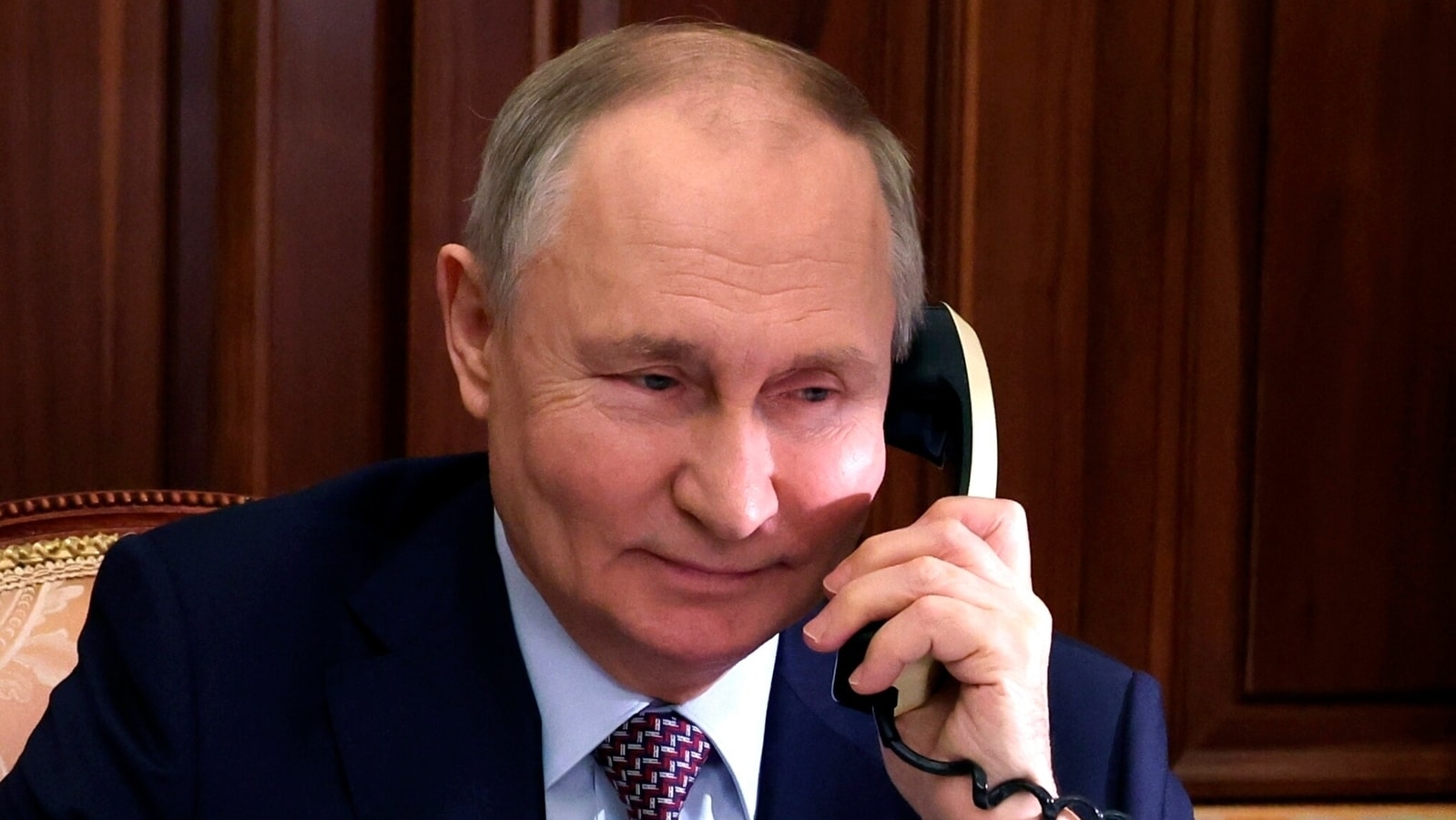
Russian President Vladimir Putin's right-hand man, Nikolai Patrushev, allegedly ordered the assassination of Yevgeny Prigozhin, the chief of the Wagner mercenary group, following a brief mutiny in Russia. Patrushev saw Prigozhin as a threat due to his open criticism of top Russian military officials and his growing power. Putin did not object to the order, according to the report. Prigozhin and other top Wagner commanders were killed in August when their plane exploded, with the report contradicting Putin's claim that the explosion was caused by mishandled grenades. The Kremlin dismissed the report as "pulp fiction."
The second year of the Russia-Ukraine War has seen unexpected developments, with Russia struggling to find allies and resources while Ukraine fails to make significant gains. Mercenary warlord Yevgeny Prigozhin clashed with Russia's military command, leading to a breakdown in command. Prigozhin's rebellion against Putin's authority ultimately ended with his surrender and exile. However, his story took a fatal turn when his private jet exploded, leading to accusations against Putin. Russia has faced challenges in maintaining the war effort without resorting to a national draft, while Ukraine's counteroffensive has not been successful, leading to attempts to assassinate Russian officials. The funding of the Ukrainian effort remains in question.
Yevgeny Prigozhin, the head of the Wagner Group mercenary army, died in a mysterious plane explosion. Other influential people who died in 2023 include former U.S. Secretary of State Henry Kissinger, former U.S. first lady Rosalynn Carter, singer Tina Turner, and various political figures, entertainers, and artists.
The year 2023 saw the passing of several influential figures, including Yevgeny Prigozhin, the head of the Wagner Group mercenary army, who died in a mysterious plane explosion. Other notable deaths include former U.S. Secretary of State Henry Kissinger, former U.S. first lady Rosalynn Carter, singer Tina Turner, and guitar virtuoso Jeff Beck. The list also includes politicians, entertainers, authors, and athletes from around the world.
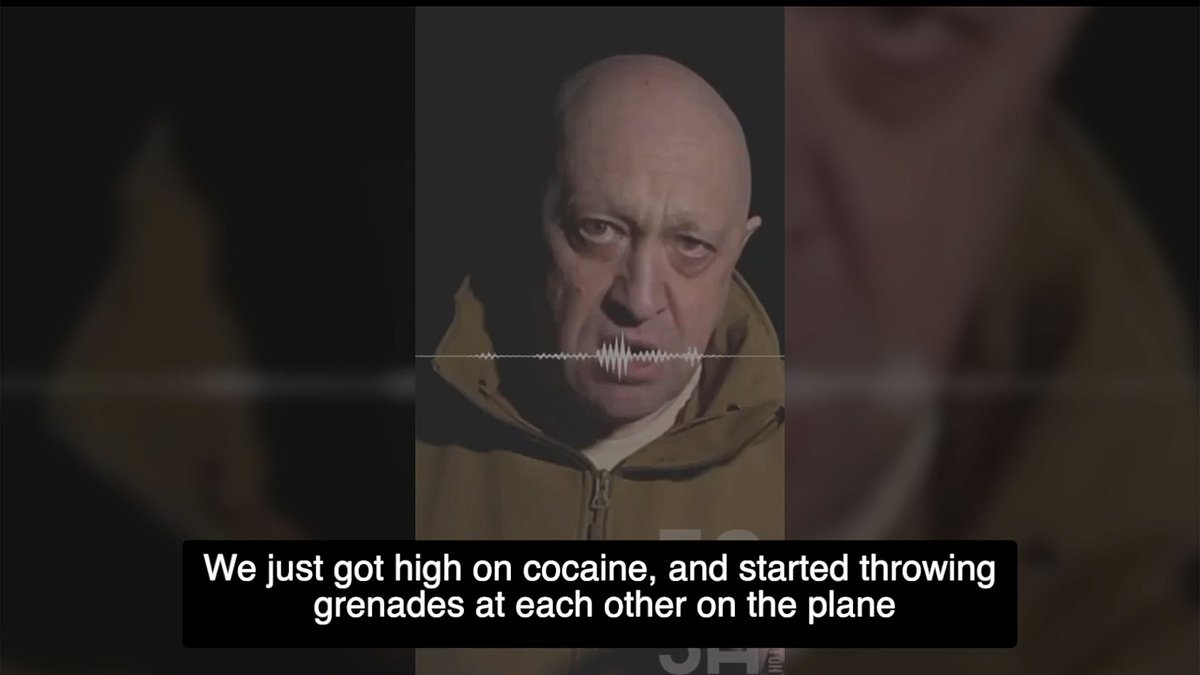
Russian President Vladimir Putin has faced backlash after suggesting that Yevgeny Prigozhin, the boss of private military company Wagner, and his associates were high on cocaine and killed themselves by detonating hand grenades aboard their jet. Putin's claims were met with incredulity, deepening the belief that Prigozhin was assassinated. Supporters of Prigozhin produced an AI-generated video of him posthumously mocking Putin. The explosion that killed Prigozhin and others was initially suspected to be an internal detonation, and allegations have been made that Putin was behind the attack. A Russian investigation is ongoing, but no findings have been released yet. Prigozhin's rebellion in June marked a significant challenge to Putin's rule.
Russian President Vladimir Putin revealed that explosive traces were found in the bodies of Yevgeny Prigozhin, the leader of the Wagner mercenary group, and his crew after their plane crashed in August. Putin criticized investigators for not conducting alcohol and drug tests on the victims and alleged that cocaine was found at the Wagner offices. The crash occurred two months after Prigozhin led a mutiny against Russia's military leadership. The investigation into the crash is ongoing, with all possible scenarios, including premeditated murder, being considered.
Russian President Vladimir Putin revealed that explosive traces, specifically fragments of hand grenades, were found in the bodies of Yevgeny Prigozhin, the leader of the Wagner mercenary group, and his crew after their plane crashed in August. Putin criticized investigators for not conducting alcohol and drug tests on the victims and alleged that five kilograms of cocaine were found at the Wagner offices. Prigozhin had led an armed rebellion against Moscow's military leadership in June, and the crash is being investigated for possible foul play.
Russian President Vladimir Putin suggests that the plane crash that killed Yevgeny Prigozhin, the head of the Wagner mercenary force, was caused by hand grenades detonated inside the aircraft, rather than being shot down by a missile. Putin claims that fragments of hand grenades were found in the bodies of those killed in the crash and dismisses claims by US officials. He also criticizes investigators for not conducting alcohol and drug tests on the crash victims. Putin further alleges that searches of Wagner's offices turned up large amounts of cash and cocaine. The fate of Wagner remains uncertain following Prigozhin's death.
Russian President Vladimir Putin has claimed that the plane crash that killed Yevgeny Prigozhin, the boss of the Wagner mercenary group, was caused by hand grenades detonating inside the aircraft. Putin suggested that Prigozhin may have been on drugs and implied that alcohol and drugs could have played a role in the crash. Contradicting reports by western intelligence services, Putin stated that there was no external impact on the plane. He also mentioned that no examination was carried out to determine the presence of alcohol or drugs in the victims' blood. Putin described Russia's experience with Wagner as "clumsy" and stated that the group was not based on Russian law.
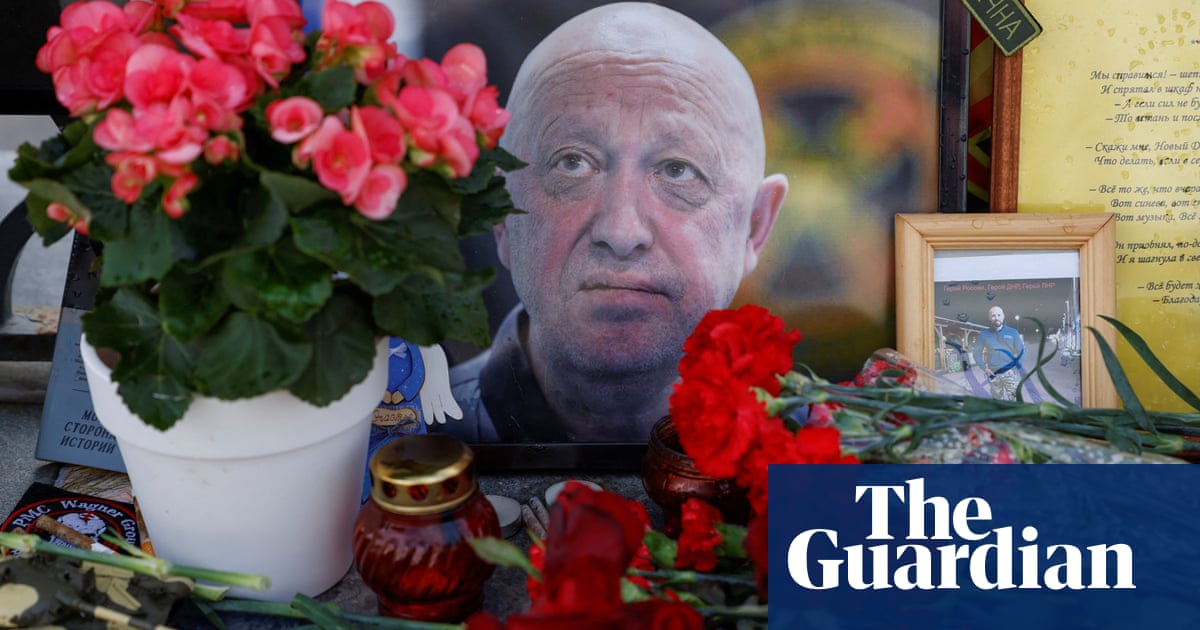
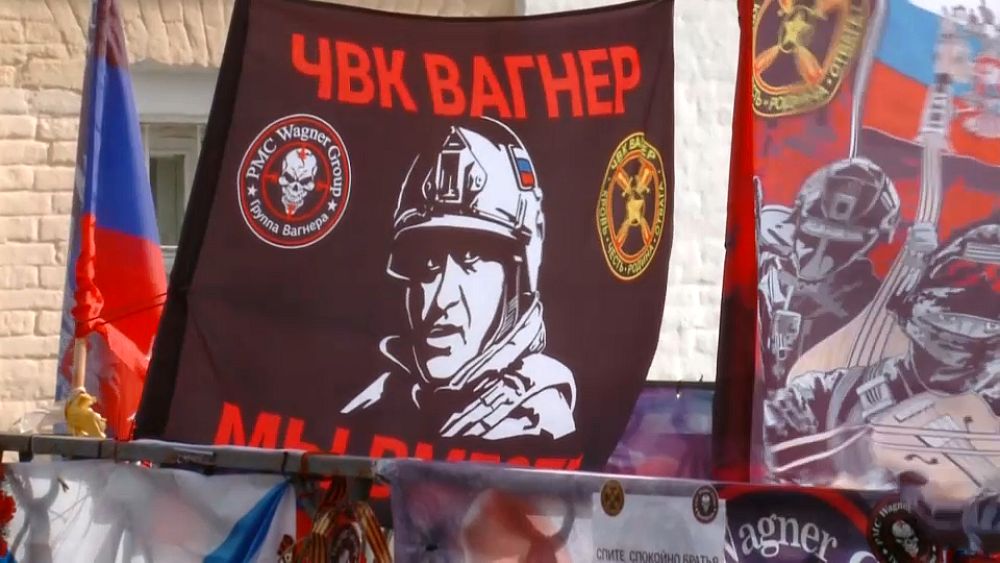
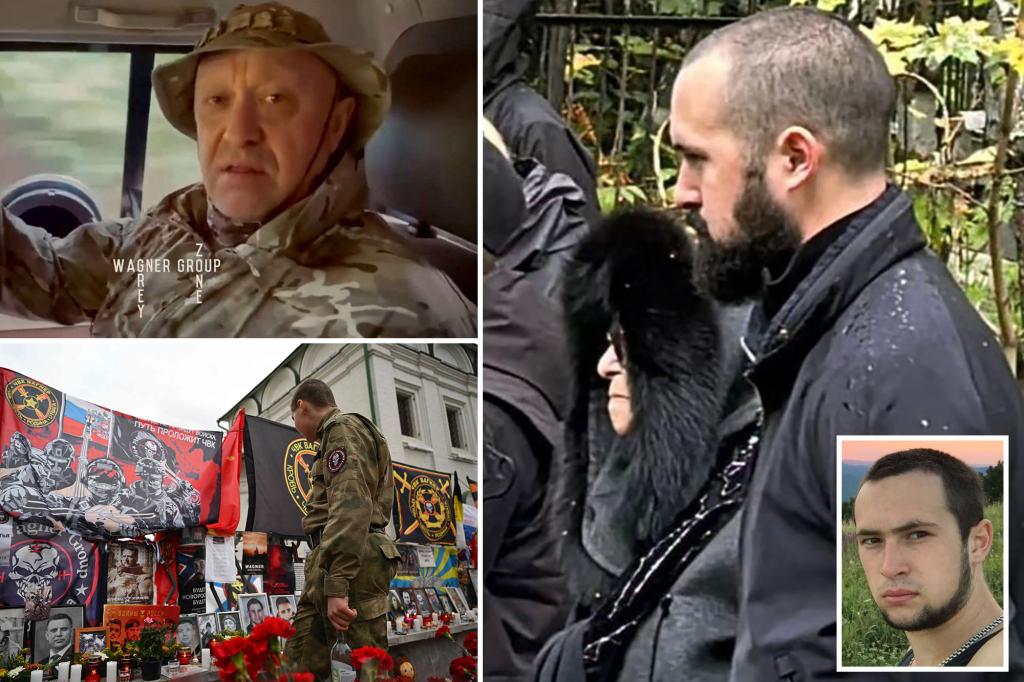
Dozens of Russians, including family members and former fighters, have held memorial services for Yevgeny Prigozhin, the chief of the Wagner mercenary group, who died in a plane crash. Prigozhin, hailed as a hero, led a failed mutiny in Moscow before the crash, which also claimed the lives of two other top Wagner commanders, his four bodyguards, and the plane's three crew members. The cause of the crash remains unknown.
Yevgeny Prigozhin, the late Russian warlord and leader of the Wagner Group, reportedly left most of his fortune, including the private army, to his 25-year-old son Pavel. A document that appeared to be Yevgeny's will indicated that Pavel would inherit around $120 million, a house, joint stock companies, and shares in his father's catering firm. The will also requires Pavel to provide for his extended family and would split the fortune among other family members in the event of Pavel's death. Pavel's new influence over the Wagner Group comes as the group lacks a clear unified leader, with Russian President Vladimir Putin recently endorsing another former commander for a leadership position. Yevgeny Prigozhin died in a plane crash under suspicious circumstances in August, two months after leading a failed mutiny against Russian military brass.