Yellow won the postgame Gatorade shower at Super Bowl 2026, defying odds and tempering some bettors who favored blue or orange, with the reveal arriving earlier than some expected.
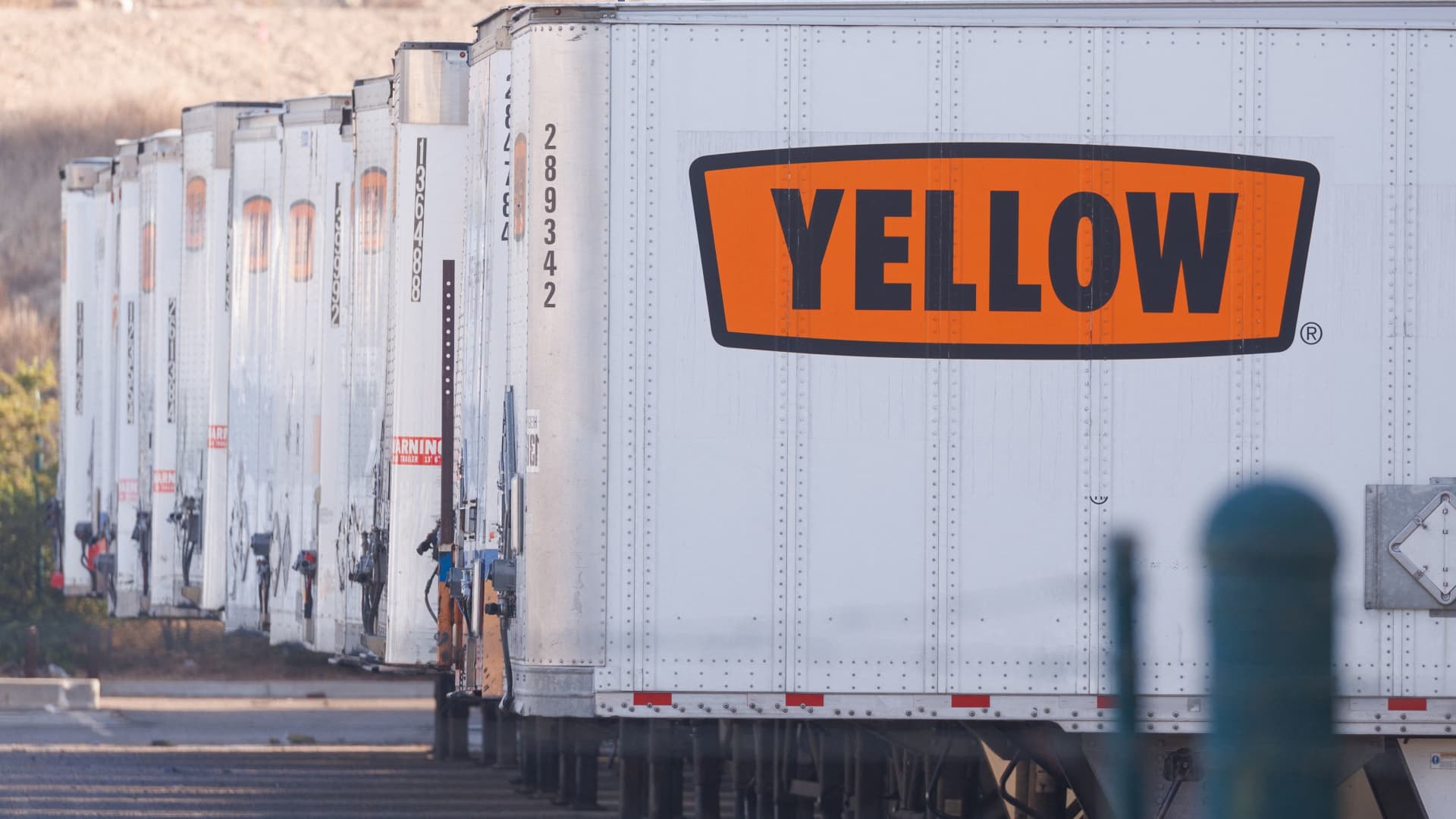
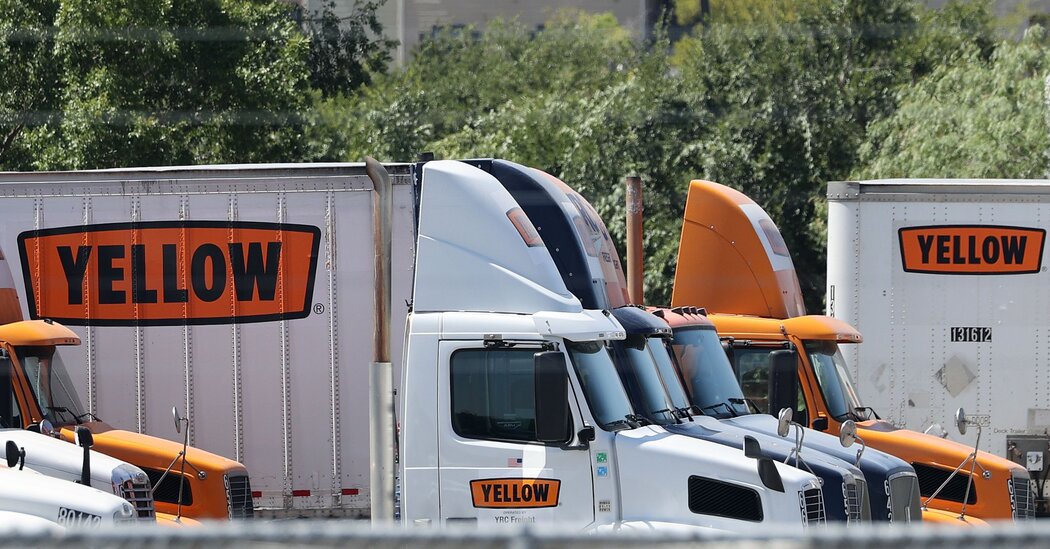
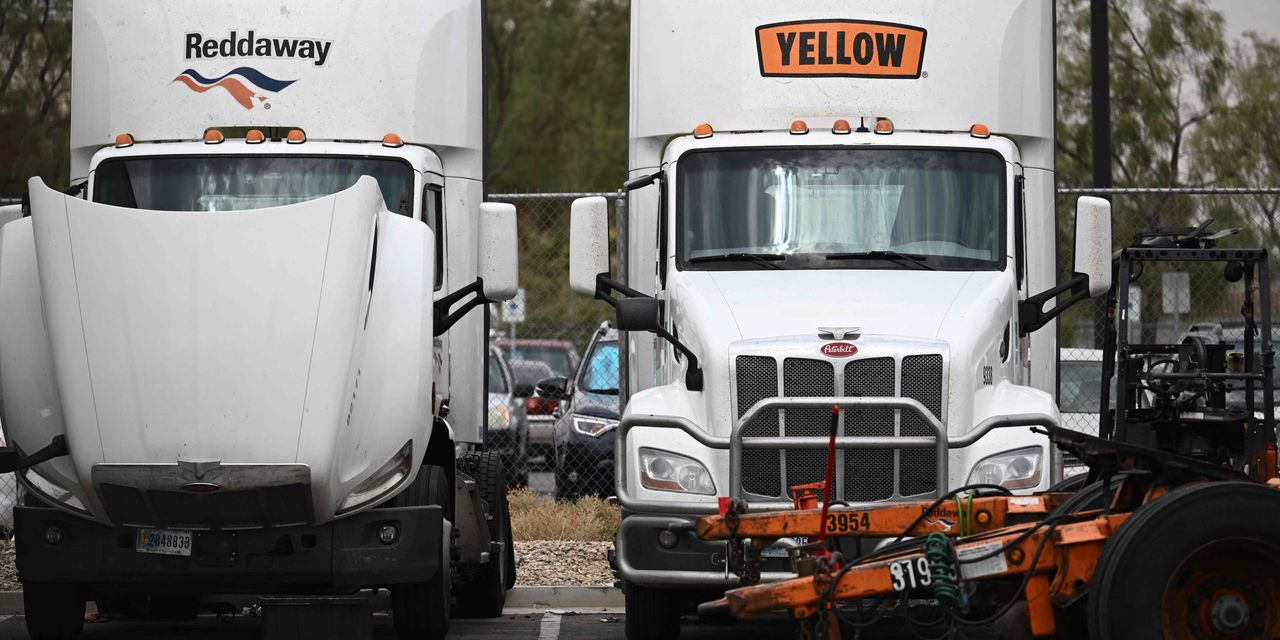
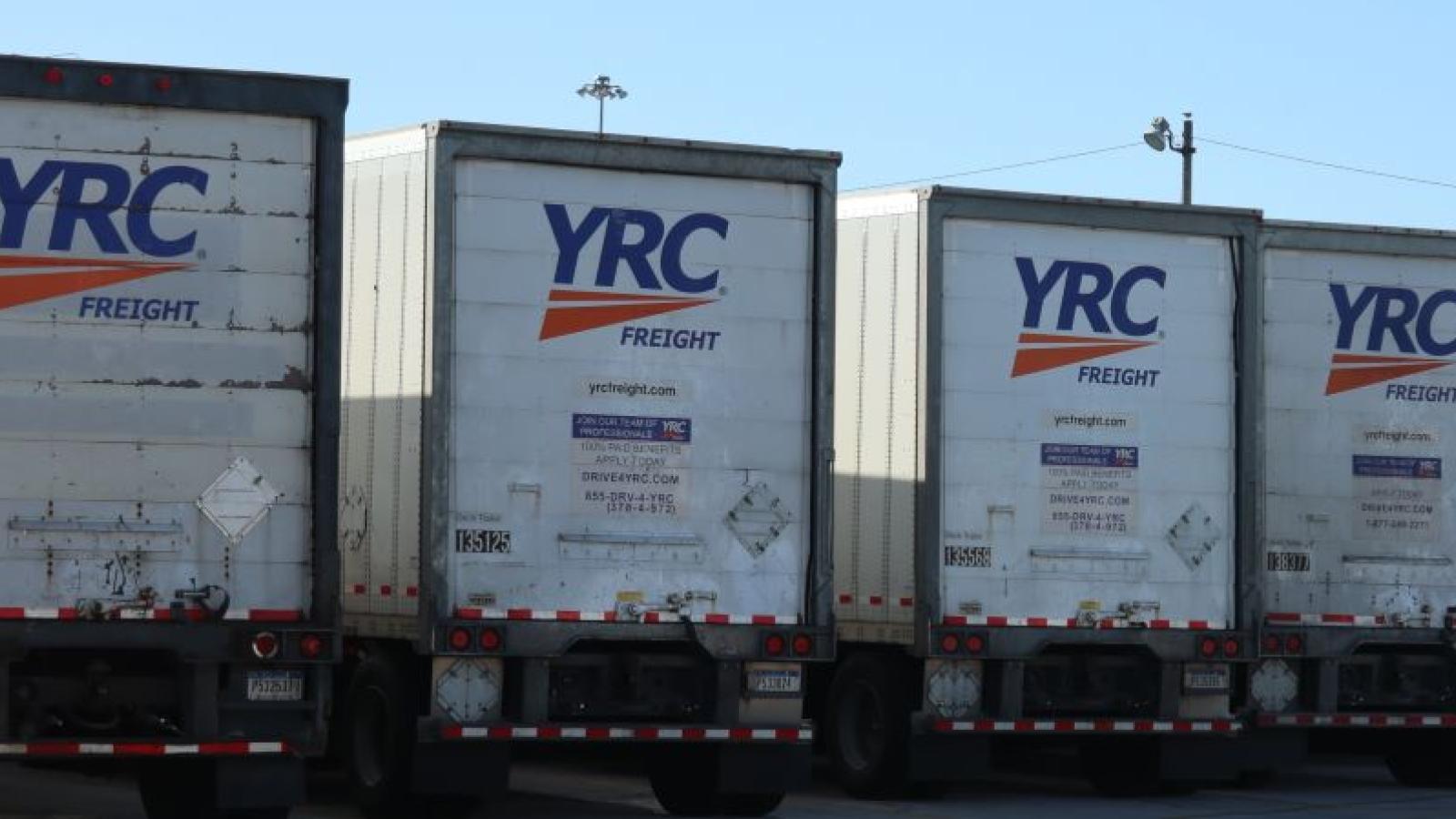
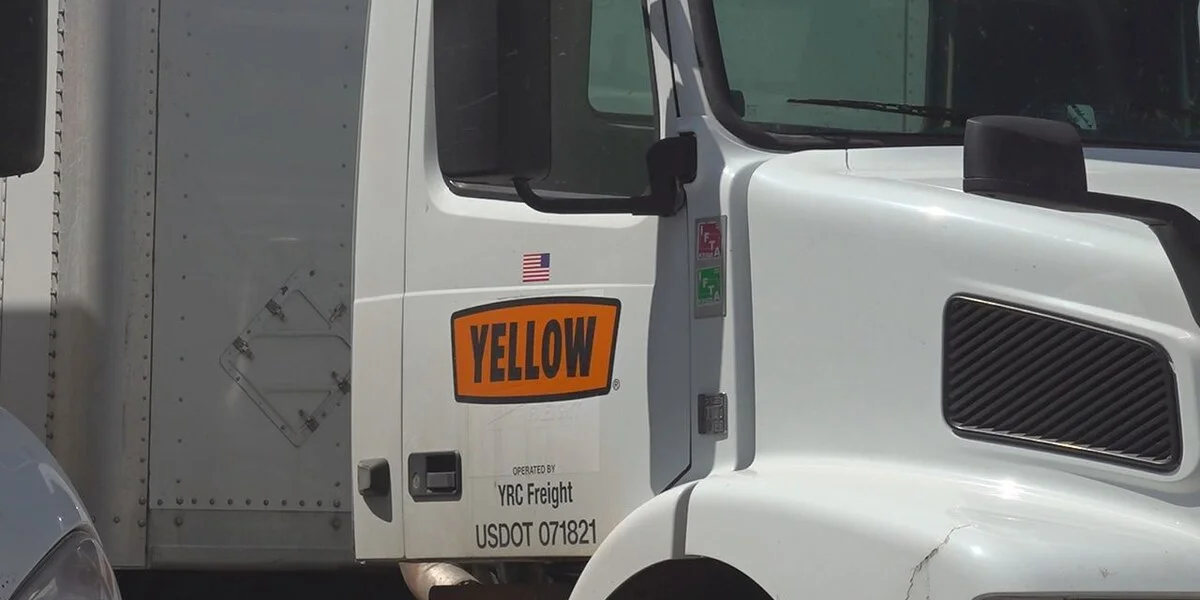
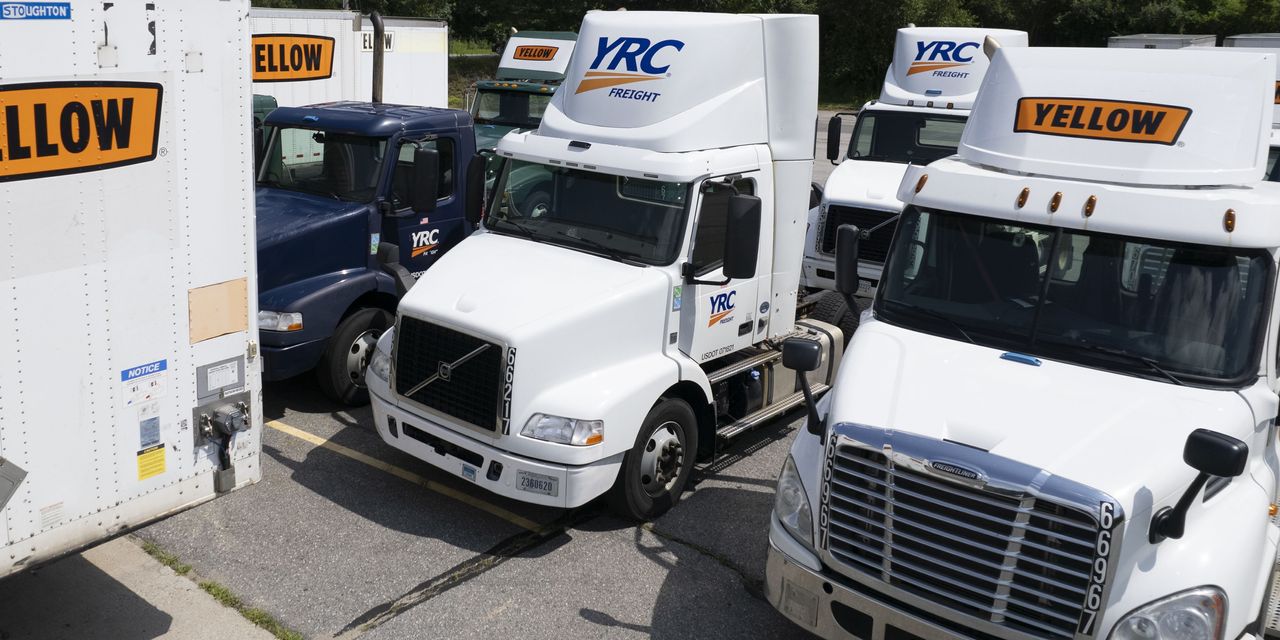
A group of investors led by trucking executive Sarah Riggs Amico is attempting to salvage bankrupt trucking giant Yellow (formerly YRC) with a billion-dollar bid, but executives from the company have turned down the offer. The investors are hoping that the courts and the Treasury Department will allow them to prevail, but the Treasury Department has stated that the $700 million CARES Act loan cannot be modified. A bipartisan group of senators has supported efforts to save Yellow and its 30,000 jobs. Yellow's closure has disrupted the lives of truckers and left a void in the economy, but experts say the impact on the industry has been minimal. The less-than-truckload (LTL) market, which Yellow operated in, has seen increased rates since Yellow's closure, but overall, the market has been able to absorb the loss. Amico and her investors face challenges in navigating auctions, regulations, and obtaining court and government approval for their rescue package.
Yellow, the bankrupt trucking company, has rejected a bid by a trucking executive to buy and restructure the business, stating that the bid was "not viable" and lacked support from creditors, including the Treasury Department. Yellow's management plans to proceed with its own bankruptcy plan, which involves selling off assets to different buyers. The bid, led by Sarah Riggs Amico, had the backing of the International Brotherhood of Teamsters but required support from major creditors. Analysts believe reviving Yellow may be challenging due to customer shifts and many former employees finding jobs elsewhere.
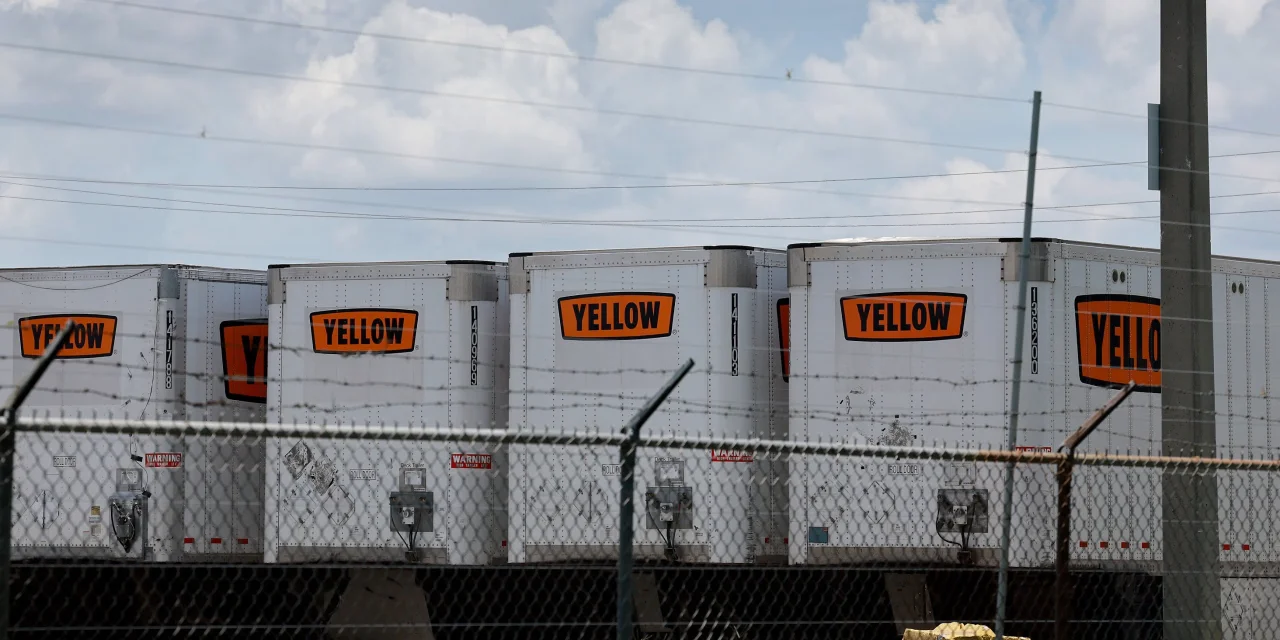
Yellow, one of the largest freight carriers in the US, has rejected an offer to revive the bankrupt trucking company and rehire former workers, effectively ending the attempt to reverse its collapse. Lawyers for Yellow stated that the bid was not viable, and the company is proceeding with the sale of approximately 130 truck terminals, which raised nearly $1.9 billion at a bankruptcy auction.
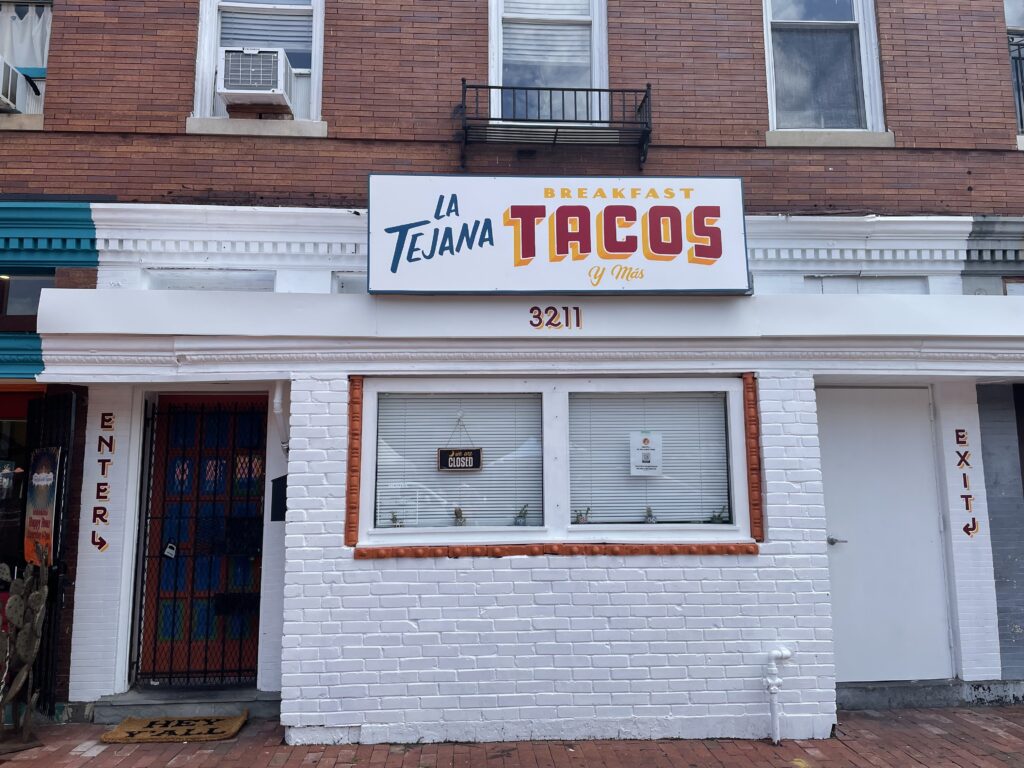
Michelin has announced two new additions to its "Bib Gourmand" category for D.C. restaurants: La Tejana, a Tex-Mex taco spot in Mt. Pleasant, and Yellow, a Levantine cafe with multiple locations. The Bib Gourmand category recognizes affordable dining options, with meals typically costing around $40 for two courses. These new additions bring the total number of Bib Gourmand-designated restaurants in D.C. to 36. The full 2023 Michelin Guide for D.C. is set to be released next week.
The MICHELIN Guide has announced two new Bib Gourmand restaurants in Washington, D.C.: La Tejana, offering Mexican cuisine with delicious breakfast tacos, and Yellow, a Middle Eastern concept known for its Levantine cooking and wood-burning oven. These restaurants provide good quality meals at a good value.
Trucking company Yellow has declared bankruptcy, resulting in the layoff of nearly 200 workers in Iowa, with the largest impact in central Iowa. The layoffs include 92 workers in West Des Moines, 49 in Des Moines, and 30 in Council Bluffs, as well as one person each in Cedar Rapids and Peosta.
Sean O'Brien, president of the International Brotherhood of Teamsters, is being criticized for his leadership after a negotiating strategy led to the closure of trucking company Yellow and the unemployment of thousands of workers. O'Brien's refusal to compromise with Yellow resulted in the company filing for bankruptcy, leaving 30,000 people, including 22,000 Teamsters, without jobs. While O'Brien blames Yellow for the situation, Wall Street is benefiting from the liquidation process, with hedge funds and restructuring firms profiting from the sale of Yellow's assets. Critics argue that O'Brien's actions have harmed his members and allowed non-union competitors to expand.
Former employees of Yellow, a trucking company that recently filed for bankruptcy, have reported not receiving their final paychecks and having their vacation time payments in limbo. Yellow, which laid off most of its staff of 30,000 employees, blamed the Teamsters union for the company's closure and accused them of refusing to negotiate. The Teamsters, on the other hand, stated that Yellow abandoned its workforce and pledged to support its members through the bankruptcy proceedings. Yellow has filed for $92.9 million to pay outstanding vacation time, but it remains unclear how much will go to recently laid-off employees.
Stock futures are trading higher as Wall Street focuses on U.S. inflation data and its potential impact on the Federal Reserve's interest rate decisions. Some of the stocks that are moving the most today include Berkshire Hathaway, Yellow, Lucid, Fortinet, Palantir, and Disney.
The shutdown of trucking giant Yellow could potentially cost taxpayers money due to the company's participation in a federal loan program that guarantees loans to small businesses. If Yellow defaults on its loans, the government may have to step in and cover the losses, potentially burdening taxpayers.
U.S. trucking company Yellow, formerly known as YRC Worldwide, has ceased operations and plans to file for bankruptcy after failing to reorganize and refinance its over $1 billion debt. The Teamsters Union, representing 22,000 workers, accused Yellow of mismanagement despite worker concessions and government bailout funding. Yellow, a major player in the less-than-truckload segment, had customers including Walmart and Home Depot. The closure has raised concerns about potential disruptions to cargo shipments.
U.S. trucking company Yellow has ceased all operations and is reportedly preparing to file for bankruptcy, according to notices sent to customers and employees. The Nashville-based company had recently averted a strike by paying off worker benefits and pension accruals, but has now shut down and laid off a significant number of workers. Yellow is also exploring options to divest its third-party logistics company, Yellow Logistics Inc.
Yellow, a major trucking company, is on the verge of collapse due to financial troubles. The company has been struggling with declining revenue, high debt levels, and fierce competition within the trucking industry. Yellow's precarious situation highlights the challenges faced by traditional trucking companies in an increasingly competitive and disrupted market.