Twenty-six new sites have been added to UNESCO's World Heritage List, including locations like Orango National Park in Guinea-Bissau, historic sites in Germany and Jamaica, and memorials in Cambodia, highlighting their cultural and natural significance. The list now totals 1,248 sites worldwide, with countries committing to their preservation and potentially receiving funding for conservation efforts.

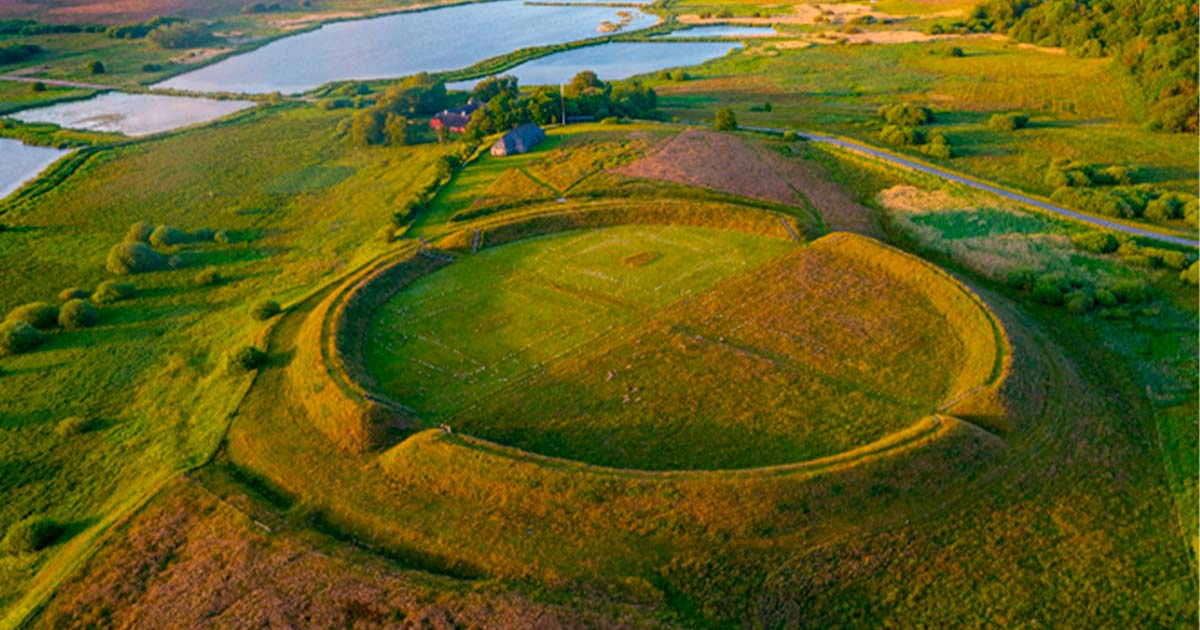
UNESCO has added new sites to its World Heritage list, including Bavaria's fairy tale castles, the Carnac Megaliths in France, Minoan Palaces in Crete, and sites related to Cambodia's Khmer Rouge regime, highlighting their cultural and historical significance while emphasizing the importance of sustainable tourism management.
UNESCO has added over 40 new sites to its prestigious World Heritage List, bringing the total number of protected locations to 1,100. The additions include iconic sites such as Machu Picchu, the Great Barrier Reef, and the ancient center of Rome. The new sites comprise 33 archaeological sites and 9 natural areas of outstanding beauty, representing a diverse range of cultures and landscapes. To be included on the list, a site must demonstrate "outstanding universal value" and meet specific criteria set by UNESCO. The additions aim to preserve these cultural and natural wonders for future generations.
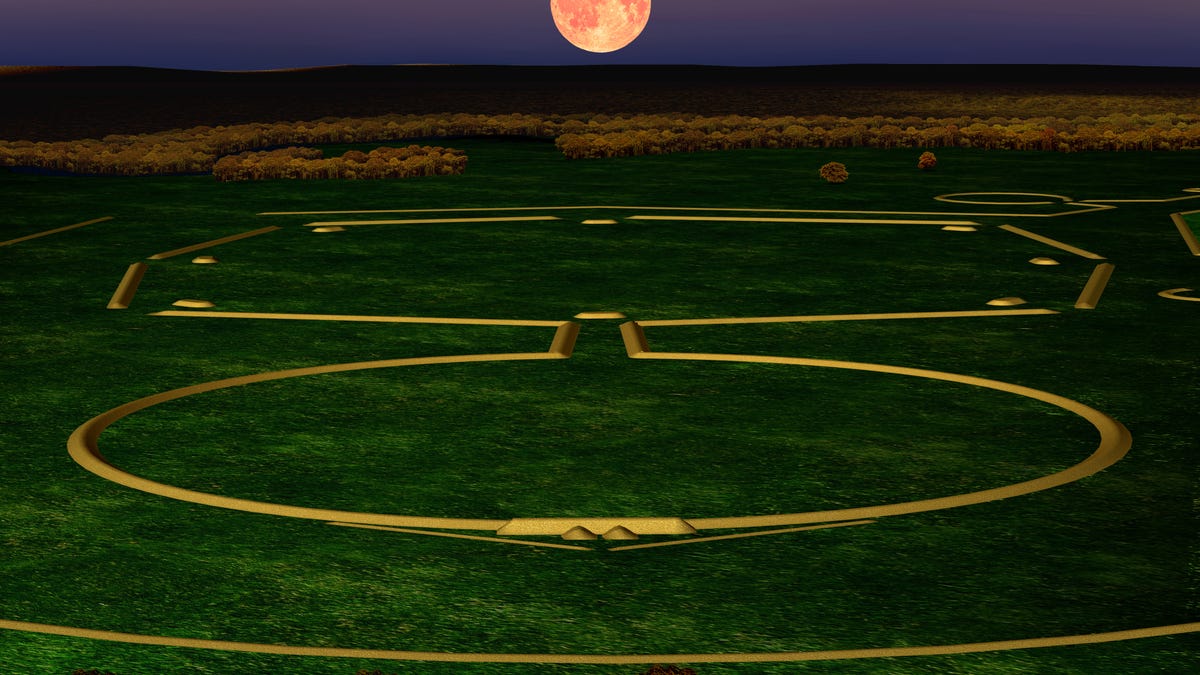
The Hopewell Ceremonial Earthworks, including the Octagon Earthworks and the Great Circle in Newark and Heath, have been recognized as a UNESCO World Heritage site, making it Ohio's first World Heritage site and the 25th in the United States. These ancient earthworks, built by ancient American Indian peoples between AD 1 and 400, are exceptional for their size, age, geometric precision, and astronomical alignments. The recognition will bring international attention to these cultural treasures and pave the way for public access and the transformation of the Octagon Earthworks into a public park.
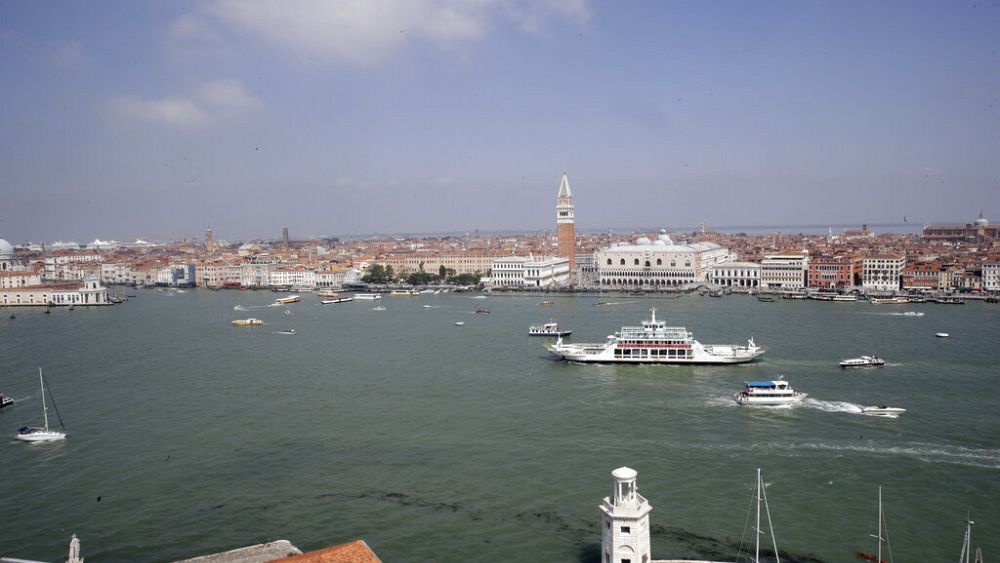
UNESCO has recommended that Venice and its lagoon be classified as "in danger" on its list of World Heritage Sites due to the city's vulnerability to climate change and the negative impact of mass tourism. The organization criticizes Italy for not taking sufficient measures to protect Venice and for a lack of strategic vision for its long-term preservation. Venice has been grappling with overtourism, with visitor numbers reaching unsustainable levels, and the city's plans to introduce a fee for day-trippers have faced objections. Italy's proposed corrective measures have been deemed insufficient by UNESCO.
The United States has requested to rejoin UNESCO, the United Nations Educational, Scientific and Cultural Organization, several years after exiting the body due to perceived anti-Israel bias and financial concerns. Congress agreed last year that the US could make financial contributions to UNESCO, and the group said in December that the country could return as a member, though the proposed plan must be approved by member states. This is not the first time the US has pulled out of UNESCO only to rejoin later.