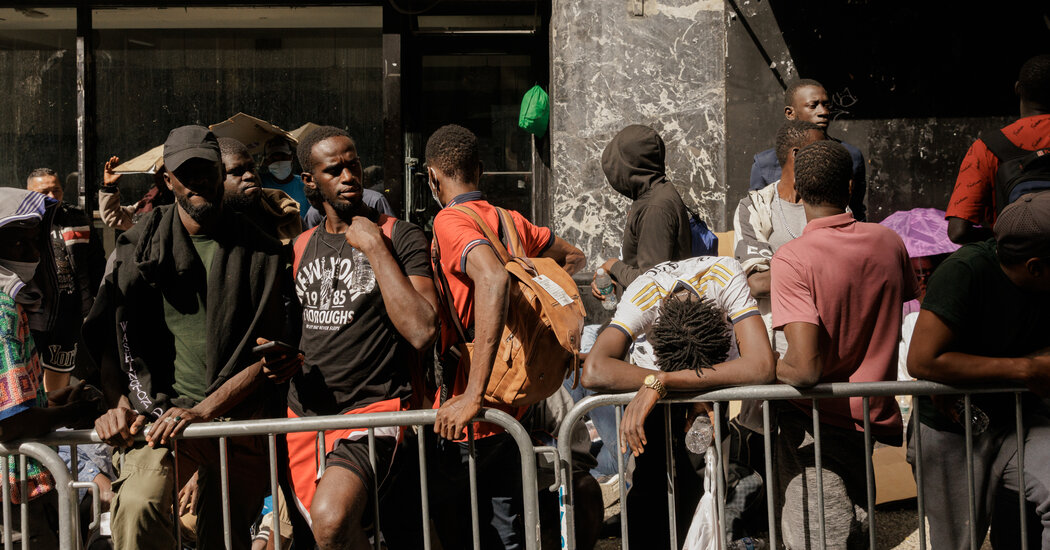
The Biden administration has ended the automatic renewal grace period for most work permits, which was extended to 540 days due to processing delays, potentially causing many immigrants to lose legal work status and face job loss, amid concerns about increased illegal employment and exploitation.
The Biden administration's DHS is ending the automatic 540-day extension for work permits of immigrants with pending renewals, citing security concerns, which could impact thousands of immigrants and their communities due to existing processing delays.
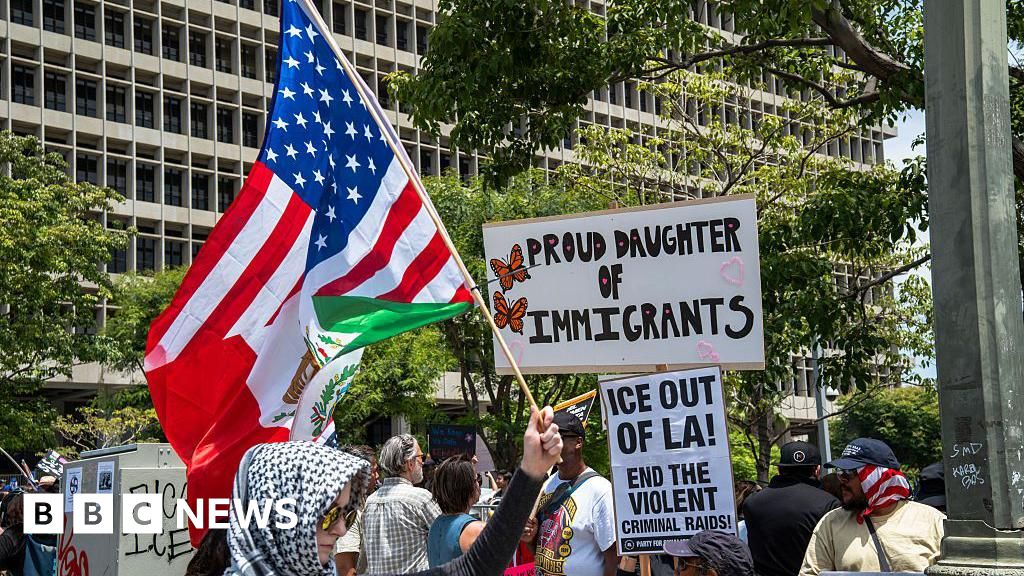
The US crackdown on immigration under President Trump is leading to significant workforce shortages in key industries, causing economic concerns and fears among immigrant workers about deportation and loss of work permits, which could slow economic growth and increase costs across sectors like healthcare, construction, and agriculture.
More than 13,000 migrants in Chicago are facing mass evictions from city-operated shelters as the city struggles to accommodate the influx of arrivals, particularly from Venezuela. Many migrants are worried about finding housing and work before the eviction deadline, with limited access to rental assistance and work permits. Advocates fear that some may end up homeless, as the city aims to make room for newly arrived migrants and conserve its budget. The lack of resources and support has left many migrants feeling hopeless about their dreams of starting a new life in the United States.
Nepal has suspended the issuance of work permits for its citizens to Russia and Ukraine after at least 10 Nepali soldiers, known for their historic service as Gurkhas, were killed while serving in the Russian army. The Nepali government has requested the return of all its citizens from the Russian military and compensation for the families of the deceased. The decision aims to protect Nepali citizens, with no official agreement for military service in Russia, unlike the existing ones with Britain and India. The suspension will remain until further notice, and it follows the detention of individuals in Nepal for allegedly recruiting youths illegally into the Russian army.
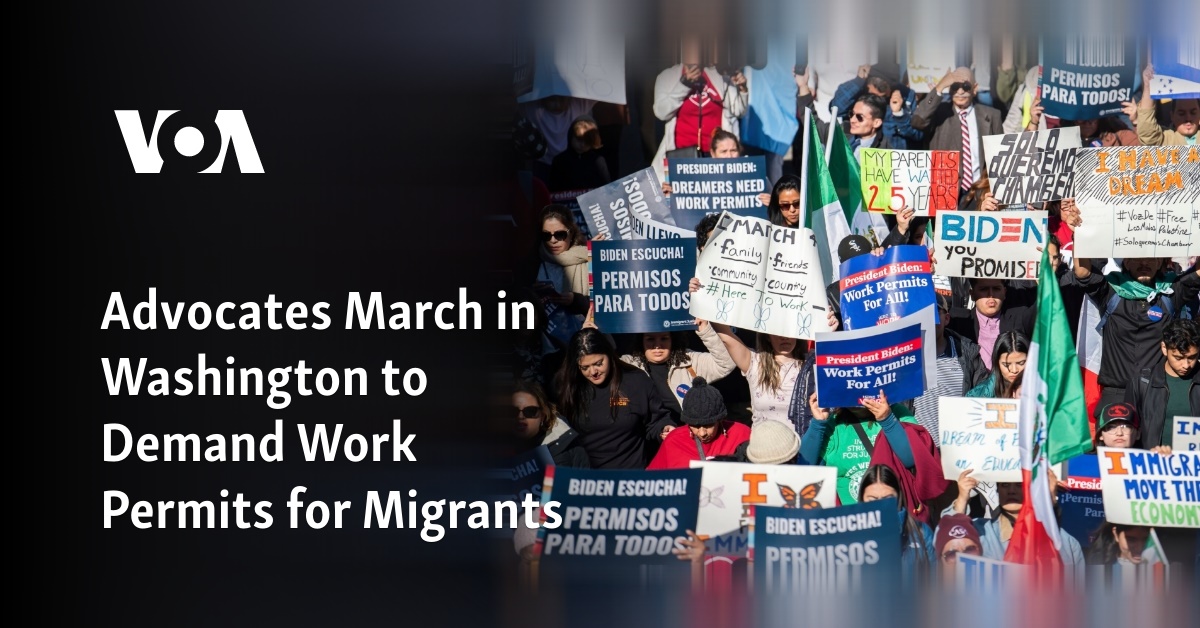
Hundreds of advocates marched in Washington, urging the Biden administration to extend work permits to undocumented immigrants living in the United States. The Here to Work Day of Action march called for immigrants who have been in the country for years to be allowed to apply for work permits, preventing family separation and providing a path to citizenship. The Biden administration has the power to expand work permits through humanitarian parole, Temporary Protected Status, and Deferred Enforced Departure. The U.S. Chamber of Commerce reports a labor shortage with 9.6 million job openings and only 6.4 million unemployed workers. Advocates also called for new TPS designations for countries like Mauritania and the Democratic Republic of Congo. Some Republican lawmakers are pushing for more restrictive immigration laws.
Thousands of people are expected to march in Washington, D.C., in support of long-term immigrant work rights. Organized by various migrant advocacy groups, the Here to Work Day of Action aims to urge President Joe Biden to extend work permits to long-term immigrants, provide parole and Temporary Protected Status to immigrants, and offer Deferred Enforced Departure for asylum-seekers. The march comes as labor shortages and workforce needs highlight the importance of granting work permits to immigrants who have lived in the United States for decades.
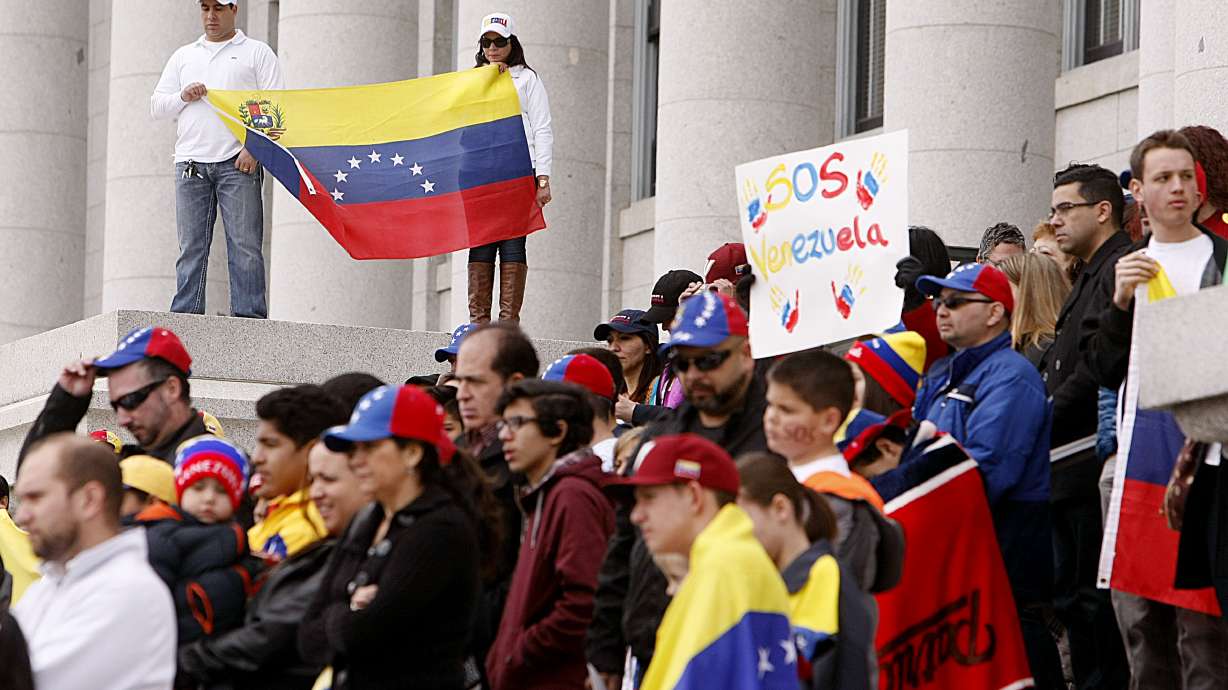
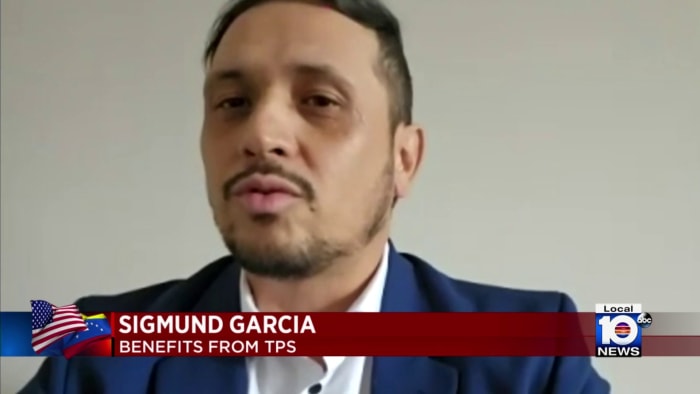
The Department of Homeland Security has extended Temporary Protected Status (TPS) to Venezuelan migrants in the U.S. who arrived by July 31, allowing them to legally live and work in the country. While Utah may not be a top destination for Venezuelans, thousands in the state are expected to benefit from this program. Venezuelans are the fastest-growing Hispanic group in the U.S., with nearly 10,400 residing in Utah. The extension offers temporary relief, but frustrations remain over pending asylum cases and the lengthy wait for adjudication. Critics argue that the extension may encourage more Venezuelans to make the journey to the U.S., but experts clarify that TPS is not an invitation for new arrivals and is meant to help those already in the country. Temporary protected status is not a form of amnesty, and recipients must pursue separate immigration programs for permanent residency or citizenship.
New York officials have successfully lobbied for work permits for over 470,000 Venezuelan migrants, but it remains to be seen whether this decision will alleviate or worsen the migration crisis in New York and other cities.
The Department of Homeland Security (DHS) has announced that it will grant deportation protections and work permits to thousands of Afghan nationals who arrived in the last year, including those who crossed illegally at the southern border. This comes after a similar announcement was made for nationals from Venezuela. The DHS will extend and redesignate Afghanistan for Temporary Protected Status (TPS), which shields nationals from deportation and allows them to apply for work permits due to conditions in their home country. The move is based on the ongoing armed conflict in Afghanistan, where the Taliban has retaken control. The redesignation will open the program to new applicants who arrived between March 2022 and Wednesday, potentially benefiting up to 14,600 additional Afghans.
The U.S. Department of Homeland Security has granted Temporary Protected Status (TPS) to an additional 472,000 Venezuelans, allowing them to work legally in the country. This extension is in response to Venezuela's increased instability and lack of safety. The TPS provides relief to Venezuelans who fear deportation and helps alleviate the backlog in the immigration court system. The Biden administration is also addressing the growing number of Venezuelan asylum seekers at the U.S.-Mexico border and has allocated U.S. Department of Defense forces to support Homeland Security.
The United States will grant temporary deportation relief and work permits to approximately 472,000 Venezuelans already in the country, in response to increased instability and lack of safety in Venezuela. This move follows calls by Democrats to provide legal work access for newly arrived migrants. President Joe Biden, facing record illegal border crossings, has seen a rise in migrants fleeing economic and political turmoil in Venezuela. The expansion of protected status for Venezuelans is aimed at addressing strained local and state resources. The Pentagon will send 800 additional active-duty troops to the border, and the Biden administration will expand a program to rapidly process migrant families seeking asylum. Work permits for certain immigrants, including asylum-seekers, will be valid for five years.
The Biden administration has expanded temporary protected status (TPS) for Venezuela, allowing approximately 472,000 migrants to apply for work permits. This move comes after local leaders, including Governor Kathy Hochul and Mayor Eric Adams of New York City, urged the White House to grant TPS to migrants from troubled countries. The change is estimated to impact around 60,000 Venezuelans in New York, enabling them to contribute to the local economy. Business groups and immigration advocates have supported this expansion, emphasizing that it will help migrants find employment and move out of shelters. The TPS designation applies to individuals who arrived in the United States on or before July 31 and cannot safely return to their home country due to armed conflict, natural disasters, or other extraordinary conditions. While Biden can expand TPS unilaterally, further action to address the immigration crisis lies with Congress.

New York State is considering issuing work permits directly to asylum seekers in an effort to bypass the lengthy wait for permits at the federal level. This move would make New York the first state to openly challenge federal law and could escalate tensions between President Biden and Democratic leaders in New York. Lawmakers in Albany have introduced bills to create a state-level worker permit program, but the White House has pushed back, stating that work permits are a federal authority. The debate comes as New York City grapples with an estimated 59,000 migrants in city shelters, leading to concerns about strained resources and potential political and humanitarian consequences.
Many employers in New York, including both large and small businesses, are eager to hire recent asylum seekers to address the labor shortage they are experiencing. However, federal policy prohibits migrants from obtaining work permits until 180 days after filing an asylum application, leading to frustration and backlogs. Business leaders and politicians have called for expedited work permits, but Congress has shown reluctance to change the policy. The influx of asylum seekers has caused political tensions and divided leaders in New York. While some employers are willing to hire migrants, there are pockets of opposition due to personal and political reasons. The lack of work permits has pushed some recent asylum seekers to seek jobs in the underground economy, where they may face exploitation.