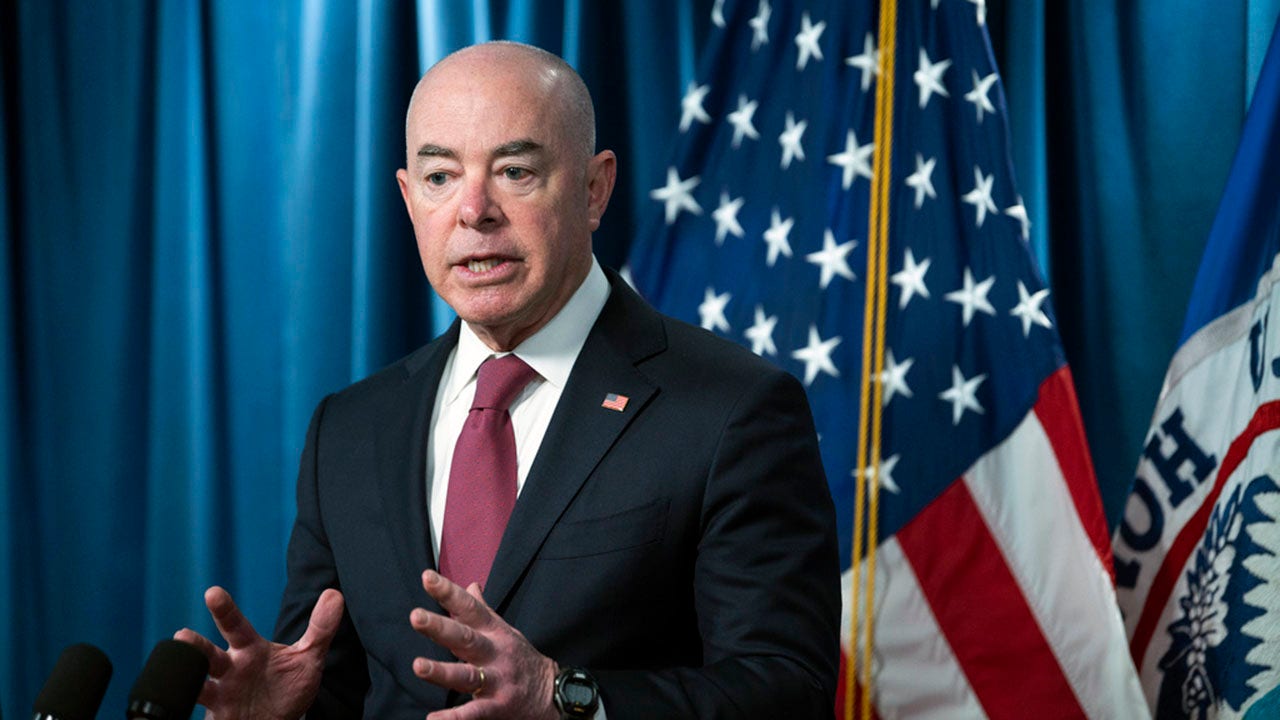
The Supreme Court has allowed the Trump administration to end deportation protections for 300,000 Venezuelans, a move opposed by some justices and challenged by migrants, impacting their ability to stay in the U.S.
The Trump administration has asked the Supreme Court to allow the termination of deportation protections (TPS) for Venezuelans in the U.S., challenging a lower court ruling that blocked this move. The case involves about 300,000 Venezuelans and is part of broader efforts to end TPS for multiple countries. The administration argues TPS was never meant to be indefinite, while opponents see the move as unlawful. The Supreme Court's decision will determine whether these protections are revoked during ongoing legal proceedings.
The Trump administration plans to end deportation protections for around 6,000 Syrians under the Temporary Protected Status program, citing improved conditions in Syria, though critics argue the situation remains unstable and that many Syrians face ongoing dangers. The decision marks a broader move to terminate temporary protections for various migrant groups, emphasizing a shift towards stricter immigration enforcement.
A federal appeals court has temporarily allowed the Trump administration to end deportation protections for over 60,000 people from Honduras, Nepal, and Nicaragua, after a lower court initially blocked the move. The decision is part of ongoing legal battles over the termination of Temporary Protected Status (TPS) for these countries, which provides temporary relief from deportation for individuals in unsafe conditions. The ruling leaves many migrants in uncertainty as the legal process continues.
A federal judge blocked the Trump administration from ending deportation protections for over 60,000 migrants from Nepal, Honduras, and Nicaragua, criticizing the administration's language as racist and xenophobic, and extending protections until at least mid-November to prevent wrongful removals and preserve family unity.
The U.S. Department of Homeland Security will end Temporary Protected Status for approximately 72,000 Hondurans and 4,000 Nicaraguans starting September 6, as part of efforts under President Trump to revoke legal protections for migrants, citing country recoveries and security concerns, despite opposition from advocates and some legal challenges.
A federal judge has blocked Kristi Noem from ending temporary protected status for Haitians, ruling her actions unlawful due to not following congressional procedures, thereby allowing Haitians to retain their work permits and deportation protections for now.
A New York federal judge ruled in favor of Haitians with Temporary Protected Status (TPS), restoring their original end date of February 2026 after the Trump administration attempted to cut it short by six months, citing unlawful authority and irreparable harm to the immigrants.
The Department of Homeland Security (DHS) has announced that it will grant deportation protections and work permits to thousands of Afghan nationals who arrived in the last year, including those who crossed illegally at the southern border. This comes after a similar announcement was made for nationals from Venezuela. The DHS will extend and redesignate Afghanistan for Temporary Protected Status (TPS), which shields nationals from deportation and allows them to apply for work permits due to conditions in their home country. The move is based on the ongoing armed conflict in Afghanistan, where the Taliban has retaken control. The redesignation will open the program to new applicants who arrived between March 2022 and Wednesday, potentially benefiting up to 14,600 additional Afghans.