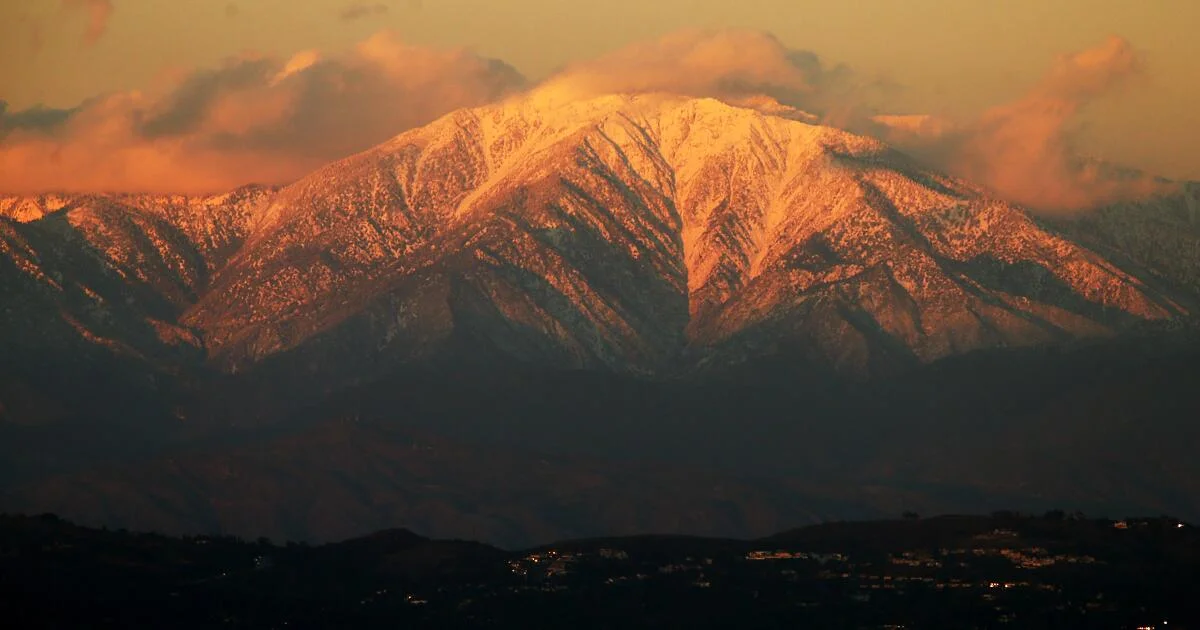
Three hikers, including a 19-year-old, died on Mt. Baldy after falls and accidents, highlighting the mountain's dangers, especially in winter conditions, and the importance of experience and proper equipment for safe hiking.
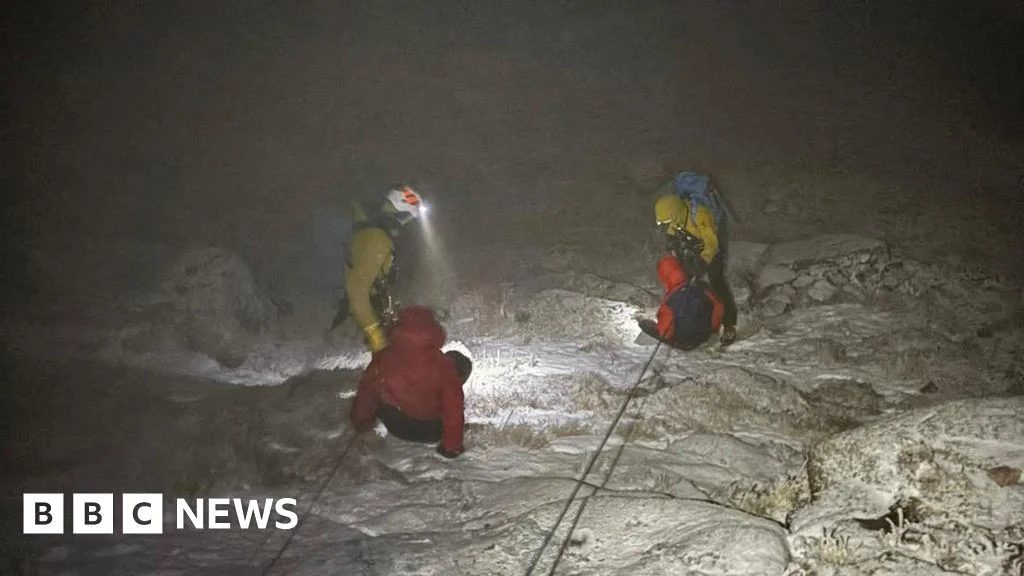
Two hillwalkers got stuck on a steep rock face in the Cairngorms due to winter conditions and were rescued by the mountain rescue team after being stranded for several hours, with a safe return by early morning.
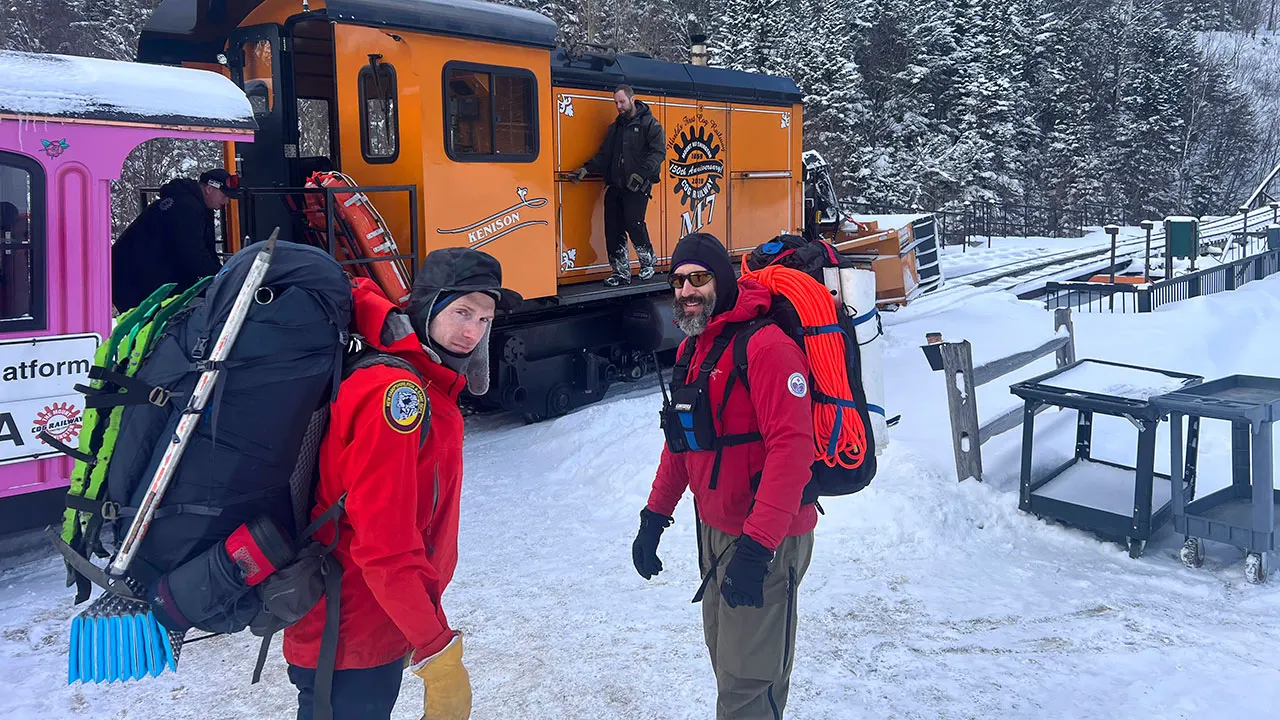
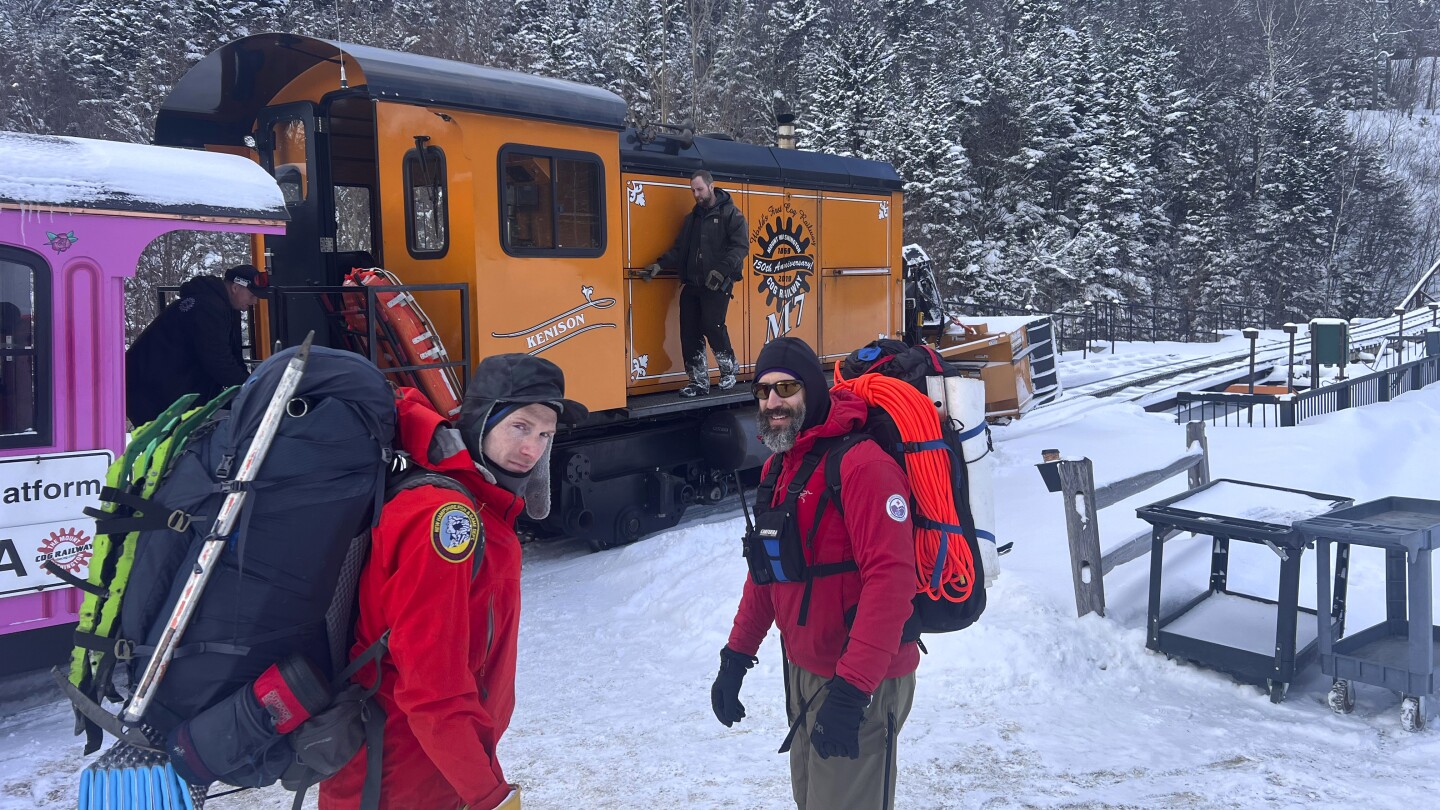
Hiker Cole Matthes was rescued from Mount Washington after making poor decisions and being underprepared for harsh winter conditions, leading to an 11-hour rescue operation. Matthes, who drifted off the trail and slid down a ravine, expressed gratitude and regret for the risky rescue. Despite declining an ambulance due to cost concerns, he is recovering from frostbite. New Hampshire Fish and Game criticized his lack of proper gear and decision-making, but have not yet decided on potential recovery of rescue costs.
Hiker Cole Matthes describes an 11-hour ordeal after falling on Mount Washington, admitting he was underprepared for the harsh winter conditions. Despite being rescued by a team of 11 men, Matthes declined an ambulance and drove himself to the hospital, where he is recovering from frostbite on his toes. New Hampshire Fish and Game criticized Matthes for his poor decisions and lack of proper gear, and is considering seeking rescue costs from him.
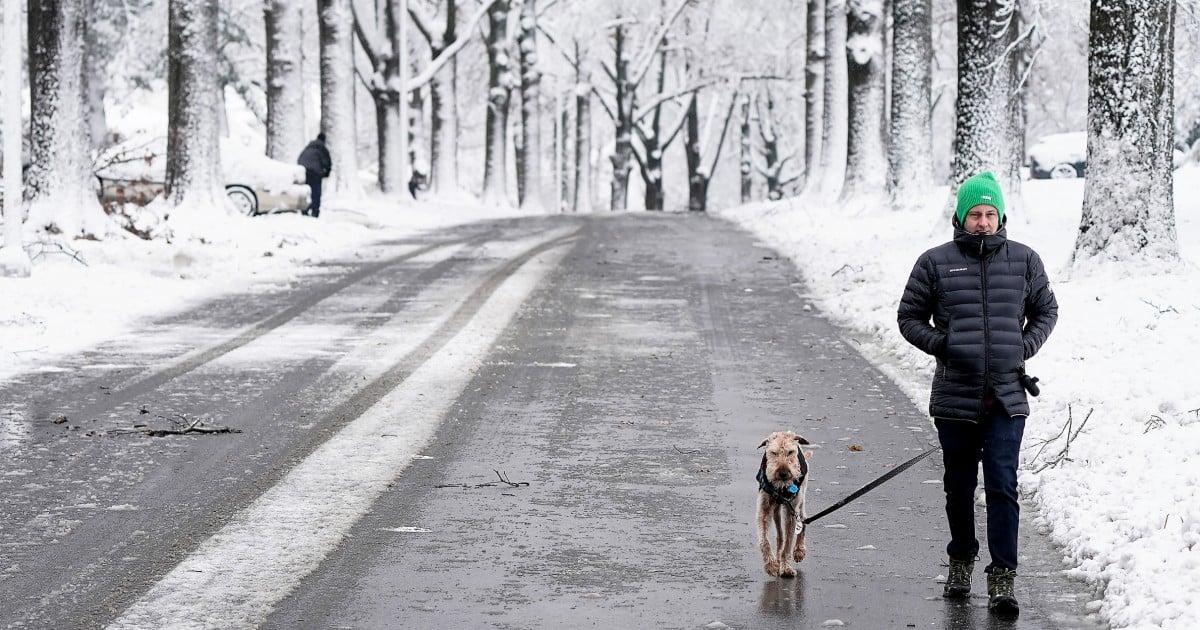
A "deep freeze" is moving through the Midwest and South, bringing freezing rain, sleet, and icy conditions. Tens of millions are enduring bone-chilling cold, with over 60 weather-related deaths reported. Temperatures are expected to warm up over the next week, but sub-freezing and sub-zero temperatures will persist in central Texas, northern Florida, and the upper Midwest. The National Weather Service warns of travel disruptions due to the winter conditions.
Several school districts in Baton Rouge and surrounding areas in Louisiana have announced closures and changes to remote learning due to the forecast of severe cold weather. Some schools will be closed on Tuesday, Jan. 16, with plans to resume normal operations on Wednesday, Jan. 17, while others will transition to at-home learning. The closures and changes are in response to freezing conditions and the potential for icy road conditions.
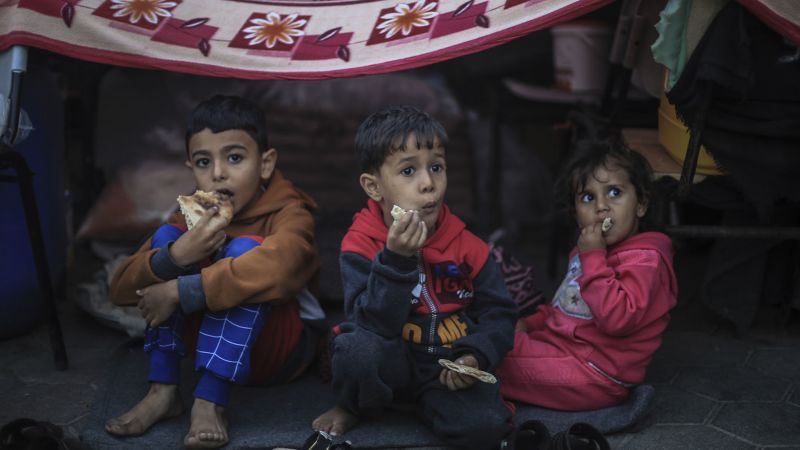
Displaced civilians in Gaza are facing dire living conditions as winter approaches, with limited access to warm clothing, food, fuel, and clean water. Overcrowded makeshift shelters are leading to outbreaks of disease, while the price of essential goods is skyrocketing. The ongoing conflict has forced many families to flee multiple times, leaving them without proper shelter or supplies. Aid workers warn of a catastrophic hunger crisis and a lack of medical supplies, putting vulnerable populations at risk. The international community is called upon to protect Palestinian lives and end the siege on Gaza.
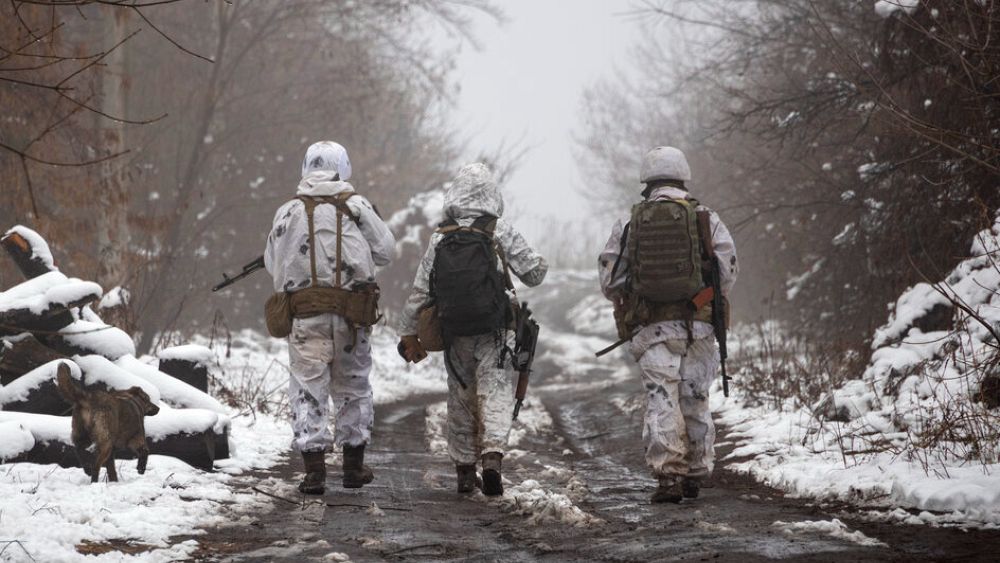
The bitter winter weather in Ukraine is posing challenges for soldiers and civilians in the ongoing war. Troops on both sides are dealing with rodent infestations in their trenches, while the freezing temperatures and lack of foliage make it difficult to hide and can lead to hypothermia. The muddy and slippery ground also hampers military advances. Additionally, the winter weather threatens the civilian population, as last year Russia targeted Ukrainian power plants to freeze them. Despite the difficulties, offensive operations are still possible, but the side that is best prepared will have the advantage.
Migrants in Chicago are battling freezing conditions as the city works to clear police stations and find housing for them. Despite efforts to move migrants out of the stations, there are still nearly 1,100 individuals remaining. The Harrison District, one of the few stations still housing migrants, has reported difficult conditions including freezing water, ice-covered tents, and limited access to the station. The city has offered to take migrants to warming centers during the day, but many are hesitant to leave for fear of missing an opportunity to be moved to a shelter. It remains unclear if officials will take action to address the situation.
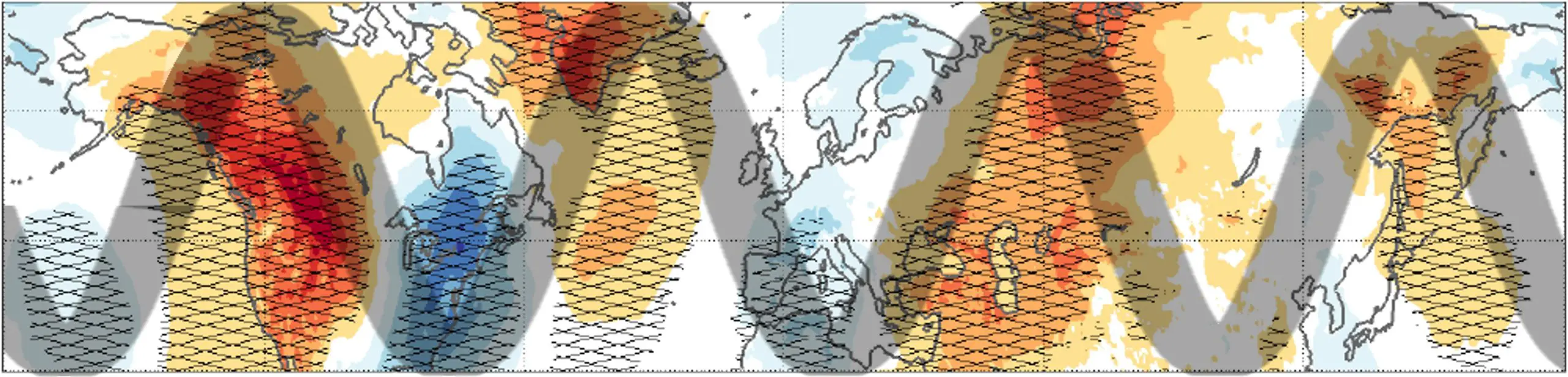
A new study published in the Bulletin of the American Meteorological Society suggests that shifts in the global jet stream are causing prolonged spells of extreme winter cold or wet conditions in North America and Europe. These patterns, known as wave-4 patterns, have doubled in frequency since the 1960s and often synchronize across the two continents, leading to significant disruptions. While winters are getting milder on average, the study highlights the increasing risk of extreme cold and wet weather events, which have already caused fatalities and paralyzed energy and transport systems. The exact mechanisms behind these patterns require further research, but scientists suspect a connection to changing oceanic conditions triggering a global chain reaction.