The U.S. House Committee on Oversight held a hearing revealing that Minnesota has suffered approximately $9 billion in taxpayer fraud, with allegations that Governor Walz and Attorney General Ellison ignored warnings, retaliated against whistleblowers, and failed to address widespread schemes, many linked to Minnesota's Somali community and overseas terrorist networks. Federal agencies are actively investigating and halting fraudulent activities, and lawmakers are calling for accountability and legislative reforms.
A federal judge blocked Trump's attempt to revoke the security clearance of attorney Mark Zaid, who represented whistleblowers, citing political retribution. The ruling prevents the enforcement of a presidential memorandum targeting Zaid and others, emphasizing judicial resistance to Trump's retribution tactics against political and legal adversaries.
A federal judge blocked the Trump administration from revoking security clearances of attorney Mark Zaid and 14 others, ruling the action was politically motivated retribution. Zaid, known for representing whistleblowers, sued the administration, which had targeted him and others in a broader effort to punish political adversaries. The injunction, granted by Judge Amir Ali, emphasizes that the government can still revoke clearances through normal processes, but the presidential memorandum cannot be applied to Zaid until January 13.
Former Meta employees and whistleblowers have revealed that the company has worsened its handling of child safety issues, particularly in its virtual reality platforms, where underage users are exposed to risks like predators, and internal research findings are being suppressed to hide problems, despite Meta's claims of ongoing studies and safety measures.
Whistleblowers and former Meta employees allege the company covered up potential harms to children from its VR products, including erasing evidence of sexual abuse risks and avoiding research on harmful content, which Meta denies, claiming the claims are false and based on leaked documents.
Four whistleblowers allege that Meta suppressed research on children's safety, altered policies to hide sensitive findings, and discouraged employees from discussing minors' use of Meta's VR platforms, raising concerns about the company's handling of youth safety and privacy issues.
Whistleblowers allege that Meta has restricted research on the potential negative impacts of its VR products on kids and teens, with claims that legal teams have vetoed studies on youth safety since 2022. Meta denies these allegations, citing approved studies and product updates aimed at safety, and the issue is set to be discussed in a Senate hearing. Additionally, a lawsuit has been filed against Meta's WhatsApp over privacy concerns.
FEMA employees who signed a critical letter to Congress about the Trump administration's changes at the agency have been placed on administrative leave, highlighting tensions over recent reforms and leadership qualifications at FEMA amid concerns about disaster response effectiveness.
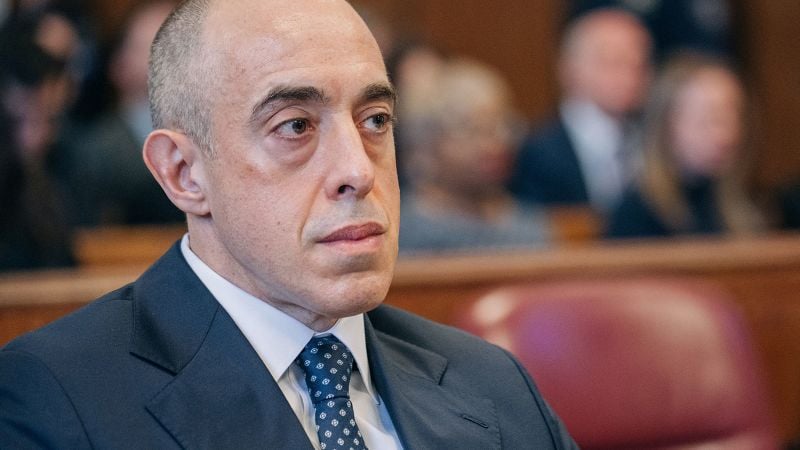
Emil Bove, a former Trump Justice Department official and lawyer, was confirmed to a lifetime appointment as a federal appellate judge despite significant opposition and whistleblower allegations of misconduct, including improper case oversight and pressure on prosecutors, with the Senate narrowly approving the nomination along party lines.
The Senate confirmed Emil Bove to the Third Circuit despite allegations from three whistleblowers and Democratic opposition, with Republicans largely supporting the nomination and concerns raised about Bove's impartiality and past actions.
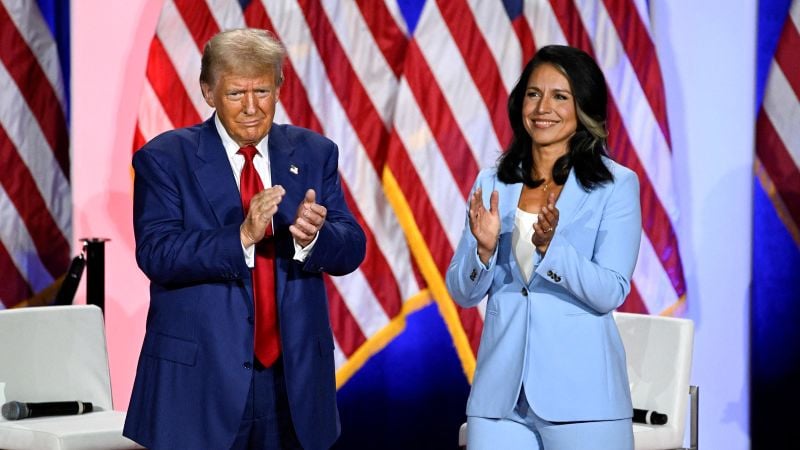
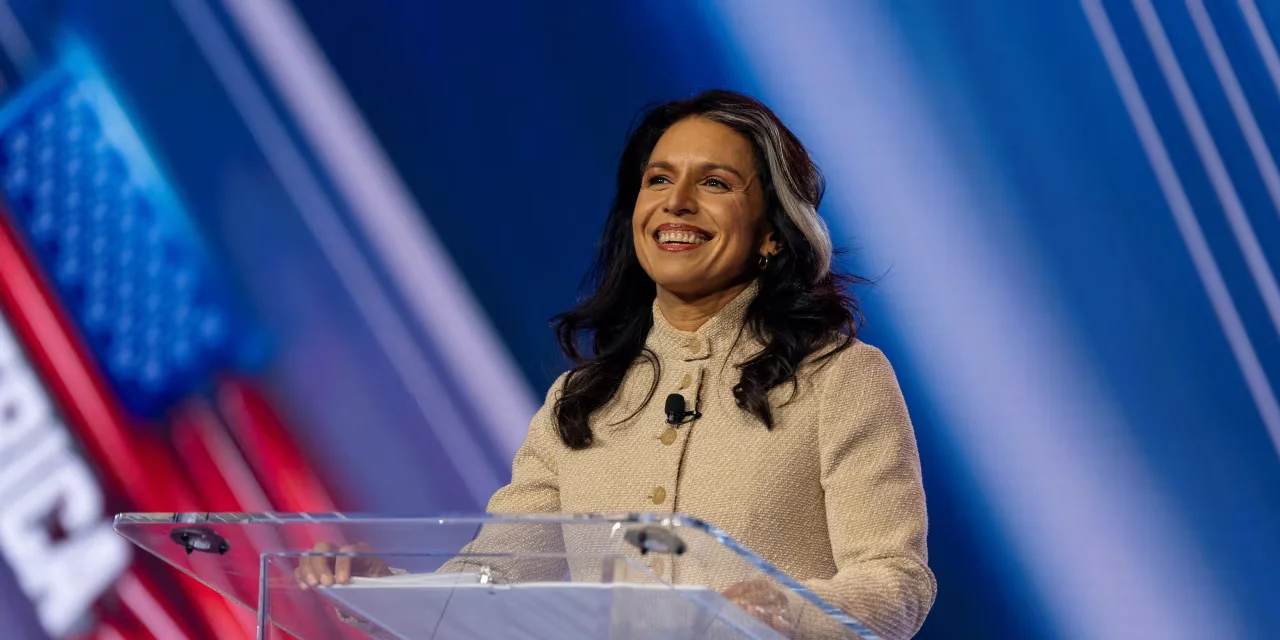
Donald Trump's selection of Tulsi Gabbard as the Director of National Intelligence has sparked controversy due to her lack of experience in the intelligence community and her strong anti-surveillance stance. Gabbard, a former Democratic congresswoman who recently joined the Republican Party, has been a vocal supporter of whistleblowers like Edward Snowden and Julian Assange, and has introduced legislation to limit government surveillance powers. Her views have drawn criticism from both sides of the political spectrum, with concerns about her alignment with foreign adversaries and her potential impact on U.S. intelligence operations.
OpenAI whistleblowers have asked the SEC to investigate whether the company's non-disclosure agreements illegally restrict employees from speaking out about AI risks. A letter to SEC Chair Gary Gensler urges enforcement against such agreements, with U.S. Sen. Chuck Grassley supporting the call for change to ensure whistleblower protections.
Whistleblowers at OpenAI have filed a complaint with the SEC, alleging the company obstructed employees from reporting AI risks to regulators by enforcing restrictive agreements. OpenAI's spokesperson claims the company supports employee disclosures and has revised its policies. This incident highlights the need for transparency and robust whistleblower protections in the AI industry.
Whistleblowers have urged the US financial watchdog to investigate OpenAI's non-disclosure agreements, claiming they include illegal restrictions that prevent employees from contacting regulators. The letter to the SEC alleges systemic legal violations and calls for an investigation into OpenAI's past NDAs, which are said to have a chilling effect on whistleblowers' rights. OpenAI has responded by stating that their whistleblower policy protects employees' rights and that they have made changes to their departure process.
Boeing CEO Dave Calhoun admitted during a Senate hearing that the company has retaliated against whistleblowers who raised safety concerns, though he was evasive about specifics. This admission comes amid ongoing scrutiny over Boeing's safety practices and work culture, especially following recent incidents and the deaths of two whistleblowers. Despite Calhoun's claims of encouraging employees to speak up, he has not personally engaged with any whistleblowers or their families, raising further questions about the company's internal practices.