The UK government is launching an independent review led by Alan Milburn to investigate the rising number of young people not in education, employment, or training (Neet), which is nearing one million. The review aims to identify causes, including health and disability barriers, and propose solutions to reduce youth inactivity and benefit dependency, with findings expected next summer.

Germany's coalition government has agreed to pursue welfare reforms and a 2027 budget, while economic forecasts for 2025 are lowered. Meanwhile, Porsche is set to return to the DAX index after a profit decline, and the far-right AfD is projected to gain significant support in Saxony-Anhalt. Additionally, media company MFE has acquired a majority stake in ProSiebenSat.1, and Germany plans to cut its contribution to the global health fund.
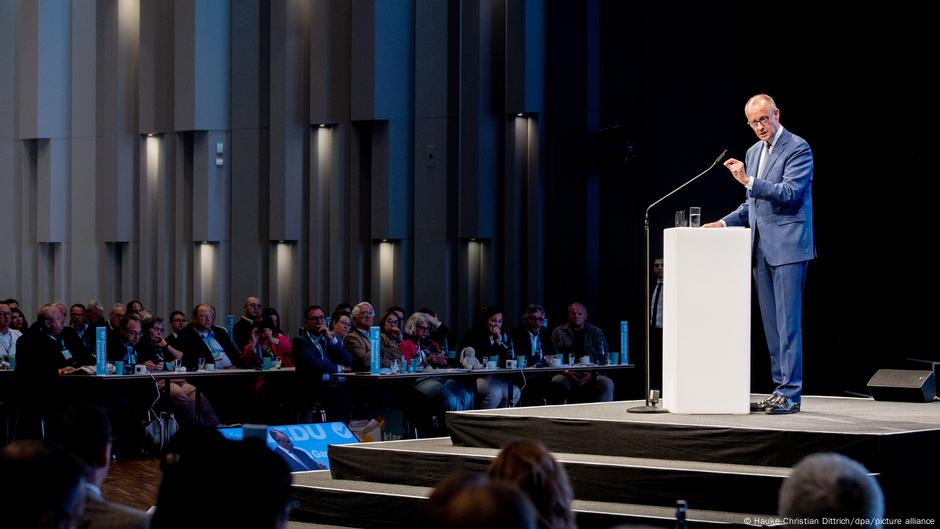
German CDU leader Friedrich Merz has called for reforming the country's social welfare system, citing unsustainable costs, while ruling out tax increases on medium-sized companies, signaling potential tensions within the coalition government and a shift towards traditional CDU voter concerns.
Scottish First Minister John Swinney criticizes the UK government's welfare reform approach as 'appalling' and highlights Scotland's decision to fund a more generous social security system through tax increases, contrasting with Westminster's austerity measures. The UK reforms faced significant opposition and were watered down, while Scotland continues to prioritize social investment despite rising costs and budget challenges.
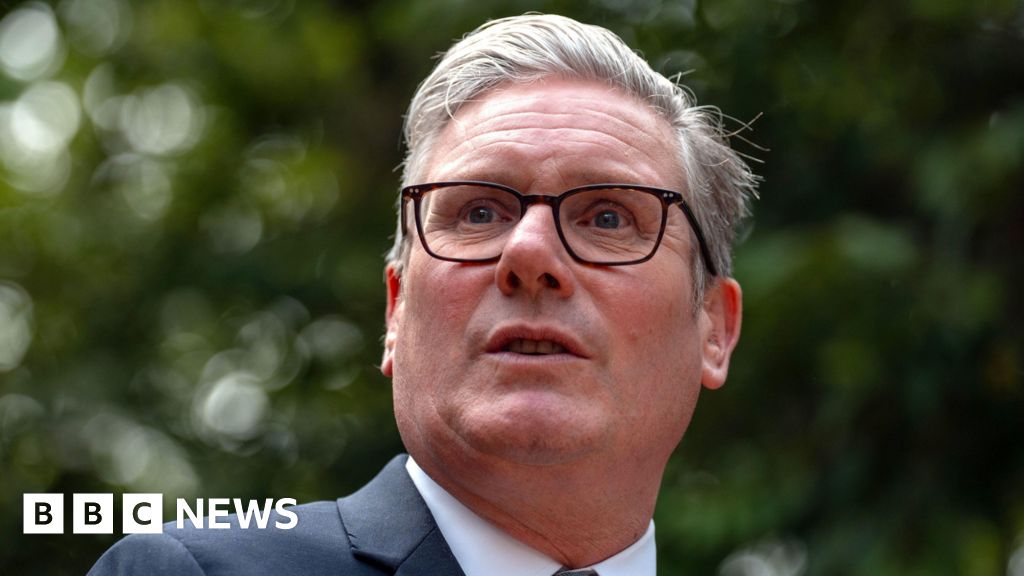
UK Prime Minister Keir Starmer's last-minute retreat on welfare reform has prevented a Labour rebellion but created a multibillion-pound hole in public finances, amid ongoing political and social tensions.
Keir Starmer faces a tumultuous parliamentary episode with his government losing control over welfare reform votes, marked by multiple U-turns, rebellious MPs, and internal chaos, reflecting broader political instability amid economic and international challenges.
British Prime Minister Keir Starmer's welfare reform bill passed in Parliament after a significant rebellion from Labour lawmakers, leading to concessions and highlighting his waning authority amid declining approval ratings and ongoing political challenges.
The rise in disability benefit claims in England and Wales, reaching nearly 4 million by 2025, is largely driven by increased mental health issues and demographic changes like rising state pension age. The government is planning reforms to the Pip benefit system, which are expected to reduce savings but may leave more people in relative poverty. The increase in claims is also possibly influenced by better awareness of benefits and economic shocks, though the exact causes remain uncertain.