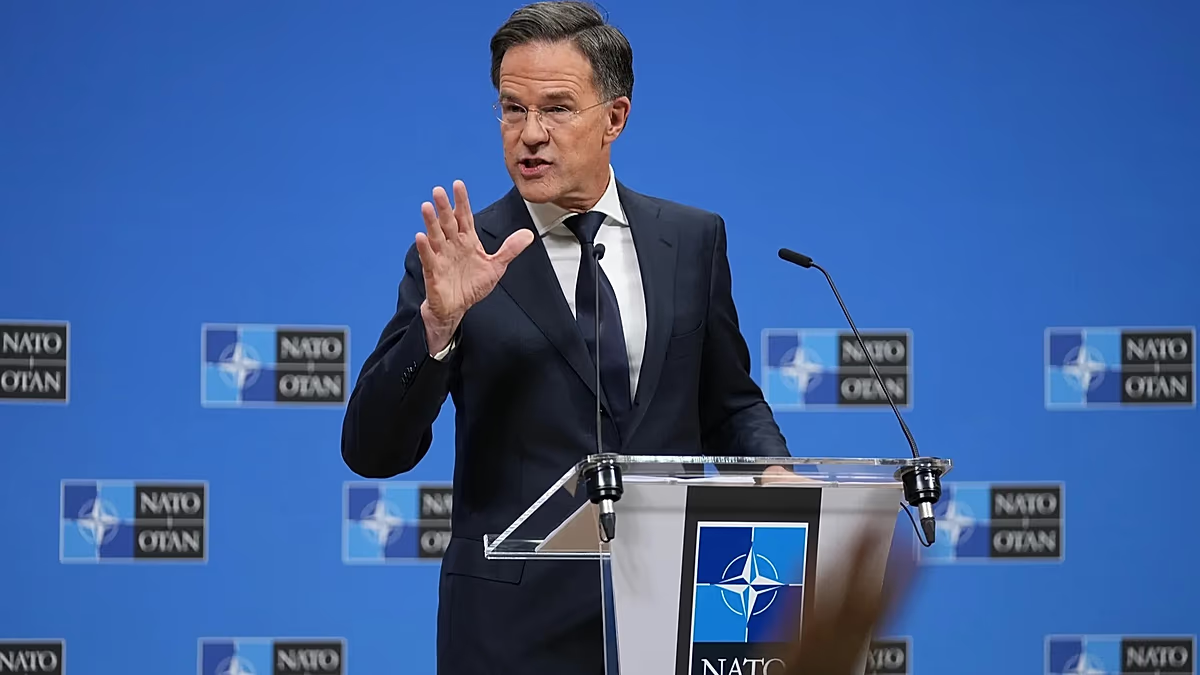
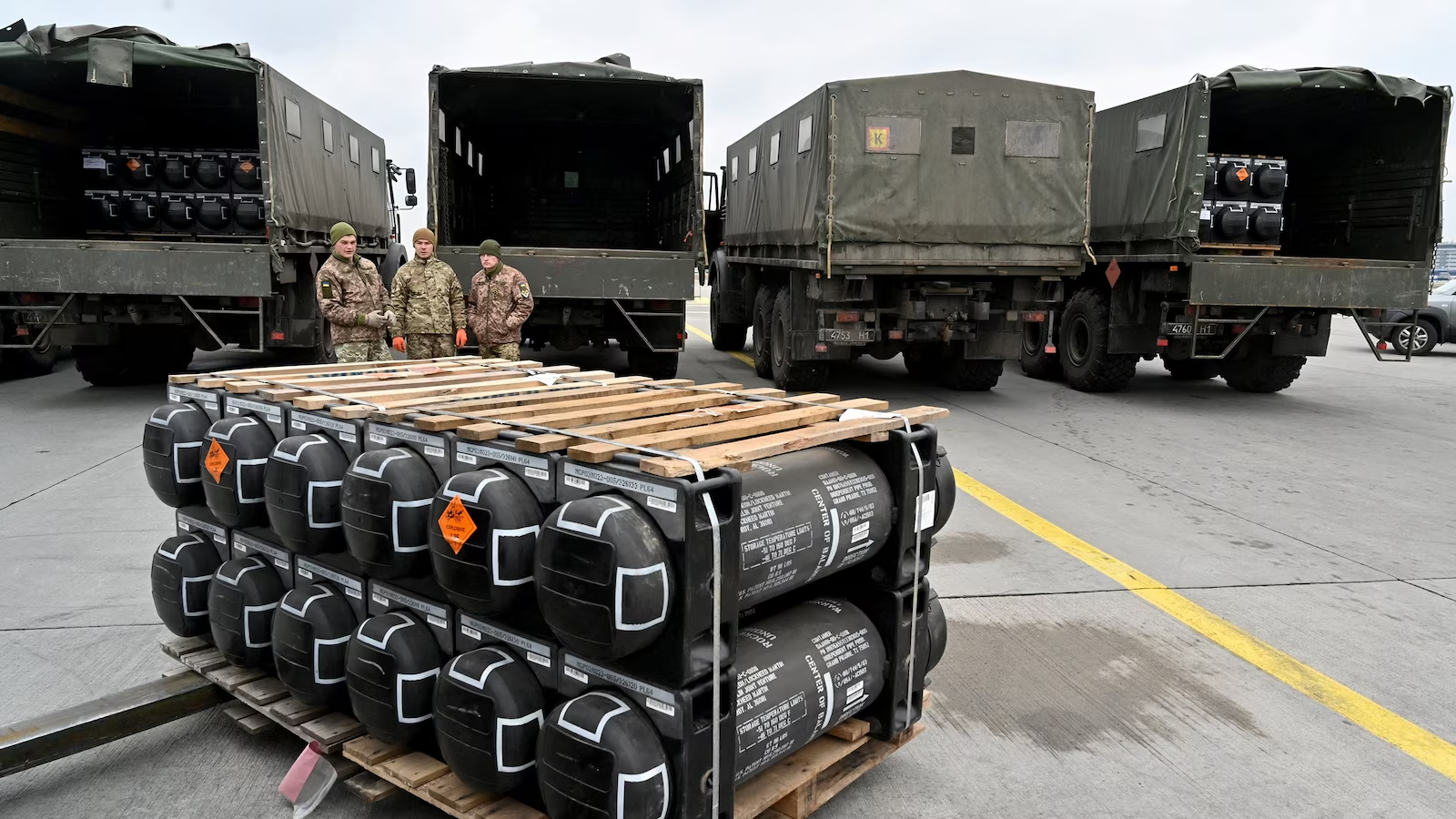
NATO countries are expected to pledge around $5 billion (€4.3 billion) in US-made weapons purchases for Ukraine by the end of 2025 through the PURL initiative, with several countries increasing their commitments amid ongoing support needs for Ukraine's military.
US military and NATO officials are discussing plans to supply Ukraine with advanced air defense systems, including Patriot missiles, potentially through NATO purchasing from the US, following support from President Trump and ongoing negotiations among allies.
The article covers multiple news events including a shooting in Brussels, EU extending protection for Ukrainian refugees, Lithuania's ethics investigation of its prime minister, continued weapons sales to Europe by South Korea, and a French doctor's comment on Israeli authorities' treatment of Greta Thunberg.
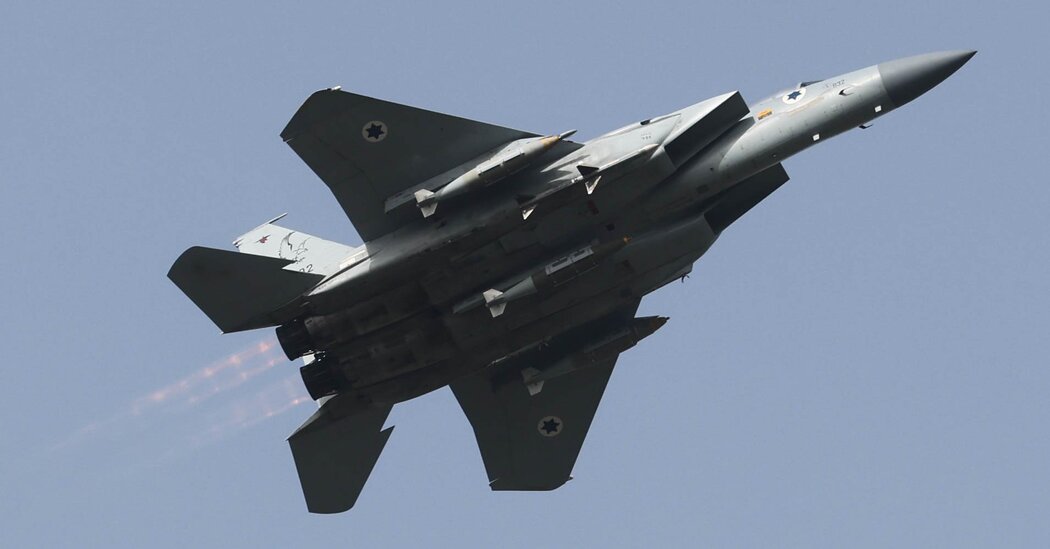
Democrats in Congress are considering using their oversight of weapons sales to pressure President Biden to place conditions on American support for Israel's military offensive in Gaza. The $18 billion deal to sell F-15 fighter jets to Israel remains in limbo, as the top two Democrats on the Senate Foreign Relations and House Foreign Affairs Committees have yet to sign off. Some Democrats are advocating for using their influence over weapons transfers to demand better protection against civilian casualties and aid access in Gaza, although overcoming a potential presidential veto would be challenging. The president must consult with Congress on major weapons sales under the Arms and Export Control Act, providing an avenue for lawmakers to weigh in on the issue.
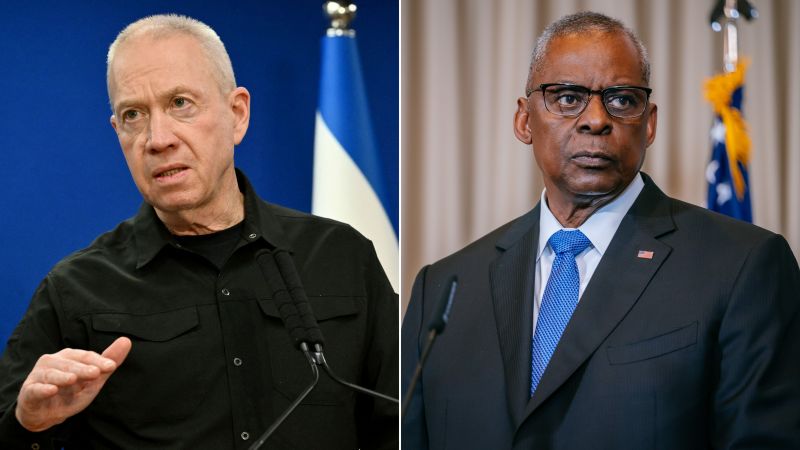
Israel's defense minister is set to request more US weaponry and equipment to support the country's war in Gaza during a delicate moment in US-Israel relations, as US weapons sales to Israel face scrutiny. The request comes amid heightened tensions between the two countries, with the US urging Israel to consider alternatives to a major ground operation in Gaza and expressing opposition to a potential offensive in Rafah. Despite ongoing debates within the Biden administration about conditioning military assistance to Israel, the US has continued to approve weapons sales to the country, with more than 100 foreign military sales made since Hamas' attack on Israel in October.
President Biden is considering using weapons sales as leverage to persuade Israel's Prime Minister Netanyahu to scale back the military attack on Gaza amid mounting pressure for a ceasefire. The administration is focusing on withholding or delaying offensive military equipment while continuing to send defense systems. Israel has requested more weapons, including large aerial bombs and ammunition. The U.S. condemned an attack on a UN facility housing refugees, and Netanyahu vowed to continue necessary defense actions in Gaza after the UN's top court told Israel to prevent genocide.
The United States is facing challenges in security cooperation as it seeks to compete with Russia and China. Shortcomings in the defense industrial base, a flawed approach to security cooperation, and frustrations with foreign military sales are hindering Washington's ability to produce and transfer weapons effectively. To address these issues, the administration and Congress need to create a comprehensive framework that expands and fortifies the defense industrial base, streamlines military sales processes, and properly conceptualizes security cooperation within the context of great-power competition. Without resolving these problems, America's allies and potential partners will continue to lack the necessary weapons to strengthen their security.