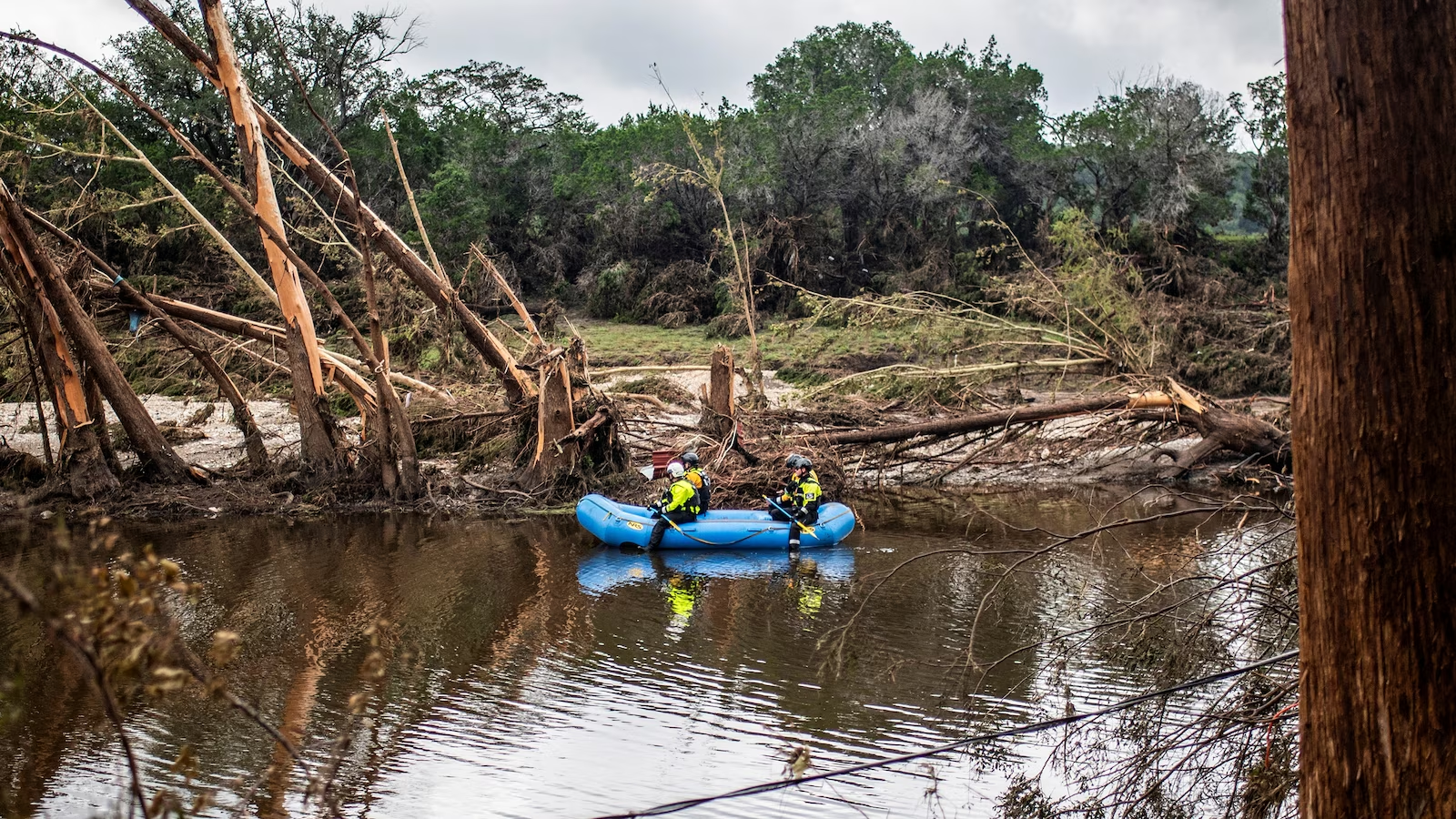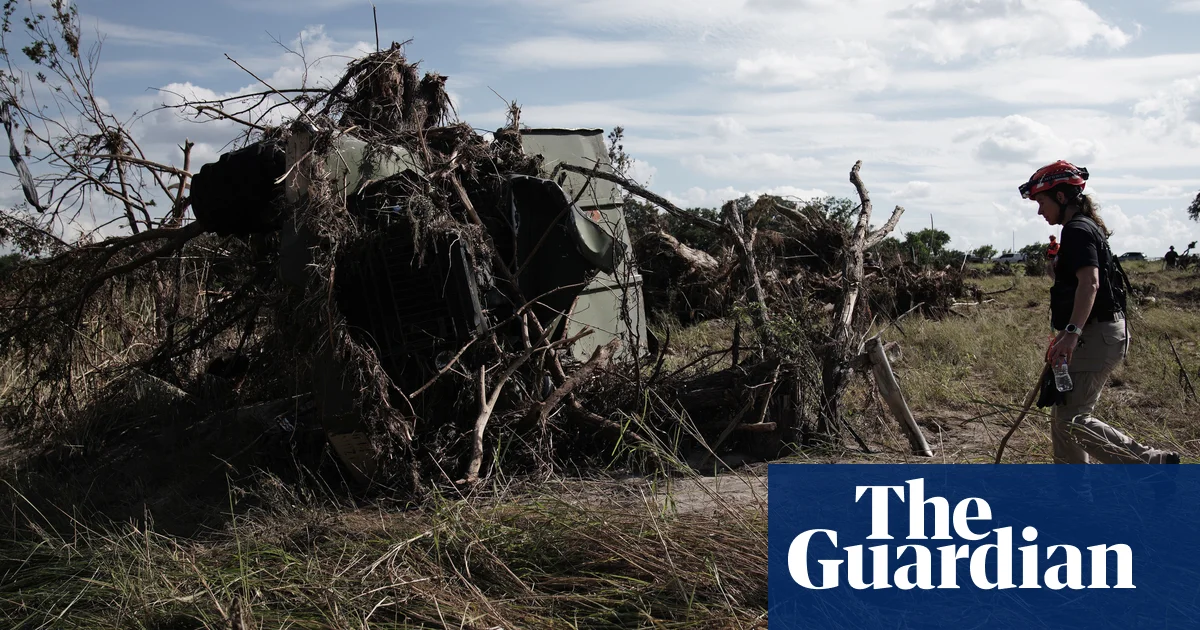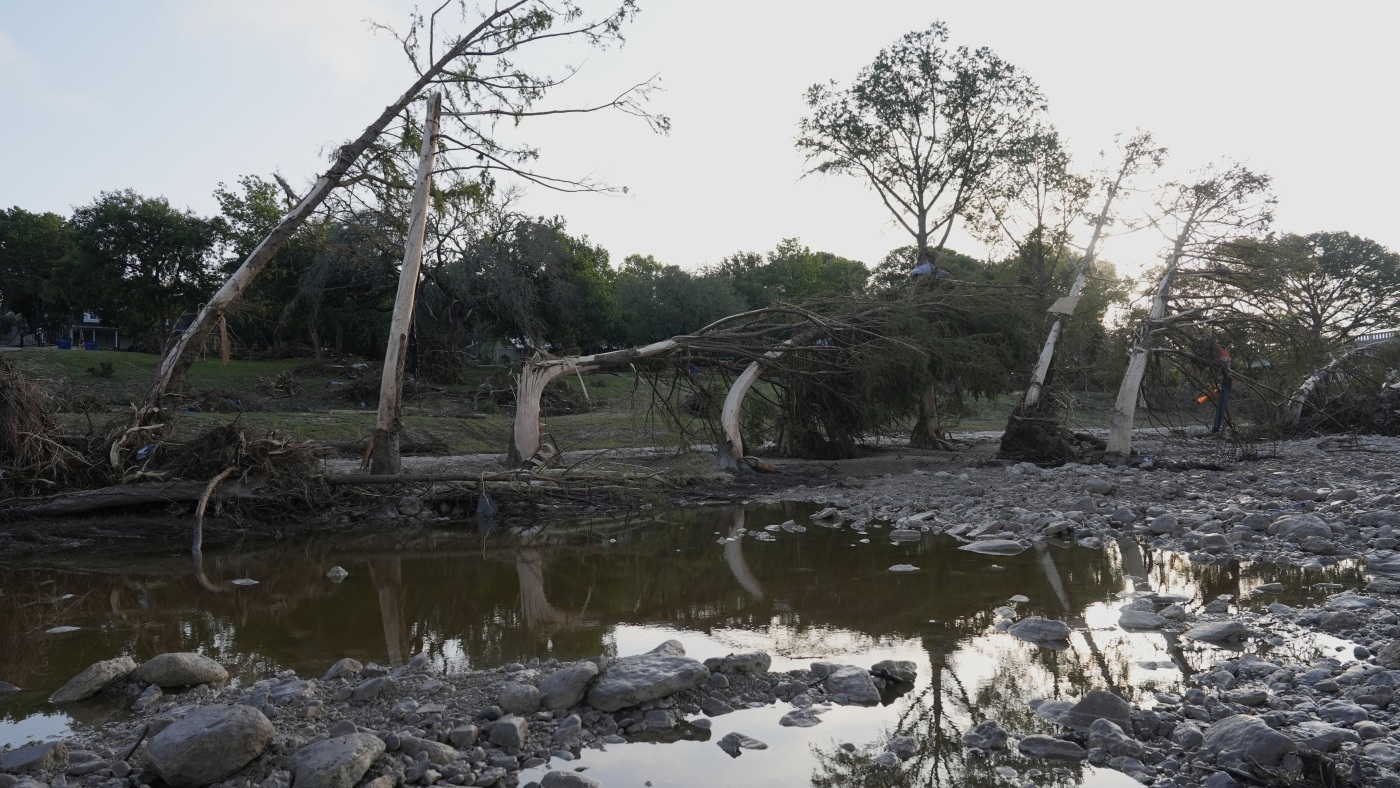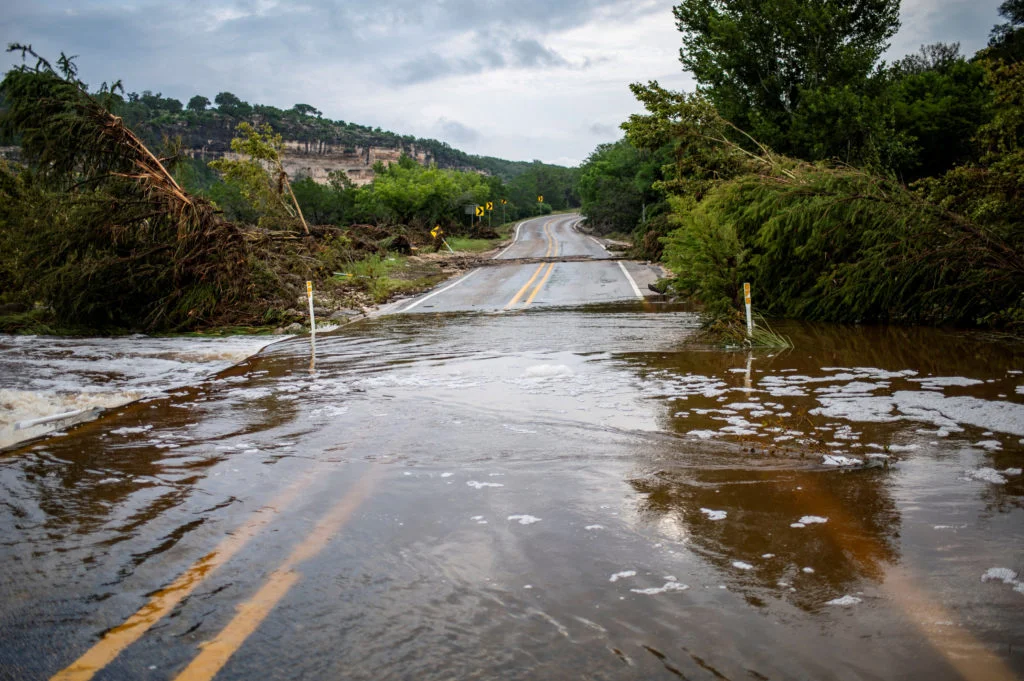
During a devastating flood in Kerr County, Texas, top officials including the sheriff, emergency management director, and county judge were found to be asleep or out of town during the initial hours of the crisis, highlighting a lack of leadership and inadequate warning systems that contributed to the tragedy where over 130 people died.
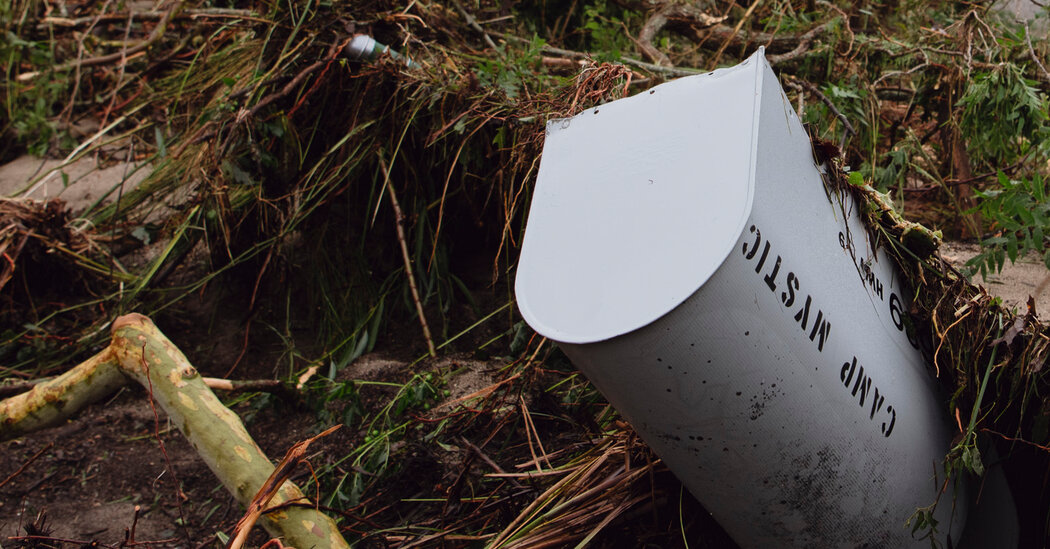
Kerr County, Texas, repeatedly sought funding for a flood warning system over several years but was denied by state and federal agencies, despite known flood risks and available funds. The lack of an alert system contributed to the tragic flooding that resulted in at least 121 deaths, including 36 children, highlighting failures in disaster preparedness and government response. The incident underscores issues in disaster funding allocation and the importance of proactive flood mitigation measures.
A planned flood warning system for Kerr County, Texas, was set to be implemented with a kickoff meeting scheduled for mid-July, but recent devastating floods resulting in at least 120 fatalities have prompted a reevaluation of the timeline. The system, designed to support emergency response with real-time data, was part of a long-standing effort to improve flood preparedness in the area.
The Texas flooding has resulted in at least 119 deaths, with ongoing search and rescue operations. Controversy surrounds the delayed emergency alerts and lack of outdoor sirens, raising questions about the government's warning systems amid the disaster. Federal aid has been deployed as recovery continues.
A former Texas county commissioner advocates for implementing a flood warning system with sirens, arguing it could save lives and is cost-effective, especially after recent devastating floods that resulted in over 100 deaths. He emphasizes that modern technology, including digitized topographical maps and AI, can enhance flood prediction and warning capabilities, and suggests that such systems could be rapidly deployed across the U.S. to improve disaster preparedness.
Discord is implementing a new warning system that aims to educate users about rule violations rather than resorting to permanent bans. The system will issue one-year temporary bans for most violations, except for extremely harmful ones. Discord will also introduce a teen safety assist feature, including proactive filters and alerts to protect teenagers. Additionally, a sensitive content filter will be enabled by default, blurring sexually explicit content in DMs and servers. Discord's scanning of image attachments has raised privacy concerns, although the company argues that it uses AI models instead of human intervention. The platform is also introducing new features such as a dark theme, improved search functionality, and an in-app store for avatar decorations and profile effects.
NASA is developing an early warning system called Dagger, which uses artificial intelligence to predict solar storms and provide Earth with a 30-minute notice before they hit. Solar storms, such as solar flares and coronal mass ejections, can cause major disruptions to electronics and power grids. By monitoring data from satellites, NASA aims to prevent future blackouts and electrical disruptions caused by these storms.
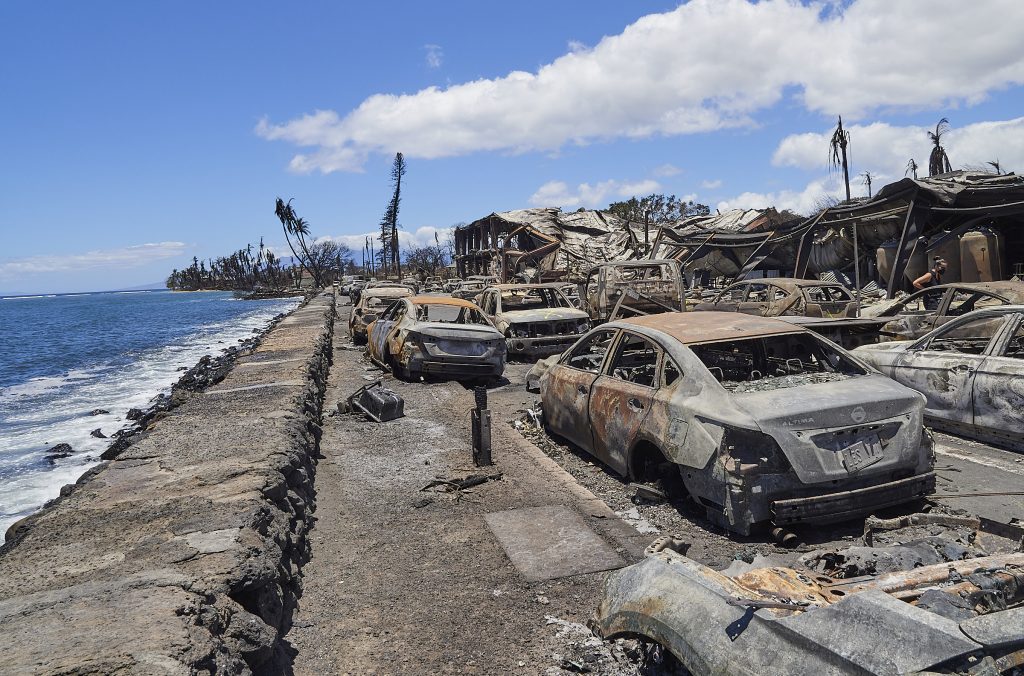
Hawaii state emergency management personnel sent a reminder to the Maui Emergency Management Agency (MEMA) that the island's all-hazard siren system could be used before a fire swept through Lahaina, killing at least 114 people. However, MEMA's top emergency official, Herman Andaya, did not consider the sirens as an option because they are mainly used for tsunamis. Andaya has since resigned, citing health reasons. MEMA instead opted to activate warnings through cell phones, but many survivors claim they received no warnings at all.
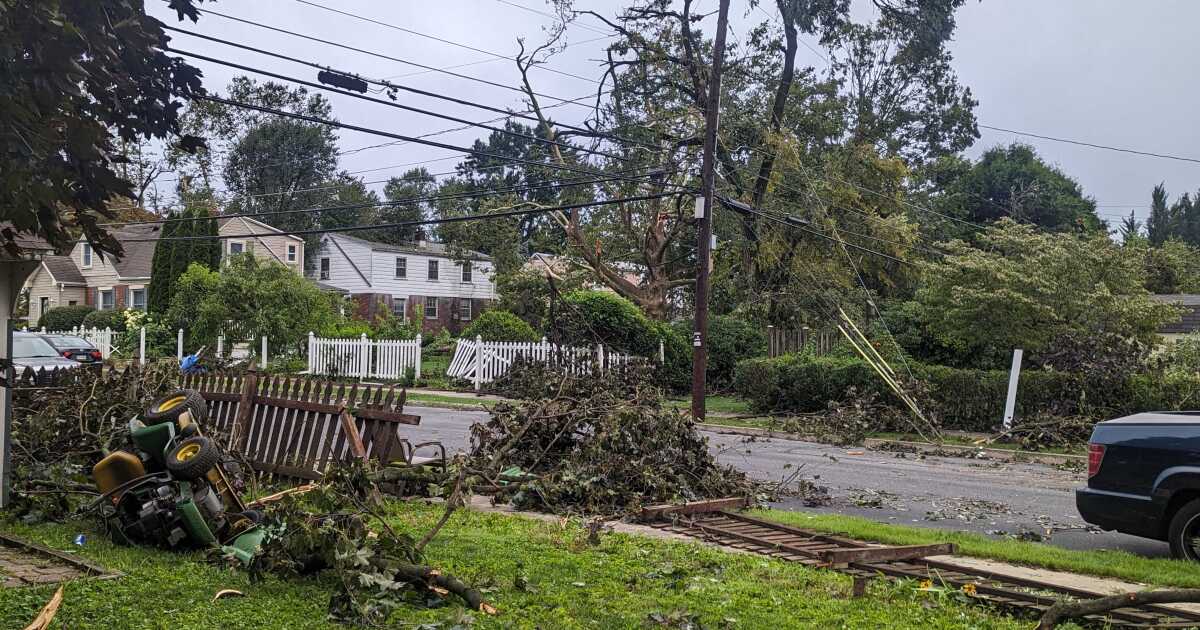
A tornado hit the Midway Manor neighborhood in Allentown, causing significant damage to houses and trees. Residents were caught off guard as there was no warning issued for the tornado. The lack of a warning system has raised concerns about the effectiveness of the city's emergency preparedness.
Mexico's Popocatepetl volcano has been spewing toxic fumes, ash, and lumps of incandescent rock persistently for almost 30 years, since it awakened from a long slumber in 1994. The volcano is 45 miles southeast of Mexico City, but lies much closer to the eastern fringes of the larger metropolitan area of 22 million people. A severe eruption could cut off air traffic or smother the city in clouds of choking ash. The volcano is closely monitored by a network of sensors and cameras, and a roomful of powerful equipment watching its every move. A volcano warning "stoplight" with three colors: green for safe, yellow for alert, and red for danger is used to warn people of an impending ash cloud.