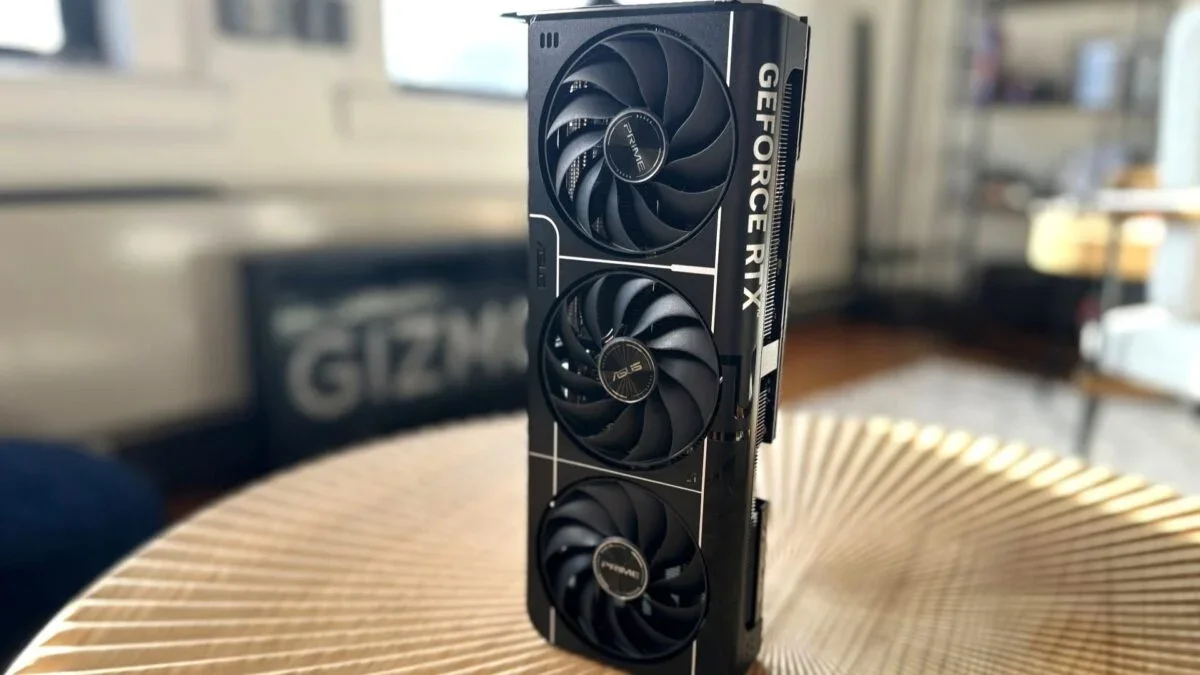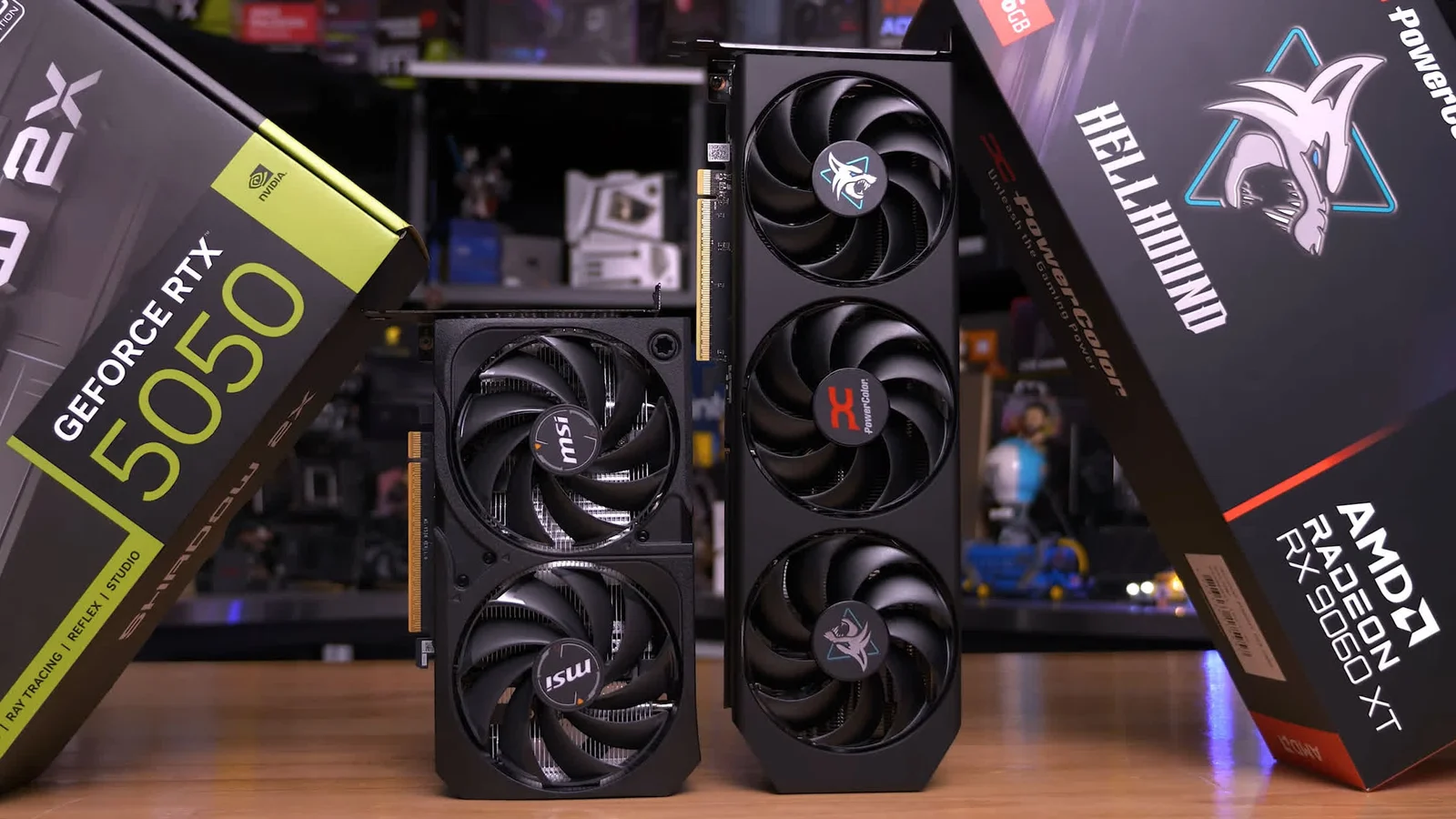
The article criticizes several GPU releases in 2025, highlighting the poor value and performance of 8GB models like Nvidia's RTX 5060 Ti and AMD's RX 9060 XT, which are seen as misguided and damaging to consumers, with Nvidia's RTX 5080 also underwhelming due to insufficient VRAM and high prices. Overall, the generation is marked by questionable product decisions and a lack of meaningful upgrades, especially in the entry-level and high-end segments.
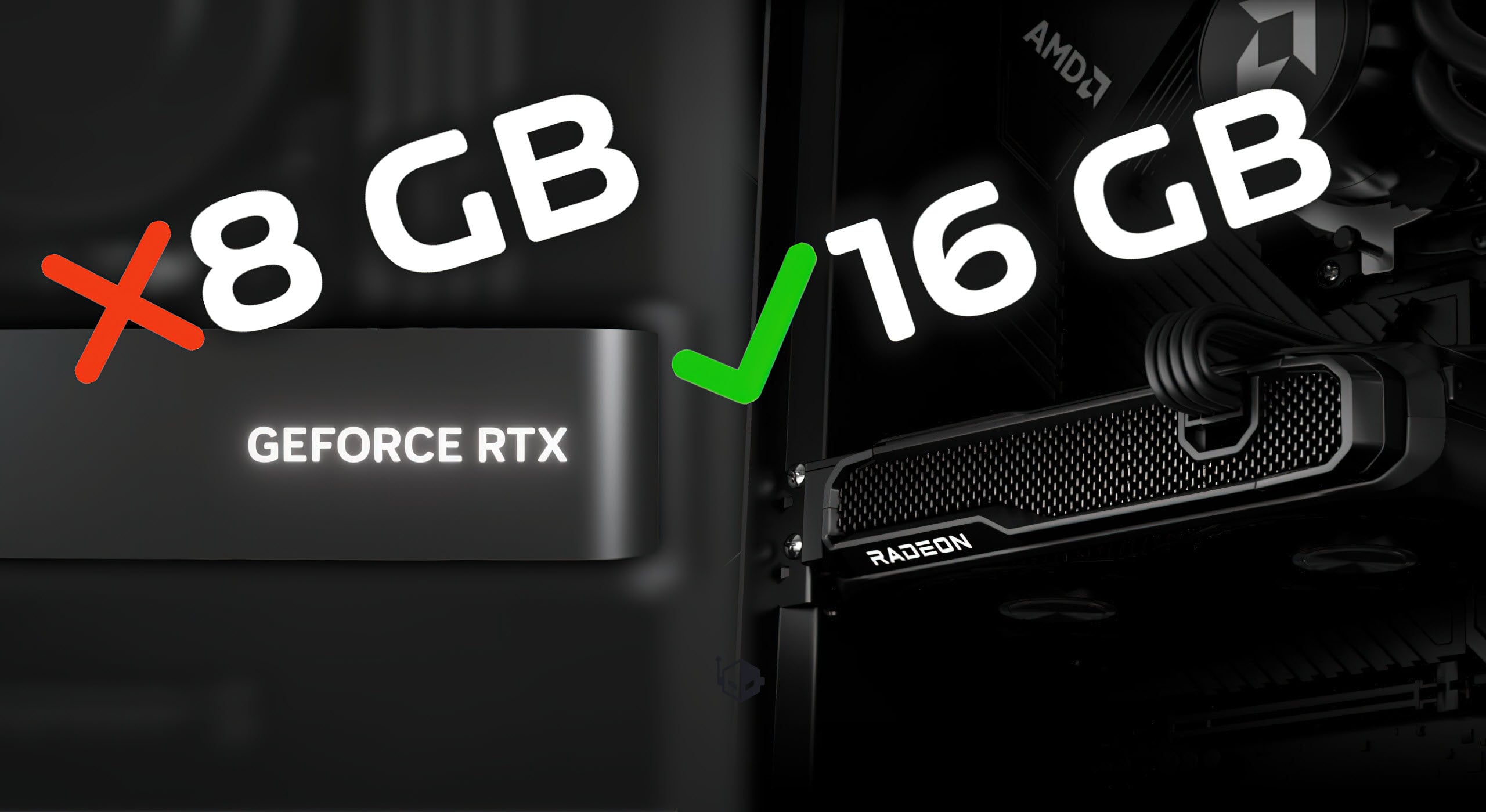
Market data shows that consumers are heavily favoring higher VRAM GPUs, with 16 GB models of NVIDIA and AMD's latest cards selling significantly more than their 8 GB counterparts, indicating a strong preference for higher VRAM options due to modern gaming features and performance needs.
Steam has upgraded its PC performance monitor to include detailed metrics like separate counts for real and generated frames, CPU core usage, and VRAM availability, providing gamers with more precise tools for diagnosing performance issues, although it currently has some bugs.
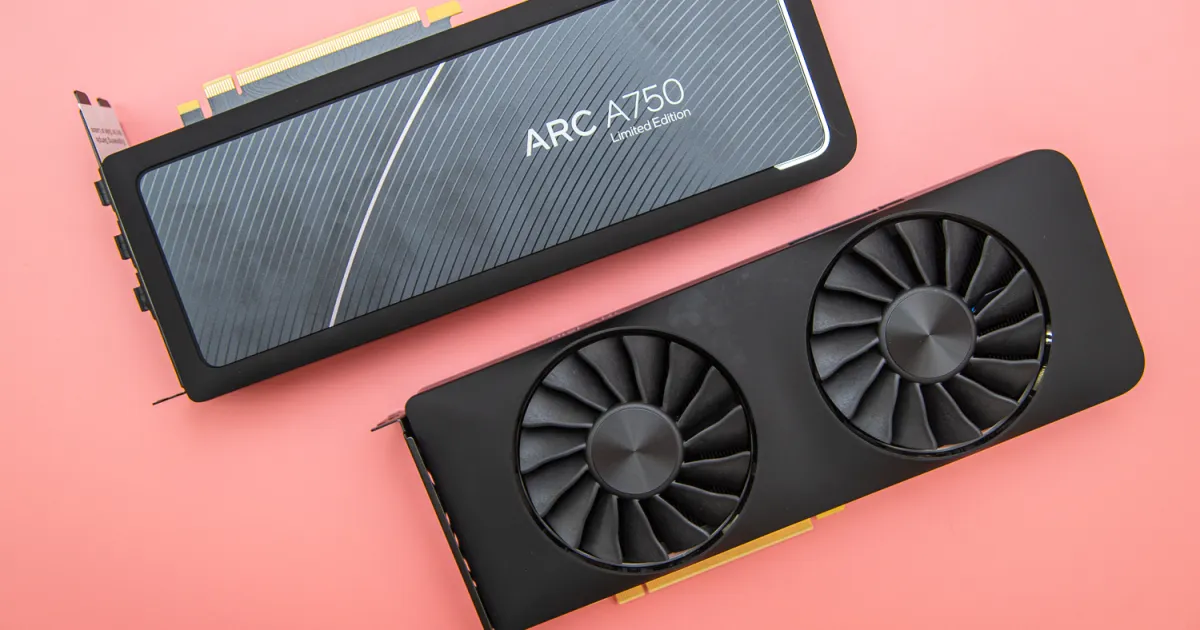
Intel is set to launch the Arc B580, a new discrete GPU featuring the Battlemage architecture, aiming to compete with AMD and Nvidia by offering more VRAM and competitive pricing. Historically, Intel's GPUs faced driver issues, but recent improvements have made them more viable. The B580, priced at $250, could be a strong contender in the budget GPU market, especially as AMD and Nvidia have not released comparable options in this price range. Potential buyers should await reviews before deciding, but Intel's advancements suggest a promising alternative.
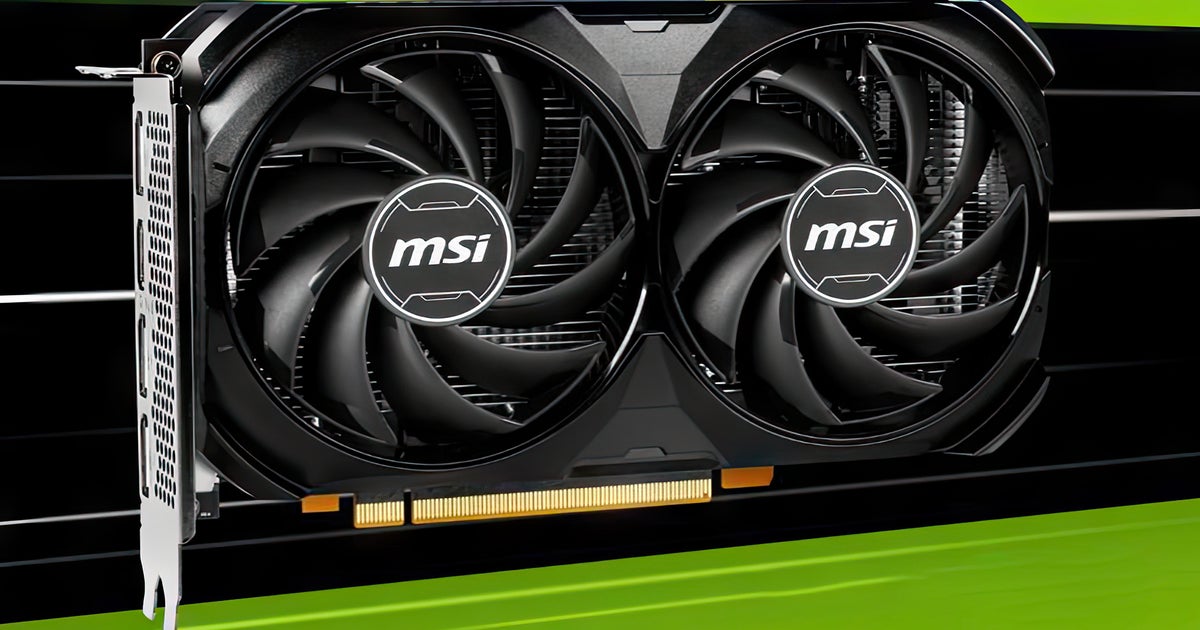
AMD's new Radeon RX 7600 XT, an upgraded version of the RX 7600 with 16 GB VRAM, offers modest performance gains over the standard model, particularly in games that benefit from the extra VRAM. However, the $60 price increase over the RX 7600 may not justify the performance improvements in all scenarios, especially when compared to other GPUs like the Radeon 6700 XT and Nvidia's RTX 4060. The 7600 XT's ray tracing performance is also underwhelming, and its value proposition is further challenged by competing options such as the Intel Arc A770. Overall, while the 16 GB VRAM is a welcome addition, the Radeon RX 7600 XT falls short of being a highly recommended product.
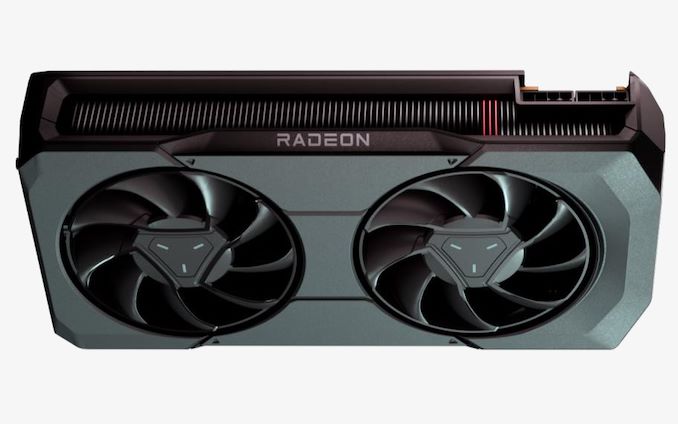
AMD introduces the Radeon RX 7600 XT, a premium 1080p gaming card with 16GB of GDDR6 VRAM and 10% higher clockspeeds than the RX 7600, filling a gap in their product lineup for $329. The new card, driven by the Navi 33 GPU, offers DisplayPort 2.1 support and is positioned as a future-proof option as 8GB cards become less tenable. It will be available from January 24th, with AMD's partners supplying a variety of designs, and will compete with NVIDIA's GeForce GTX 4060 series and Intel's Arc A770.
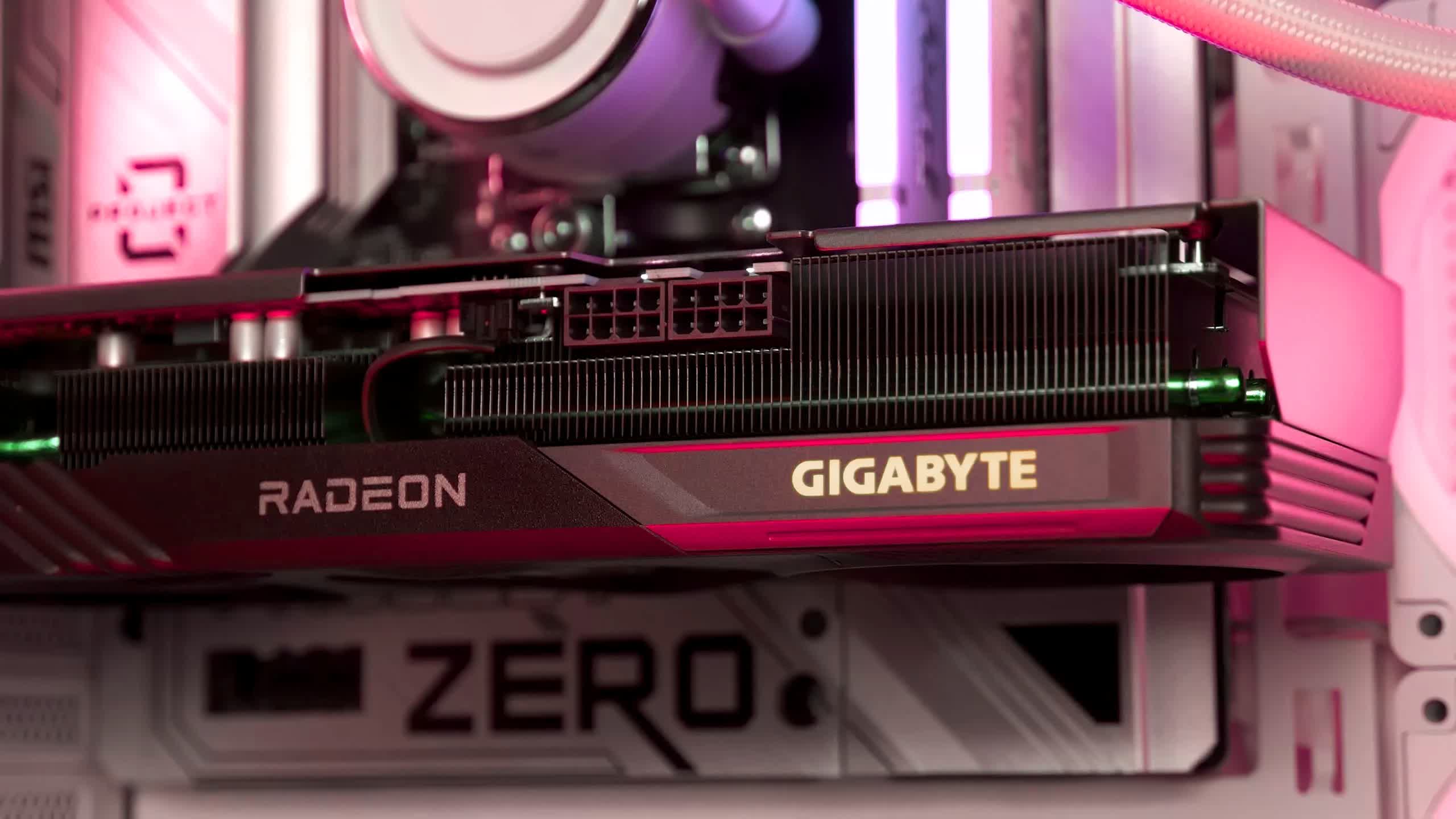
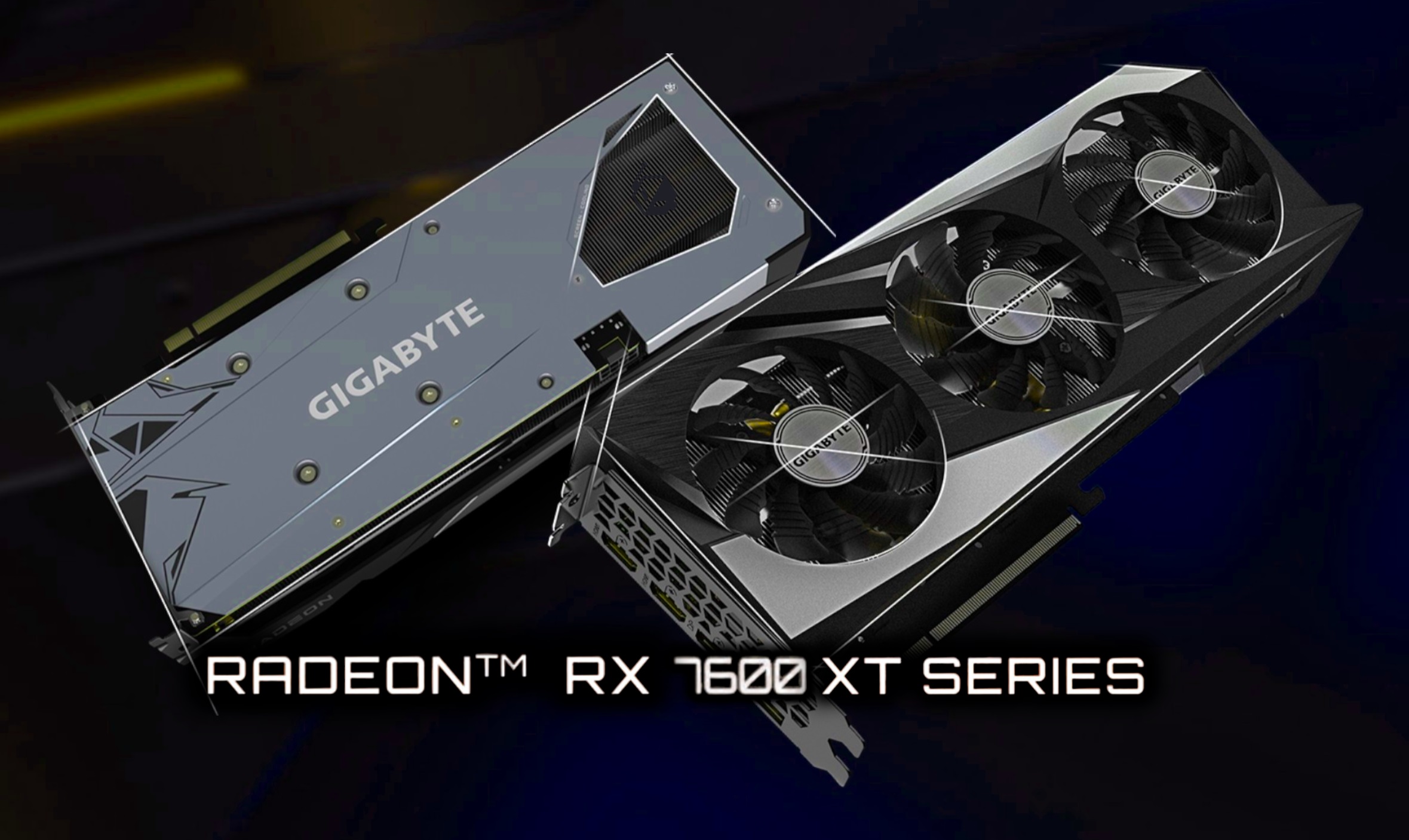
Gigabyte's EEC listing has revealed an upcoming AMD Radeon RX 7600 XT graphics card with 16 GB of VRAM, doubling the memory of the standard RX 7600. The card, expected to launch in late January, is anticipated to be priced around $300 and will likely be available only in custom variants. The RX 7600 XT could potentially feature different configurations, including a Navi 33 SKU with the same cores as the RX 7600 but with more VRAM and a Navi 32 variant with more cores and possibly a higher bus interface. The exact specifications remain speculative until AMD's official announcement.
The Nvidia GeForce RTX 4060 offers console-class performance and features like DLSS 3, but its reduced VRAM compared to the RTX 3060 is a drawback. With just 8GB of RAM, the RTX 4060 faces competition from the cheaper and potentially better-performing RTX 3060. However, the RTX 4060 showcases the advantages of the Ada Lovelace architecture and delivers impressive gaming performance, even at 1080p and with ray tracing enabled. Its efficiency and power consumption are also noteworthy.
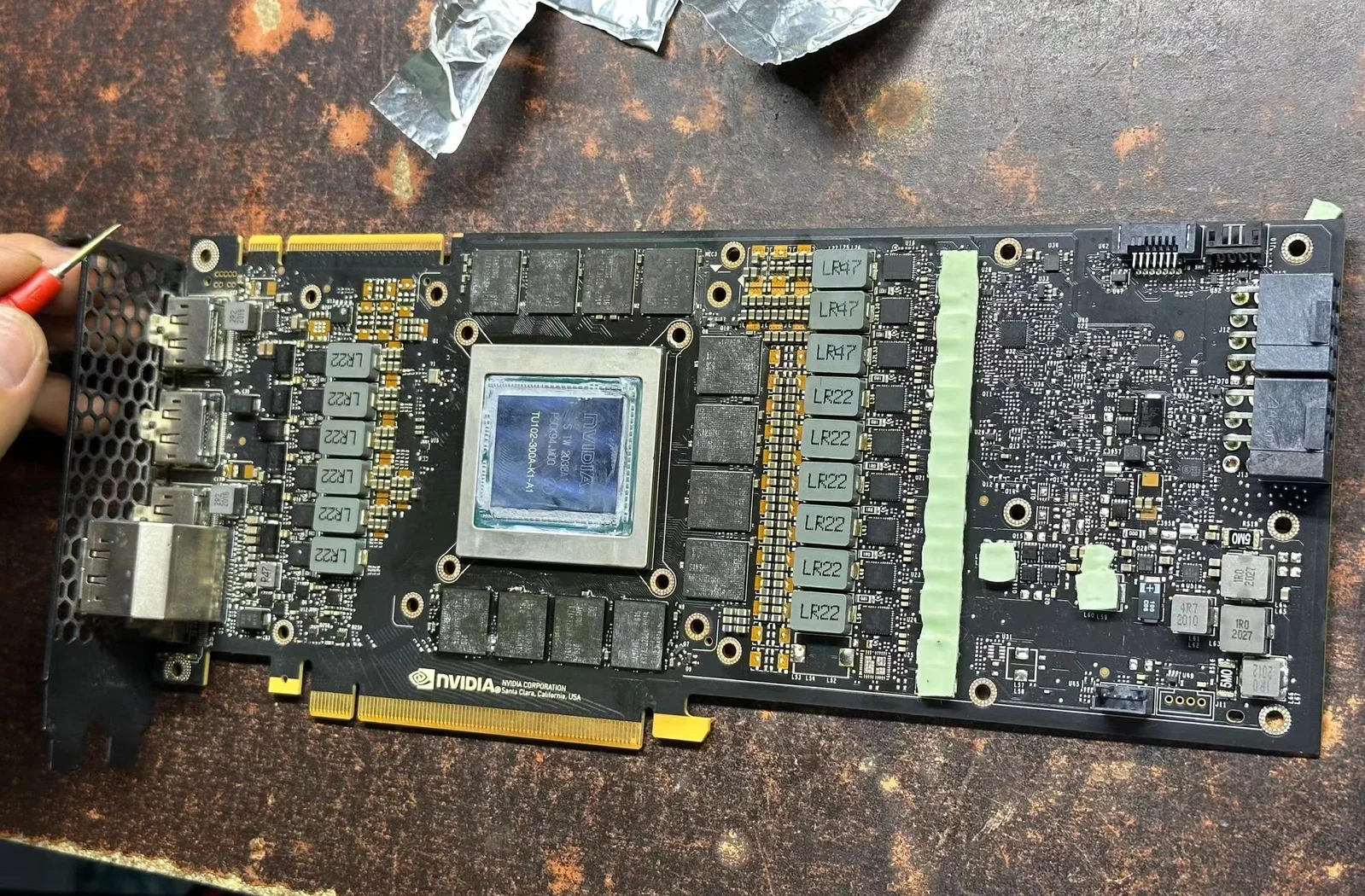
Chinese modders have equipped the NVIDIA GeForce RTX 2080 Ti 11 GB GPU with 44 GB VRAM, replacing the original 8 Gb dies with 16 Gb dies, each offering 2 GB capacities. However, the modded graphics card can't run any games, making the mod useless. The RTX 2080 Ti is an old graphics card and has been replaced with more powerful and efficient offerings.
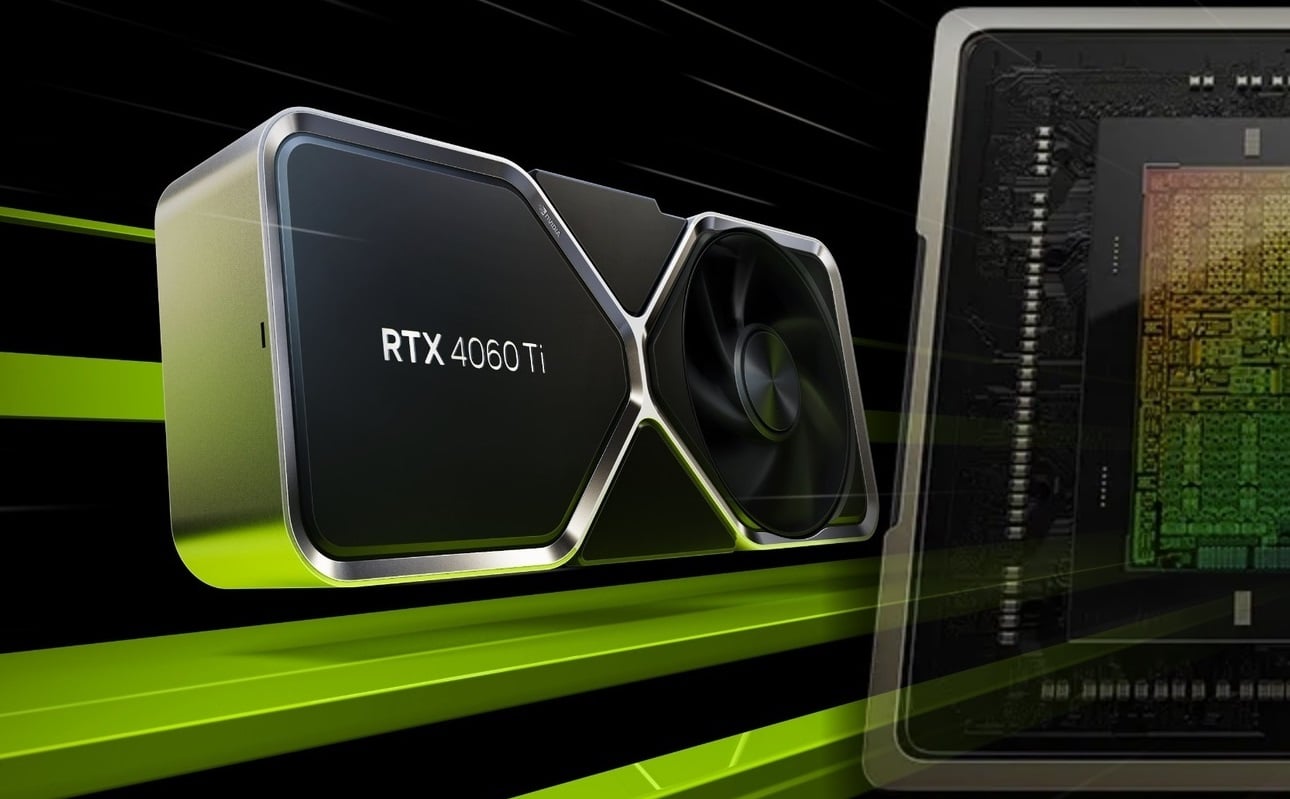
The newly launched Nvidia GeForce RTX 4060 Ti 8 GB graphics card has reportedly been subject to a price cut by a German retailer and has seen lethargic sales in Japan. Customers are not pleased with Nvidia's pricing policy, as an 8 GB board is currently available for sale for an MSRP of US$399 while a beefier 16 GB model is planned for a July launch at around US$499. The 8 GB RTX 4060 Ti is deemed a bit of a rip-off, with many gamers and DIY PC builders refusing to settle for just 8 GB of VRAM in 2023.
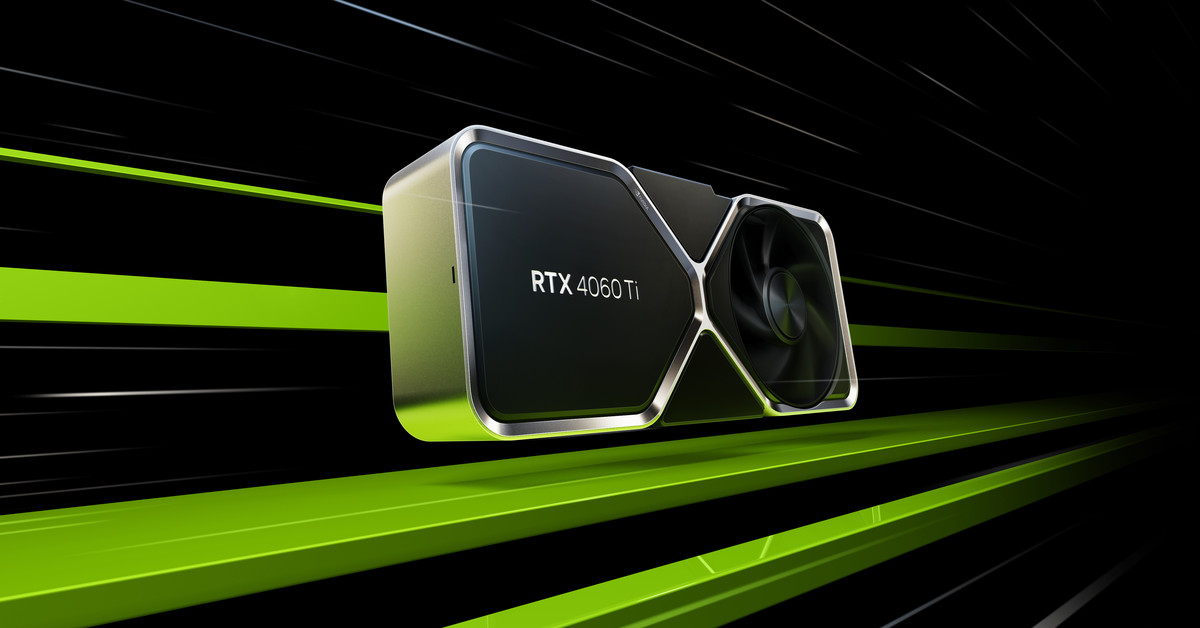
Nvidia's RTX 4060 Ti graphics card is set to replace the RTX 3060 Ti, offering solid 1080p performance with ray-tracing enabled at an affordable price point. Equipped with 8GB of VRAM, a higher boost clock speed, and DLSS 3 support, a 16GB version is expected to launch in July. The article provides links to retailers stocking the founder's edition card and overclocked models from other manufacturers.
The recent announcement of the RTX 4060 and 4060 Ti graphics cards has sparked debate over their value proposition. The 8GB VRAM on the $399 4060 Ti is feeling underpowered in 2023, while the 16GB model, priced at $499, feels too expensive for its performance. The 8GB RTX 4060, priced at $299, looks like a better value, but its downgrade from its predecessor's 12GB VRAM is a concern. The poor state of day one code on PC and console is also discussed, affecting preservation efforts and collectors of physical discs. DF Supporters ask about mid-gen console refreshes, 40fps modes, and UE5-powered demos.
Nvidia has launched the mid-tier RTX 4060 and 4060TI graphics cards, priced at $299 and $399 respectively, with 8GB of GDDR6 memory. The cards target 1080p gaming and feature deep learning super sampling to upscale lower resolutions for higher frame rates. The 4060TI is claimed to perform 1.7x faster than its predecessor with frame generated DLSS 3.0. Nvidia will offer a 16GB version of the 4060TI for $499 alongside the 4060 in July. The cards will be available from May 24.
Nvidia has announced the RTX 4060 family of GPUs, including the RTX 4060 Ti starting at $399 and the RTX 4060 available in July for just $299. The 8GB RTX 4060 Ti will ship on May 24th, with a 16GB version due in July for $499. The RTX 4060 is a 15 teraflop card with 8GB of VRAM, while the RTX 4060 Ti is a 22 teraflop card with 8GB or 16GB of VRAM. These cards are aimed at the 1080p market, and there are rumors of AMD preparing to launch an 8GB Radeon RX 7600.
Nvidia is reportedly set to announce the RTX 4060 and two versions of the RTX 4060 Ti at Computex, with one of the Ti versions featuring 16GB of VRAM, 4GB more than the recently released RTX 4070. Both Ti versions will feature the same AD106-350 GPU with 4352 CUDA cores and an expected TDP of 160W. The RTX 4060 will have just 3072 CUDA cores and a lower TDP of 115W. The RTX 4060 Ti 8GB is expected to be released in May, with the RTX 4060 and RTX 4060 Ti 16GB following in July.