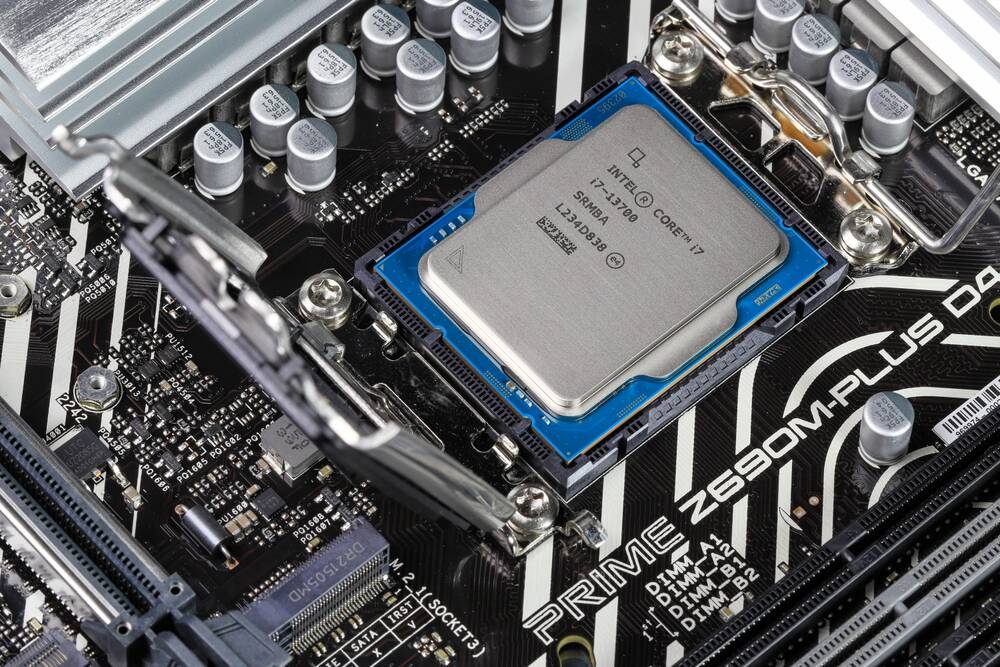
Intel is facing a lawsuit over alleged defects in its 13th and 14th generation Raptor Lake processors, which reportedly cause system instability and crashes due to voltage issues. The lawsuit claims Intel was aware of these defects but continued to market the processors without disclosure. Intel has acknowledged the problem, attributing it to a microcode algorithm causing incorrect voltage requests, and has issued several patches to address the issue. The company has also extended warranties for affected chips.
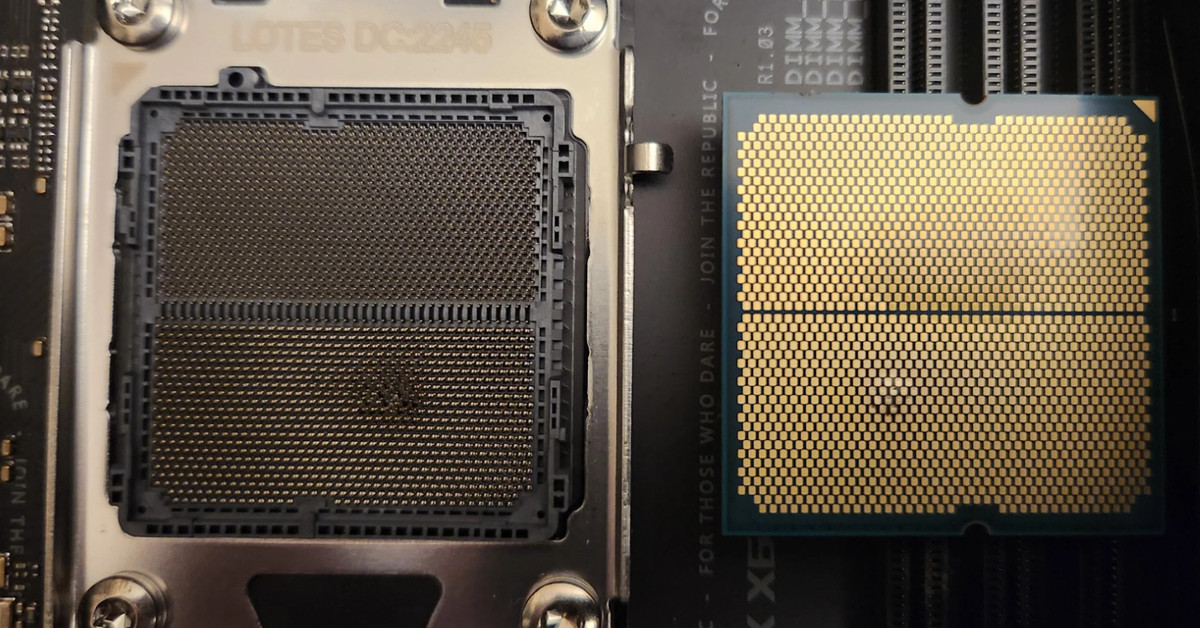
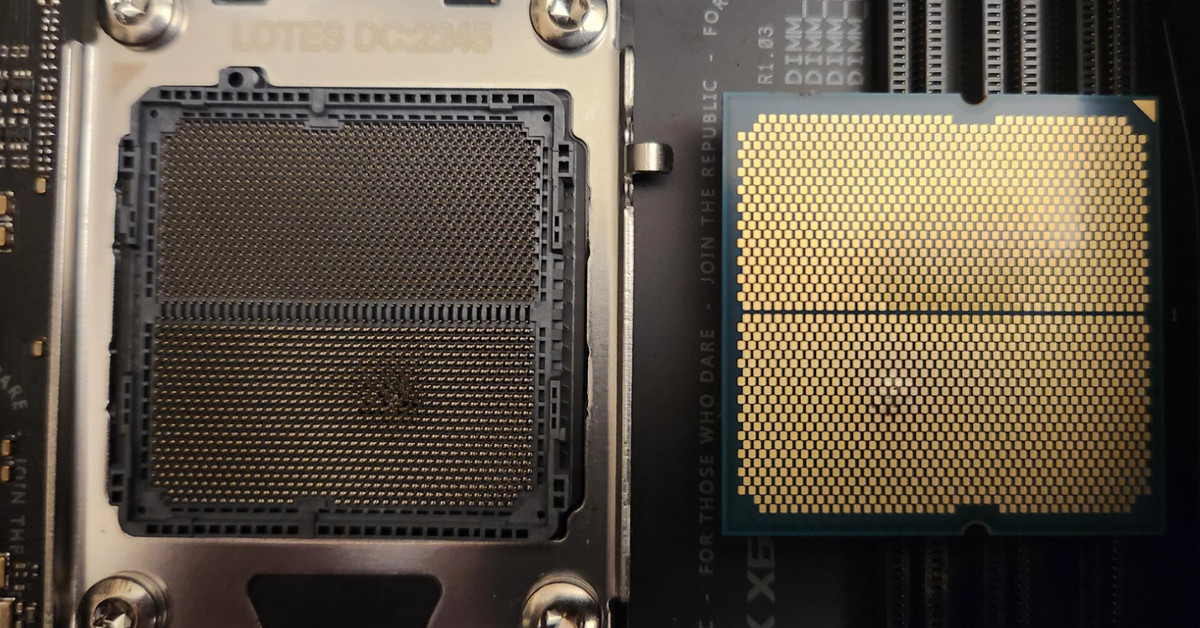
AMD has resolved the voltage issues that were causing its new 7000X3D series processors to burn out by distributing a BIOS firmware update to its board partners that places voltage restrictions on the AM5 socket motherboards they ran in. The fix won't prevent users from overclocking memory using EXPO or XMP profiles, nor should it prevent users from using AMD's Precision Boost Overdrive (PBO) technology to boost performance. AMD is encouraging all customers affected by the issue to contact its customer support service.
Users have reported problems with AMD's Ryzen 7000X3D processors, with some systems failing to boot and one instance of a processor becoming physically deformed. Motherboard maker MSI has released BIOS updates that disallow overvolting features that could give the CPUs more power than they were built to handle, as the damage "may have been caused by abnormal voltage issues." Ryzen 7000X3D processors are set to a lower voltage than regular Ryzen 7000 CPUs by default, but the extra L3 cache can raise temperatures and make the CPU more difficult to cool. Current Ryzen 7000X3D CPU users should install the most recent BIOS update for their motherboards and keep an eye out for new versions that specifically attempt to address this problem.
Some owners of AMD’s latest 7000X3D series CPUs have reported that their processors have burnt out randomly, leading to damage to both the CPU and the AM5 socket. Reports suggest that abnormal voltage issues may be the cause. MSI has issued new BIOS updates for its AM5 motherboards, which now only support a negative offset for voltage settings to reduce the CPU voltage only. Asus has also restricted CPU voltage options on the latest BIOS revisions. AMD and Asus have not yet commented on the issue. It is recommended that owners of AMD’s latest Ryzen CPUs or AM5 motherboards update their BIOS immediately.