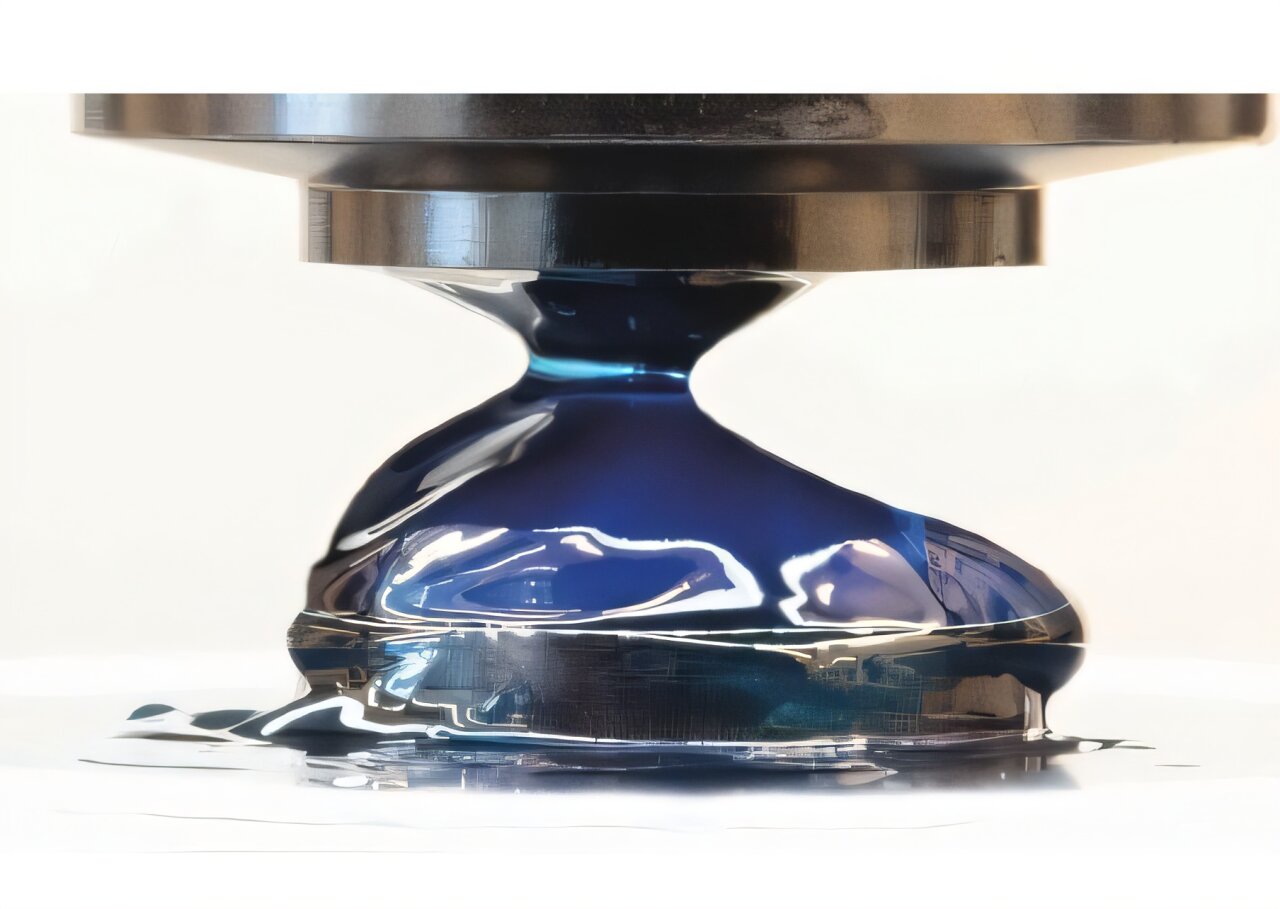
Scientists have discovered that the point at which yield stress fluids, like ketchup, start to flow can be predicted by analyzing their solid-phase properties alone, using the ratio called the loss tangent, which simplifies understanding and designing such materials across various applications.
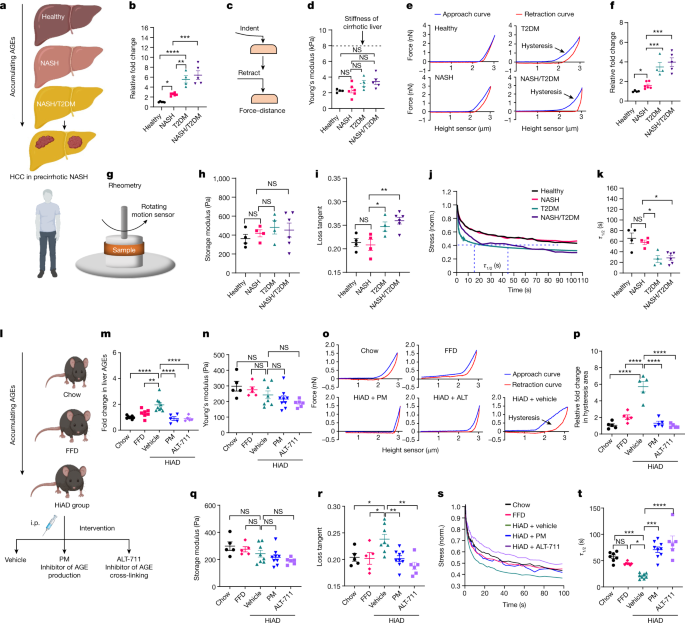
The accumulation of advanced glycation end products (AGEs) in the extracellular matrix (ECM) of the liver leads to increased viscoelasticity, creating a tumorigenic environment that promotes the progression of hepatocellular carcinoma (HCC). Studies in human and mouse liver samples, as well as 3D hydrogel models, demonstrate that AGEs modulate collagen architecture and network connectivity, resulting in enhanced viscoelasticity. This increased viscoelasticity activates the YAP mechanotransductive pathway, promoting tumour growth and invasion. Inhibiting AGE production or disrupting AGE–collagen cross-links reverses the changes in viscoelasticity and reduces tumour growth, highlighting the potential for targeting ECM viscoelasticity in the treatment of liver cancer.