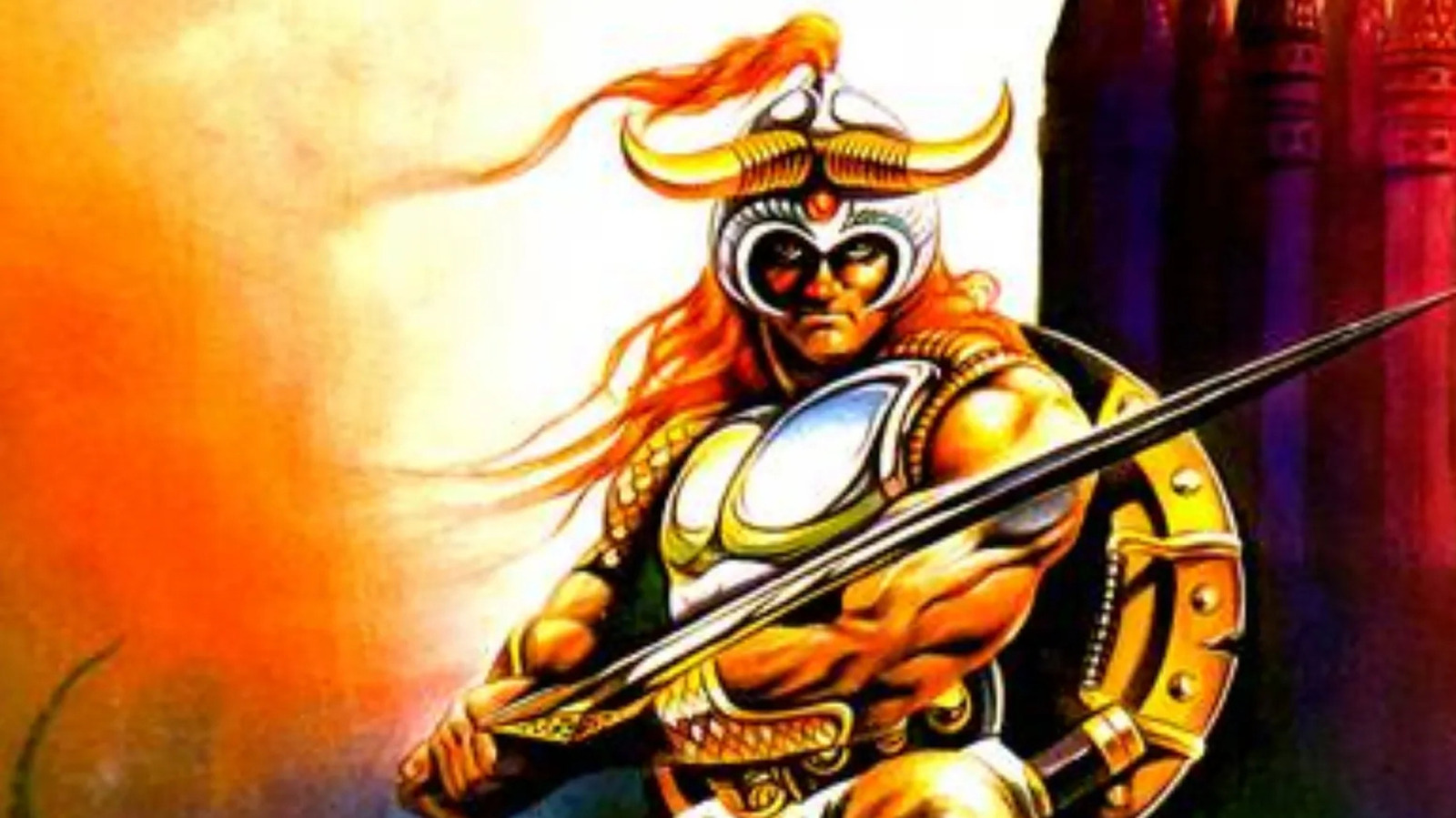
5 '80s Nintendo Games That Haven't Standed the Test of Time
The article discusses five Nintendo games from the 1980s that have not aged well, highlighting how some classic titles may not stand the test of time in terms of gameplay or graphics.

All articles tagged with #video game history
The article discusses five Nintendo games from the 1980s that have not aged well, highlighting how some classic titles may not stand the test of time in terms of gameplay or graphics.
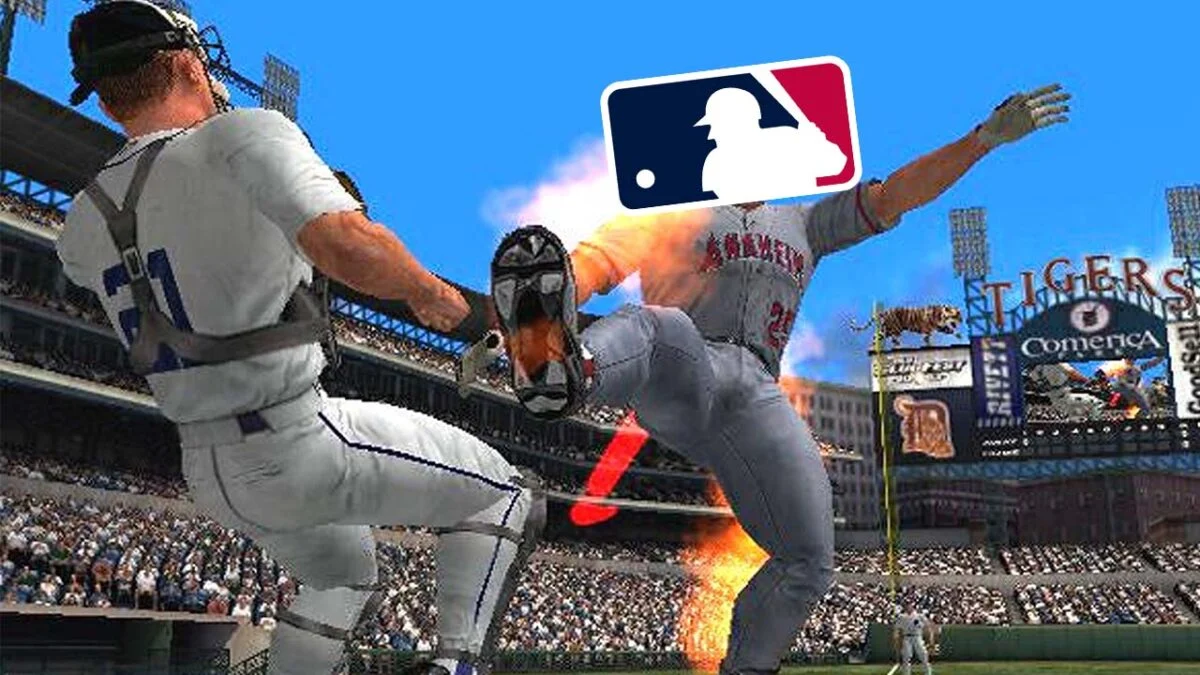
Some of the controversial jokes from the 2003 baseball video game MLB Slugfest 2003, which were cut by MLB for being too offensive, have been revealed and are now available online through the Video Game History Foundation, highlighting the game's over-the-top humor and the MLB's disapproval of certain content.
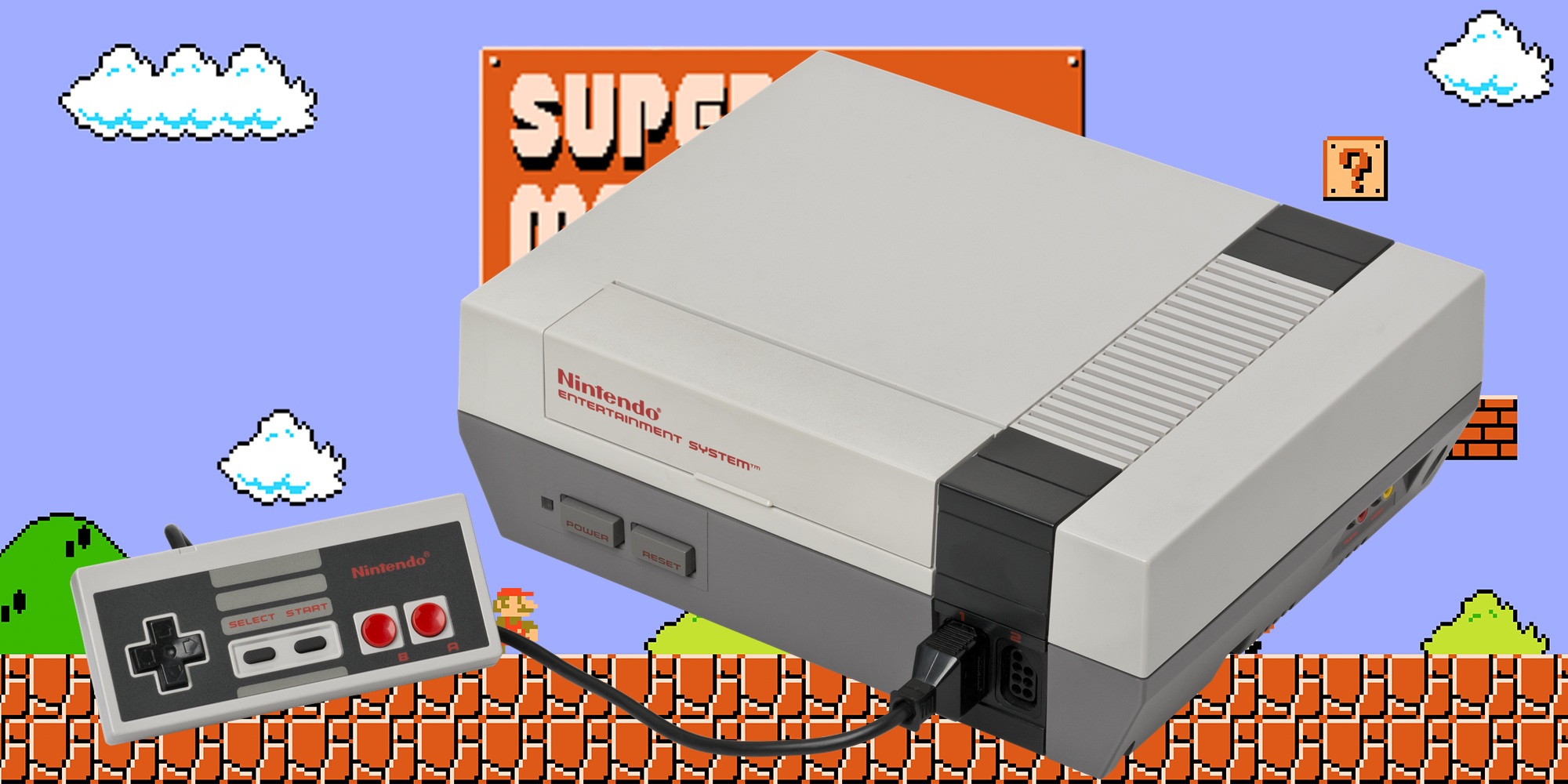
The NES, celebrating its 40th anniversary, revolutionized the video game industry post-1983 crash through high-quality games and strategic marketing, with its legacy preserved by efforts like those of Frank Cifaldi and the Video Game History Foundation. Key features like the lock-out chip shaped industry practices, and its success was largely due to product quality and timing. The console's impact endures in its iconic games and industry standards, with ongoing preservation challenges and a lasting cultural influence.

Bruce Lowry, a former Nintendo executive, revealed that Donkey Kong Jr. Math was so unpopular that Nintendo couldn't give it away, highlighting its failure as an educational game during the NES era.

A previously unreleased Liu Kang fatality from the original 1992 Mortal Kombat has been revealed, showcasing a brutal move that was never included in the game, highlighting the game's early development and creative process.

A long-lost unused ending cutscene for the 2001 game Spider-Man 2: Enter Electro, featuring a Thor cameo, was recently rediscovered and uploaded online by a digital hoarder, resolving a mystery about its existence.
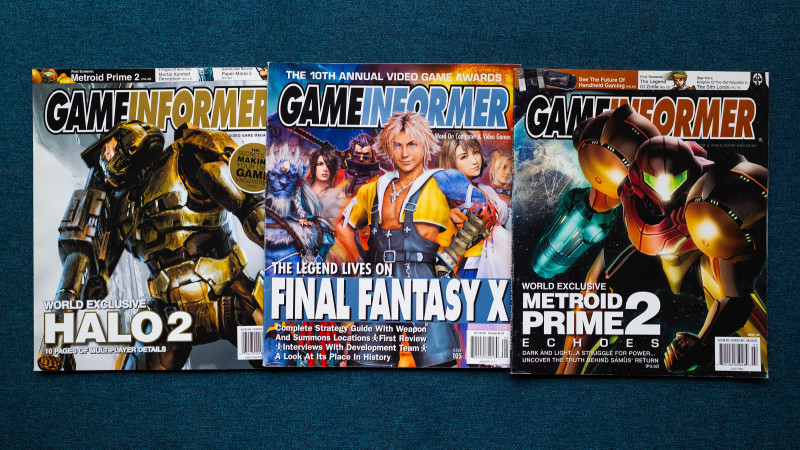
Game Informer has expanded its magazine archive to include all issues from 1991 to the present, thanks to collaboration with the Video Game History Foundation and Retromags, providing enthusiasts and researchers access to the full history of the publication and gaming culture.

The Nintendo DS, celebrating its 20th anniversary in 2024, is renowned for being the best-selling handheld console and the second-best-selling video game console overall. Despite its unconventional design with dual screens and stylus controls, the DS achieved massive success due to its extensive game library and appeal to non-gamers. Over its eight-year reign, it hosted over 2,000 games, showcasing innovative titles like "WarioWare Touched!" and "The World Ends With You," which utilized its unique hardware features. The DS's legacy continues to influence the indie gaming space, emphasizing creativity over high budgets.
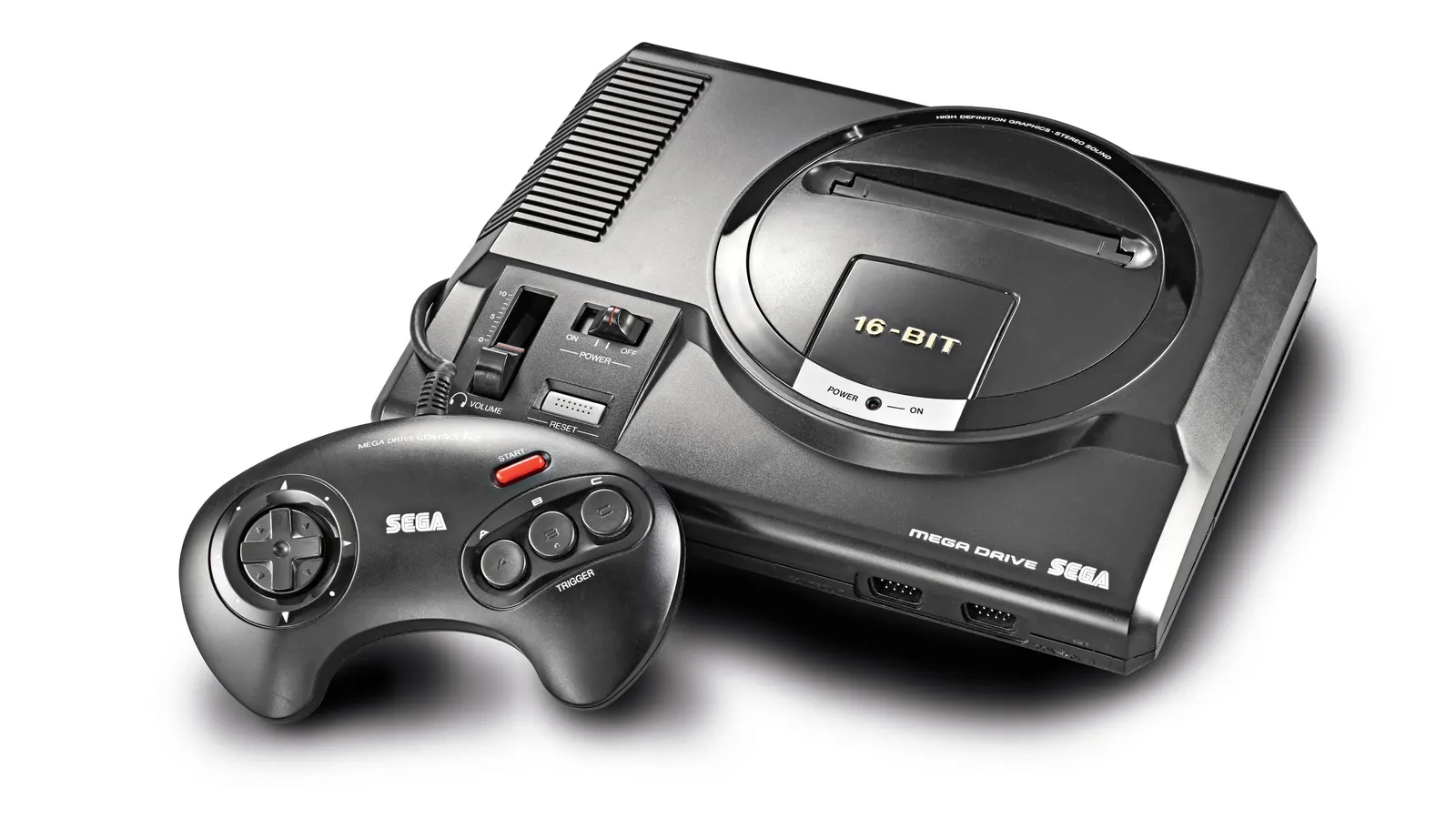
Publishers have openly admitted their disdain for retro games, citing concerns that preserved games could be used recreationally, potentially impacting sales of new releases. A recent legal ruling against the archiving of video game history highlights this stance, as publishers aim to control the market and monetize older games. This decision is seen as culturally detrimental, limiting access to formative titles that are crucial for future game development. The gaming community views this as a greedy move by publishers, further exacerbated by industry layoffs and unsustainable AAA game budgets.
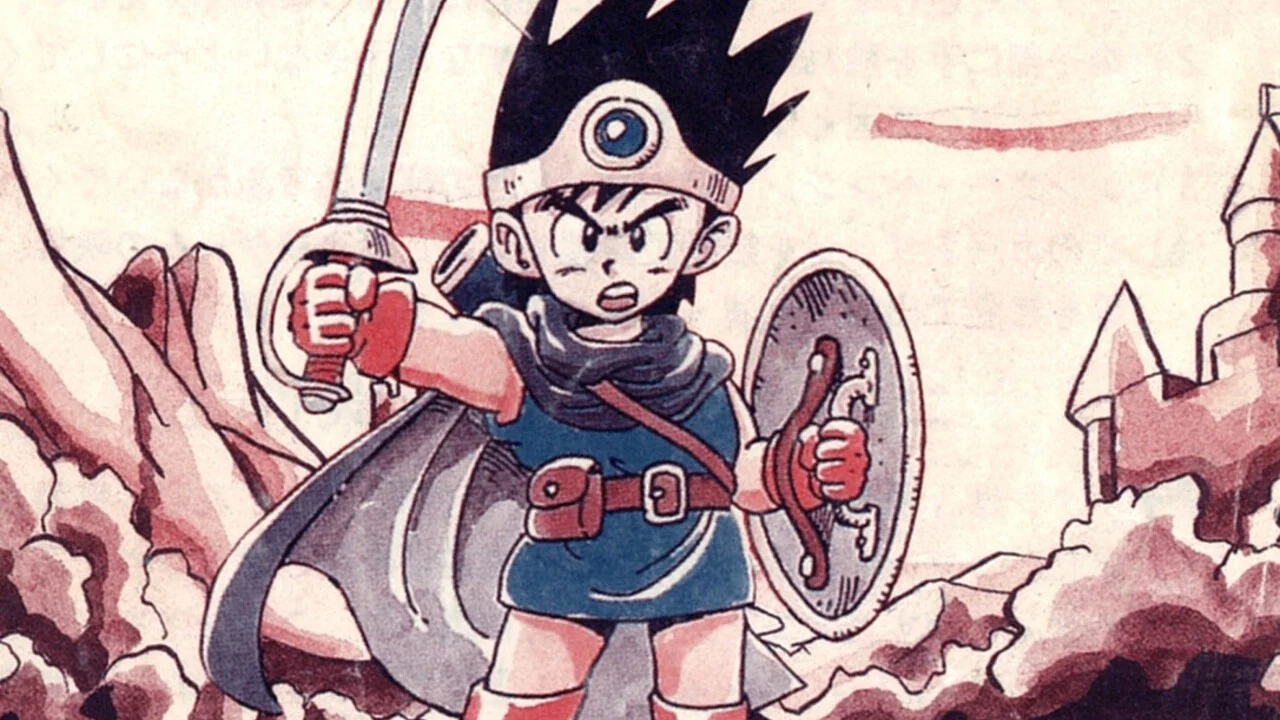
The launch of Dragon Quest III in Japan on February 10, 1988, was a historic event, selling 1.1 million copies in a single day and leading to 300 arrests due to school truancy. The game's release was so chaotic that it sparked an urban legend about a government law to prevent weekday releases, though it was actually Enix's decision to release on Saturdays. The HD-2D remake of the game is now available, but such frenzied scenes are unlikely to be repeated in the digital age.
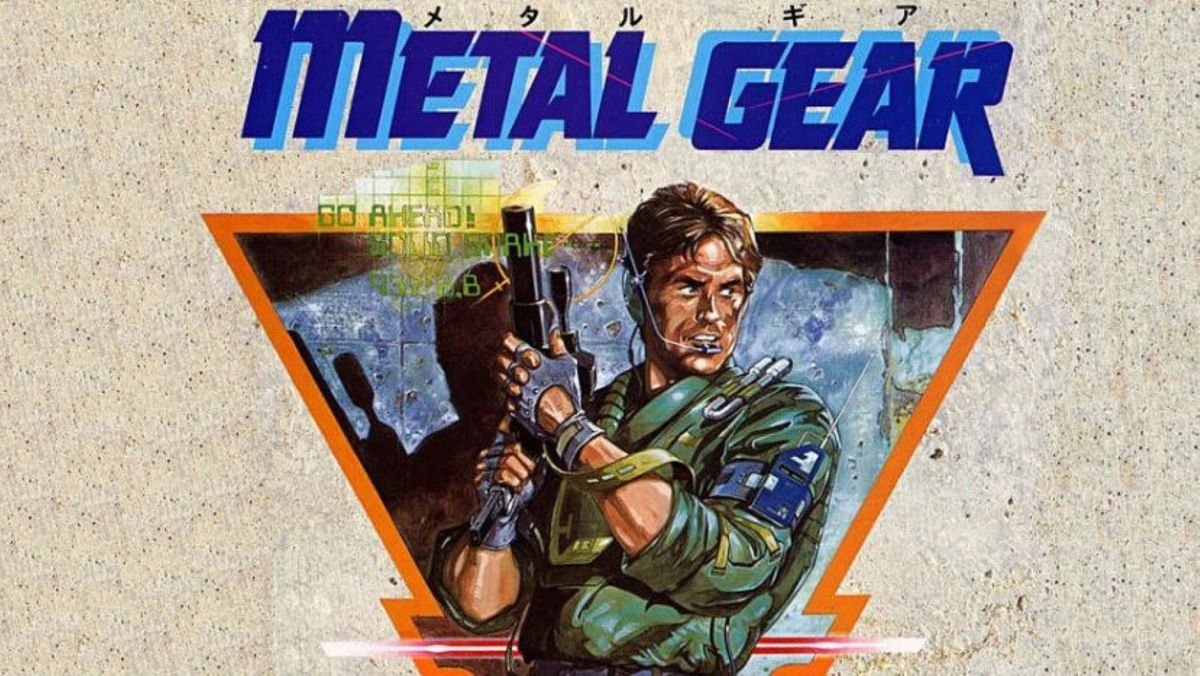
Hideo Kojima reflects on the 37th anniversary of Metal Gear, highlighting the innovative use of a portable radio transceiver in the game, which allowed for interactive communication and enhanced storytelling, making it ahead of its time.

The Vectrex, a pioneering video game console from 1982 known for its vector graphics and integrated CRT display, is experiencing a resurgence 40 years after its market failure due to the video game crash of the early '80s. Enthusiasts and collectors like Sean Kelly, co-founder of the National Videogame Museum, have played a significant role in reviving the console by releasing multi-carts with multiple games, including previously unreleased titles like Mail Plane. The console's unique hardware and graphics capabilities, along with new developer interest, are contributing to its newfound appreciation among retro gaming communities.
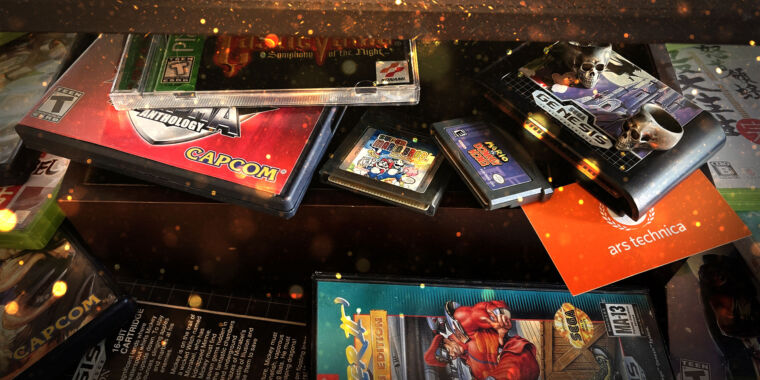
A study by the Video Game History Foundation reveals that 87% of games released in the US before 2010 are no longer commercially available, highlighting the poor market availability of reissued games and the gaming industry's failure to preserve its own history. While libraries, archives, and software pirates have helped ensure some accessibility, the study argues for the need to provide more tools to libraries and archives to preserve access to classic games. The availability of legacy games varies across different eras, with only 2.6% of games released in or before 1984 currently in print. The study emphasizes the importance of preserving access to classic games for researchers and developers studying the industry's evolution over time.