Following an EHV outbreak in Texas and Oklahoma, local veterinarian Rob Conner advises horse owners to be cautious, avoid mixing horses from affected areas, and watch for symptoms, as the virus is highly contagious among horses but not a risk to humans.
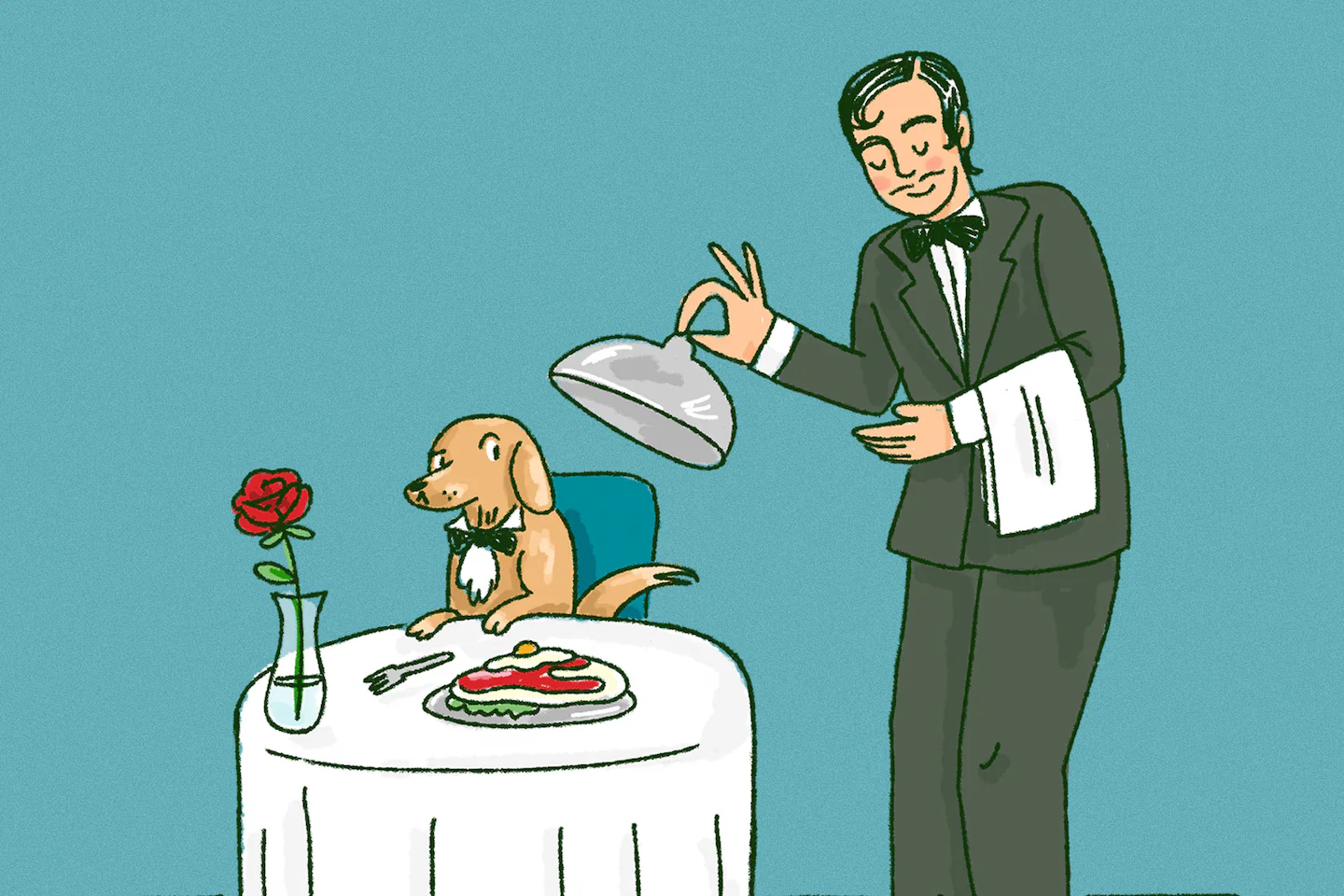
Veterinarians oppose raw food diets for pets because they can contain harmful viruses, bacteria, and parasites that pose health risks to both pets and humans, despite claims of being balanced and nutritious.
Dog owners are being warned about giardiasis, a highly contagious parasitic infection that can be passed between dogs and humans. Symptoms in both include foul-smelling diarrhea, flatulence, and bloating. Treatment involves antibiotics for humans and specific medications for dogs, along with good hygiene practices to prevent transmission.
Michigan is experiencing a significant outbreak of the H5N1 bird flu, which poses serious risks to pets, especially cats and ferrets. Veterinarians advise pet owners to prevent their animals from hunting birds, scavenging carcasses, or coming into contact with potentially contaminated surfaces and unpasteurized milk. Following hygiene practices and avoiding raw poultry meat can help protect pets from infection.
Veterinarian Tiffany Ruiz-Dasilva advises against feeding dogs raw eggs, raw meat, and bully sticks due to health risks like bacterial contamination and potential nutritional deficiencies. She recommends commercially prepared diets formulated by experts to ensure safety and balance, especially in households with children or vulnerable individuals. Her advice has sparked debate among pet owners.
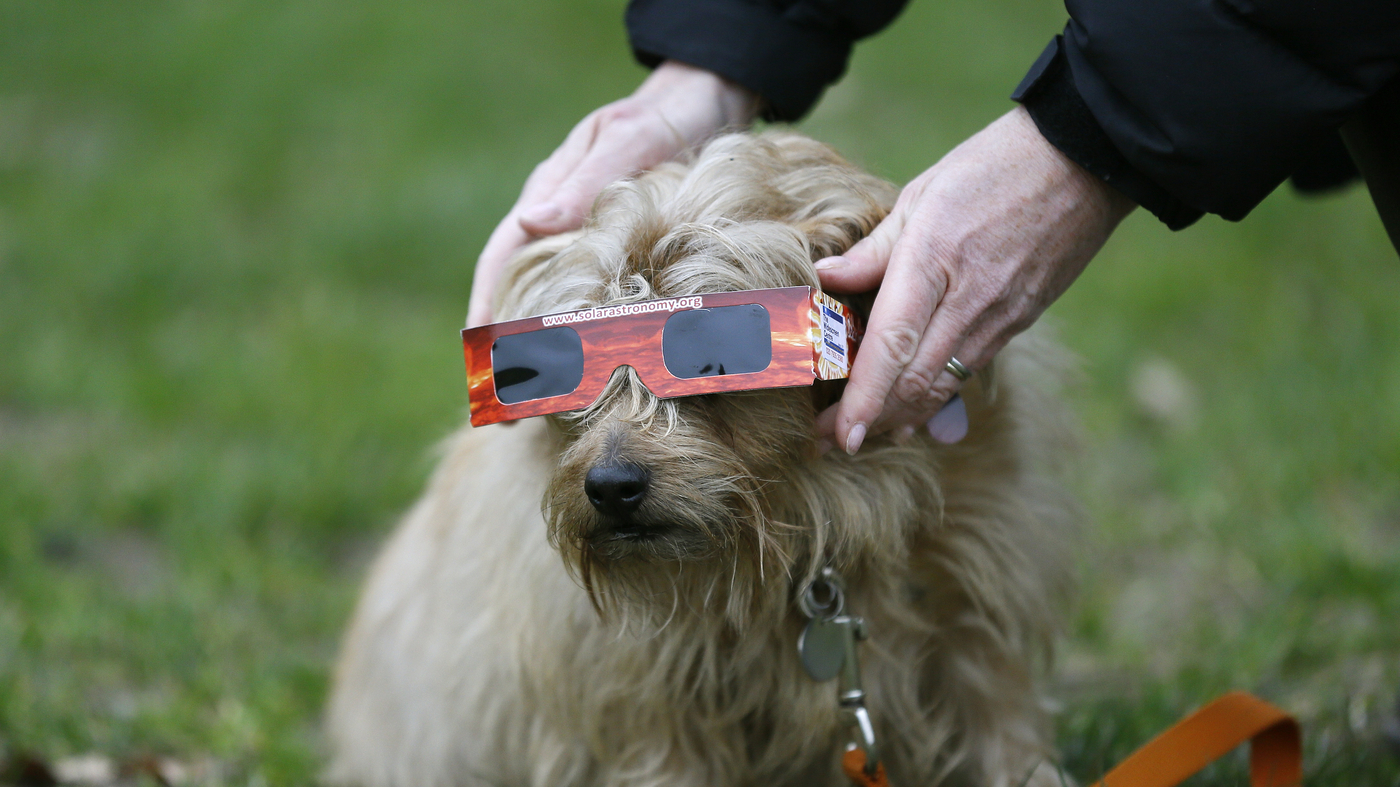
Experts advise leaving pets at home during the solar eclipse due to potential stress from crowds and traffic. If traveling with pets, plan for contingencies such as extra food and water, and pay attention to signs of distress. Pets do not need eclipse sunglasses, and attempting to put them on could cause stress. It's important to maintain a strong client-patient relationship with your vet, especially during events like a solar eclipse.
As an unidentified canine respiratory illness continues to spread across the United States, causing symptoms like cough, fever, and lethargy, veterinarians are urging pet owners to be cautious but not panic. Experts recommend staying informed and taking precautions to protect dogs' health during the holiday season.