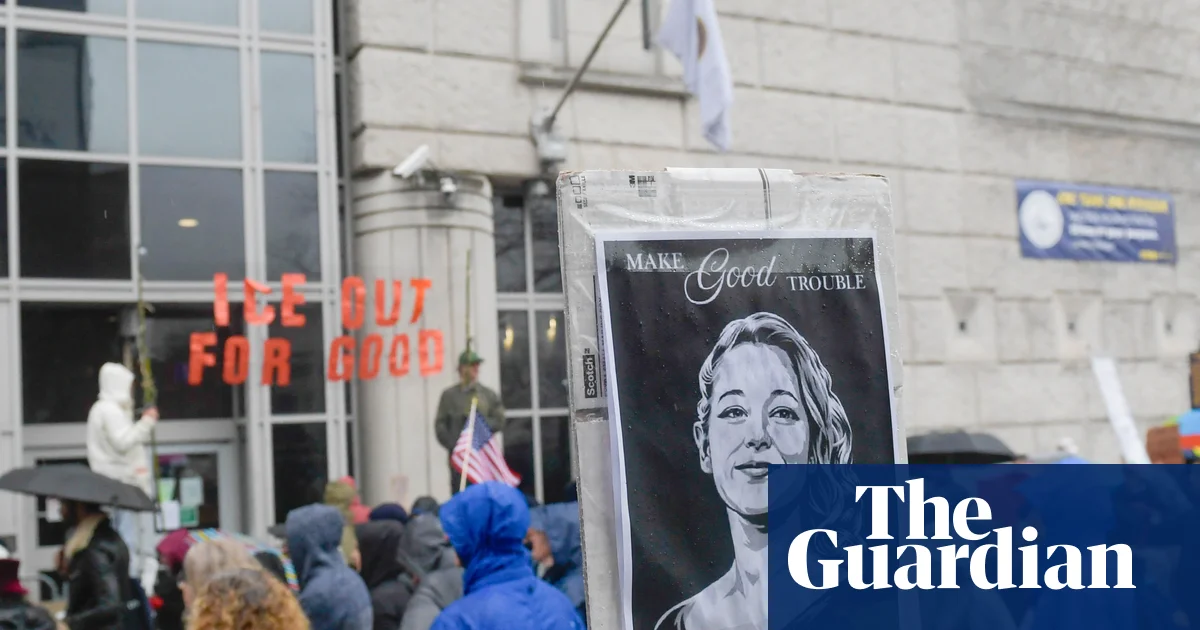
Protests across the US, including in Philadelphia, Boston, and Minneapolis, condemned ICE's actions following the killing of Renee Good and criticized US foreign and domestic policies, highlighting concerns over immigration enforcement, violence, and US involvement in Venezuela, with large crowds demanding change and accountability.
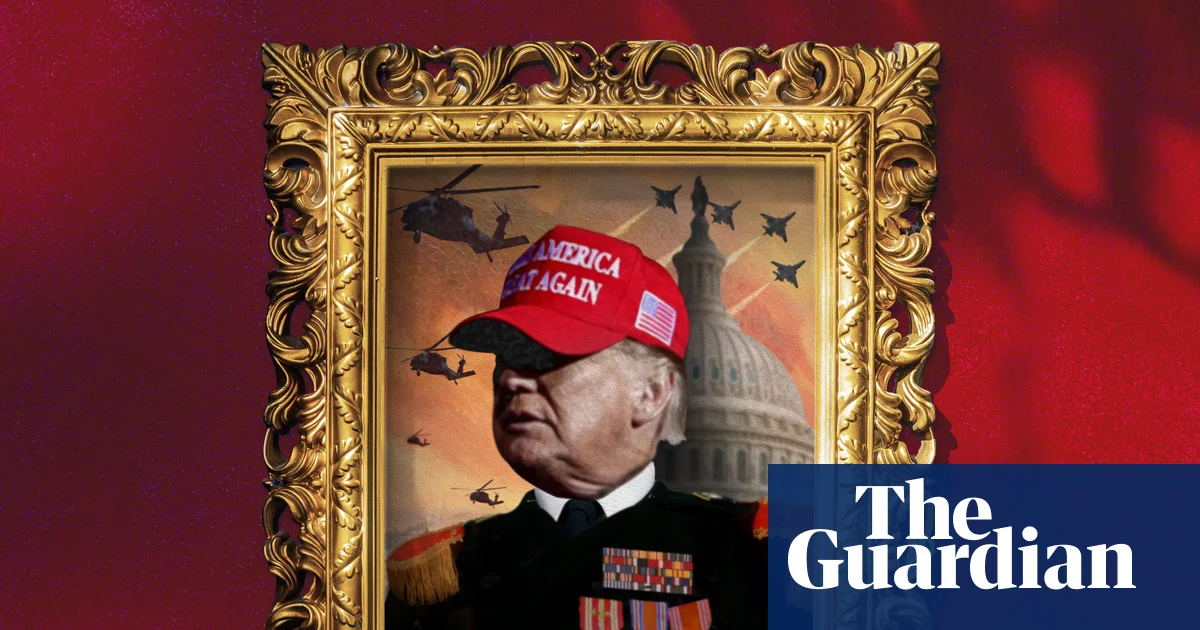
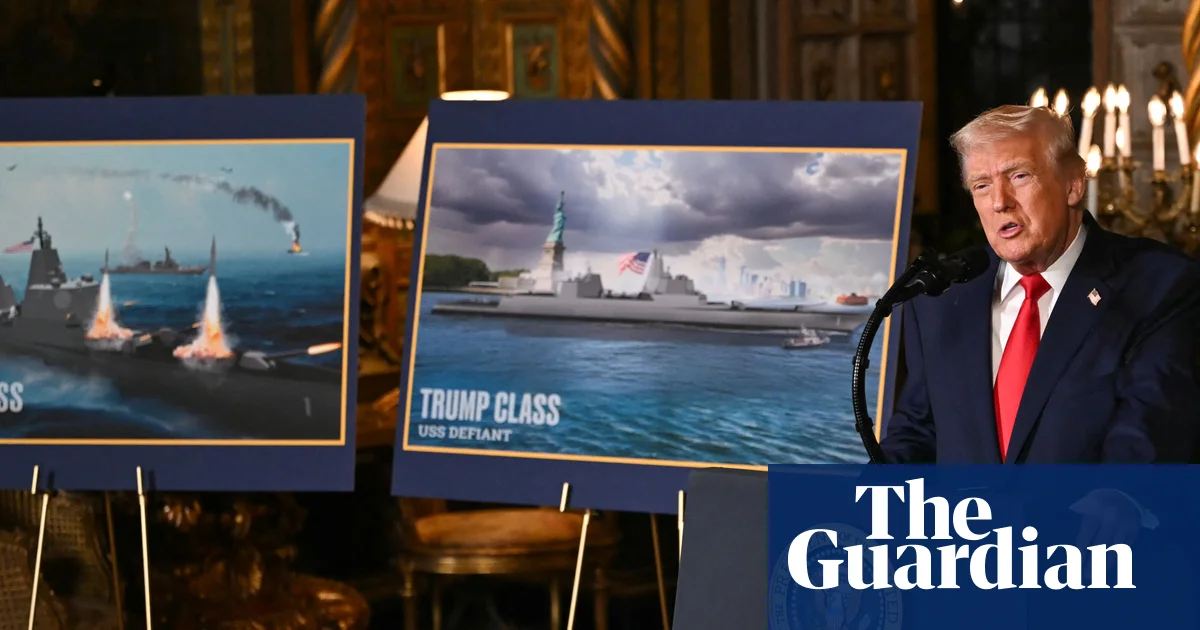
The article discusses Donald Trump's aggressive expansionist policies, including the seizure of Venezuela and threats towards Greenland, framing these actions as a revival of American imperialism inspired by historical doctrines and comparable to Russia and China's territorial ambitions, raising concerns about potential conflicts among superpowers.
The UN Security Council is divided over the US-led operation in Venezuela, with some viewing it as lawful law enforcement and others condemning it as illegal aggression, highlighting deep international divisions on sovereignty, legality, and regional stability.
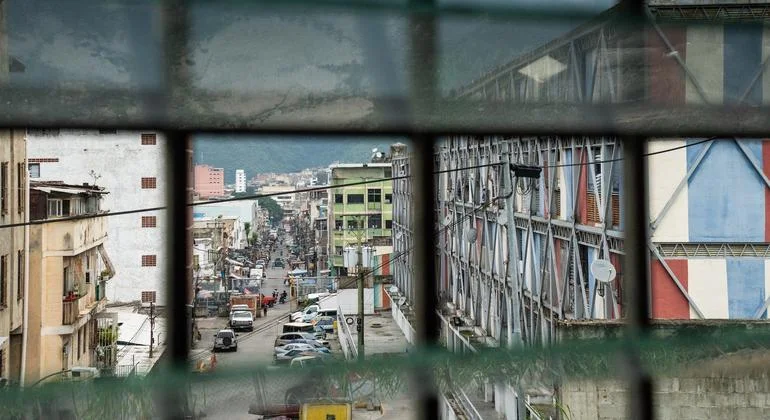
Investors enjoyed a strong 2025 with significant gains driven by AI enthusiasm, but the start of 2026 is marred by geopolitical tensions following the US attack on Venezuela, creating uncertainty in global markets.
The year 2025 was marked by a strong stock market rally driven by enthusiasm for AI, with Alphabet leading gains and gold and silver soaring. Major geopolitical events included U.S. military action in Venezuela, and the EV market saw Chinese automaker BYD surpass Tesla. The year also featured significant market movements and upcoming economic indicators to watch in 2026.
Tony Dokoupil's debut as anchor of CBS Evening News was overshadowed by breaking news on Venezuela, leading to a less traditional start with a focus on current events and an interview with Defense Secretary Pete Hegseth, amid ongoing challenges in revitalizing the program's viewership and managing internal changes at CBS News.
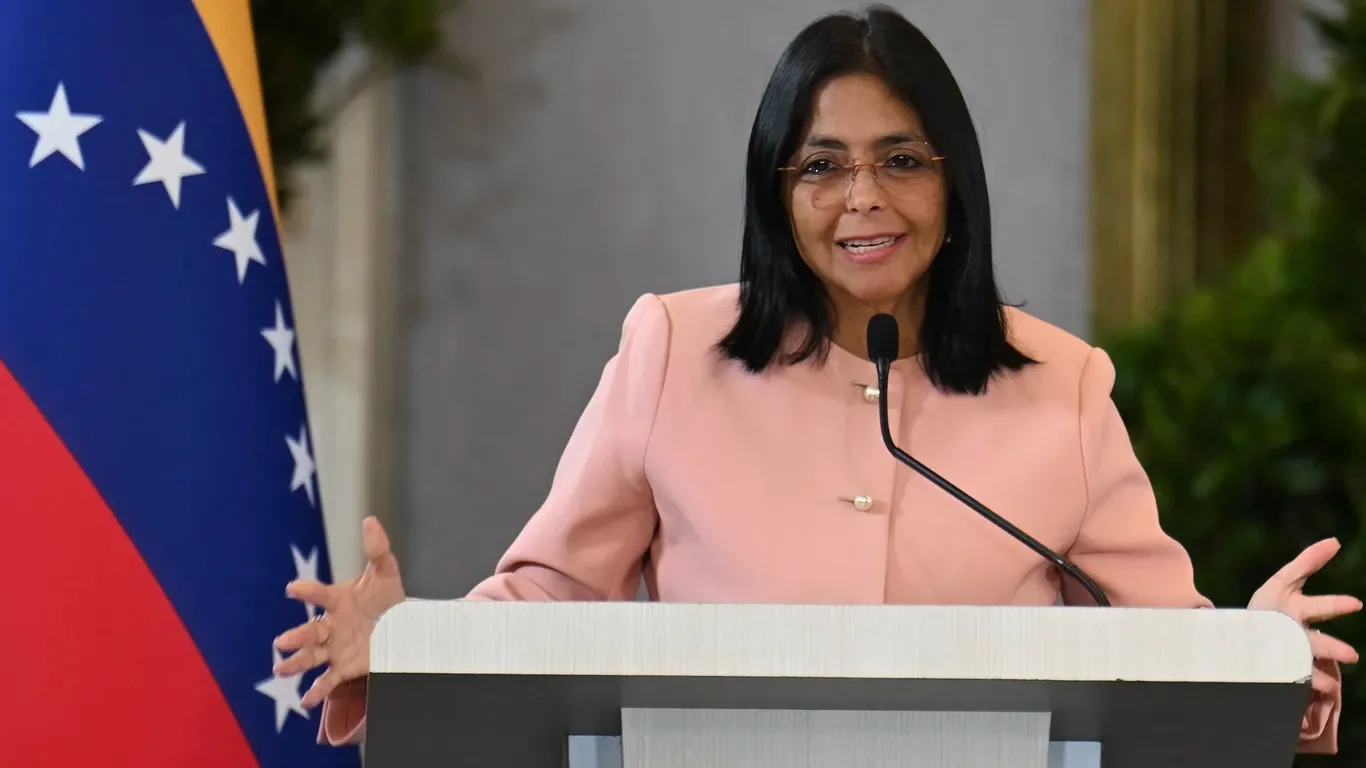
Venezuela's Vice President Delcy Rodríguez rejected U.S. claims of taking control of the country and condemned the attack on Maduro, emphasizing Venezuela's sovereignty and calling for respectful relations, amidst ongoing tensions and uncertainty about Maduro's detention.
The US is quietly expanding military and security agreements across Latin America and the Caribbean, including troop deployments and access to bases, under the guise of the 'war on drugs,' but these actions are viewed by analysts as a strategic escalation aimed at Venezuela and regional influence, raising concerns about increased US military presence and regional destabilization.
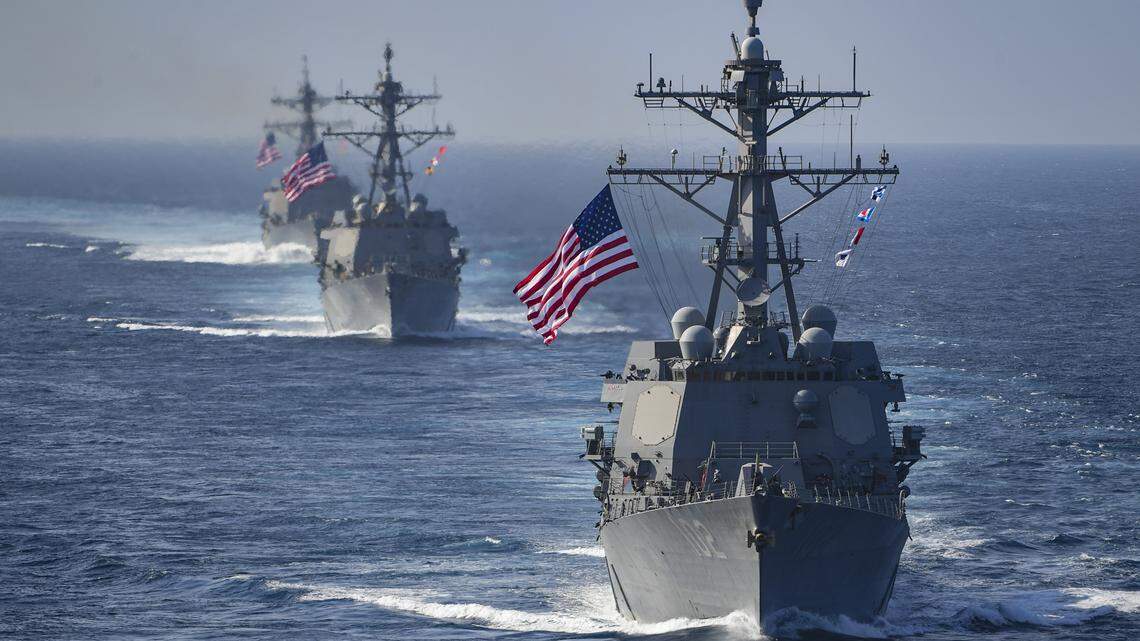
The US has deployed a naval strike force off Venezuela's coast, designating Maduro's regime and its drug trafficking network as terrorist organizations, and has taken lethal actions against suspected drug vessels, signaling a potential move towards more aggressive intervention to oust Maduro amidst ongoing political and security tensions.