Kilmar Abrego Garcia's attorneys allege that the U.S. government is coercing him to accept a guilty plea or face deportation to Uganda, after he refused to be deported to Costa Rica, despite assurances from Costa Rican authorities. The case involves complex immigration and criminal charges, with accusations of government pressure and potential threats to his safety if deported to Uganda.
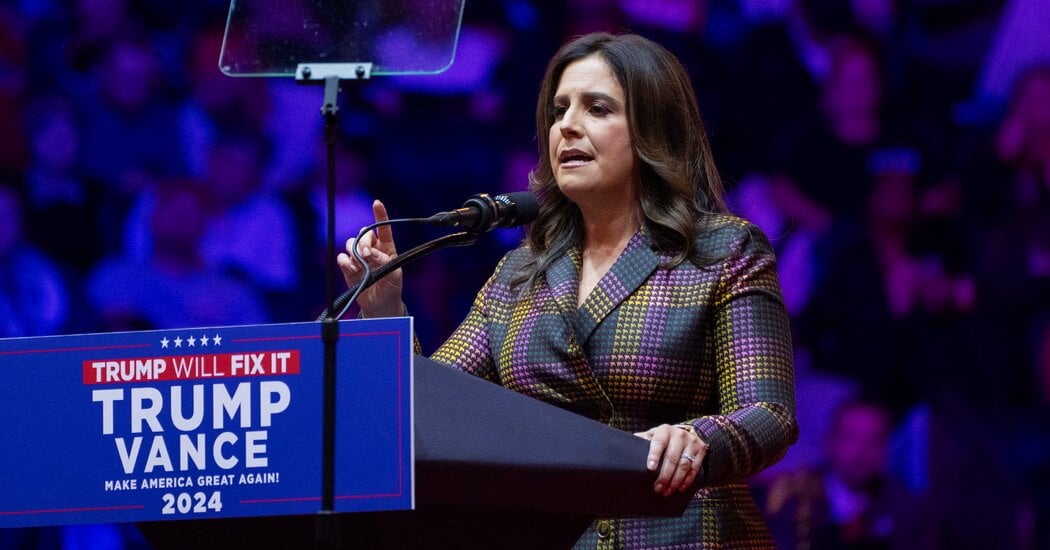
Elise Stefanik, a prominent Republican congresswoman and supporter of former President Donald Trump, has been selected by Trump as his choice for U.N. Ambassador. Stefanik, known for her strong conservative stance and vocal support of Trump, has been a significant figure in the Republican Party, particularly noted for her role in defending Trump during his impeachment trials. Her nomination reflects Trump's continued influence in the GOP and his strategic positioning of loyalists in key roles.
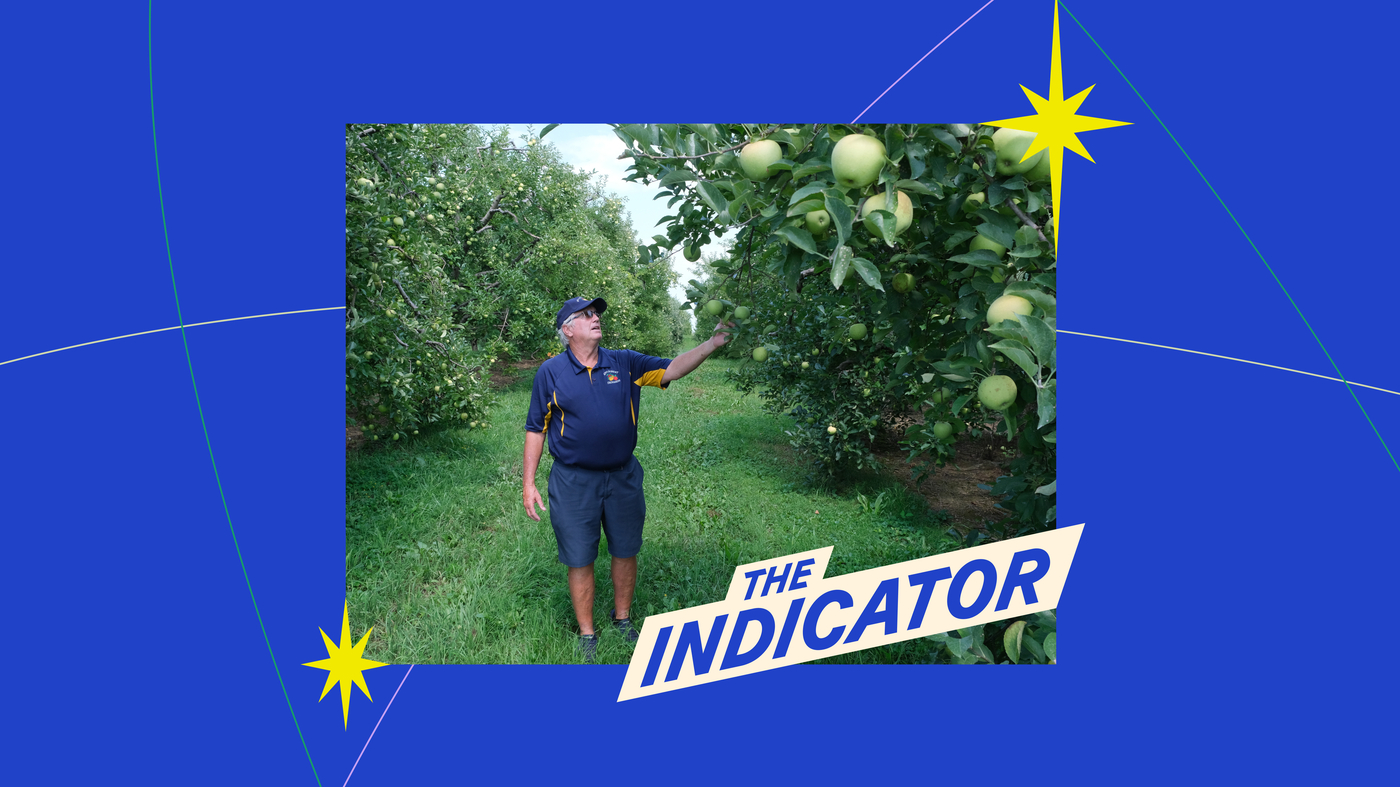
The U.S. government is purchasing a record amount of apples for the second consecutive year due to a lack of consumer and processor demand. This surplus has led to difficulties for apple growers in finding markets for their produce, causing some to exit the industry altogether.
The family of Ashli Babbitt, who was killed by a Capitol Police officer during the January 6 riot, has filed a lawsuit against the U.S. government, seeking $30 million in damages. The suit, filed by her husband, accuses the officer of wrongful death, assault, and negligence. Federal prosecutors and a Capitol Police probe previously found the officer's actions justified, deeming them as self-defense or defense of others. The officer, Lt. Michael Byrd, was cleared of wrongdoing, but Babbitt's death remains a polarizing issue, with some on the far right viewing her as a martyr.
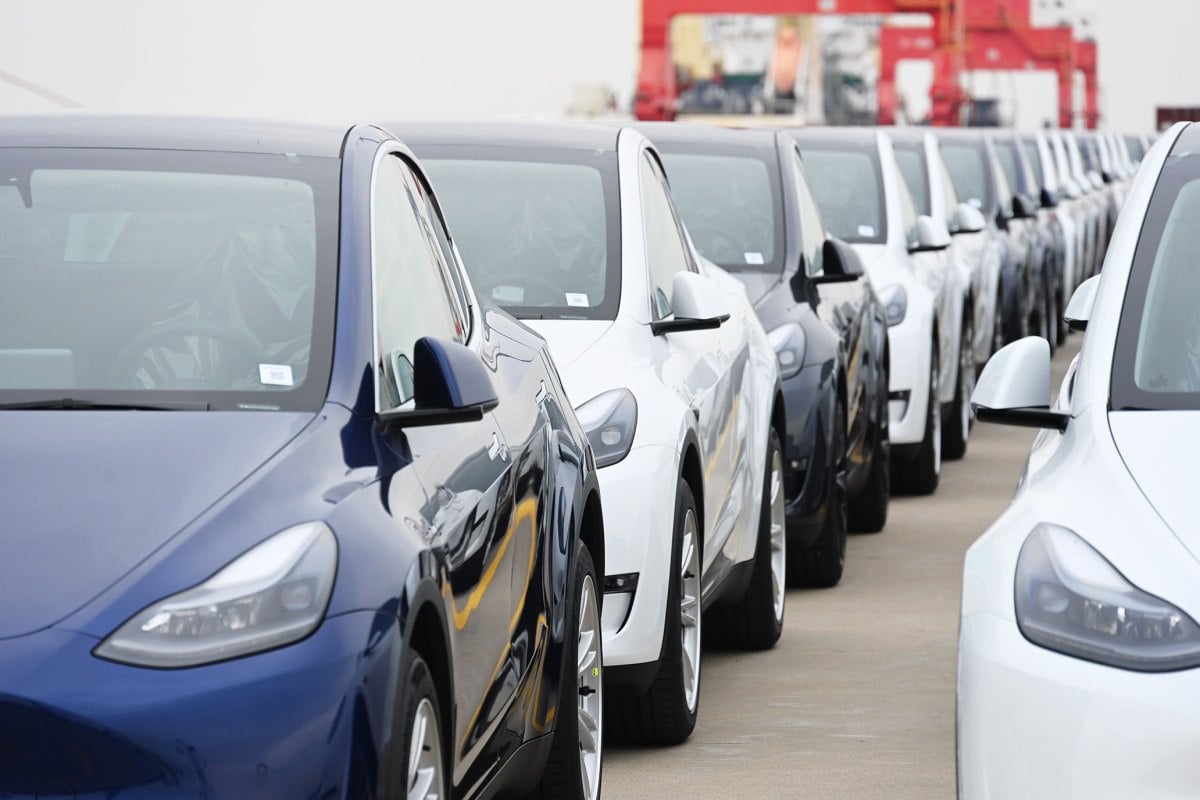
The U.S. government has announced the electric vehicles eligible for the full $7,500 federal tax credit under new guidelines, including GM's Chevy Bolt, Ford F-150 Lightning, and certain Tesla models. A smaller $3,750 credit applies to some Rivian models and plug-in hybrids. The stringent criteria aim to shift the EV supply chain away from China and towards North America, with vehicles required to be built in North America and fall under specific price caps. The updated tax credit is now more consumer-friendly, being applied at the time of purchase and not requiring a tax liability equal to the credit amount. Automakers are adapting to these changes, with efforts to replace non-qualifying components and build more factories in North America.