Many online platforms use algorithms to recommend content, but users can often tweak these settings through features like Meta's 'Dear algo' and Instagram's 'Your Algorithm' to better control what they see, although some content may still be artificially promoted regardless of user preferences.
The article reflects nostalgia for simpler, non-intrusive personal computing days and criticizes modern operating systems like Windows 11 and macOS for their increased upselling, nagging, automatic updates, and loss of user control. The author advocates for using Linux and other open-source OSes for better privacy, control, and a less commercialized experience, while acknowledging the challenges of software compatibility and hardware support. The overall tone is a call for a return to more straightforward, user-empowered computing.
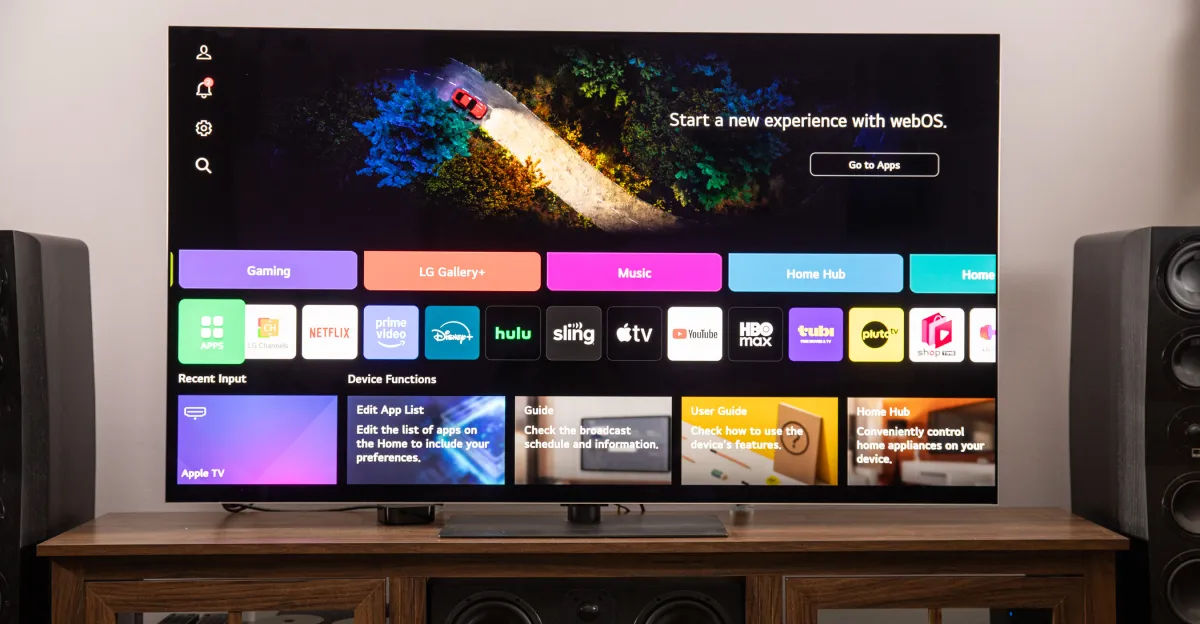
LG pre-installed a Copilot web app on its TVs but allows users to delete it, highlighting issues of pre-installed software and user choice in modern smart devices.
YouTube is introducing new features to enhance TV viewing, including AI upscaling of low-resolution videos with an opt-out option for creators and viewers, support for 4K upscaling in the future, expanded thumbnail limits, and interactive shopping features, all aimed at improving the user experience on large screens while respecting creator control.
Pinterest has introduced a 'tuner' tool allowing users to reduce AI-generated content in their feeds for categories like beauty, art, fashion, and home decor, but it does not eliminate AI content entirely. The feature is available on Android and desktop, with iPhone support coming soon, and is part of Pinterest's broader efforts to manage AI infestation with labels and detection tools.
Google Search now allows users to hide sponsored ads, giving them more control over their search experience and privacy. The update aims to improve user experience by reducing unwanted advertising visibility.
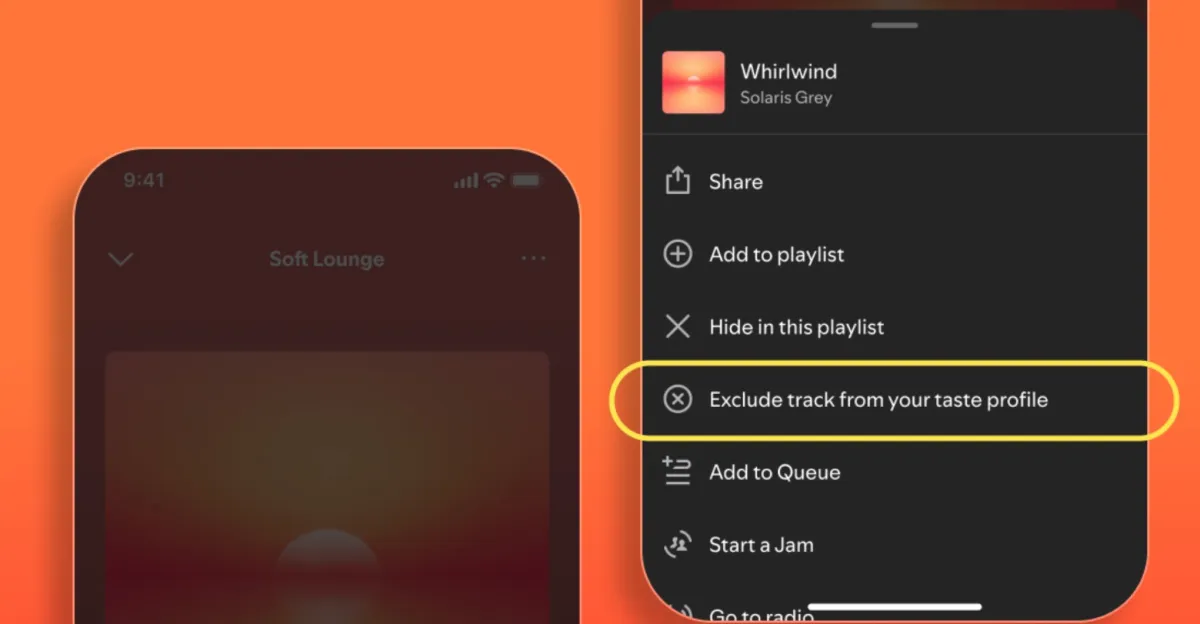
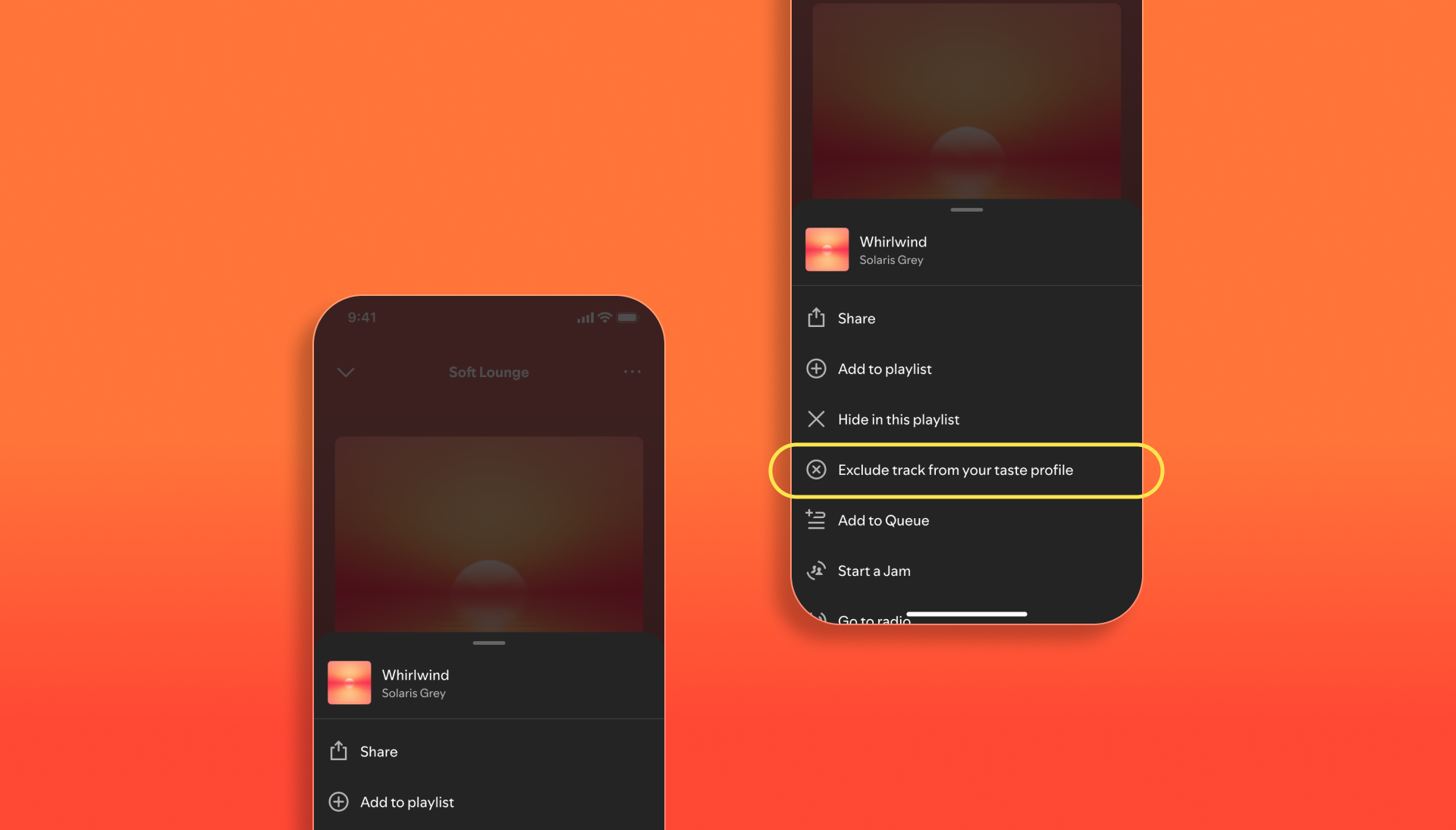
Spotify now allows users to exclude specific songs from their Taste Profile, giving more control over personalized music recommendations across all platforms, helping prevent certain tracks from influencing future suggestions.
Spotify now allows users to exclude individual tracks from their Taste Profile, enhancing personalization by preventing certain songs from influencing future recommendations, available for both free and premium users across multiple platforms.
Originally Published 4 months ago — by Hacker News
The article discusses the growth of Blacksky without advertising, critiques the challenges of decentralized social networks, and advocates for user-controlled, transparent platforms with simple, purpose-driven design, highlighting the limitations of federation and the importance of community and ease of use.
The article discusses how users can limit or disable Galaxy AI on Samsung smartphones to enhance privacy and control over their device's AI features, emphasizing user options to manage AI functionalities.
Spotify has updated its Discover Weekly playlist after 10 years, introducing new genre filters that allow users to customize their music recommendations more precisely, enhancing user control over algorithmic suggestions.
Bonfire Social is an open-source, modular social networking software built on ActivityPub that allows communities to create highly customizable and autonomous social spaces, free from corporate control, with features like custom feeds, nested discussions, multiple profiles, and privacy controls, aiming to empower users and communities.
Reddit has introduced new privacy features allowing users to hide their posts, comments, and NSFW content from their profiles, with default settings remaining public. Users can now selectively hide activity in specific subreddits or all public activity, enhancing privacy and encouraging genuine engagement. Moderators retain access for 28 days after user interactions, but the new settings aim to reduce reliance on throwaway accounts, despite some concerns about decreased transparency and potential misuse by bad actors.
T-Mobile introduced a default-on screen recording feature in its T-Life app to troubleshoot app issues, which only records within the app and can be disabled through settings. The company clarified it does not access personal data, but the lack of prior notification has raised privacy concerns.
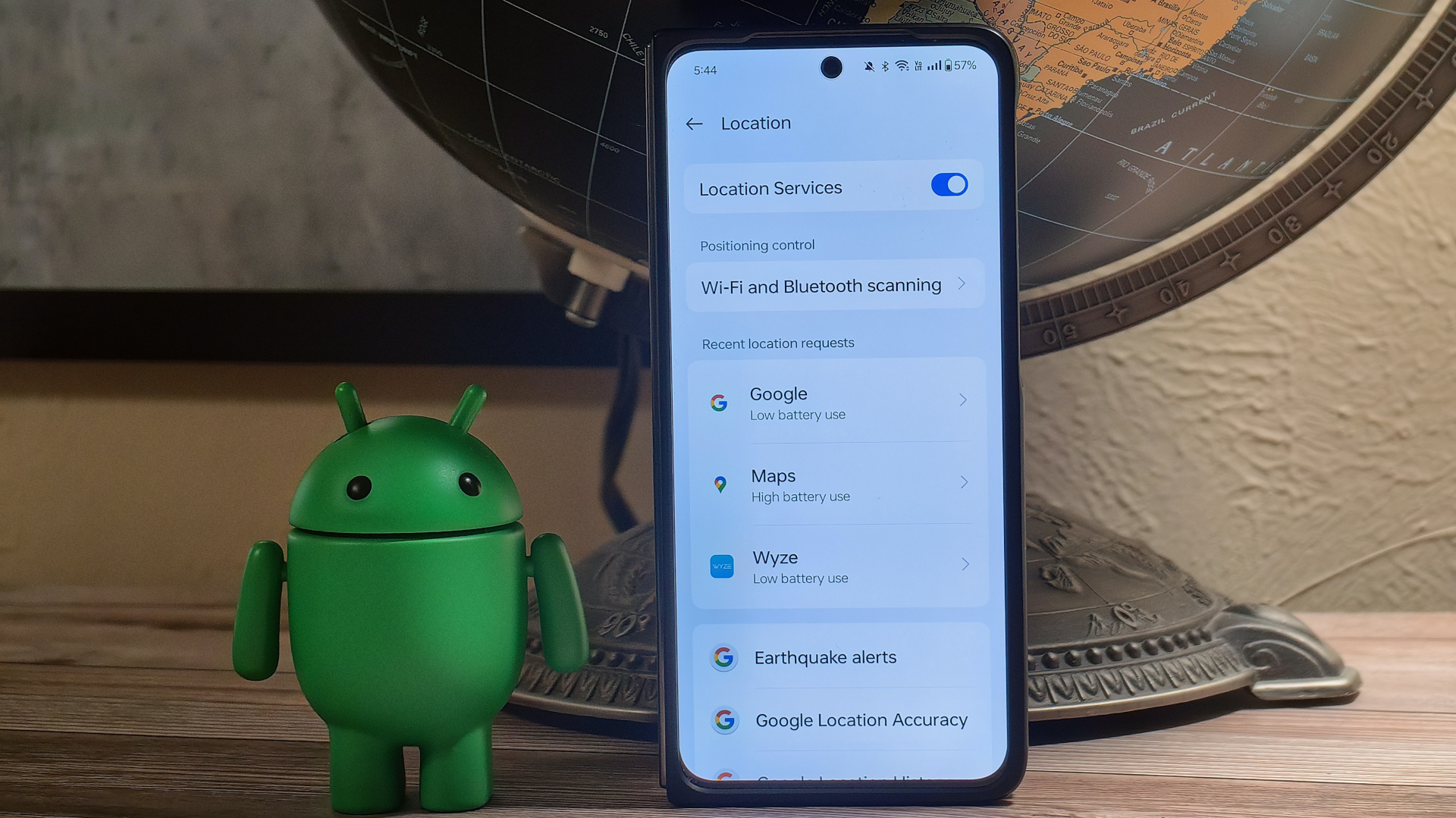
Android 15 may introduce a new location privacy feature that allows users to control when their location is shared with cellular networks, potentially blocking non-emergency requests. This feature requires support from the device's radio vendor and may not be available on all devices upgrading to Android 15. While it won't completely hide a user's location from carriers, it provides more control over when location data is shared and could help mitigate attacks from devices that mimic cellular networks.