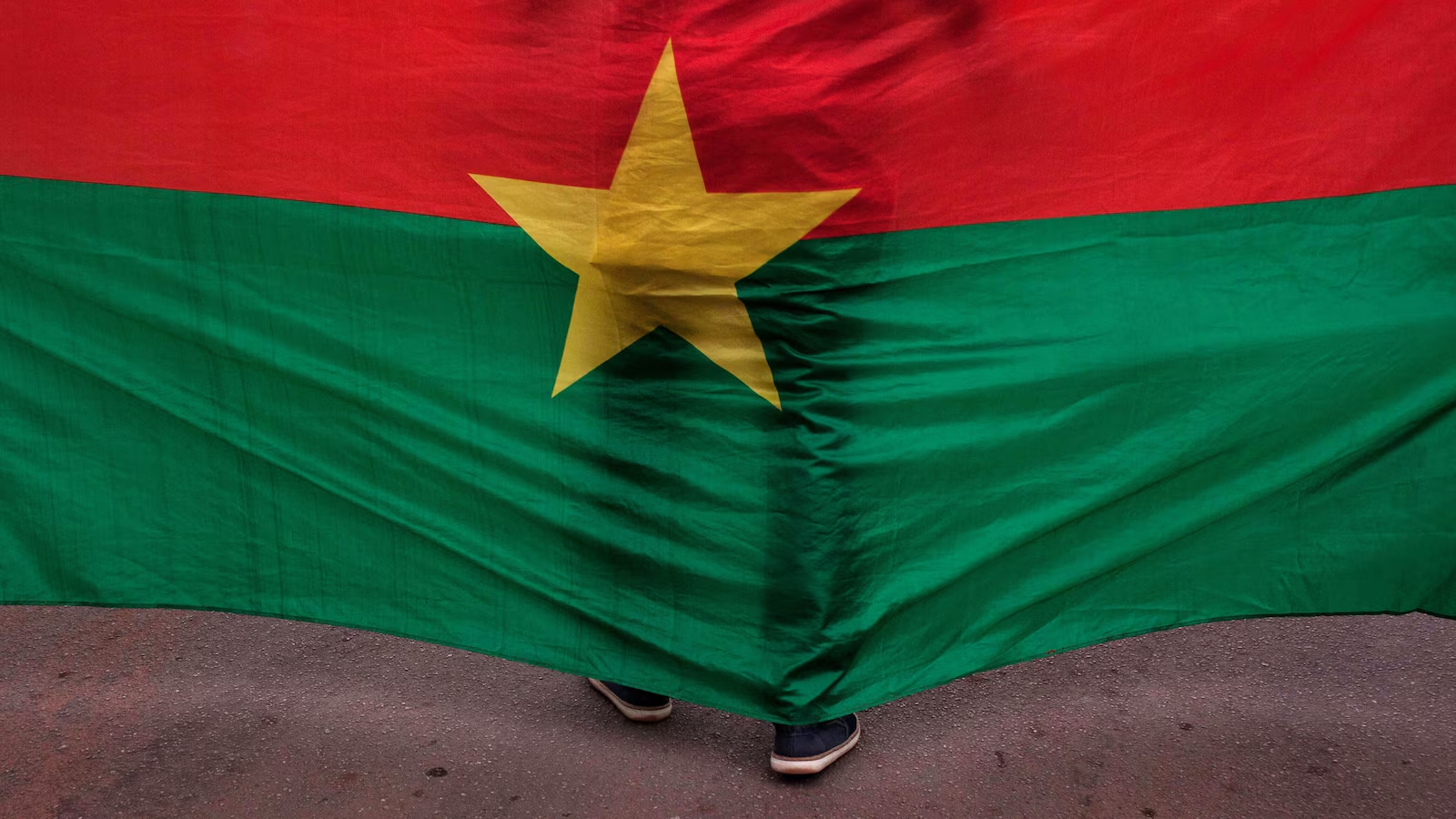
Mali and Burkina Faso have imposed a travel ban on US citizens in retaliation for the US banning citizens from these countries, reflecting escalating tensions and reciprocal measures amid regional security issues involving armed groups.
A federal judge in New York temporarily blocked the Trump administration from detaining British researcher Imran Ahmed, who was accused of promoting online censorship and was among five Europeans barred from entering the US for allegedly attempting to coerce American platforms to suppress viewpoints. The judge's decision prevents Ahmed's detention amid ongoing disputes over online disinformation and censorship policies.
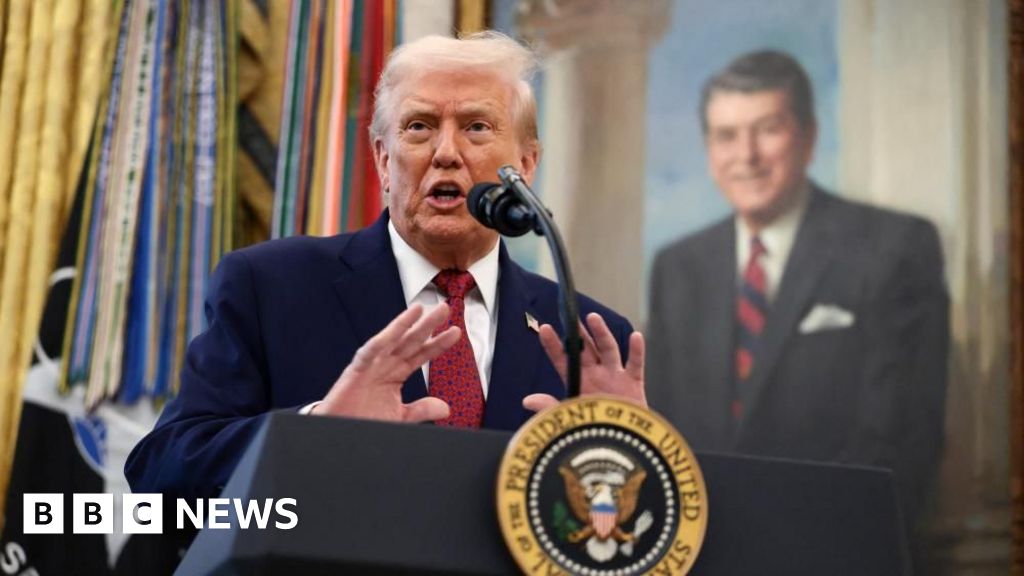
President Donald Trump has expanded the US travel ban to include five additional countries and Palestinian Authority-issued document holders, citing security concerns and screening failures, with restrictions starting January 1. The ban now fully applies to Burkina Faso, Mali, Niger, South Sudan, Syria, Laos, and Sierra Leone, and partially to 15 other countries, with exceptions for certain travelers and waivers available. The restrictions aim to improve overseas screening and cooperation, and will remain until countries enhance their identity management and information sharing.
A Venezuelan Little League team was denied entry into the US for a tournament due to the Trump travel ban, leading to disappointment among young athletes. They were replaced by a team from Mexico, after efforts to secure visas in Colombia failed. The incident highlights ongoing travel restrictions affecting international sports competitions.
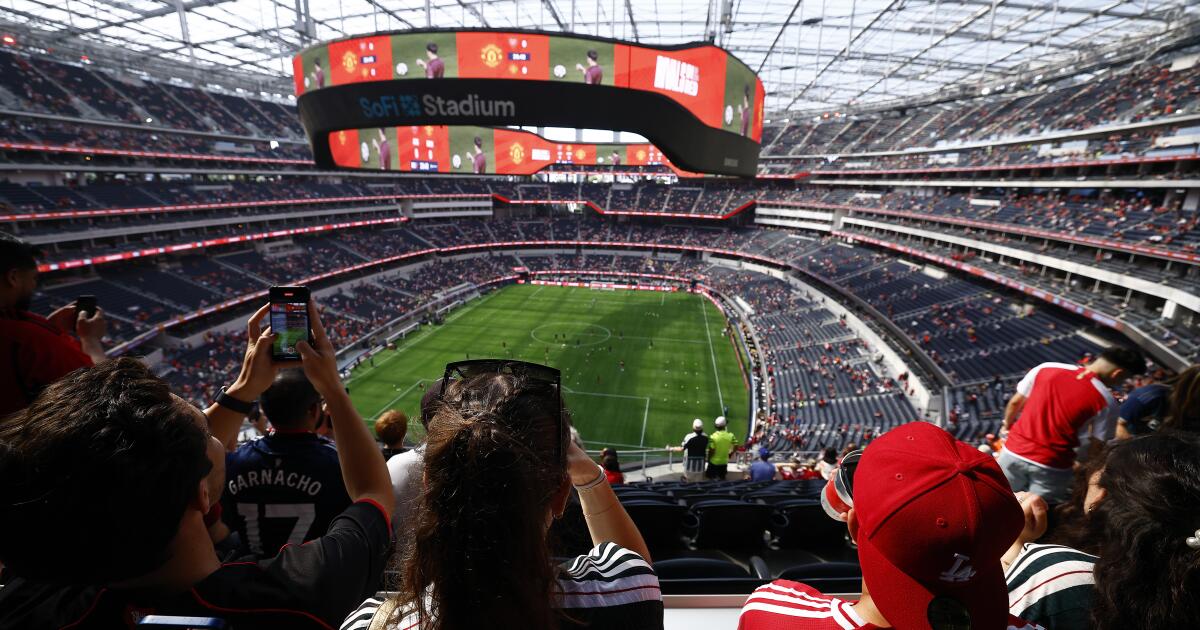
With the FIFA World Cup a year away, uncertainties over visas due to U.S. travel bans and political issues pose challenges for the event's success, despite significant economic and cultural opportunities, especially in Southern California where the tournament will be hosted. The event's scale and the complex visa and immigration policies could impact attendance and logistics, but organizers remain cautiously optimistic about resolving these issues.
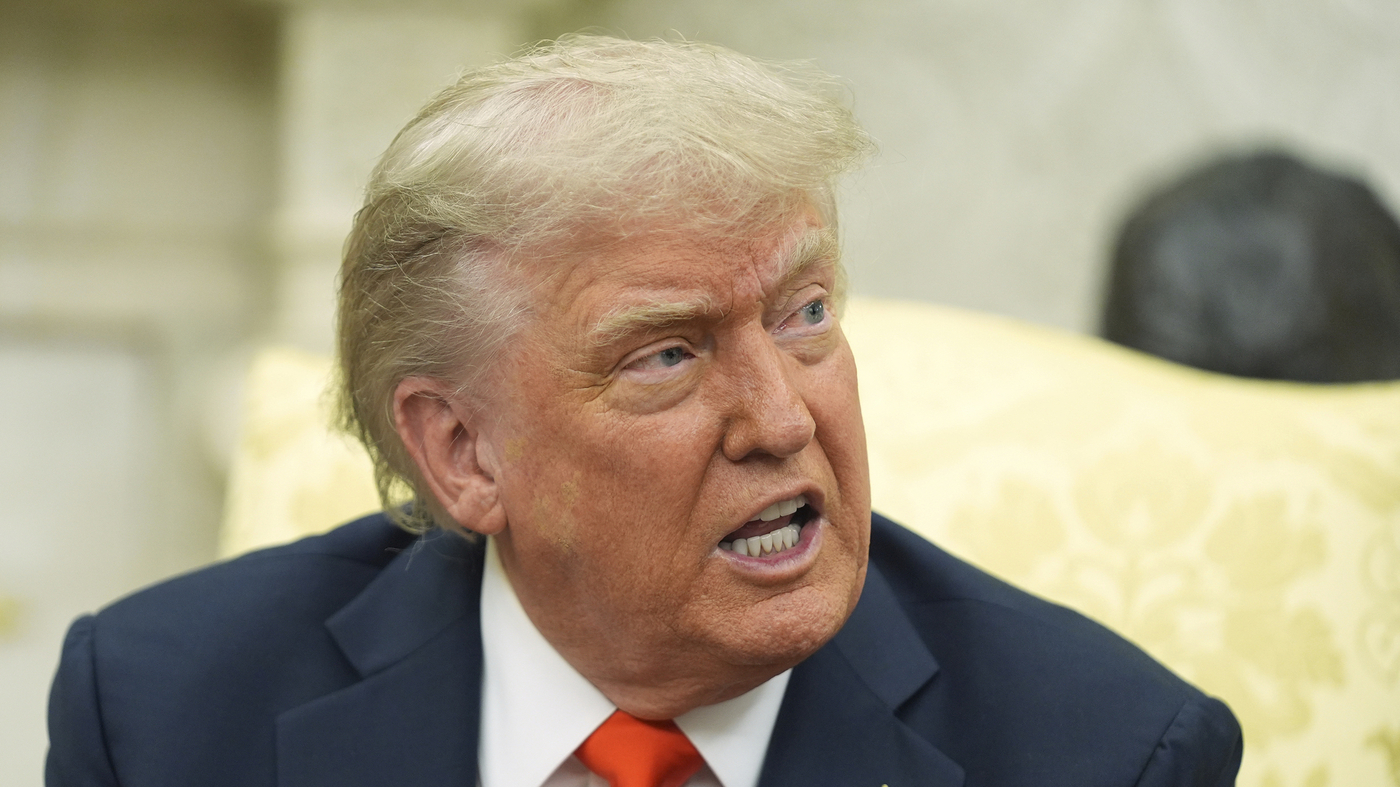
President Trump announced a new travel ban affecting 12 countries and partially restricting travelers from seven others, prompting varied reactions from reporters across Asia, Latin America, and Africa about its impact on targeted nations.
Venezuela criticized the US travel ban imposed by Trump, calling the US dangerous and fascist, while Somalia expressed willingness to cooperate with Washington on security issues. The ban targets 12 countries, including Afghanistan, Iran, and Yemen, and is part of a controversial immigration policy. Reactions from other nations were mixed, with some not responding immediately.