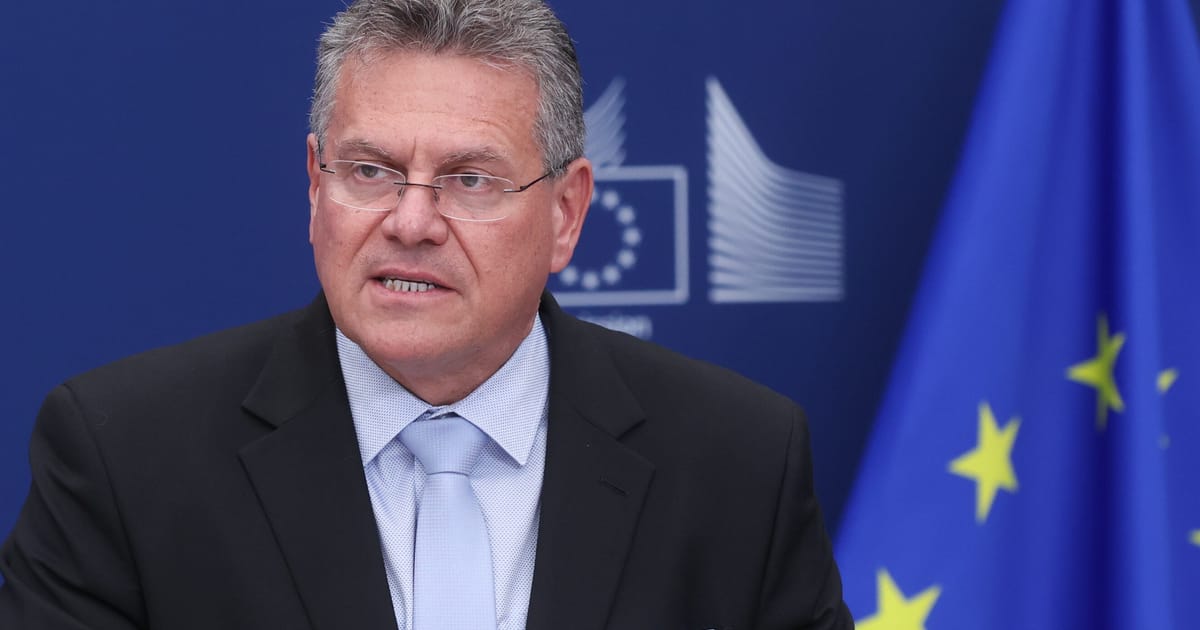
EU Parliament is considering freezing a US trade deal in response to President Trump's threats over Greenland, amidst ongoing political tensions and discussions about EU policies and international relations.
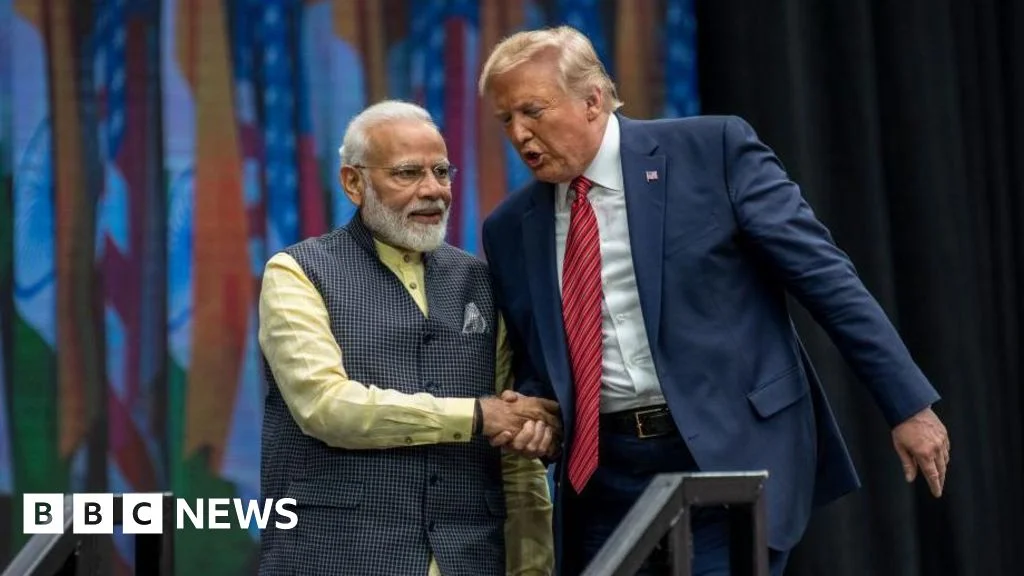
India denies that the US trade deal stalled because Modi didn't call Trump, despite claims by US officials; negotiations continue with key issues like agriculture and tariffs remaining unresolved, amid strained relations and ongoing discussions.
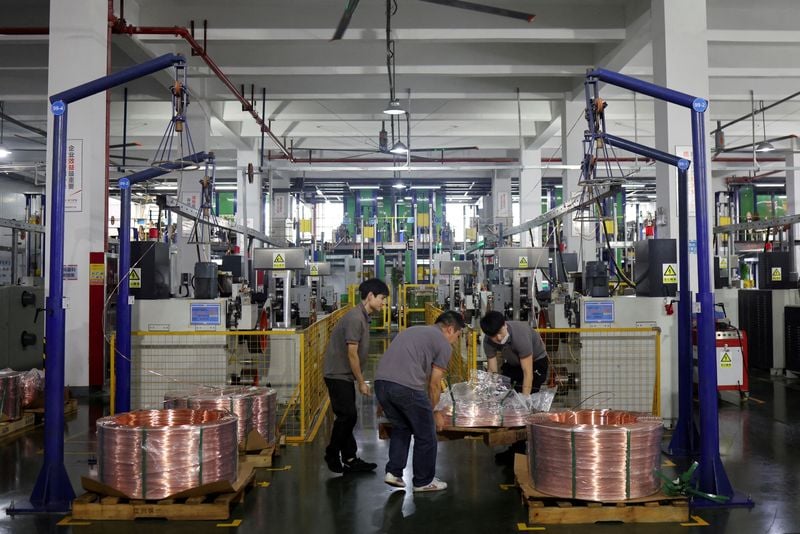
China's manufacturing activity declined for the sixth consecutive month in September, with official PMI slightly improving but still indicating contraction, as firms await further government stimulus and clarity on a US trade deal. Meanwhile, private surveys show some export-oriented growth, reflecting mixed economic signals amid ongoing uncertainties and policy support efforts.
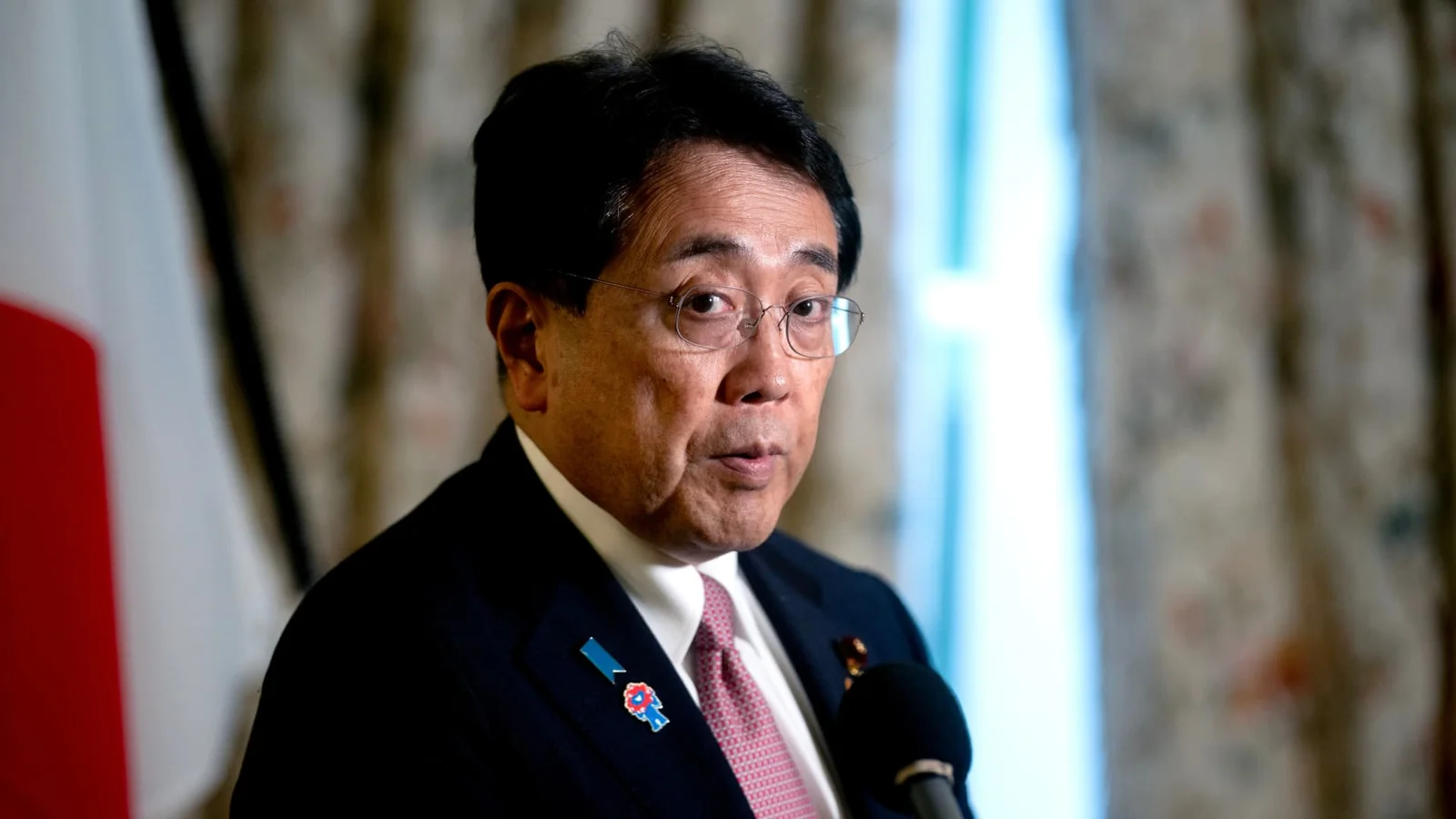
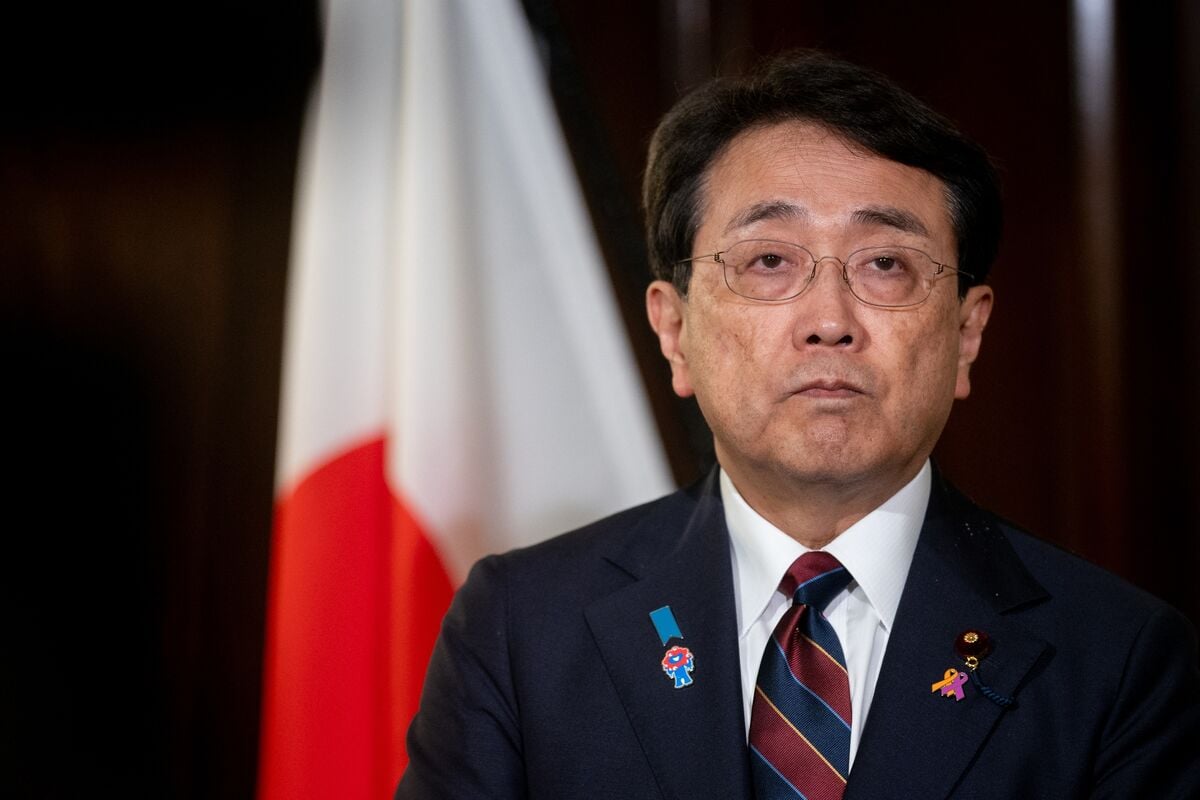
Japan's top trade negotiator Ryosei Akazawa canceled a trip to the US over unresolved issues related to tariffs and the $550 billion investment package, with discussions ongoing at the administrative level to resolve these trade disagreements.
The EU considers the recent US trade agreement as the best possible outcome under the circumstances, with the European Commission expecting US to adhere to a 15% tariff ceiling, despite internal disagreements and criticism, particularly from Germany.
European leaders, especially Germany and France, reacted negatively to the new EU-US trade deal, citing concerns over economic damage and submission to US interests, despite some acknowledging it as a necessary compromise to avoid a trade war. The deal involves a 15% tariff on EU exports to the US and aims to strengthen transatlantic relations amid geopolitical tensions, but faces approval hurdles within the EU and mixed reactions in the US.
Japan expects only 1-2% of its $550 billion US fund to be actual investments, with the rest mainly loans and loan guarantees, and anticipates significant tariff savings, aiming to implement the deal swiftly without a formal joint document, while the US and EU also pursue trade agreements.
The EU is considering a limited US trade deal with a 10% tariff, amidst ongoing trade tensions and efforts to strengthen its position by exploring alliances like the Asia-Pacific trade bloc, while also navigating complex relations with the US and China.
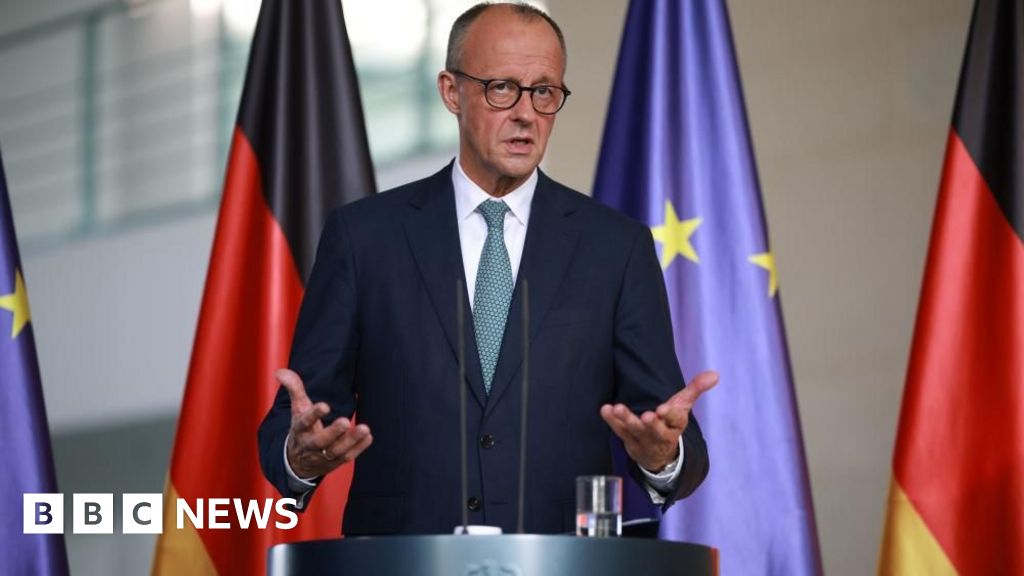
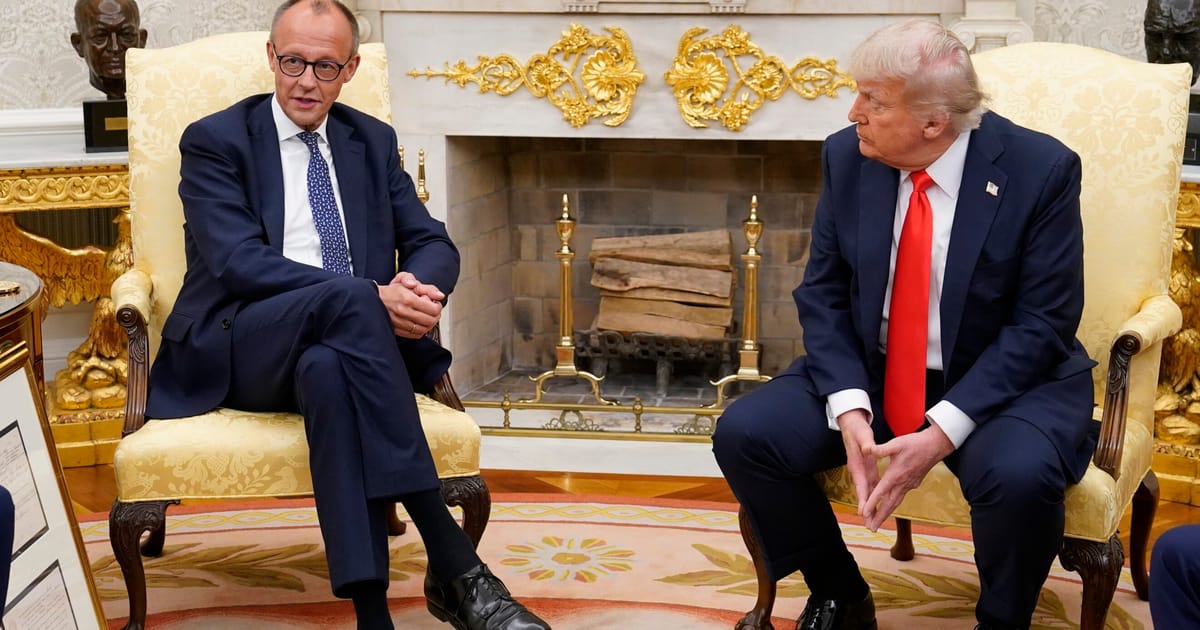
German leader Friedrich Merz is urging the EU to quickly finalize a trade deal with the US to avoid unfavorable terms, amid concerns that the agreement may be imbalanced and heavily favor the US, especially on tariffs affecting key industries like automotive and manufacturing.