US national parks are facing severe staffing shortages and budget cuts under the Trump administration, leading to frontline staff taking on multiple roles, risking long-term degradation of parks and safety issues, while efforts to keep parks open continue amidst political and public scrutiny.
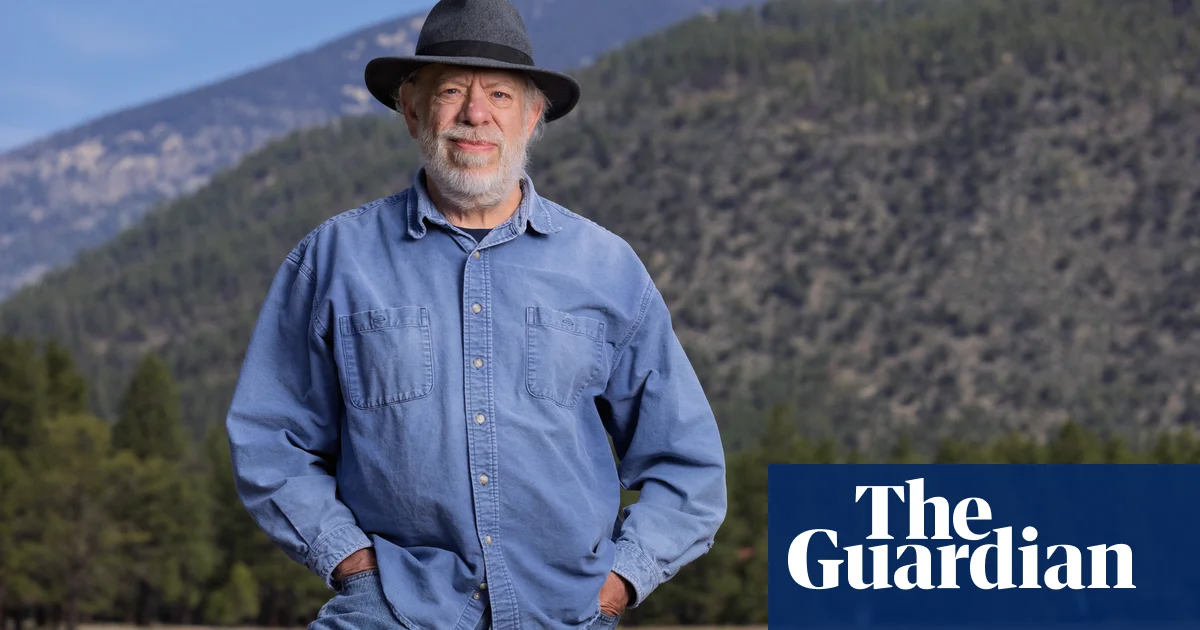
The article discusses how recent policies under the Trump administration, including staff cuts, funding reductions, and administrative changes, are causing turmoil within the US national park system, threatening its environmental integrity, operational capacity, and relationship with Native American tribes, despite its popularity and economic importance.
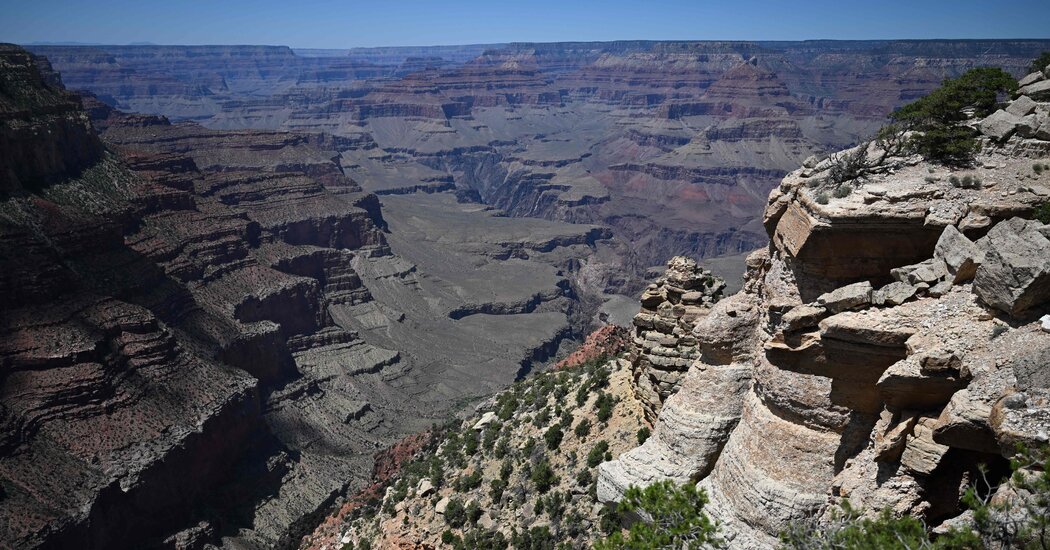
The U.S. Department of the Interior has announced that most national parks will close if the federal government shuts down, affecting millions of visitors. The closure would result in locked gates, closed visitor centers, and furloughed park rangers. However, some states, including Arizona and Utah, plan to use their own funds to keep certain parks open, such as the Grand Canyon, Zion, Arches, and Bryce Canyon. In previous shutdowns, states have paid to reopen attractions, but it remains uncertain if they will do the same this time. The decision to close the parks is a departure from the approach taken during the 2018 shutdown, when they were kept open but unstaffed, resulting in lasting damage. The Department of the Interior oversees over 400 national park sites and employs 20,000 workers.
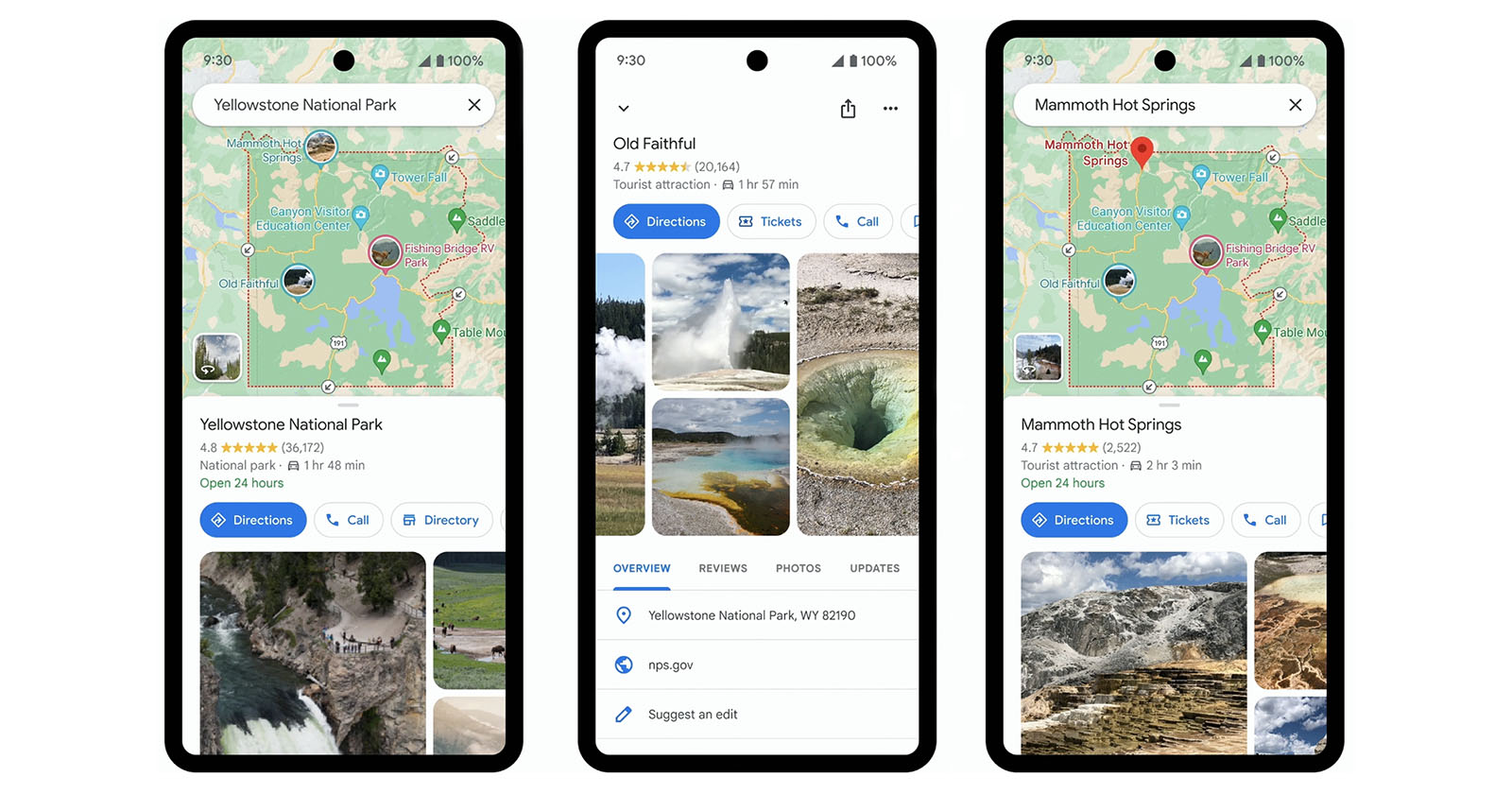
Google Maps is updating its features to help users explore US national parks, including displaying photos and videos of popular attractions, highlighting essential locations such as campgrounds and trailheads, and providing better information about trails. The updates will also allow users to download offline maps for national parks, ensuring they can navigate parks without internet access. The new features will launch later this month and may benefit nature and landscape photographers by providing more detailed information about popular locations and trailheads.