Apple CEO Tim Cook announced a $600 billion investment to build 79 factories across the U.S., aiming to create a domino effect in manufacturing, but the company will still largely produce iPhones in China and India due to existing supply chain factors and workforce challenges.
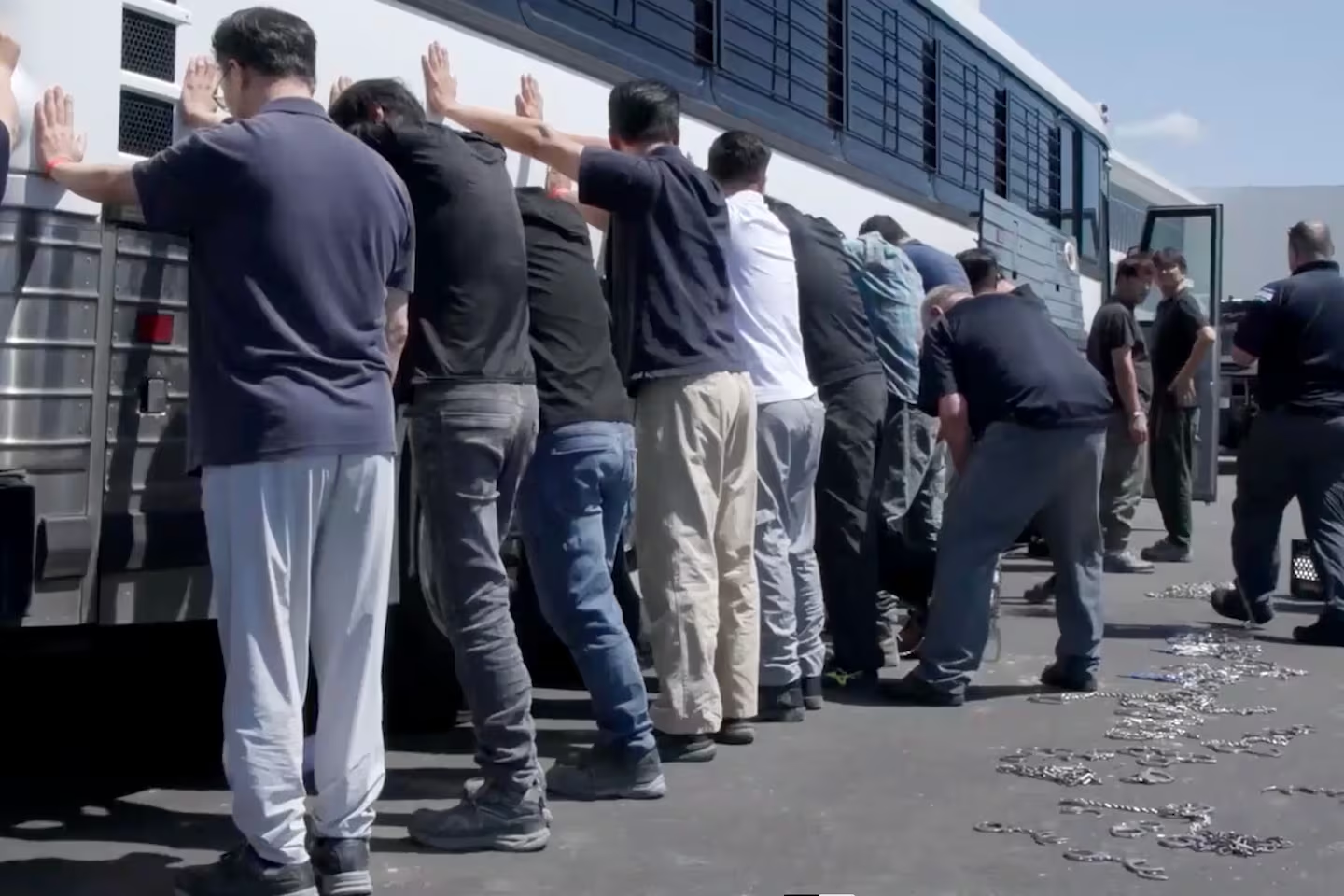
The Hyundai raid, where 300 South Korean nationals were detained, could significantly impact Trump's plans for expanding U.S. manufacturing, potentially leading to the loss of thousands of jobs and disrupting the growth of new factories in the U.S.
President Biden is urging House Republicans to pass nearly $95 billion in foreign aid, emphasizing that nearly two-thirds of the money for Ukraine would actually go to U.S. factories, supporting American jobs and manufacturing. The supplemental spending measure includes $38.8 billion for U.S. factories that make missiles, munitions, and other gear for Ukraine. Biden's push for the aid is met with opposition from some Republicans, including former President Trump, who opposes the package to help Ukraine. The bill has stalled in the House, with Republicans raising concerns about the lack of provisions to secure the U.S. southern border.
President Biden is urging House Republicans to pass nearly $95 billion in foreign aid, emphasizing that nearly two-thirds of the money for Ukraine would benefit U.S. factories and workers. The funding would support assembly lines for weapons and gear, with a focus on increasing manufacturing capacity for defense contractors. However, opposition from some Republican lawmakers, including former President Trump, and concerns about border security have stalled the bill in the House.
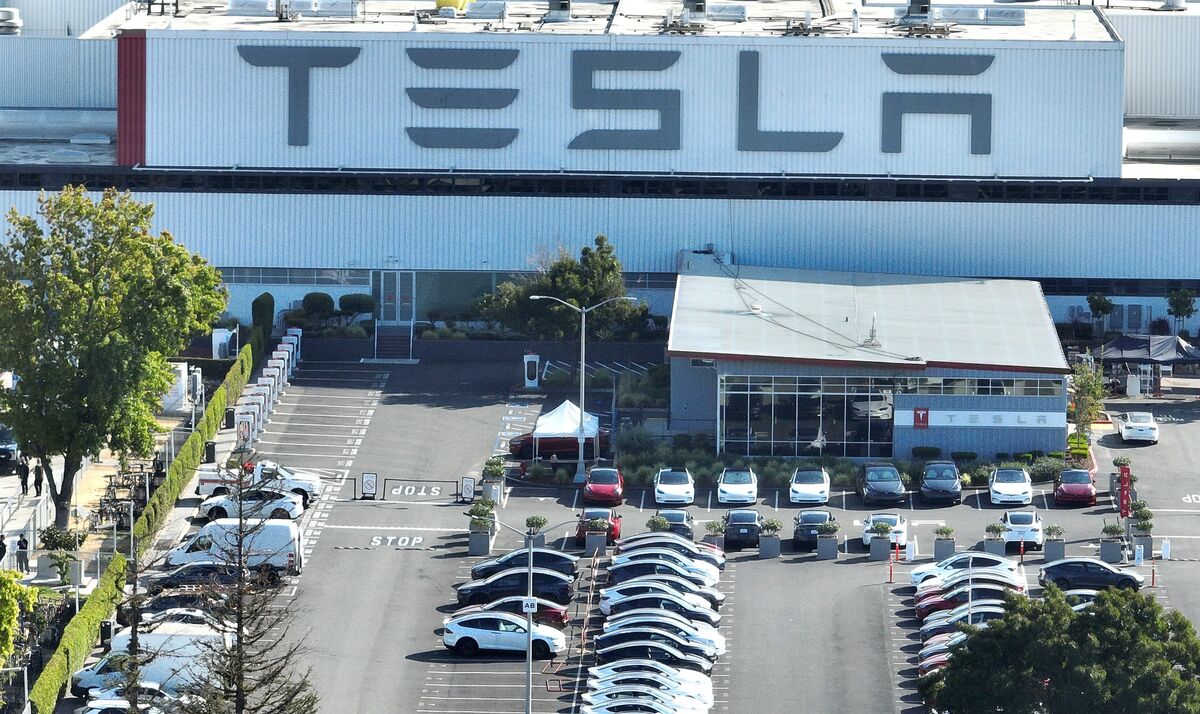
Tesla announces pay increases for US factory workers, including production associates, material handlers, and quality inspectors, as the United Auto Workers union seeks to organize nonunion automakers. The exact amount of the raise is not specified.
Chipmakers such as Intel and TSMC have invested $231 billion in new US factories, but they are facing a shortage of skilled workers to operate them. Labor shortages have already impacted the construction of a major project in Phoenix, and a national shortfall could complicate efforts by other chipmakers in Ohio, New York, Texas, and Utah. The workforce issue poses a challenge to the US semiconductor industry's efforts to reverse its decline and could complicate President Biden's case for re-election. The Biden administration has allocated $200 million for workforce development, but estimates suggest a shortfall of hundreds of thousands of semiconductor workers by 2030. The possibility of a labor shortage may prompt discussions on immigration and policies that place more responsibility on companies for training.