Japanese automakers like Toyota, Honda, and Nissan are feeling the impact of U.S. tariffs, which have led to significant profit declines in North America and prompted some companies to pass costs onto consumers, despite denials. The tariffs have also affected Japan's export figures and prompted increased U.S. manufacturing investments by Japanese automakers.
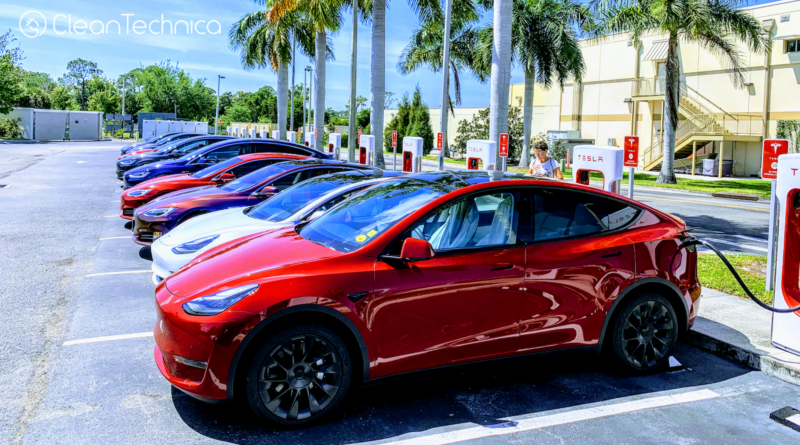
The US auto market is expected to undergo significant changes following the end of EV tax credits on September 30, 2025, leading to a potential rush to buy before incentives expire, shifts in automaker strategies, and increased competition from global manufacturers, with Tesla likely to adapt through price adjustments and new model releases. The industry may pivot towards hybrids and less expensive EVs, while Chinese imports and other market dynamics could further influence the landscape.
Toyota is raising prices on certain models by an average of $270 for Toyota and $208 for Lexus, citing regular price review processes rather than tariffs, despite recent US tariffs on auto imports. Other automakers like Mazda and Ford also increased prices, but attribute these to normal adjustments rather than tariffs, even as tariffs are impacting costs.
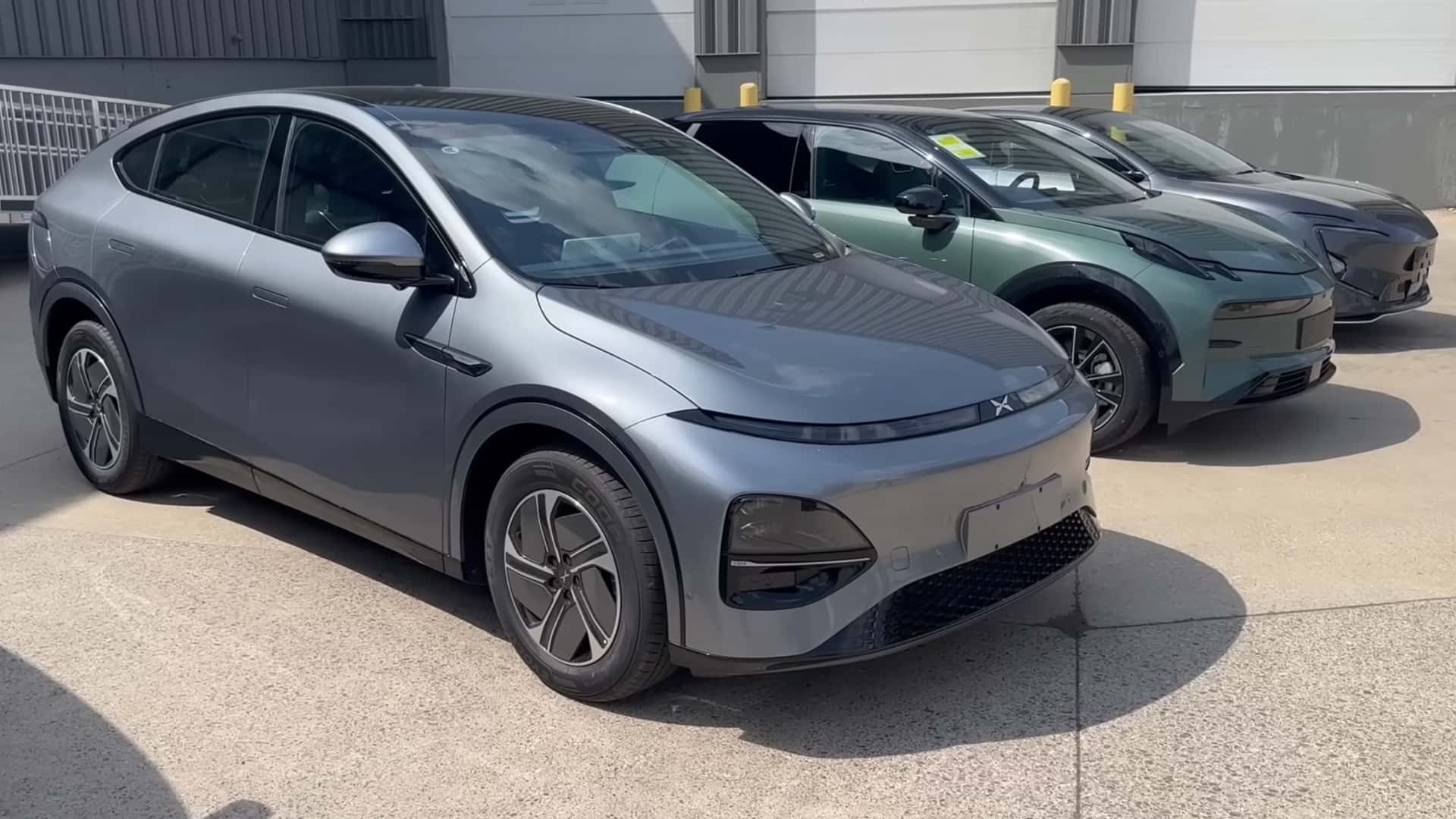
The U.S. and other Western countries are raising tariffs on Chinese electric vehicles (EVs) to protect their auto industries from the competitive threat posed by these high-quality, low-cost cars. A recent test of three Chinese EVs by automotive experts revealed that these vehicles offer impressive technology, build quality, and value, potentially outpacing Western counterparts. However, for Chinese automakers to succeed in the U.S. market, they must adapt to American consumer preferences.