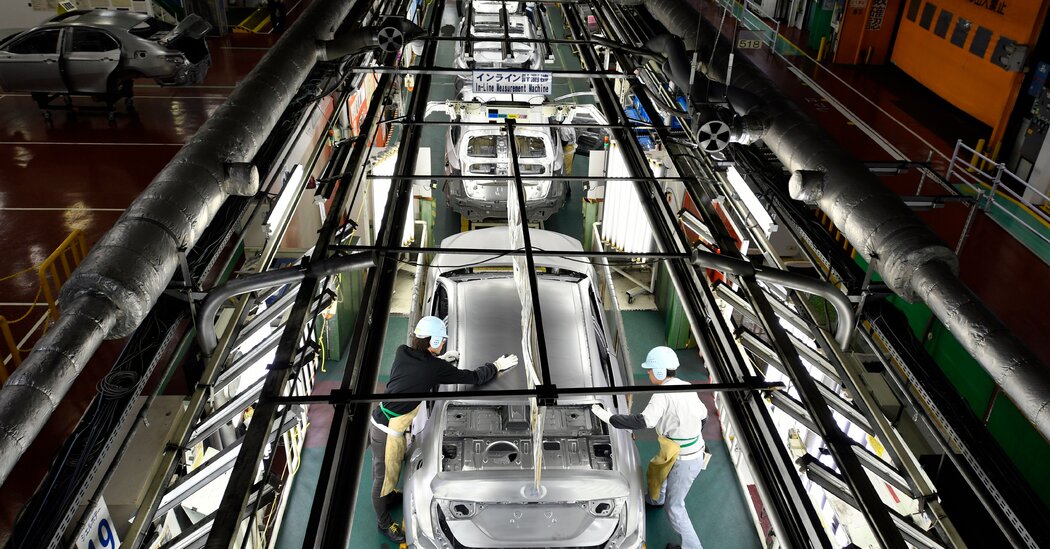
Japanese automakers like Toyota, Honda, and Nissan are feeling the impact of U.S. tariffs, which have led to significant profit declines in North America and prompted some companies to pass costs onto consumers, despite denials. The tariffs have also affected Japan's export figures and prompted increased U.S. manufacturing investments by Japanese automakers.
Japanese transport ministry officials inspected Toyota's headquarters following irregularities in vehicle certification applications, linked to a safety test scandal at its Daihatsu unit. Other automakers like Mazda, Honda, Suzuki, and Yamaha also admitted to submitting flawed data. While Toyota and Mazda suspended sales of some models, analysts believe the impact on sales will be limited. Toyota Chairman Akio Toyoda faces increased pressure, but is not expected to lose his seat. The scandal could disrupt Japan's automotive supply chain and affect the economy.
Toyota, Honda, Mazda, Suzuki, and Yamaha have admitted to mishandling vehicle safety tests over the past decade, following investigations prompted by Japanese authorities. While the automakers claim the testing failures do not affect vehicle performance or safety, Toyota and Mazda are temporarily halting shipments and sales of some models in Japan. This adds to a series of recent testing and certification issues that could impact consumer trust in Japanese car quality.
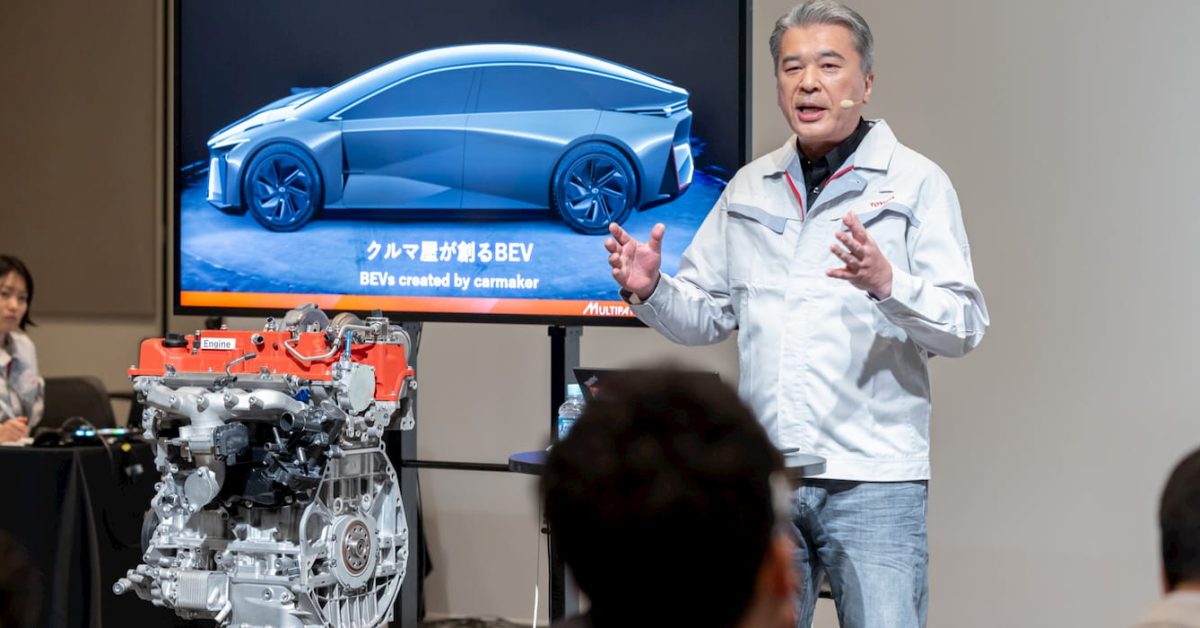
Despite the global shift towards electric vehicles, Toyota, Subaru, and Mazda are committed to developing next-generation internal combustion engines (ICE) integrated with EV components. These engines aim to be more efficient and support carbon neutrality through a multi-pathway approach, including e-fuel and biofuels. However, this strategy may cause these automakers to lag behind competitors who are more aggressively pursuing fully electric vehicles.
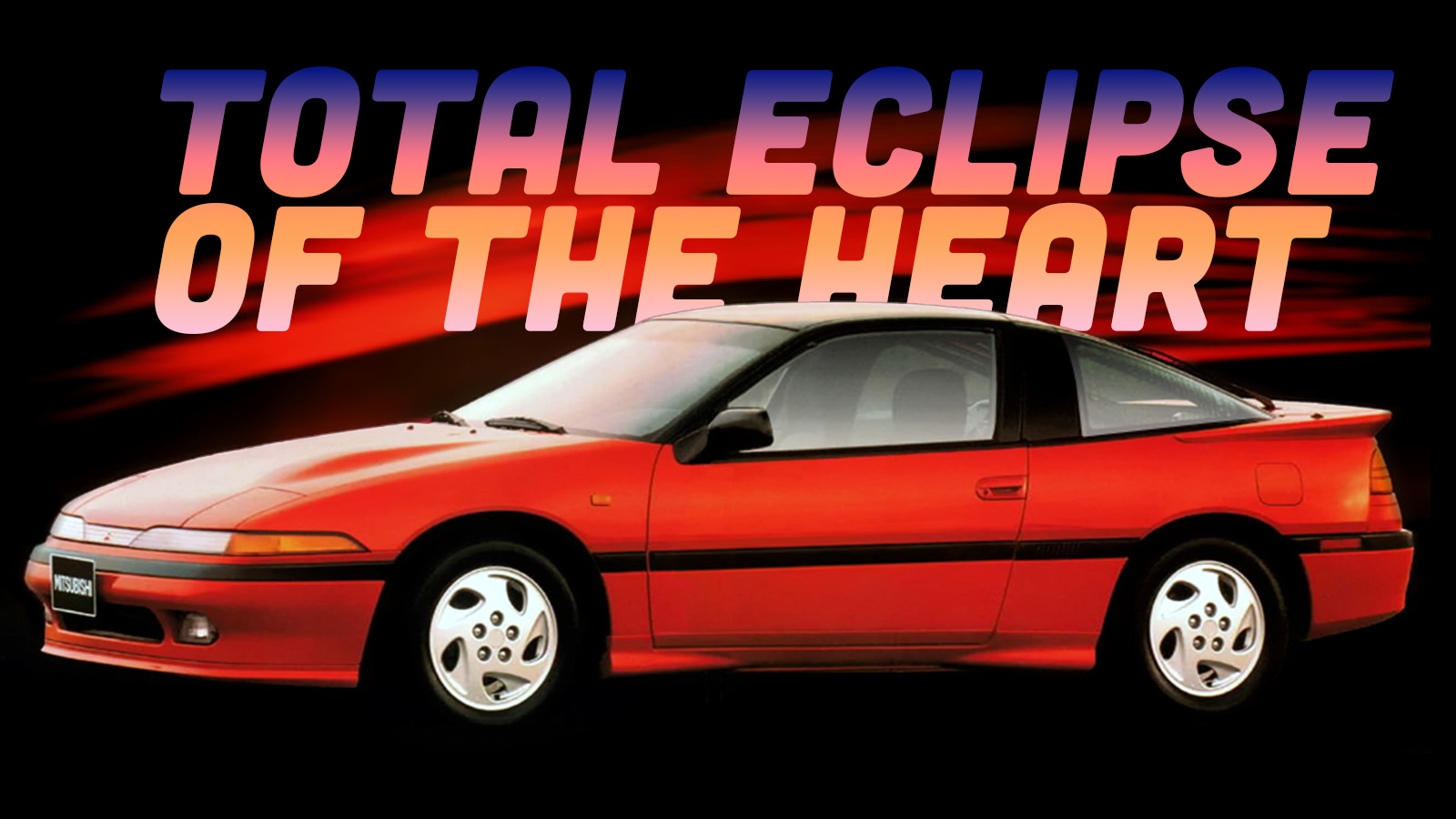
The Mitsubishi Eclipse, born during Japan's Bubble Era, was a mid-tier sports model that offered great lines and affordable performance, shining brightly for three generations before faltering at the fourth. It was developed specifically for the North American market, featuring a low hoodline, pop-up headlights, and various engine options, including the legendary 4G63T. However, the fourth generation saw a decline in performance and design, leading to dwindling sales and ultimately the end of production in 2013. Despite its later missteps, the Eclipse remains a beloved tuner car with a lasting cultural impact.