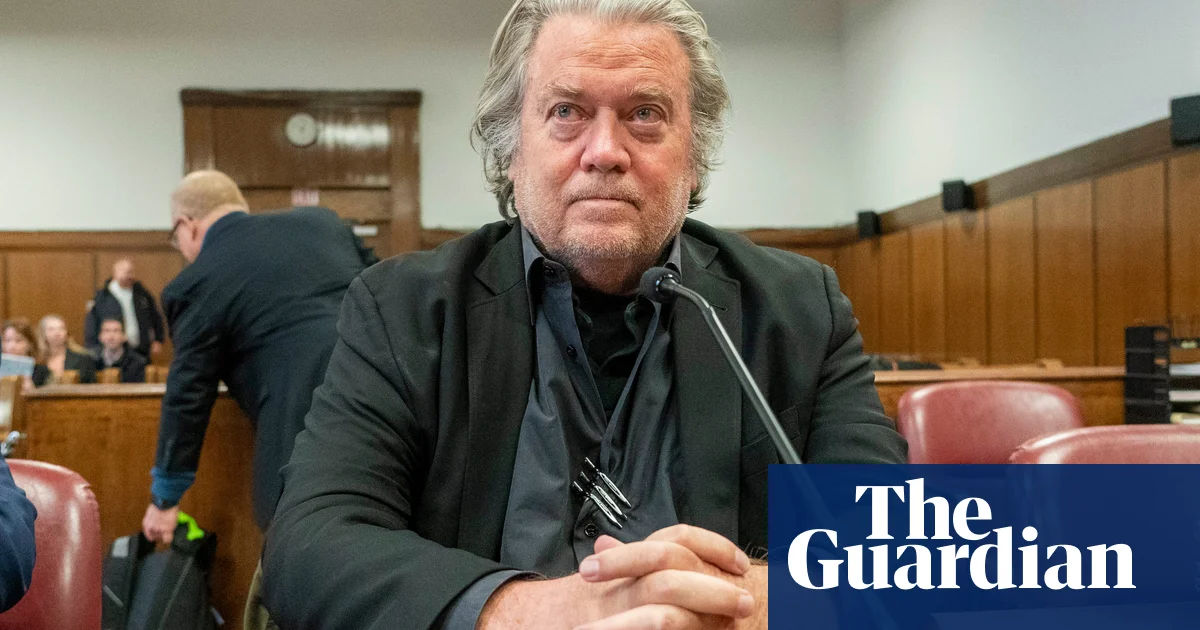
A federal appeals court has rejected Steve Bannon's request to stay out of prison while he appeals his conviction for defying a subpoena from the House January 6 committee. Bannon, a longtime ally of Donald Trump, is set to begin his four-month sentence for contempt of Congress by July 1. The court ruled 2-1 against Bannon, who plans to appeal to the Supreme Court.

A US appeals court ruled that major tech companies, including Apple, Alphabet, Dell, Microsoft, and Tesla, do not have to compensate victims of forced child labor in cobalt mines in the Democratic Republic of the Congo. The court dismissed the lawsuit, stating that purchasing cobalt through the global supply chain does not constitute "participation in a venture" under the Trafficking Victims Protection Reauthorization Act. The plaintiffs alleged that the tech companies were aware of and participated in a venture with their cobalt suppliers who engaged in forced labor, but the court ruled that there was no shared enterprise between the companies and the suppliers.
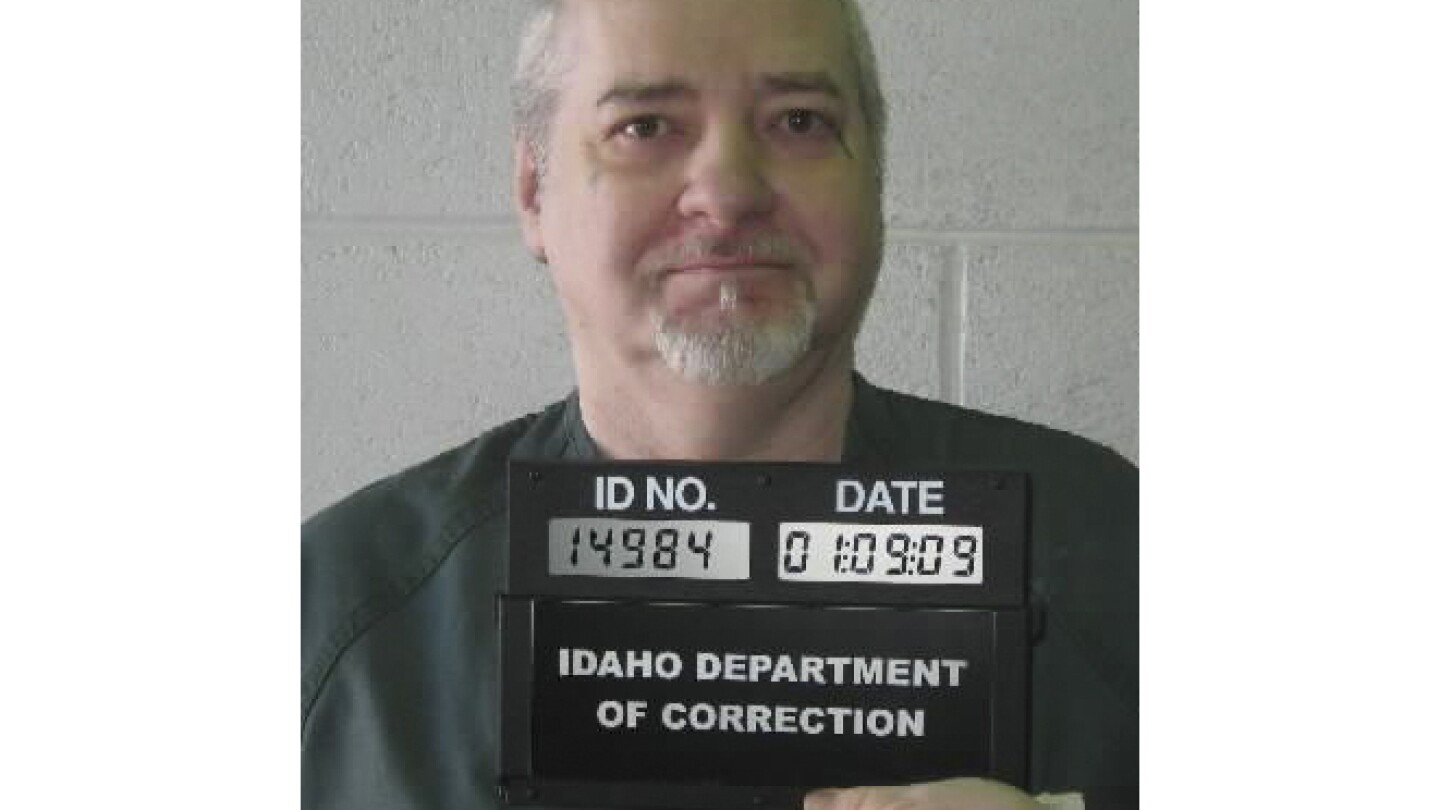
A U.S. appeals court panel has declined to delay the execution of Thomas Creech, one of the nation’s longest-serving death row inmates, who is scheduled to be executed in Idaho next week for killing a fellow prison inmate in 1983. Creech's attorneys sought a delay, arguing that his death sentence should be set aside because it was issued by a judge, not a jury, under evolving standards of decency. The panel rejected this claim, stating that Creech had not provided enough evidence to prove a notable change in attitudes toward judge-imposed executions in recent years. Creech's history includes multiple convictions and suspected killings dating back half a century, with his attorneys filing multiple challenges regarding his execution.
Cox Communications successfully appealed a $1 billion jury verdict in favor of major record labels, with the U.S. appeals court ruling that the damages were not justified. The court ordered a new trial to determine the appropriate amount, following accusations of the company failing to curb user piracy.
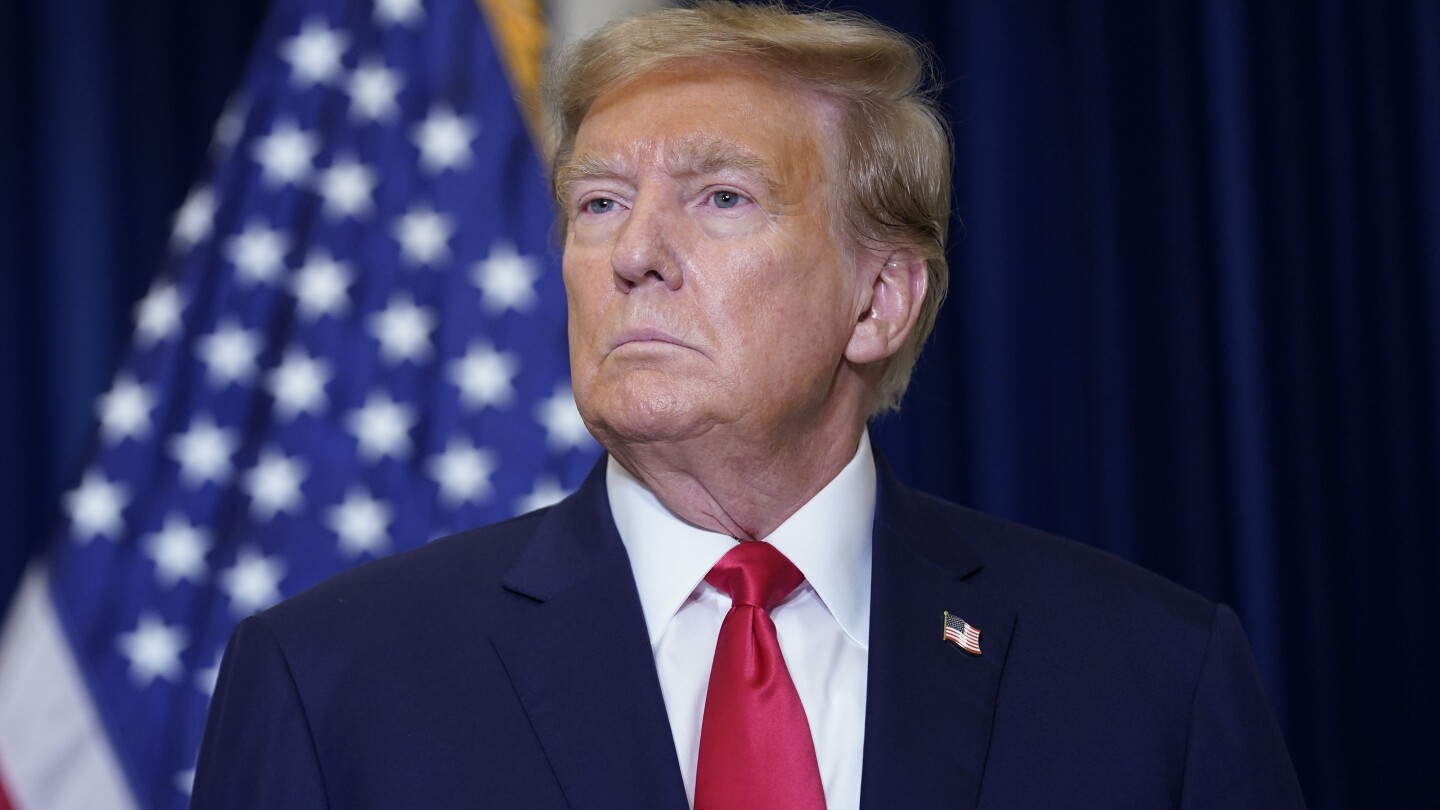
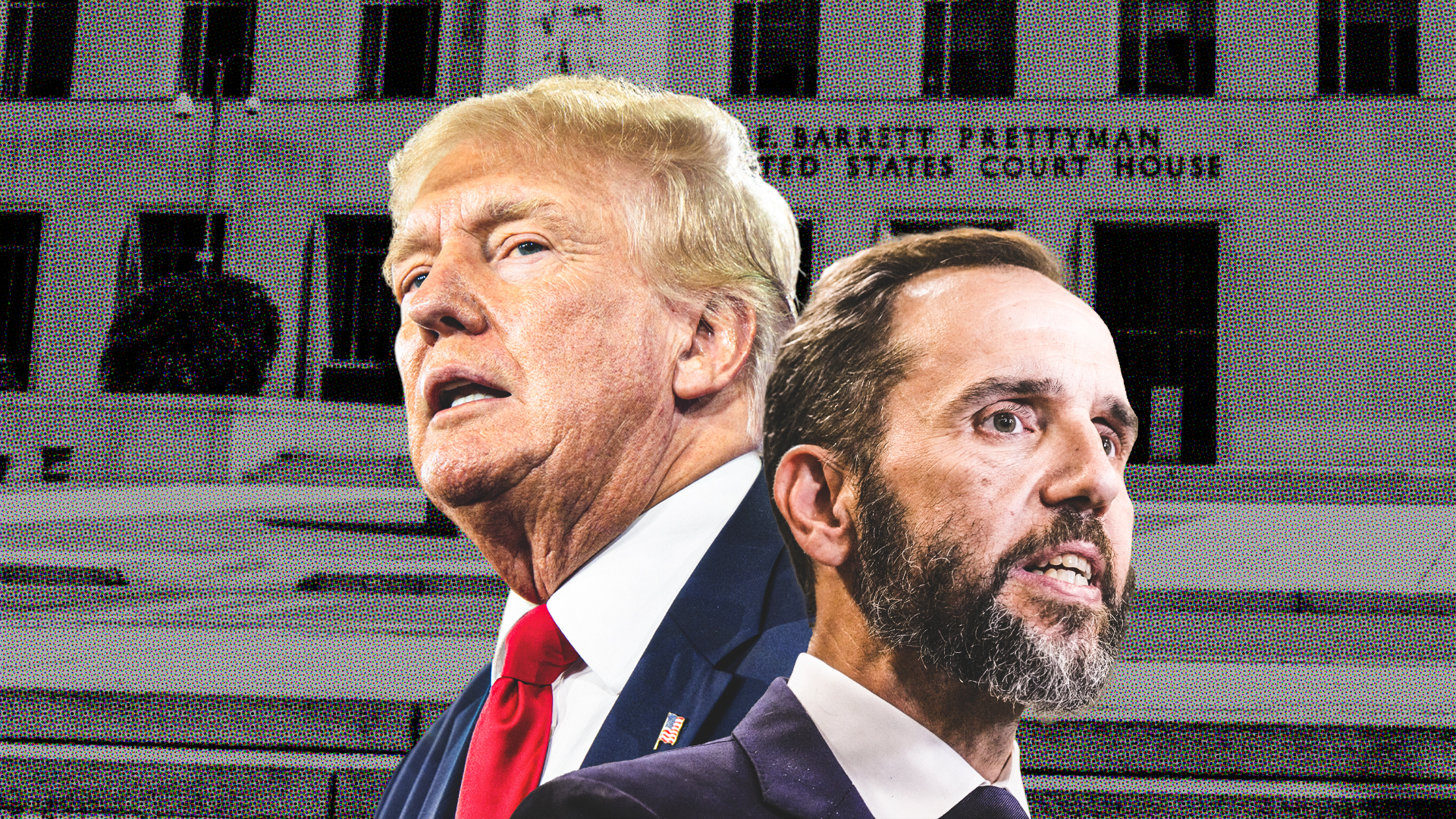
A US appeals court has ruled that Donald Trump can face trial on charges related to his alleged plot to overturn the 2020 election results, rejecting his claims of immunity from prosecution. The decision sets the stage for potential appeals to the US Supreme Court and carries significant political implications, with the trial date potentially impacting the upcoming election. This ruling is part of a broader legal battle as Trump faces multiple criminal prosecutions in different jurisdictions.
A US appeals court has ruled that the sales ban on Apple Watches can resume, overturning a previous decision that had halted the ban. The ruling comes as part of a patent dispute between Apple and a company called Personalized Media Communications. The ban, which was initially ordered by a Texas jury, could potentially impact the availability of certain Apple Watch models in the US.
A US appeals court ruled that Madrid’s Thyssen-Bornemisza museum may keep a painting by Camille Pissarro, looted by the Nazis from a Jewish woman, rejecting the ownership claim by her heirs. The painting, "Rue Saint Honore, Afternoon, Rain Effect," was stolen in 1939 and purchased by the museum in 1993. The court's decision was based on applying Spanish law, as it outweighed California's interest in deterring theft and obtaining recoveries for victims of stolen art. The heirs' lawyers plan to seek review by an 11-judge 9th Circuit panel, arguing against Spain's insistence on harboring Nazi-looted art.
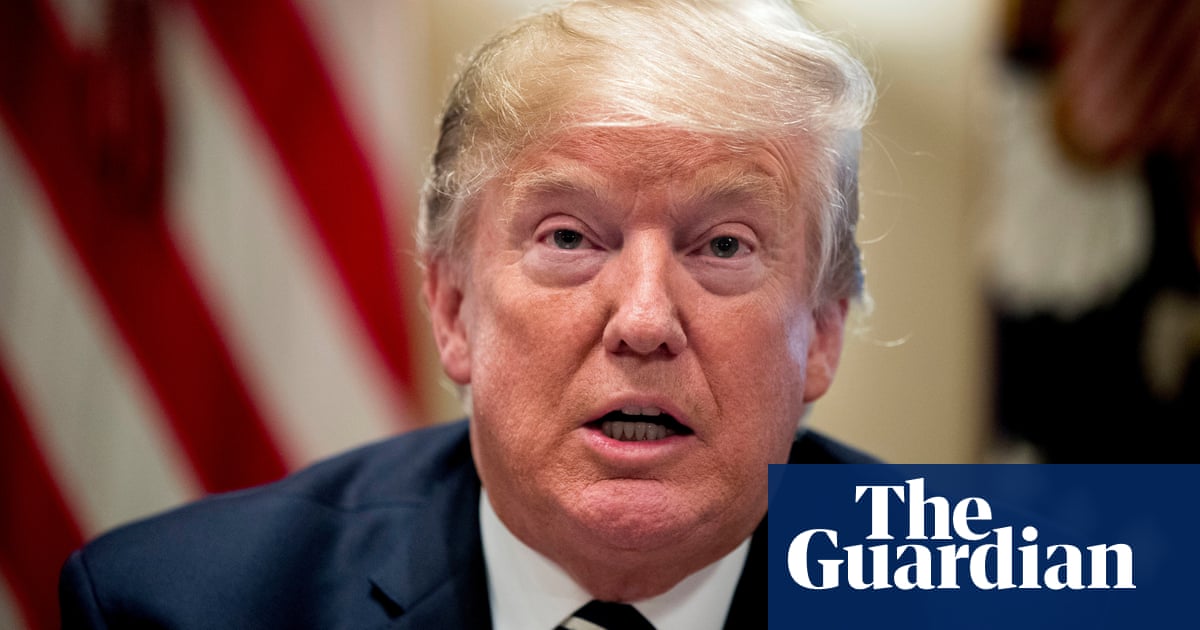
A US appeals court has rejected former President Donald Trump's claim of presidential immunity in a defamation lawsuit filed by writer E Jean Carroll, who accused him of rape. The court upheld a federal judge's decision to reject Trump's immunity claim, allowing Carroll's lawsuit seeking at least $10 million in damages to proceed. Trump had denied knowing Carroll and claimed she fabricated the rape allegation. This ruling is another setback for Trump in the ongoing litigation.
A US appeals court has narrowed but largely upheld a gag order that prevents former President Donald Trump from criticizing prosecutors, court staff, and potential witnesses in a federal criminal case accusing him of illegally trying to overturn the 2020 election. The court lifted the prohibition on Trump personally criticizing Special Counsel Jack Smith but maintained restrictions on comments about witnesses' involvement in the investigation and potential testimony. The court found that while some aspects of Trump's public statements pose a threat to the ongoing criminal proceeding, the initial gag order went beyond what was necessary. Trump plans to appeal the ruling to the US Supreme Court. The case is set to go to trial in March 2024.
A US appeals court has mostly upheld a partial gag order in the Washington, D.C.-election subversion case against Donald Trump, with slight modifications. The court ruled that the gag order can remain in place to protect the fair administration of justice and the safety of those involved in the upcoming criminal trial. The order restricts public statements about witnesses and counsel in the case, but allows Trump to criticize the Biden administration and his prosecution as politically motivated. Trump plans to appeal the ruling to the Supreme Court. His trial is scheduled to begin on March 4, 2024.
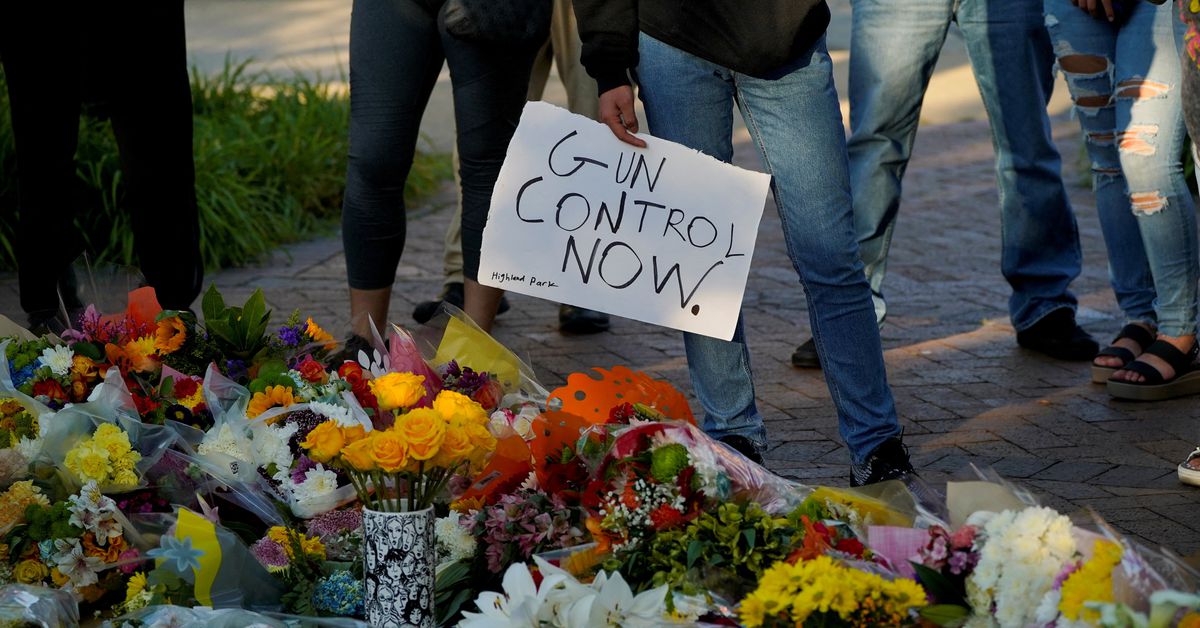
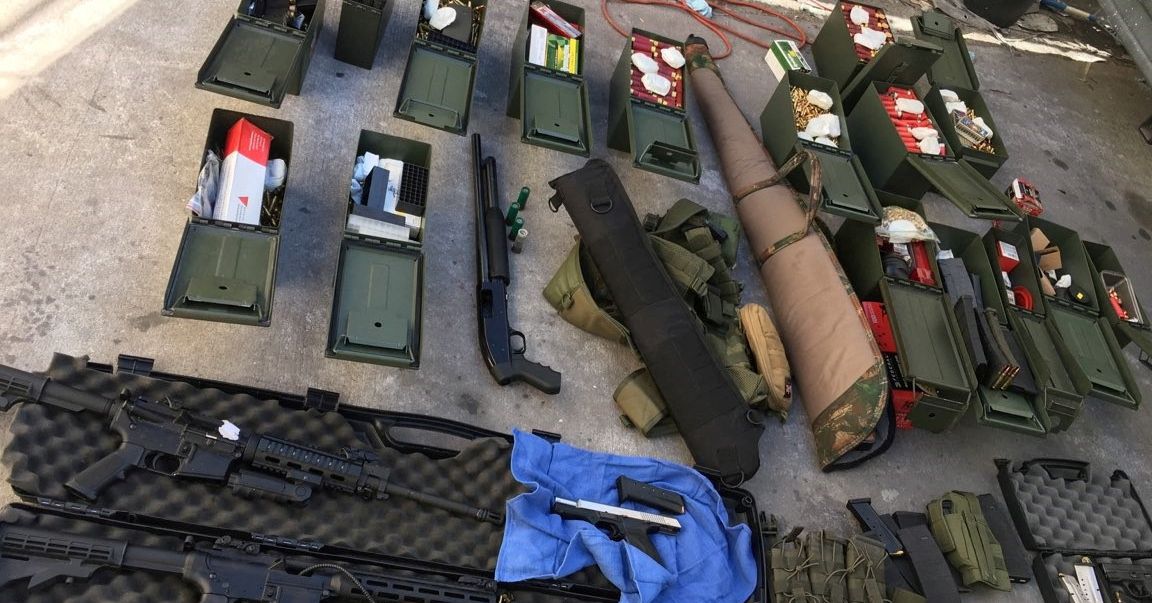
The 7th U.S. Circuit Court of Appeals has upheld an Illinois state ban on assault-style weapons and high-capacity ammunition magazines, which was enacted after a mass shooting in 2022. The ban includes the sale and distribution of various high-powered semiautomatic "assault weapons" and large-capacity magazines. Opponents argued that the ban violated the Second Amendment, but the court ruled that gun rights are subject to certain limits imposed by the government. The decision cited a U.S. Supreme Court opinion from last year that established a new legal test for gun restrictions. The Illinois Supreme Court had previously upheld the ban, and the 9th U.S. Circuit Court of Appeals recently ruled to keep California's assault weapons ban in force.
The US appeals court has upheld California's assault weapons ban, ruling that it will remain in force while the state attorney general appeals a lower court decision declaring the measure unconstitutional. The three-judge panel blocked the injunction issued by a district judge, stating that the attorney general's appeal in support of the gun law would be heard on an expedited basis. The ban, which has been in place for 30 years, prohibits the manufacture, distribution, transportation, importation, sale, or possession of firearms classified as "assault weapons."
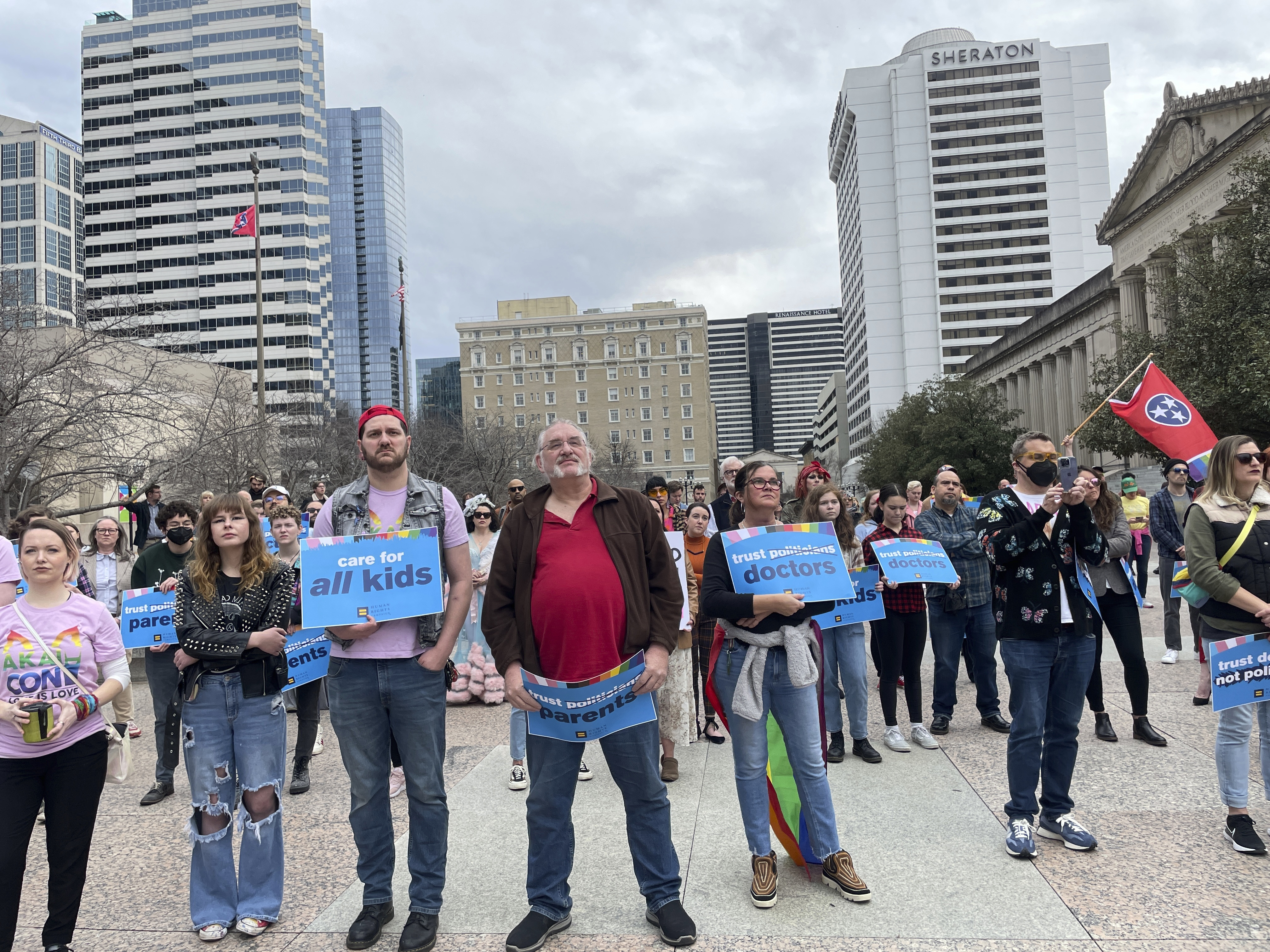
A U.S. appeals court has ruled that a ban on gender-affirming care for transgender youth in Tennessee can go into effect immediately, temporarily staying a lower court's ruling. This marks the first federal court ruling of its kind and diverges from recent patterns of federal courts blocking similar bans in other states. The decision prevents doctors in Tennessee from providing gender-affirming care to minors, including puberty blockers and gender-affirming surgery. The court plans to issue a full ruling by September 30 after hearing arguments for a full appeal of the ban. Advocacy groups challenging the ban have expressed disappointment and vowed to continue fighting against it.
The US appeals court upheld an admissions policy aimed at diversifying a highly selective Virginia high school, rejecting arguments that it discriminated against Asian-American students. The Fairfax County School Board adopted its policy following concerns about a lack of racial diversity at the school in Alexandria, Virginia, which ranks among the best US public high schools. The board had a legitimate interest in “expanding the array of student backgrounds," Judge Robert King wrote for the 2-1 majority.
Judge Pauline Newman, a federal appeals judge in Washington, D.C., is under investigation by her own court for alleged misconduct and incompetence. The investigation was launched after half of the court's active judges expressed concern about Newman's mental fitness. Newman, who is 95, is a leading intellectual property law jurist and a prominent dissenter on the patent-focused Federal Circuit. It is highly unusual for a U.S. judge to face a complaint from a colleague on the bench, especially on an issue as delicate as their competence to serve.