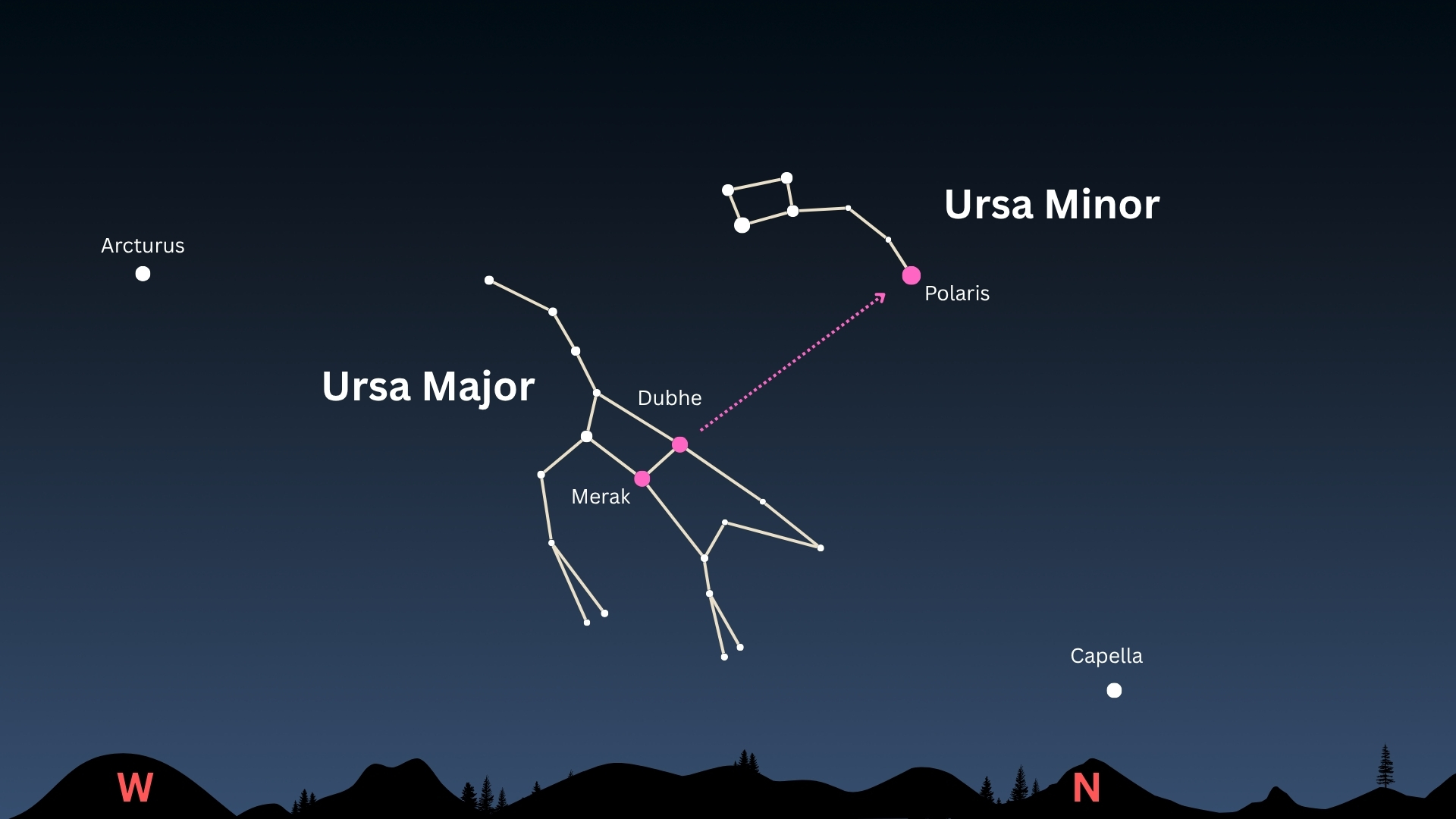
The article explains how to find the Little Dipper and Polaris in the night sky, highlighting their significance for navigation and sky observation, and discusses the stars' characteristics and their relation to Earth's axis wobble.
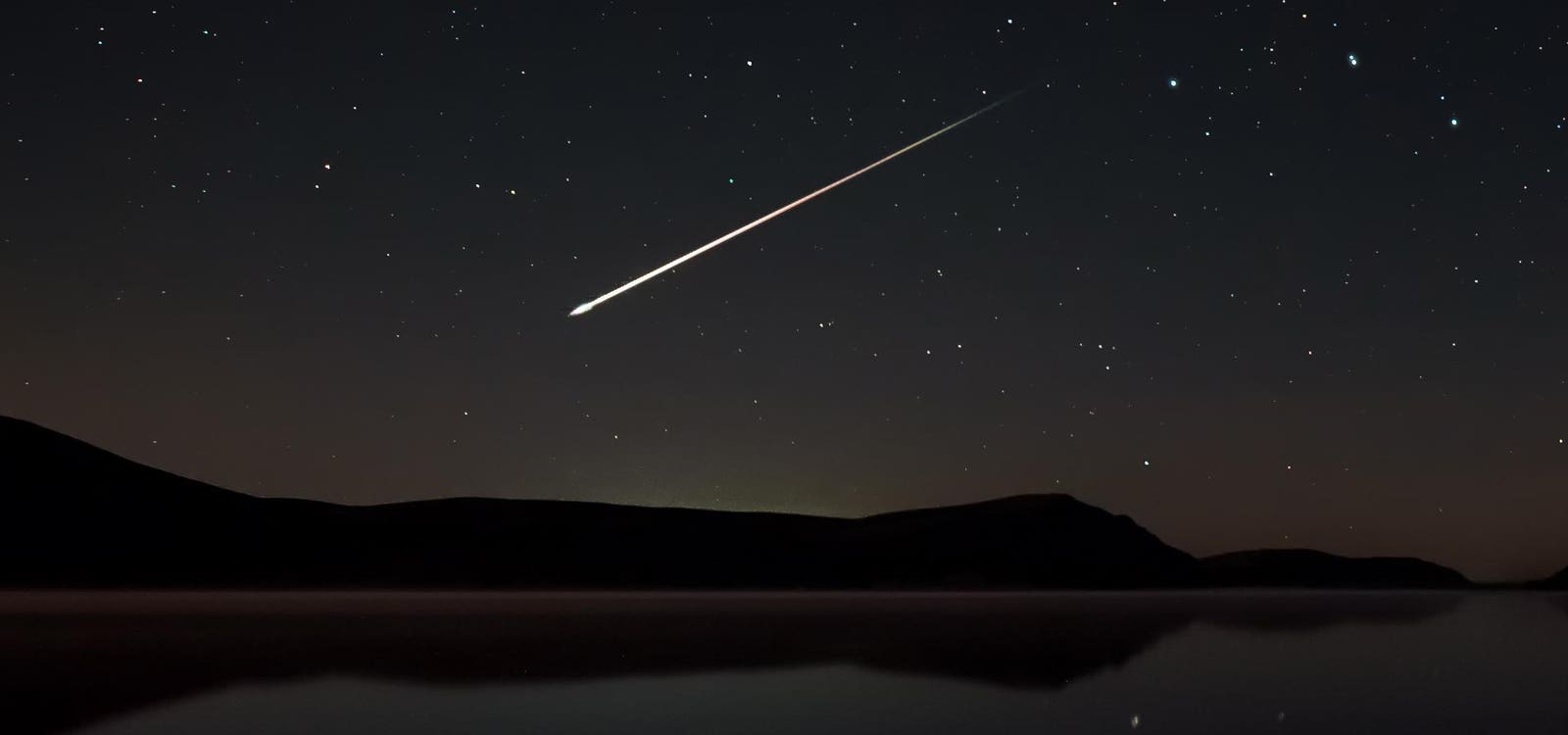
The Ursid meteor shower, the final meteor shower of the year, has begun and will peak overnight on December 21-22. With around 10 shooting stars per hour, the Ursids are not as strong as the recent Geminids, but numbers can sometimes reach 25. The Ursids are caused by dust and debris left by the comet 8P/Tuttle, which orbits the sun every 13.6 years. The radiant point of the Ursids is the constellation Ursa Minor, and they can be seen in the northern sky. However, there will be a waxing gibbous moon during the peak night, so patience and clear skies are needed to catch a glimpse of the shooting stars.
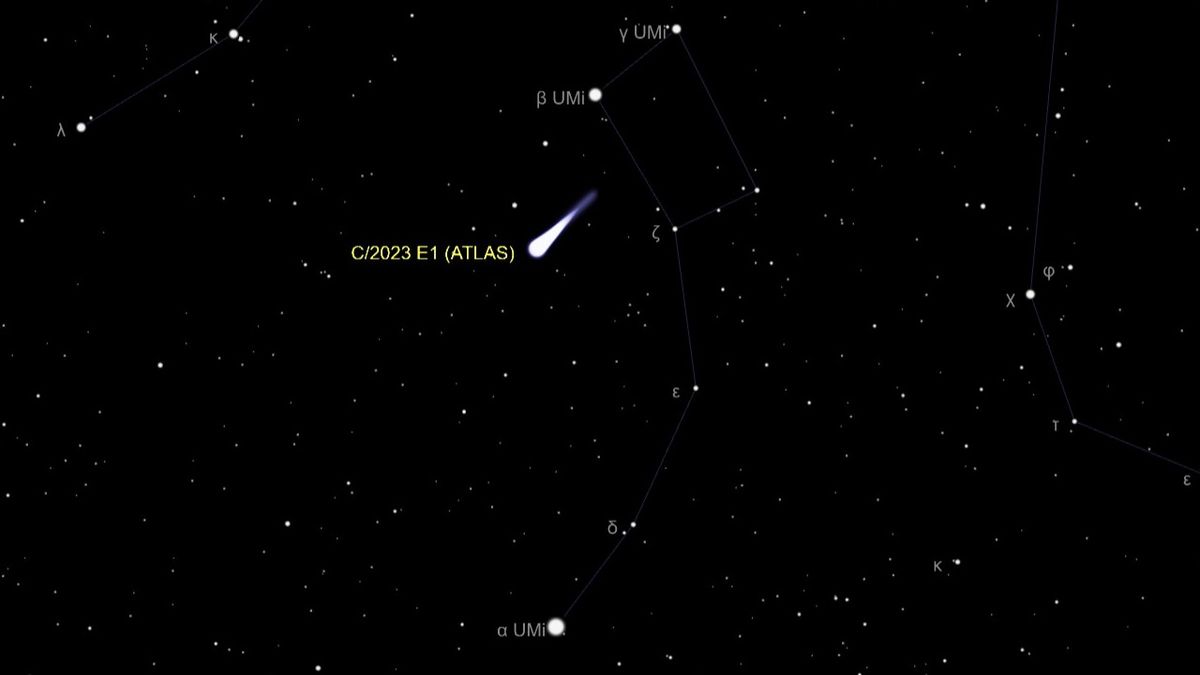
Comet C/2023 E1 ATLAS, discovered by the ATLAS system, will be visible in the Northern Hemisphere throughout the summer near Ursa Minor. Although not very bright, it can be spotted with binoculars and medium-sized telescopes. The comet will appear as a hazy, greenish smudge and is expected to reach its maximum brightness in July. Astrophotographers have captured images of the comet, showcasing its dim tail. Skywatchers interested in observing the comet can refer to guides on the best telescopes and binoculars, as well as cameras and lenses for astrophotography.