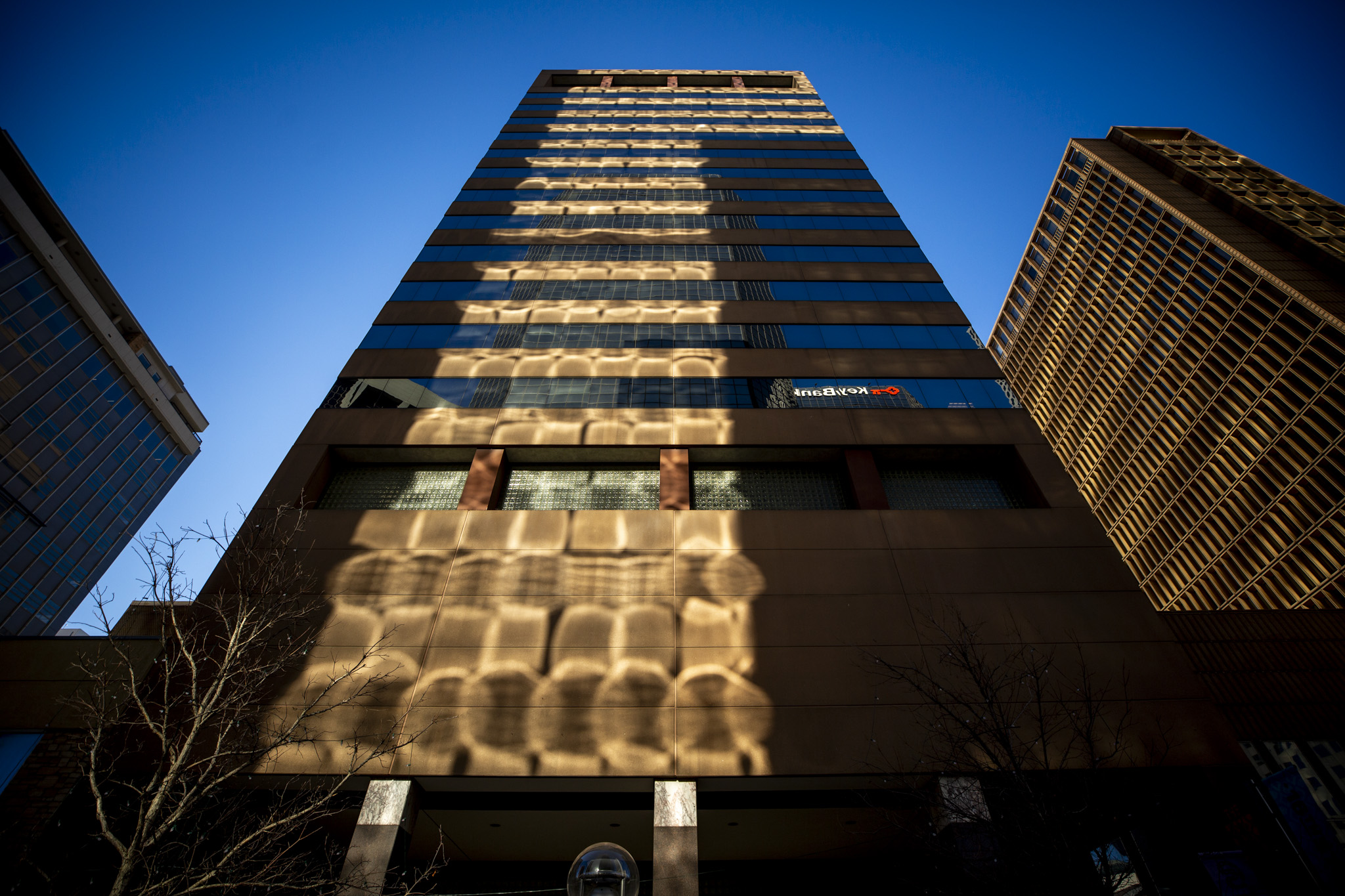
Parts of downtown Denver are struggling with high office vacancy and economic decline, especially in upper downtown, but areas like LoDo near Union Station are thriving, suggesting a potential for future revitalization through creative redevelopment and investment. The city faces significant challenges but also opportunities for rebirth, amid broader economic uncertainties.
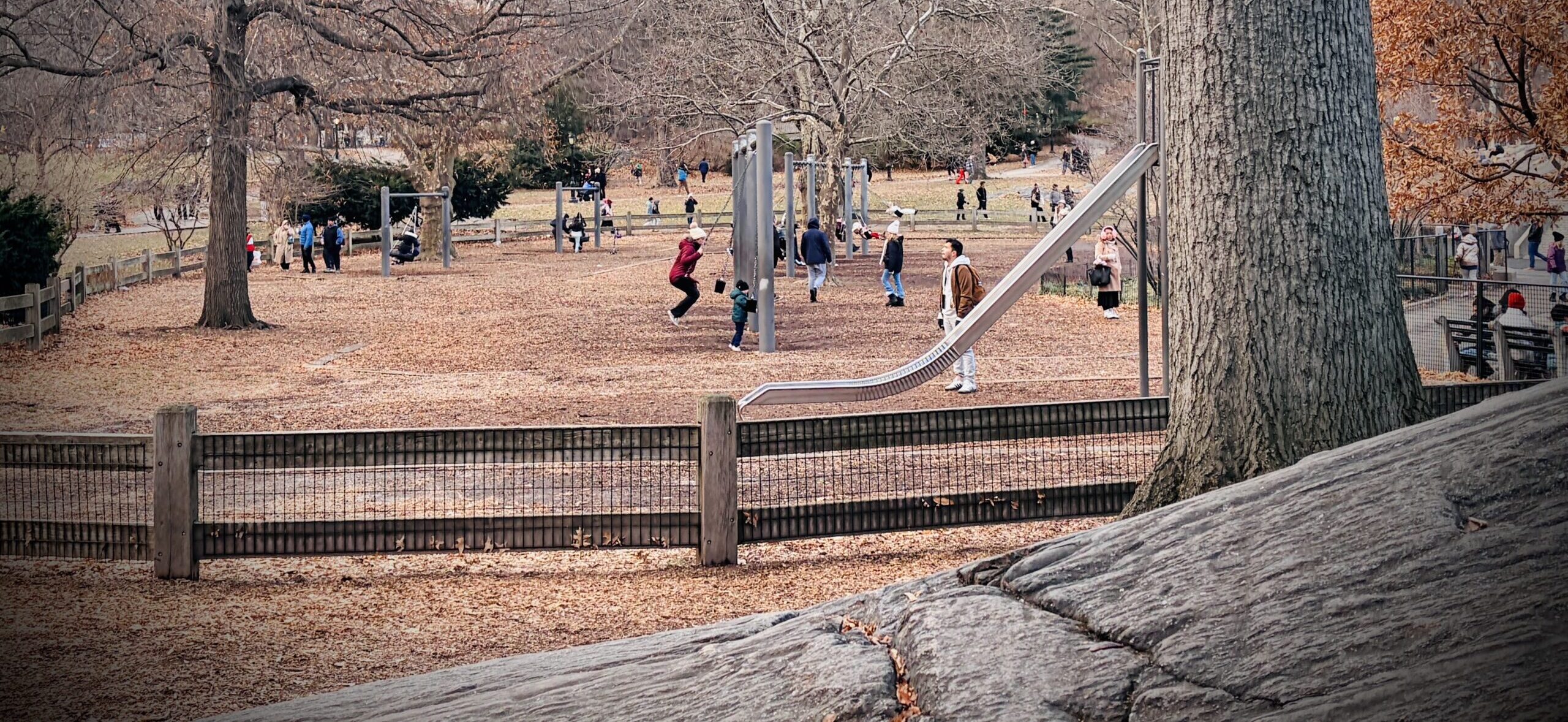
The article reflects on the history and future of the Upper West Side, emphasizing the importance of vision and imagination in shaping the neighborhood, especially through vacant storefronts and natural landmarks, encouraging residents to dream and contribute to the area's ongoing transformation.
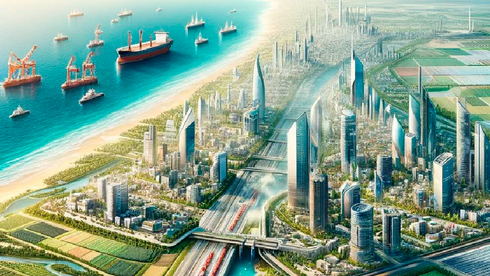
Israeli Finance Minister Smotrich confirmed discussions with the US on a plan to transform Gaza into a lucrative real estate and tourism hub, following a proposal circulating within the Trump administration to place Gaza under US trusteeship and rebuild it as a high-tech and tourist center, with negotiations already underway on land sharing and urban renewal.
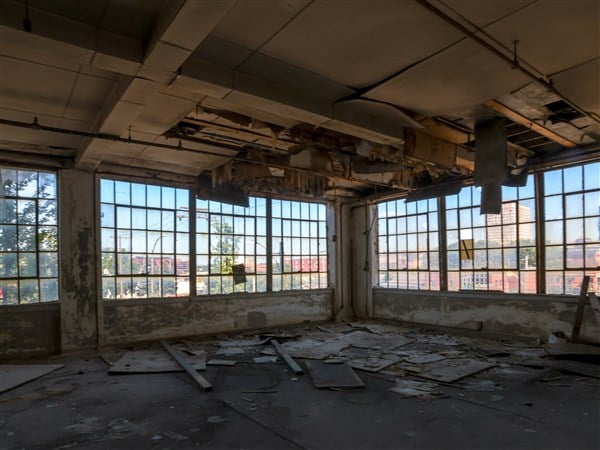
The abandoned 1301 Adams St. in Toledo, a historic building with potential for redevelopment, is up for auction. Despite its dilapidated state and extensive repairs needed, it offers opportunities for creative reuse like a hotel or mixed-use space, supported by a $1.1 million historic tax credit. The project requires a dedicated buyer with vision and resources to transform the relic into a vibrant part of UpTown's future.
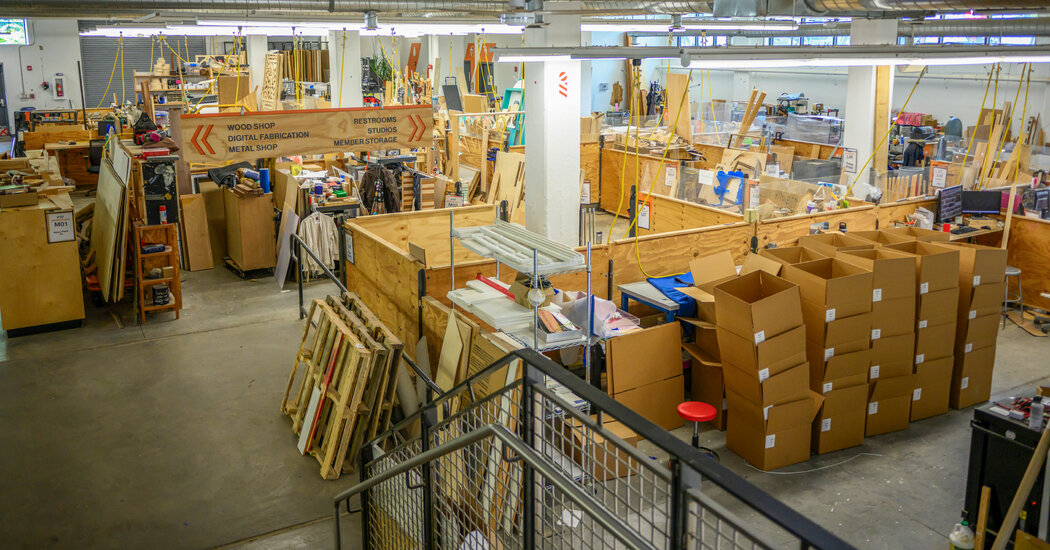
Recent zoning reforms in various U.S. cities are enabling small-scale manufacturers like food producers, artisans, and craftspeople to return to urban neighborhoods, aiming to revitalize downtown areas, diversify local economies, and meet consumer demand for local, personalized products. These changes are part of a broader trend to recreate vibrant, mixed-use neighborhoods reminiscent of earlier eras, though challenges such as rising rents and development pressures remain.
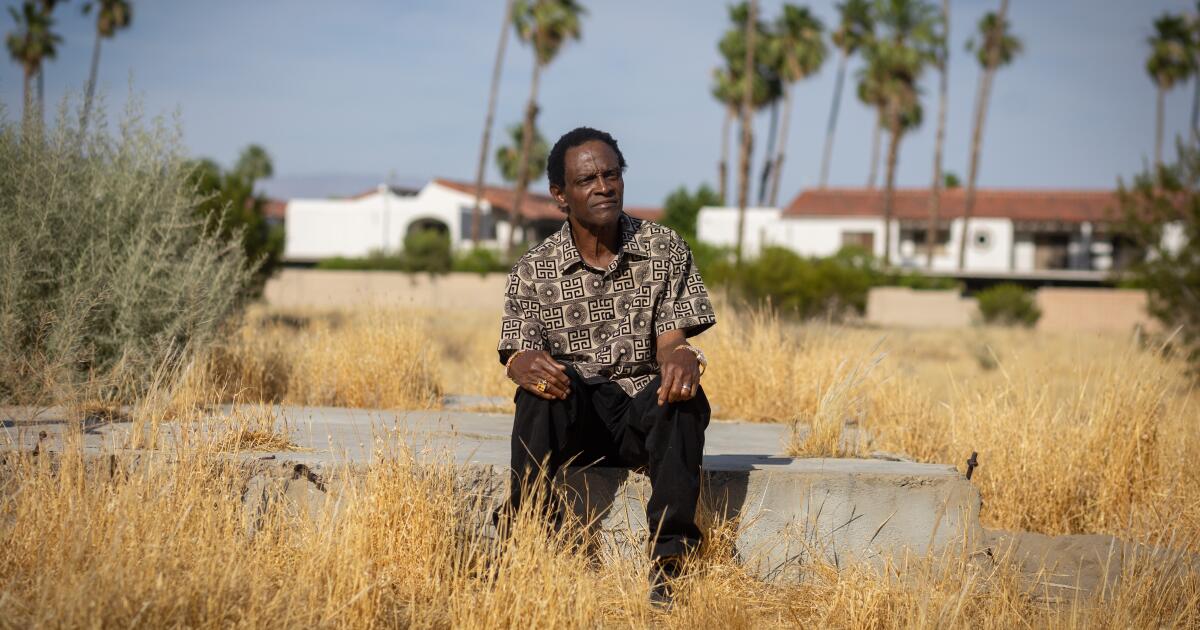
The Palm Springs City Council has approved a $5.9 million settlement for Black and Latino families whose homes were destroyed during urban renewal projects in the 1950s and 1960s. The settlement compensates former Section 14 residents for lost property and includes initiatives to address economic disparities. The city will also create a day of remembrance and a monument for Section 14 residents. This decision follows years of discussions on reparations and aims to provide restorative justice for the affected families.
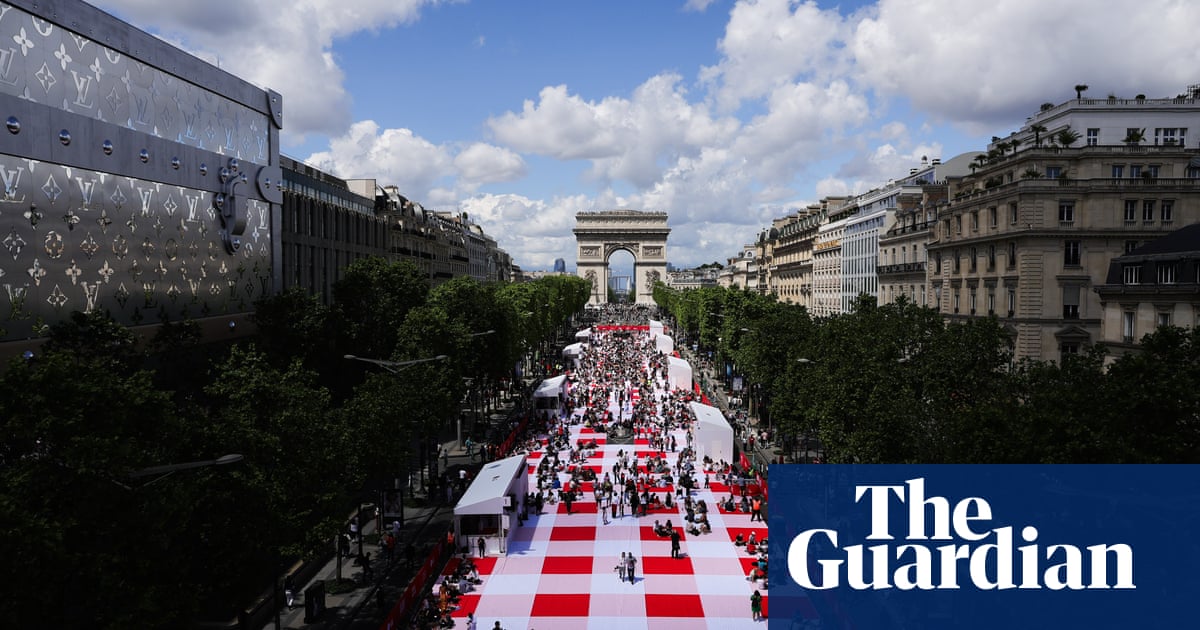
Thousands of Parisians participated in a giant free picnic on the Champs-Élysées, organized by local traders to encourage residents to return to the iconic boulevard, which has seen a decline in local patronage due to the rise of luxury boutiques and high rents. The event featured meals from renowned restaurants and aimed to showcase the avenue as more than just a high-end shopping destination. The Champs-Élysées committee continues to push for revitalization efforts amid rising property prices and changing consumer habits.
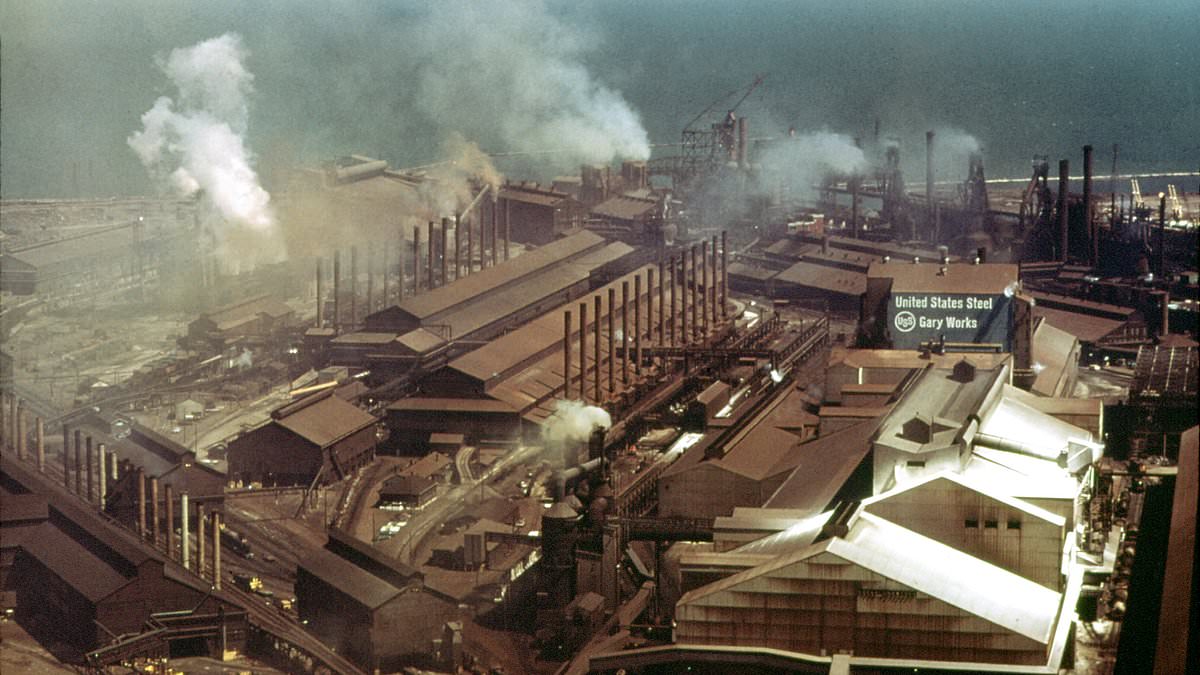
Gary, Indiana, once a prosperous steel town, has suffered from economic decline and urban decay, with around 10,000 abandoned buildings and a significant population decrease. The city's new Democrat Mayor Eddie Melton aims to revitalize Gary by leveraging its strong infrastructure, strategic location, and lower housing costs compared to neighboring Chicago. Plans include tearing down old buildings for new developments, constructing a casino and a minor league ballpark, and improving transportation systems. However, political challenges and historical obstacles may hinder the city's efforts to fully recover from its decline.
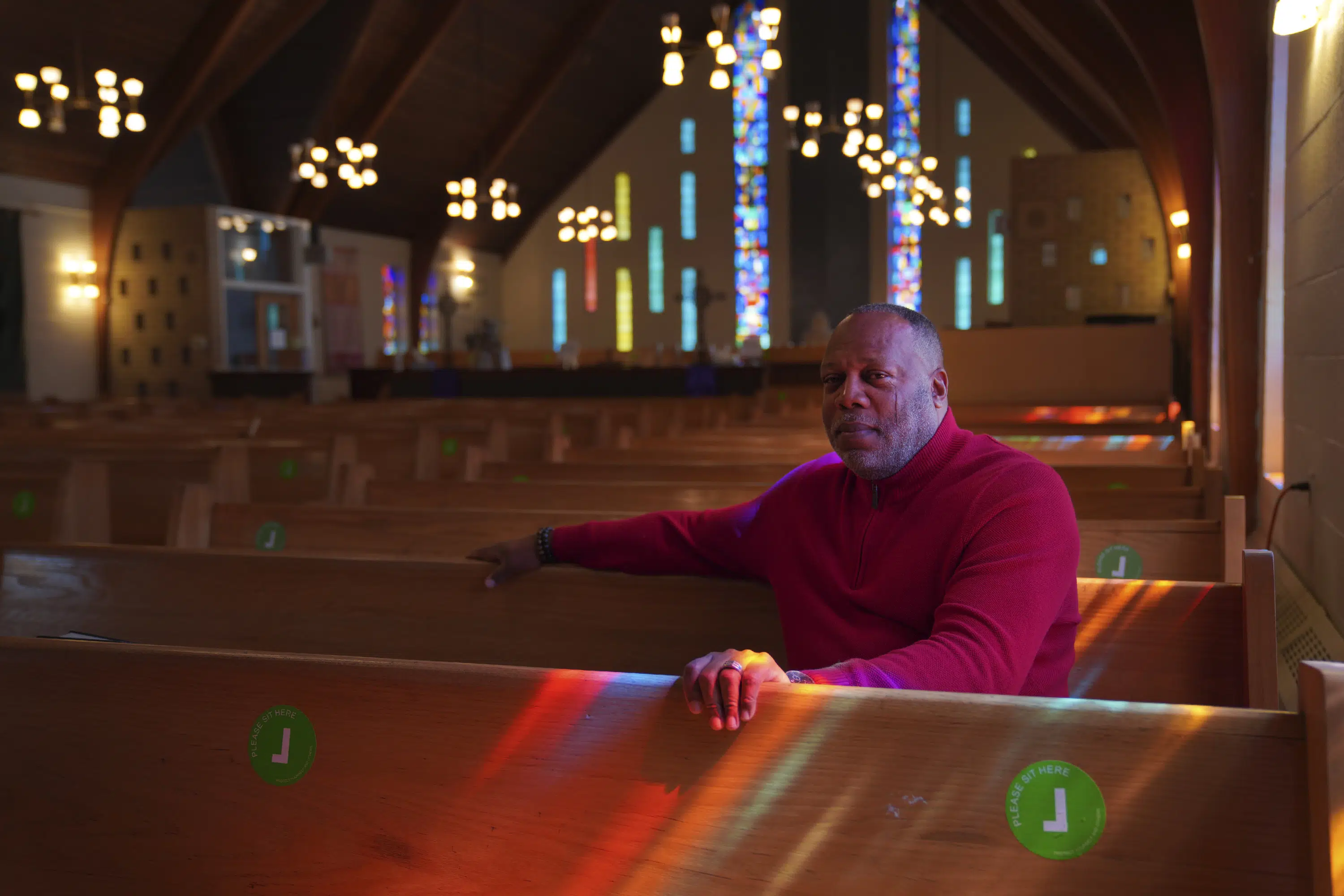
Bethel African Methodist Episcopal Church has reached an agreement with the Pittsburgh Penguins for the church to use a 1.5-acre parcel near its former home, which was taken away from it 60 years ago as part of an urban renewal project. The church envisions using the land for housing and other revenue-generating development. The agreement came after years of public calls and demonstrations by the church, and its battle is a microcosm of a larger one over the legacy of the 1950s project. The Penguins hope the agreement can serve as a model for other U.S. cities with the wounds of similar mid-20th century urban renewal projects.