
Seeking Silence in a Noisy World
The article discusses the growing issue of noise pollution in modern society, its impact on mental and physical health, and the importance of creating quieter, healthier urban environments.

All articles tagged with #urban environment
The article discusses the growing issue of noise pollution in modern society, its impact on mental and physical health, and the importance of creating quieter, healthier urban environments.
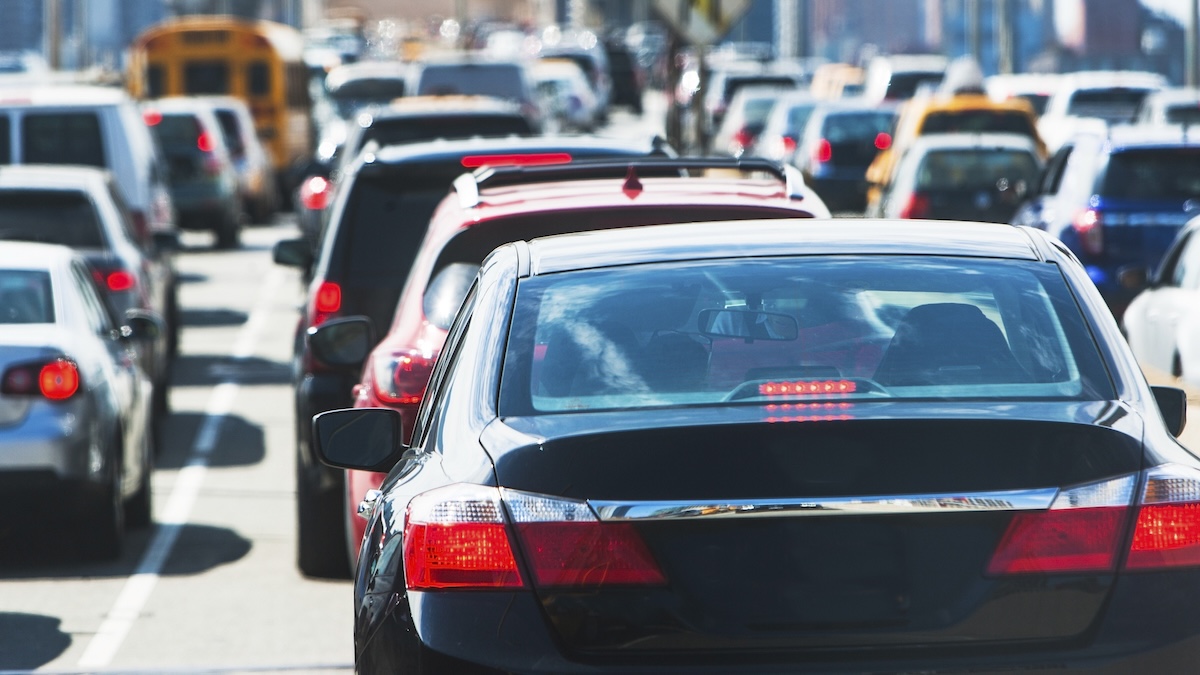
A study in Tel Aviv found that traffic pollution, especially NOx gases and PM2.5 particles, directly influences the Earth's atmospheric electric field, with effects peaking during rush hours and diminishing on weekends, highlighting the link between urban air quality and atmospheric electrical phenomena.
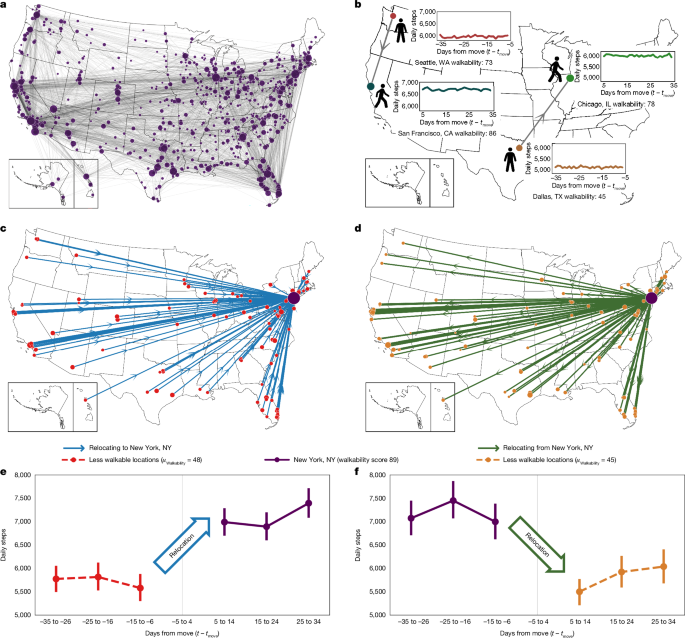
A large-scale study using smartphone data and a natural experiment of relocations across US cities shows that increased walkability in urban environments leads to significant rises in physical activity, including more daily steps and moderate-to-vigorous activity, which could improve public health outcomes. The findings suggest that urban planning focused on walkability can effectively promote physical activity across diverse demographic groups, with potential to help meet national physical activity guidelines.
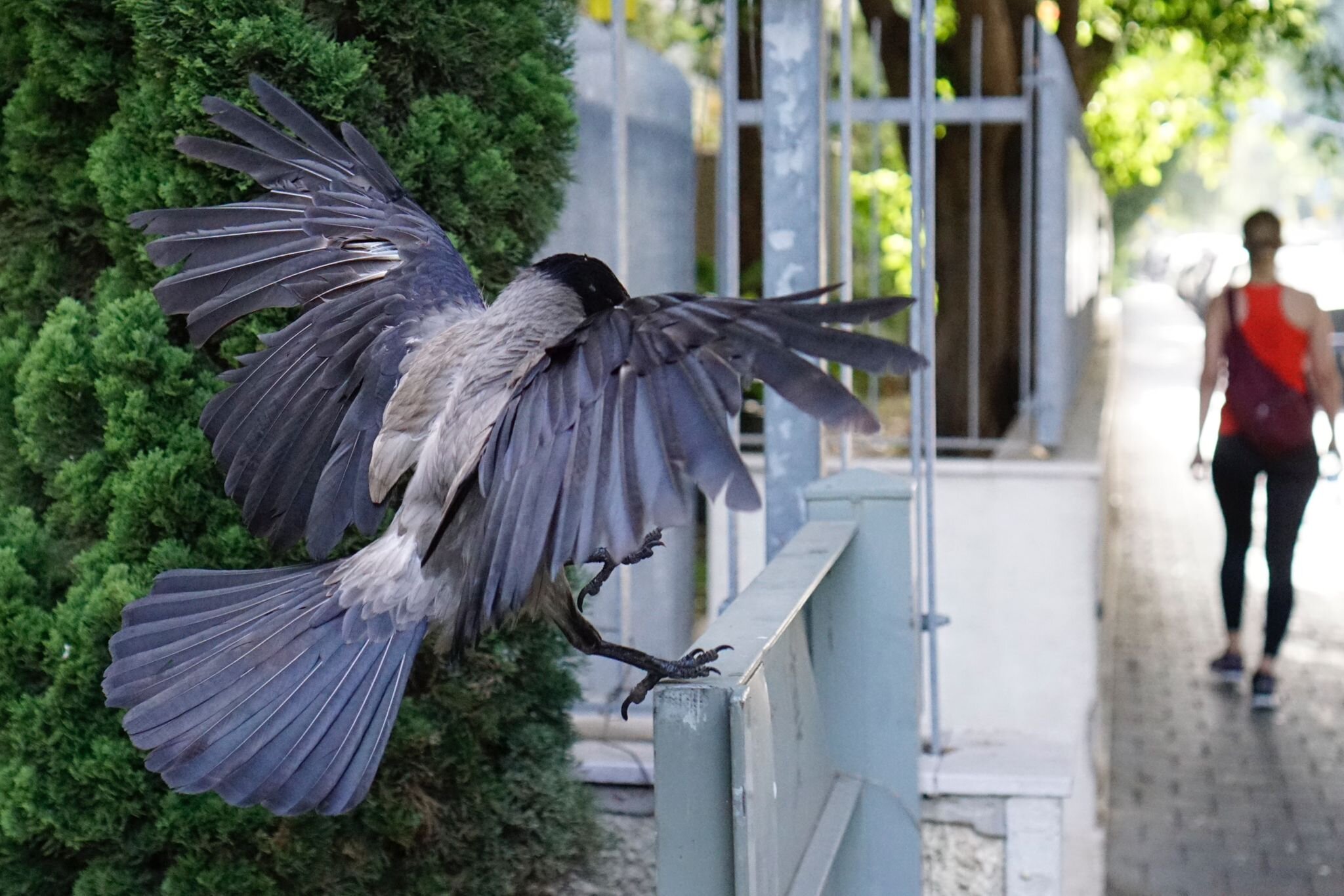
A study from Tel Aviv University has found that birds accustomed to living around humans, such as crows and ringneck parakeets, decreased their activity when humans were absent during the COVID-19 lockdown, while the shy graceful prinias actually increased their activity. The research used microphones to monitor bird activity in an urban area and found that certain bird species, like crows, rely on humans for food scraps, while others, like the graceful prinias, adapt to urban environments but do not depend on human presence. The study highlights the complexity and diversity of the urban ecosystem and the interrelationship between humans and wildlife.

Flaco, the Eurasian eagle-owl who escaped from a zoo and captivated New York City residents with his truancy and survival, was found dead in an Upper West Side courtyard. While initially thought to have died from a window collision, a necropsy revealed substantial hemorrhage in his body cavity, suggesting a fall from his perch. The article reflects on Flaco's life in captivity, the impact of human intervention on wildlife, and the ethical implications of zoos and urban environments for wild animals.
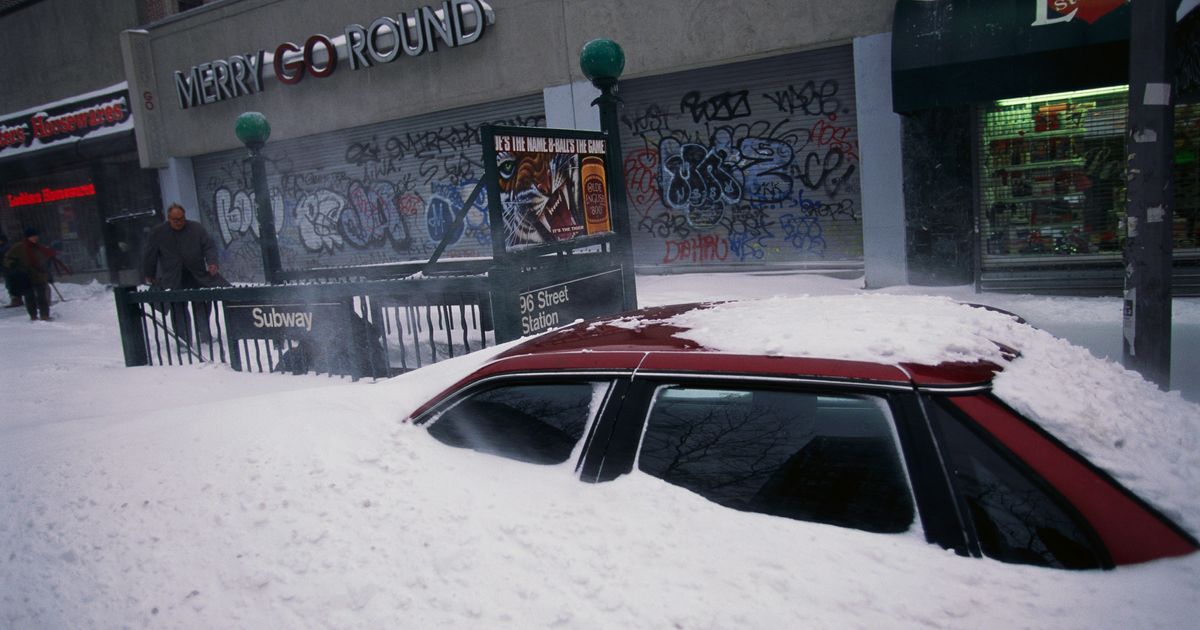
New York City's snowfall has become increasingly rare due to changing climate patterns, with the city's local climate being buffered by its proximity to the ocean. The article reminisces about past heavy snowstorms and reflects on the city's transformation from a cold-weather urban environment to one where heavy snowfall is now an anomaly. It also discusses the impact of New York's urban intensity on the quick deterioration of snow into dirty slush, highlighting the fleeting nature of snow in the city.
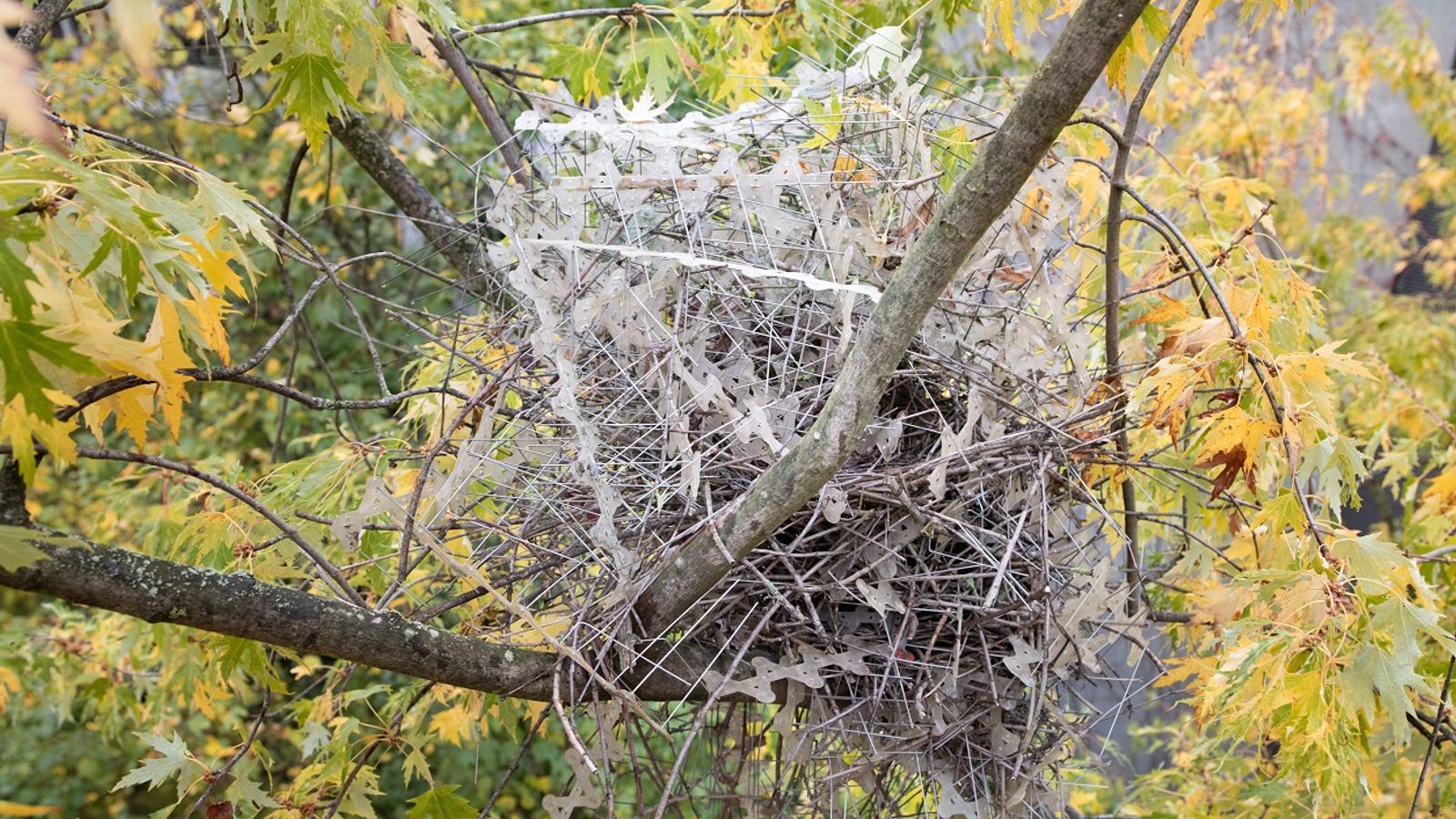
Birds, specifically magpies and crows, have been observed stealing anti-bird spikes installed on buildings and using them to build their nests. Researchers from Dutch natural history museums discovered this phenomenon in a hospital courtyard in Antwerp, where magpies had constructed a nest using around 1,500 stolen spikes. The behavior is seen as an "ultimate adaptation to life in the city," providing an urban alternative to thorny branches for nest protection. Similar nests have been found in the Netherlands, Belgium, and Scotland, and other sharp materials like barbed wire and knitting needles are also used by magpies for nest construction.
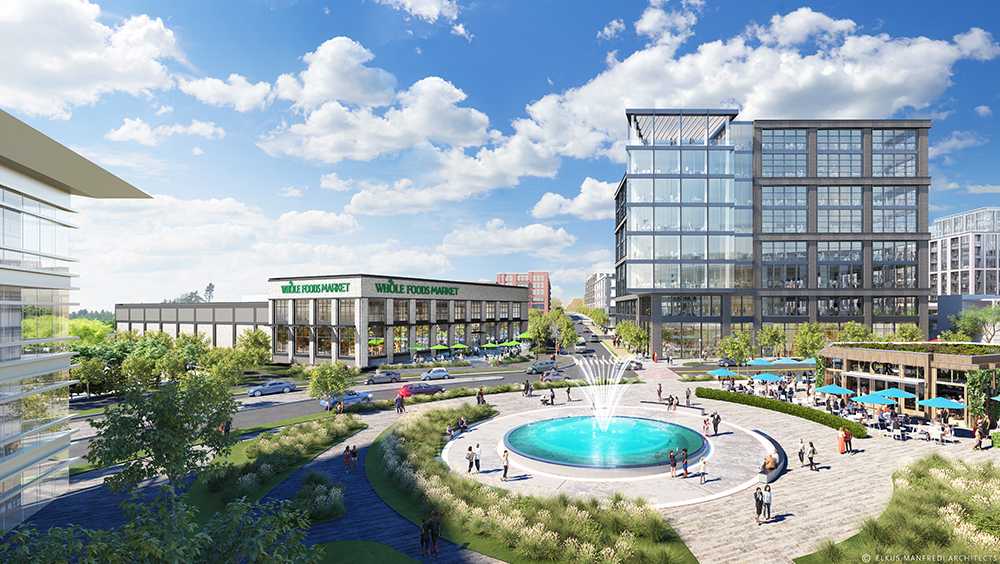
Whole Foods Market will be the anchor tenant to the $1 billion Greenville County Square Redevelopment, a 3.5-million-square-feet mixed-use development in downtown Greenville. The natural and organic food retailer will be housed in a standalone state-of-the-art building designed by MVA Architects. The project is positioned to be the ideal walkable environment for residents and visitors with a strategic blend of office, hotels, residential, restaurant, entertainment, and retail, all encompassed in an urban environment. No exact completion or opening date was immediately announced, but officials said they expected the Whole Foods building to be complete later this year.