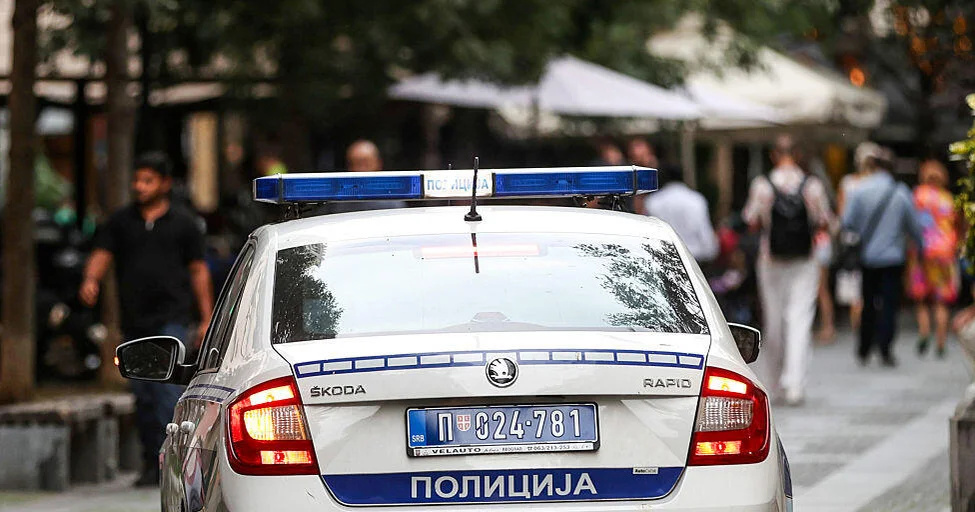
A 1,000-pound WWII-era U.S.-made bomb was safely removed from a construction site in Belgrade, Serbia, near residential and commercial areas, and will be destroyed at a military training ground. The discovery highlights ongoing risks of unexploded ordnance from past conflicts, with similar finds reported in various countries recently.
In Gaza, unexploded Israeli bombs from recent conflicts pose a deadly threat to civilians, especially children, with efforts to clear them hampered by ongoing dangers and lack of resources, leading to continued injuries and displacement.
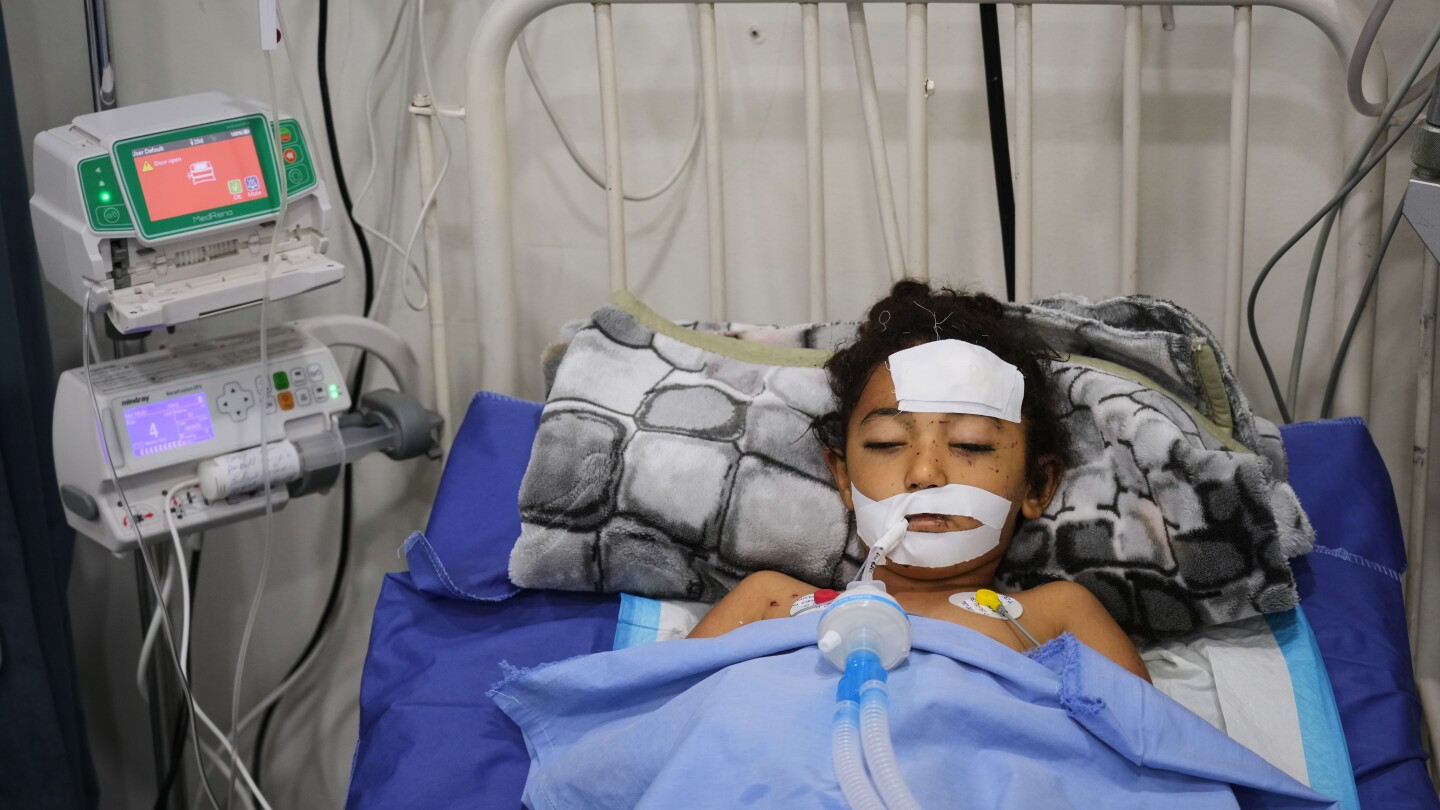
In Gaza, twin children were severely injured after discovering and triggering unexploded ordnance while playing, highlighting ongoing dangers despite a recent ceasefire. The war has caused extensive casualties and left millions at risk from unexploded bombs, with international efforts underway to clear debris and reduce threats. The situation remains dire with limited medical supplies and high risks for returning residents.
An unexploded WWII bomb found in Plymouth, England prompted one of the largest evacuations in the UK since the war, with around 10,000 people evacuated. The bomb, weighing around 500 kilograms, was safely transported through the city and placed on a boat for disposal at sea. Plymouth, a famous naval port targeted during WWII, has a history of bombings, and unexploded ordnance is regularly found across the UK.
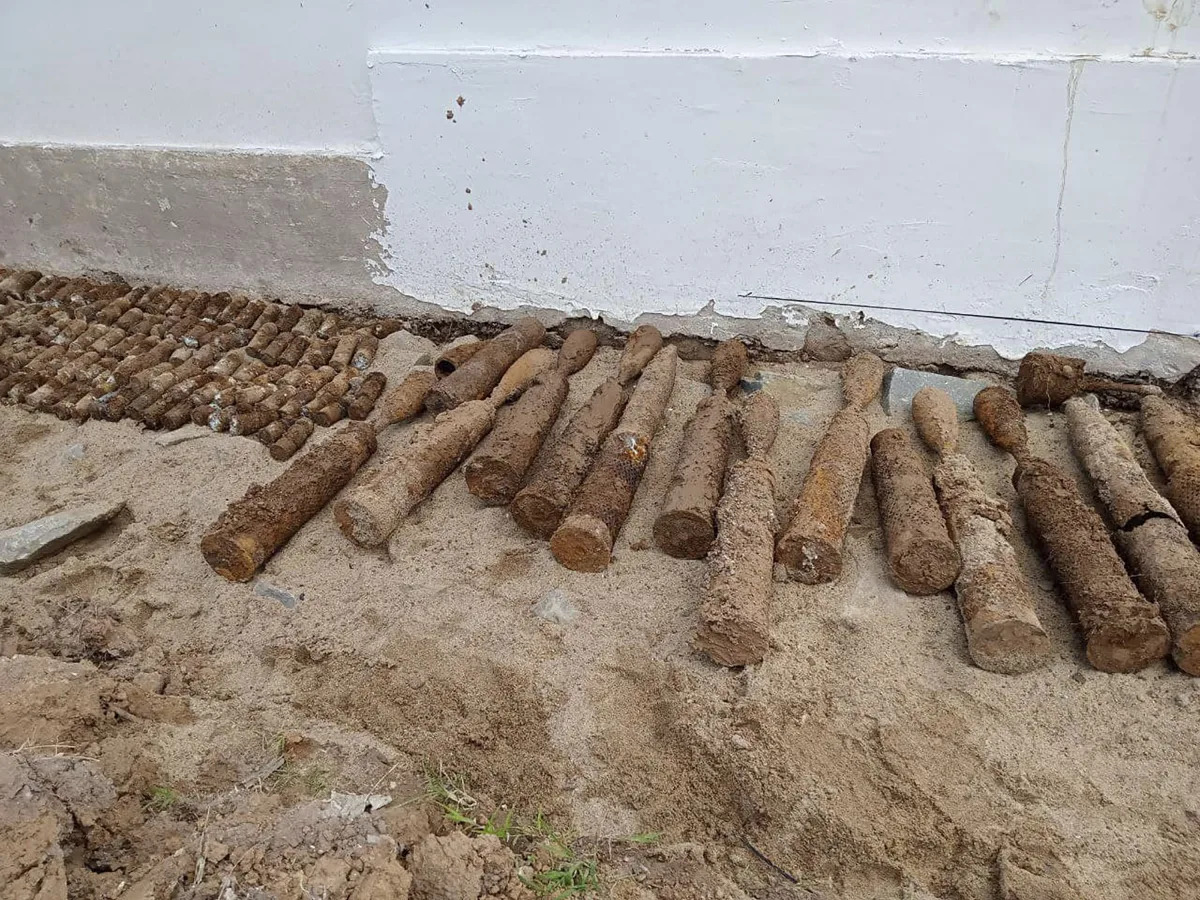
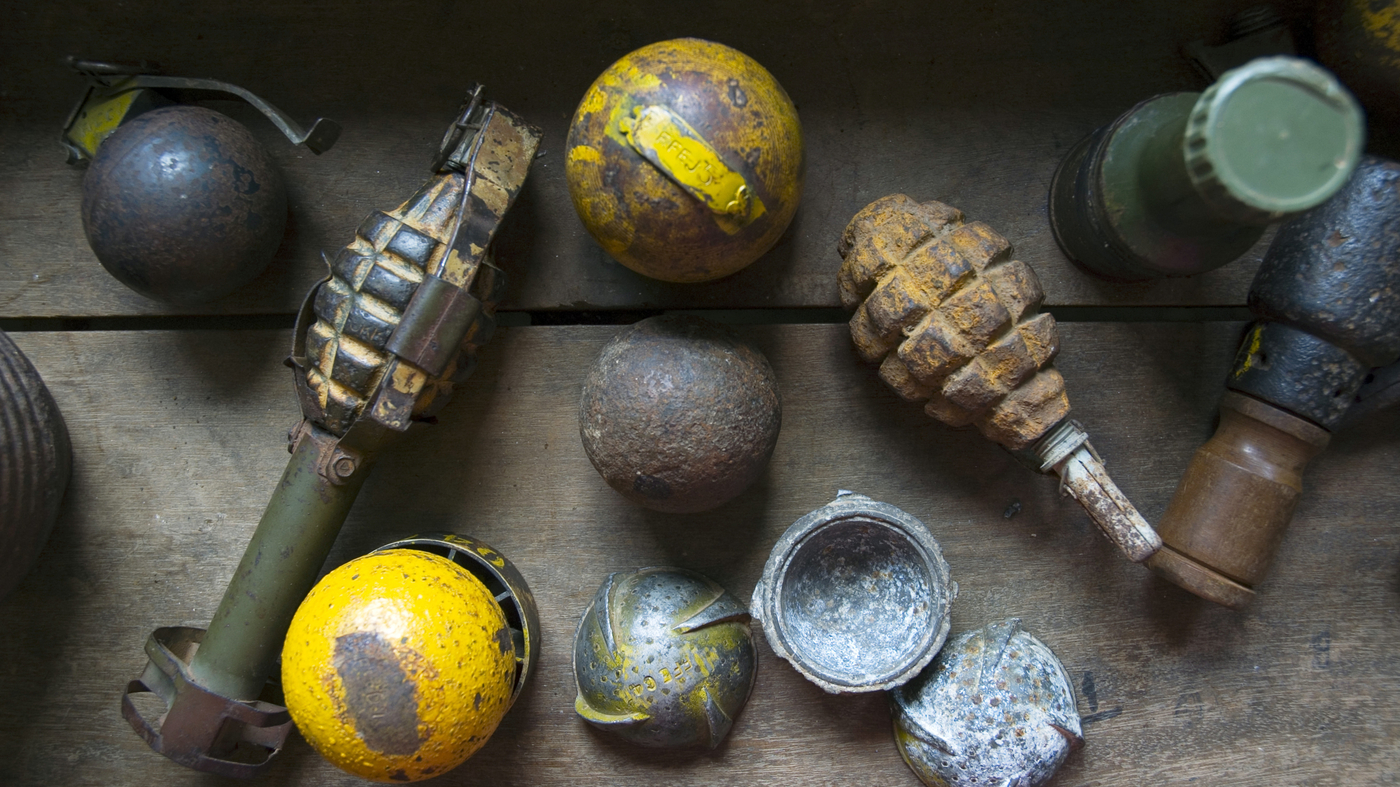
A high school in Cambodia has been temporarily closed after thousands of pieces of unexploded ordnance were discovered on the campus. The ordnance, including grenades and rocket launcher ammunition, was found during a search for buried landmines before a new building was constructed. The school site was previously an ammunition warehouse during the Khmer Rouge regime, and it was believed that all the ordnance had been removed. However, many more pieces are still believed to be buried, prompting the closure of the school while deminers work to collect the dangerous material. Cambodia has been plagued by landmines and unexploded ordnance since the end of its civil war, resulting in numerous casualties over the years.
Laos remains the most heavily bombed country in history, with the U.S. dropping over 2 million tons of ordnance during the Vietnam War. Cluster bombs, which resemble toys, were extensively used and continue to pose a threat as many failed to detonate. Over 30% of the bombs dropped in Laos failed to explode, resulting in the deaths of 50,000 civilians, including many children. Despite efforts to clear the unexploded ordnance, progress has been slow, and it could take a century to complete the task.
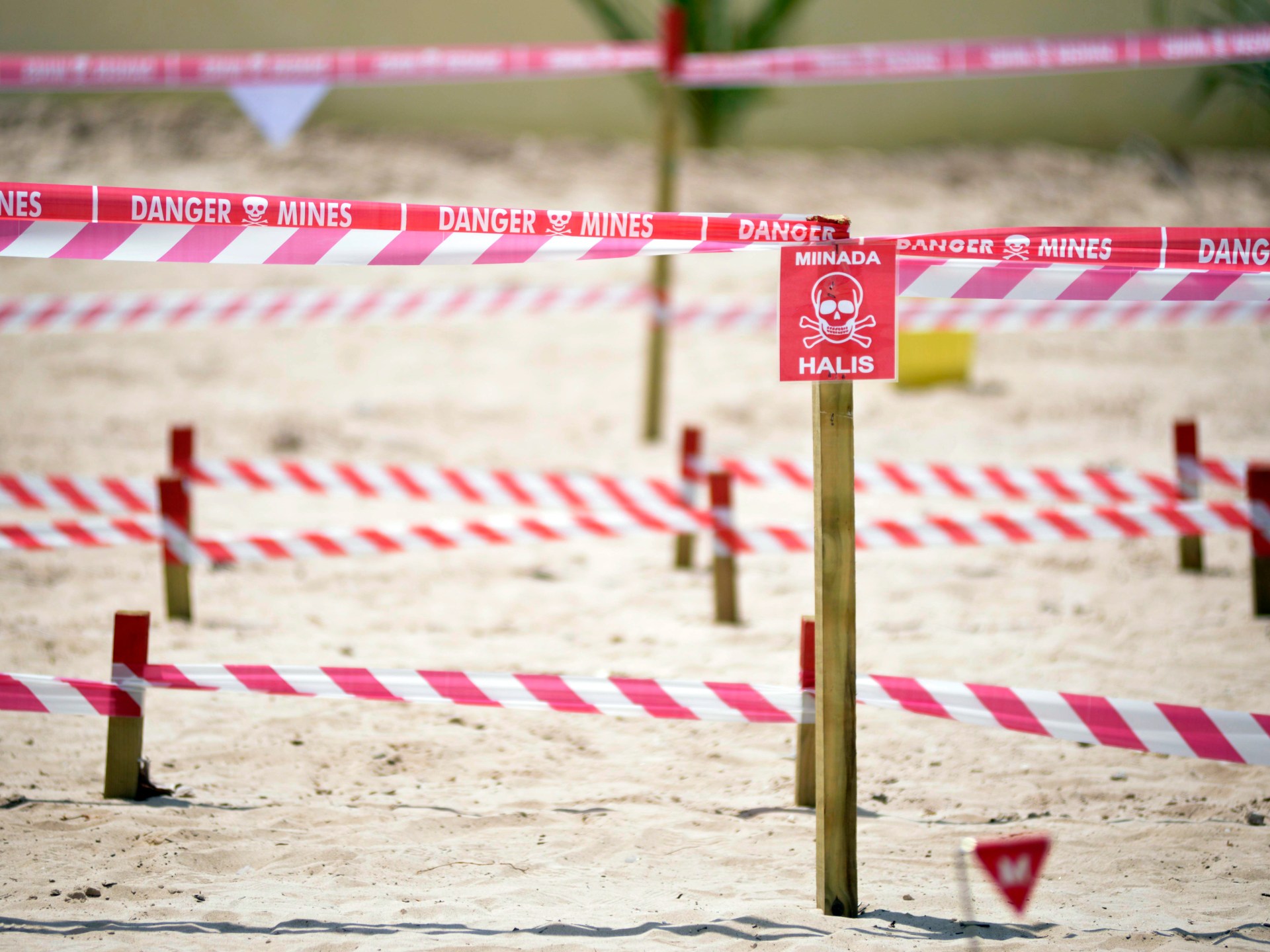
More than 20 people, mostly children and young people, were killed and over 50 injured in Somalia's Lower Shabelle region when an unexploded mortar shell detonated near an area where they were playing. The shell was reportedly left behind by warring factions, and recent rainfall had uncovered it. Local officials have called for aid agencies to clear mines and shells from the area.
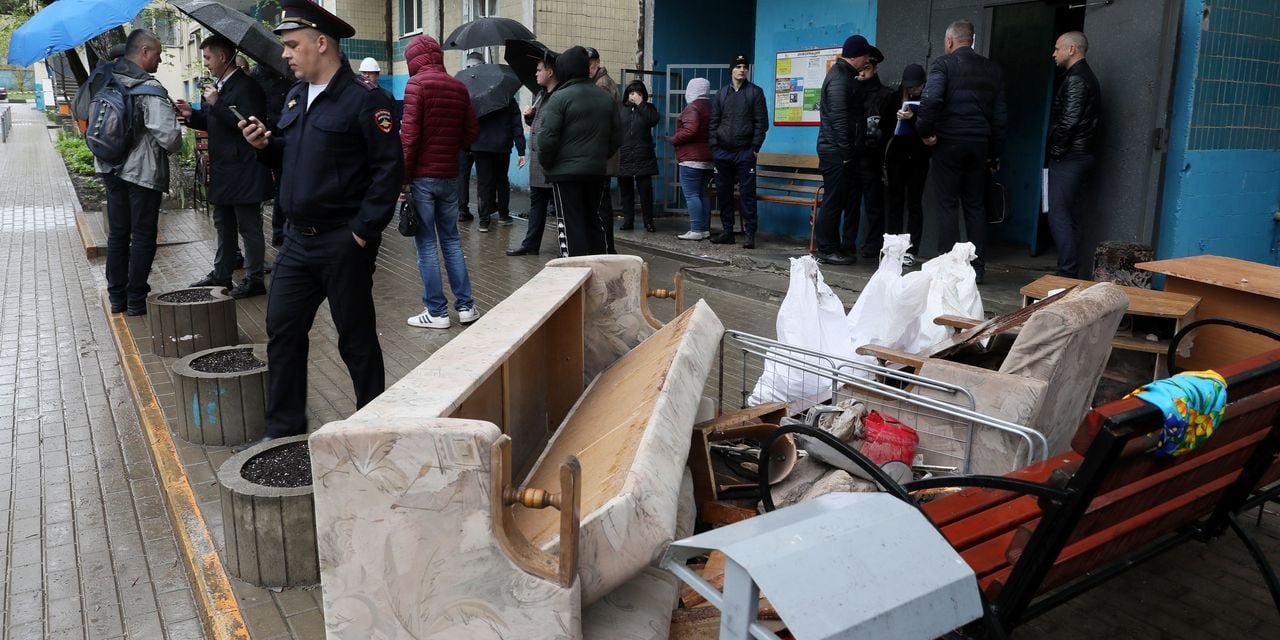
Russian authorities are evacuating around 3,000 residents from parts of Belgorod, a border city near Ukraine, after its own air force accidentally bombed the area. Unexploded ordnance was found in the area, prompting the evacuation of 17 residential buildings.