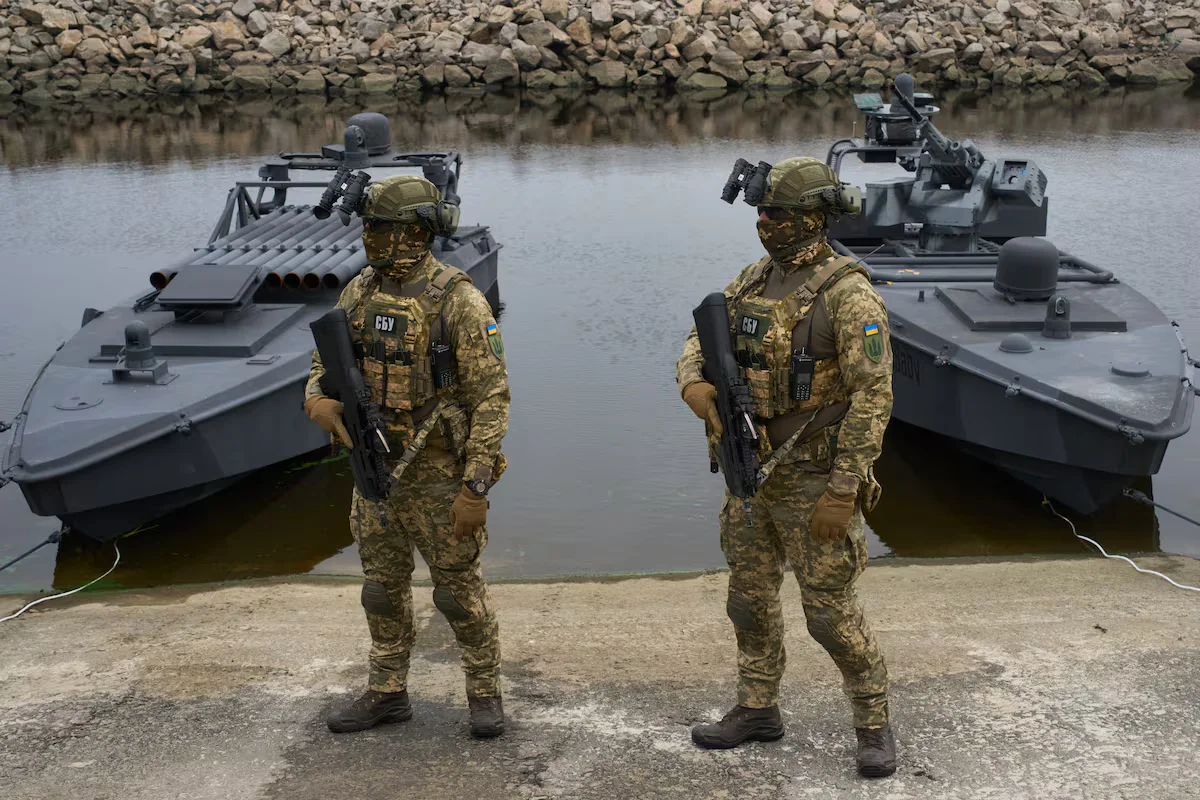
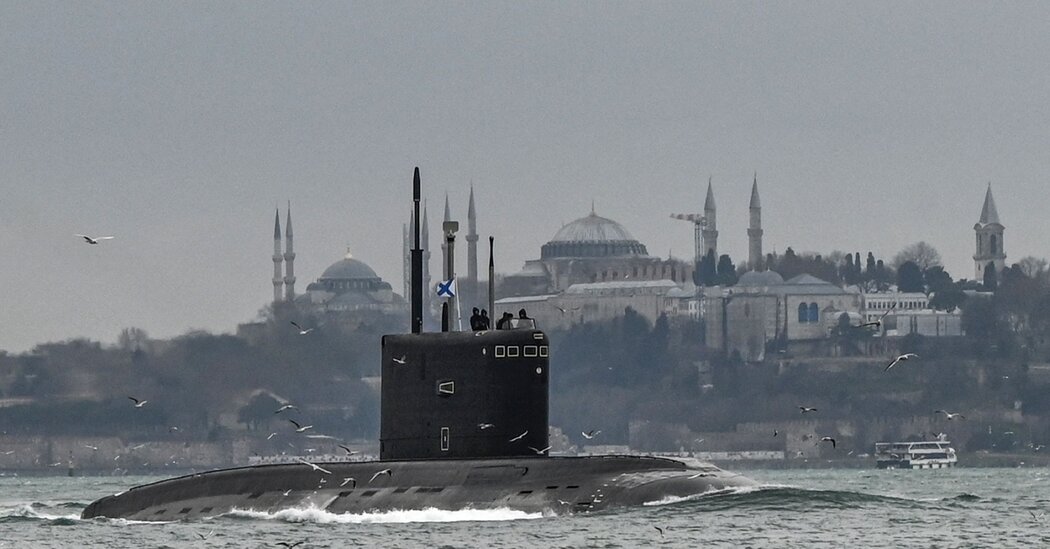
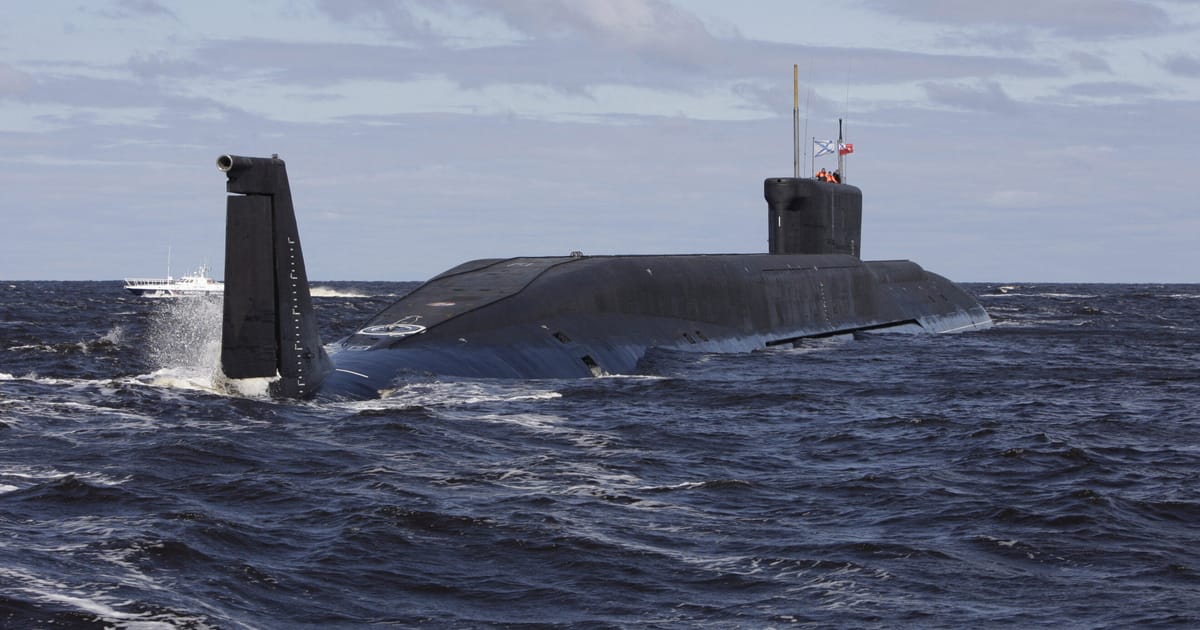
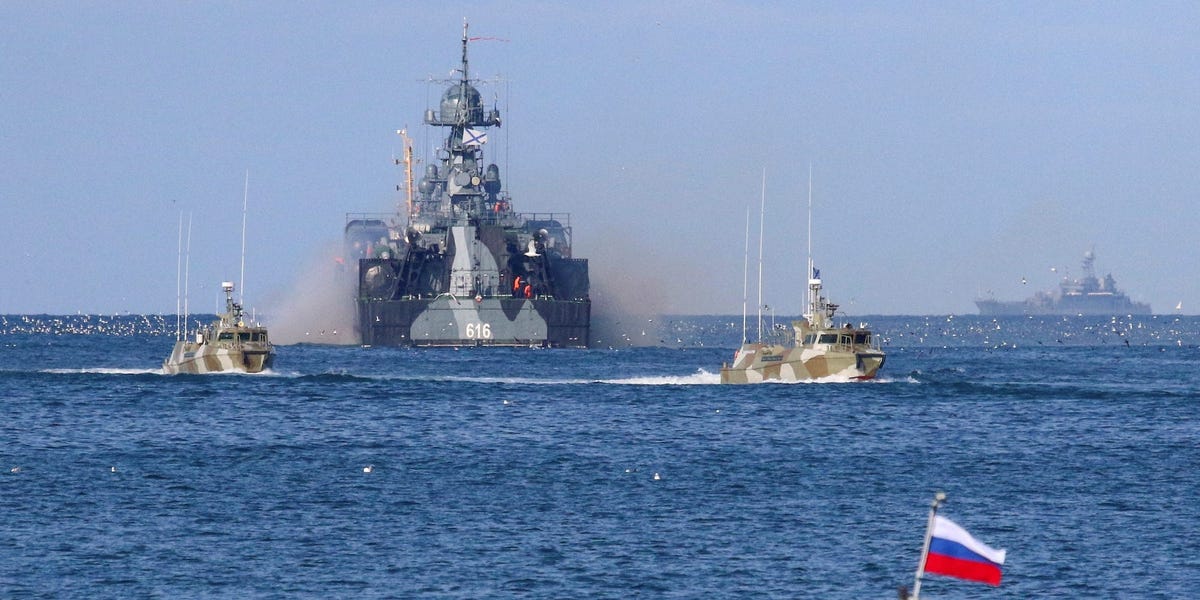
Ukraine's Security Service (SBU) revealed details of a successful underwater drone attack that disabled a Russian Kilo-class submarine in Novorossiysk, aided by the destruction of a Russian reconnaissance aircraft, highlighting vulnerabilities in Russia's military infrastructure.
The Ukrainian Security Service revealed that the destruction of a Russian submarine in Novorossiysk was facilitated by the elimination of a Russian Il-38N anti-submarine aircraft, which posed a threat to Ukraine's naval operations. The aircraft was targeted at Yeysk airbase, enabling Ukraine's naval drone to successfully attack the submarine undetected, highlighting vulnerabilities in Russian military infrastructure.
Ukraine's Security Service claims to have used an underwater drone, 'Sub Sea Baby,' to damage a Russian submarine at Novorossiysk, with footage from compromised enemy cameras showing the attack, marking a historic first in underwater drone warfare.
Ukraine claimed to have used underwater drones to damage a Russian Kilo-class submarine docked in a Black Sea port, marking the first publicly acknowledged use of this new Ukrainian weapon technology, though Russia denied the vessel was damaged.
Ukraine reportedly destroyed a Russian submarine using an underwater drone, highlighting ongoing military tensions between the two countries amid broader geopolitical developments.
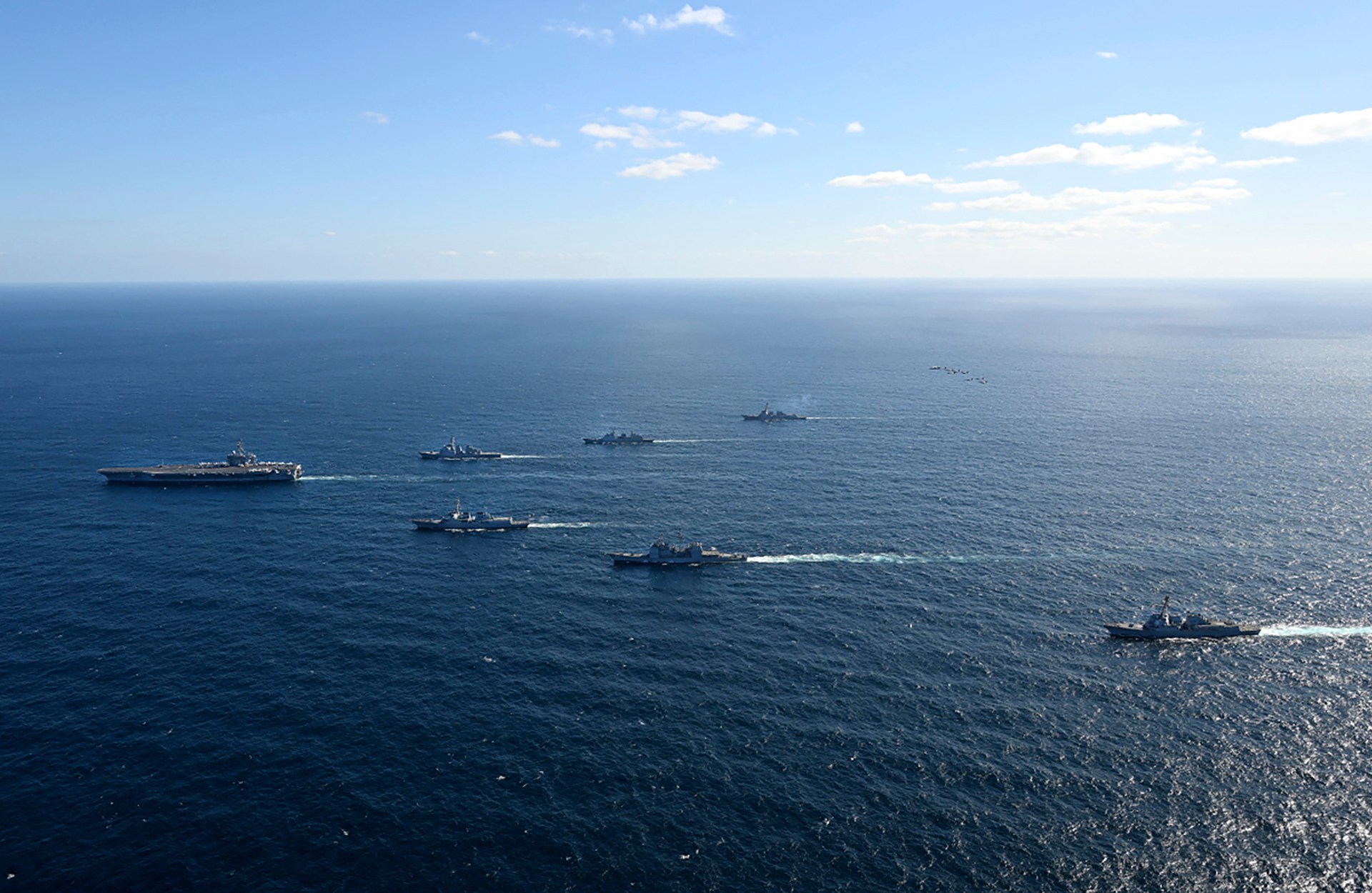
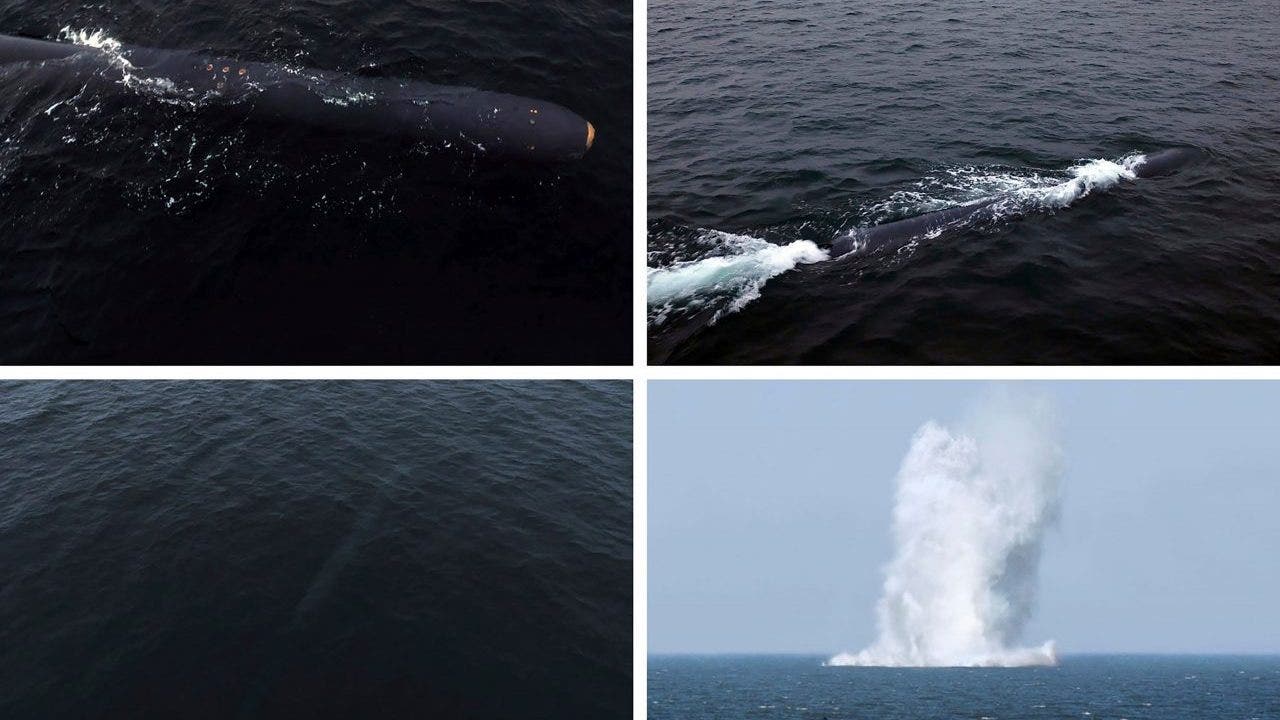
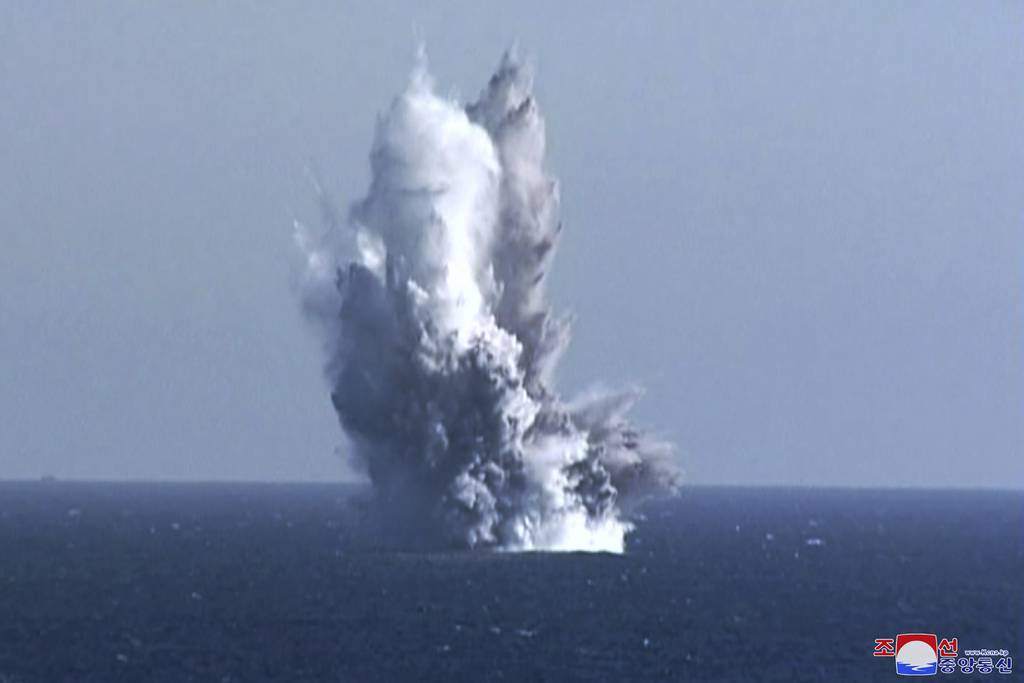
North Korea claims to have tested a nuclear-capable underwater attack drone aimed at destroying naval vessels and ports in response to naval drills by the U.S., South Korea, and Japan. The test comes amid escalating tensions on the Korean Peninsula, with North Korean dictator Kim Jong Un scrapping the idea of peaceful reunification with South Korea and declaring South Korea as its most hostile foreign adversary. South Korea has disputed the capabilities of the drone and denounced North Korea's recent tests as a violation of U.N. Security Council resolutions.
North Korea has tested a nuclear-capable underwater attack drone in response to joint naval exercises involving the US, South Korea, and Japan, warning of "catastrophic consequences" for the US and its allies. Tensions on the Korean Peninsula have been elevated amid Pyongyang's repeated weapons tests, with the latest being a new solid-fuel missile fitted with a hypersonic warhead. This comes as authoritarian leader Kim Jong Un ordered the closure of government bodies dedicated to inter-Korean rapprochement, signaling a rollback of efforts towards reconciliation with South Korea.
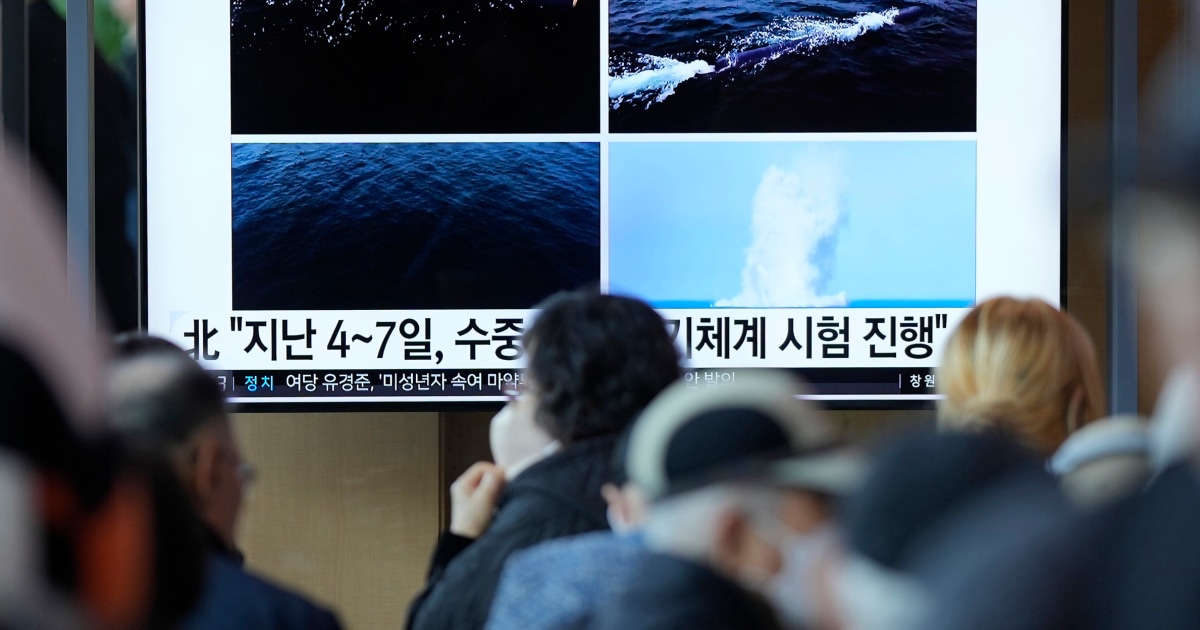
North Korea claims to have tested an "underwater nuclear weapons system" in response to joint military drills by the United States, South Korea, and Japan, stating that the tests are necessary to counter the perceived threat to its security. The country has been increasingly aggressive in its rhetoric and actions, including claiming to have fired a medium-range missile with a hypersonic warhead. Analysts are uncertain about the readiness of North Korea's underwater system, but the regime continues to assert its military capabilities and condemn the joint military exercises as hostile acts.
Ukraine has unveiled a 20-foot-long underwater drone called Marichka, designed to attack Russian warships from beneath the surface. This new addition to Ukraine's naval arsenal provides a new dimension to their attacks on Russia's Black Sea Fleet, which have previously been carried out mainly by surface naval drones. The Marichka, developed by volunteer engineers, has a range of about 600 miles and can perform attack, transport, or reconnaissance missions. Ukraine has also established its first naval drone brigade, further enhancing its capabilities in naval warfare.
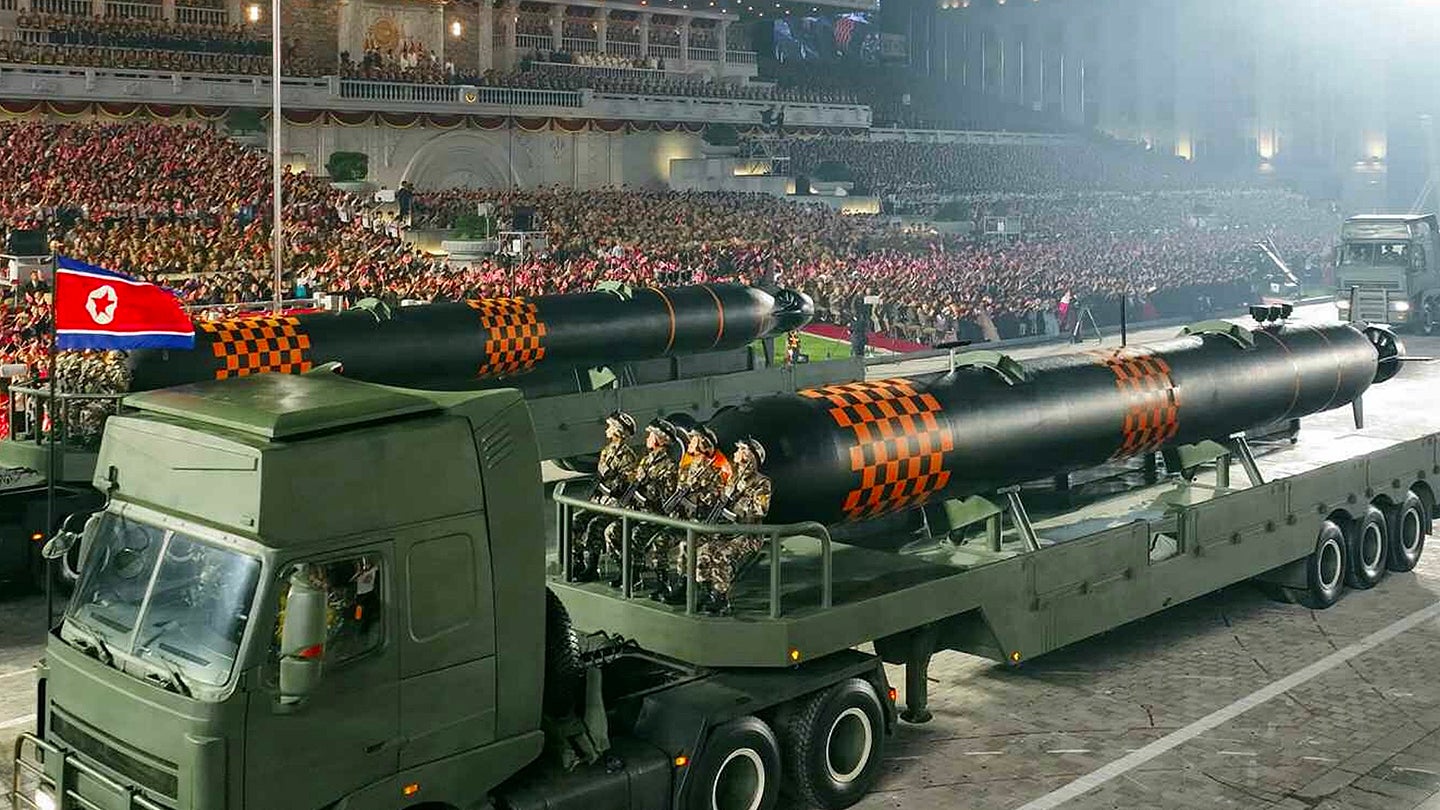
North Korea showcased a new underwater drone, believed to be capable of carrying a nuclear warhead, during a military parade in Pyongyang. The drone, similar in concept to Russia's Poseidon torpedo, is presumed to rely on battery propulsion rather than nuclear propulsion. While its range is limited compared to the Poseidon, it could pose a threat to coastal installations and cities in South Korea. The underwater drone may provide North Korea with a strategic nuclear warhead delivery option that bypasses existing missile defense systems and complements its submarine-launched ballistic missiles. Additionally, it could help North Korea expand its knowledge of unmanned underwater vehicles (UUVs) for various missions, such as mine warfare and underwater surveillance.
North Korea claims to have successfully tested a second type of nuclear-capable underwater attack drone, named "Haeil-2," designed to destroy naval vessels and ports. The test comes amid a flurry of weapons demonstrations this year that have heightened tensions with rivals. Analysts are skeptical about the device's effectiveness and whether it adds a meaningful new threat to North Korea's growing nuclear arsenal built around missiles. The US, South Korea, and Japan's nuclear envoys met in Seoul to discuss the growing North Korean nuclear threat and called for stronger international efforts to crack down on illicit North Korean activities funding its weapons program.
North Korea claims to have successfully tested an underwater nuclear-capable drone, the Haeil-2, this week. The country's state media said the system would serve as an advantageous and prospective military potential of the armed forces of the DPRK essential for containing all evolving military actions of enemies, removing threats and defending the country. Due to the lack of a free press and diplomatic relations, it is not currently possible to evaluate North Korea officials' claims. The country has stopped responding to regularly scheduled calls with South Korea as military tensions rise.
The "Raise The Arrow" mission, funded by the OEX Recovery Group Incorporated, used an underwater drone called ThunderFish to explore the depths of Lake Ontario and search for hidden treasures. The team discovered a mystery object that had been rumored to be at the bottom of the lake for over half a century. Lake Ontario's banks contain 400 cubic miles of unexplored waters, and the ThunderFish's sonar-powered camera captured clear images of the lake bed.
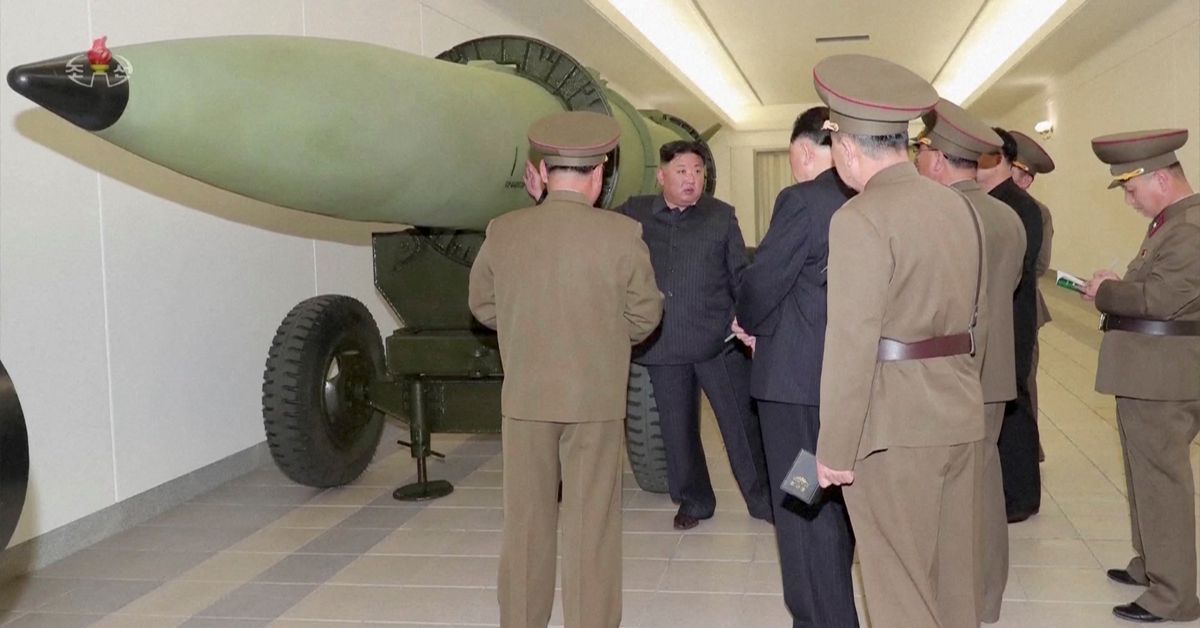
North Korea has unveiled new, smaller nuclear warheads and vowed to produce more weapons-grade nuclear material to expand the country's arsenal, as a US aircraft carrier arrived in South Korea for military drills. Experts say the images could indicate progress in miniaturising warheads that are powerful yet small enough to mount on intercontinental ballistic missiles capable of striking the US. North Korea has been ramping up tensions, firing short-range ballistic missiles on Monday and conducting a nuclear counterattack simulation last week against the US and South Korea, which it accused of rehearsing an invasion with their military exercises.
North Korea has claimed to have tested a nuclear-capable underwater drone designed to generate a "radioactive tsunami" that would destroy naval strike groups and ports. The test underlines the North's commitment to raising nuclear threats. Analysts were skeptical that the device presents a major new threat. The test came as the United States reportedly planned to deploy aircraft carrier strike groups and other advanced assets to waters off the Korean Peninsula. Military tensions are at a high point as the pace of both North Korean weapons tests and U.S.-South Korea joint military exercises accelerated in the past year in a cycle of tit-for-tat responses.