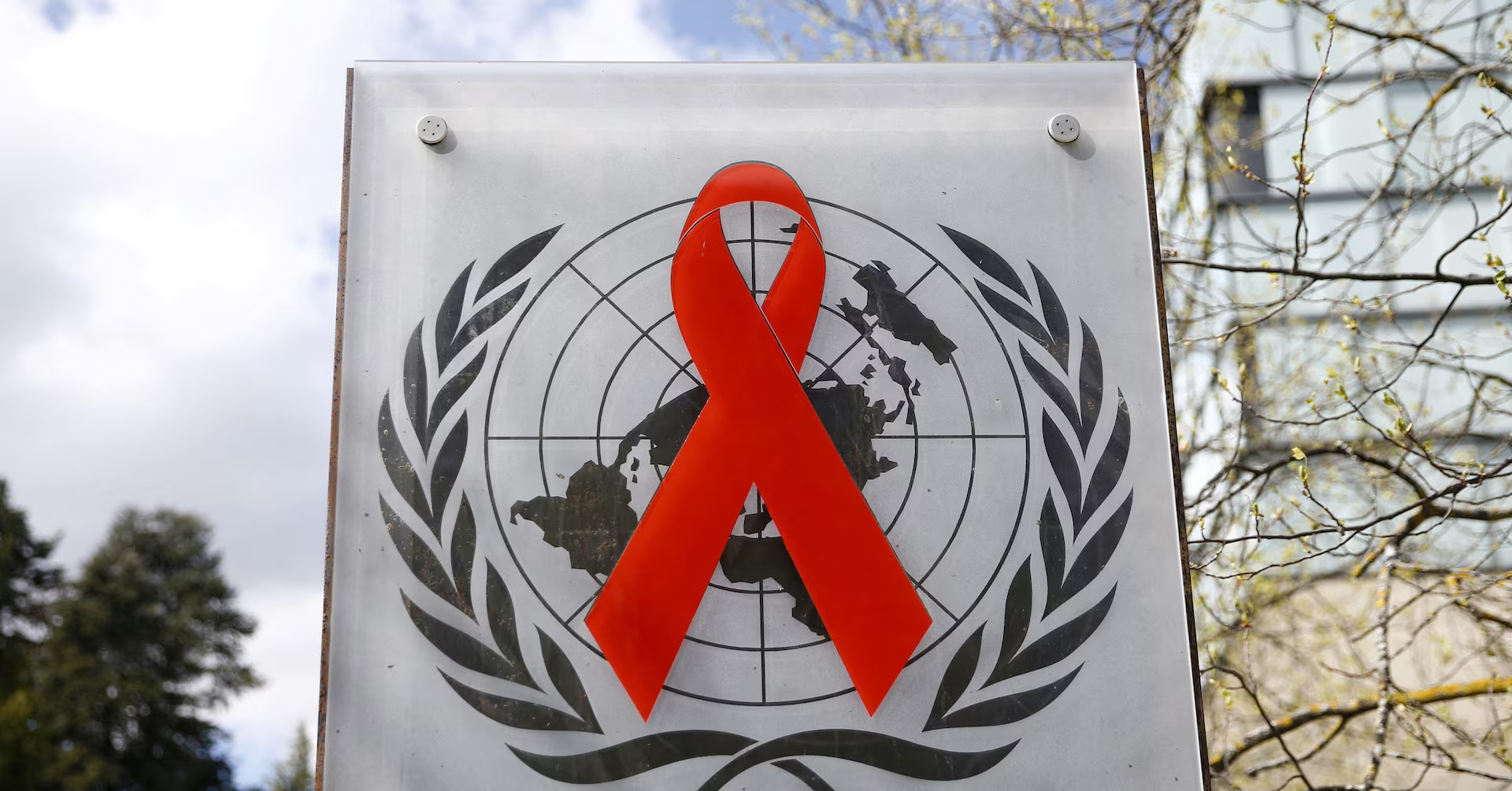
UN Plans to Shut Down UNAIDS by 2026 Amid Funding Shortfalls
The UN proposes to close UNAIDS by 2026 due to funding cuts, with plans to integrate its expertise into the broader UN system, amid ongoing challenges in global HIV/AIDS efforts.

All articles tagged with #unaids
The UN proposes to close UNAIDS by 2026 due to funding cuts, with plans to integrate its expertise into the broader UN system, amid ongoing challenges in global HIV/AIDS efforts.
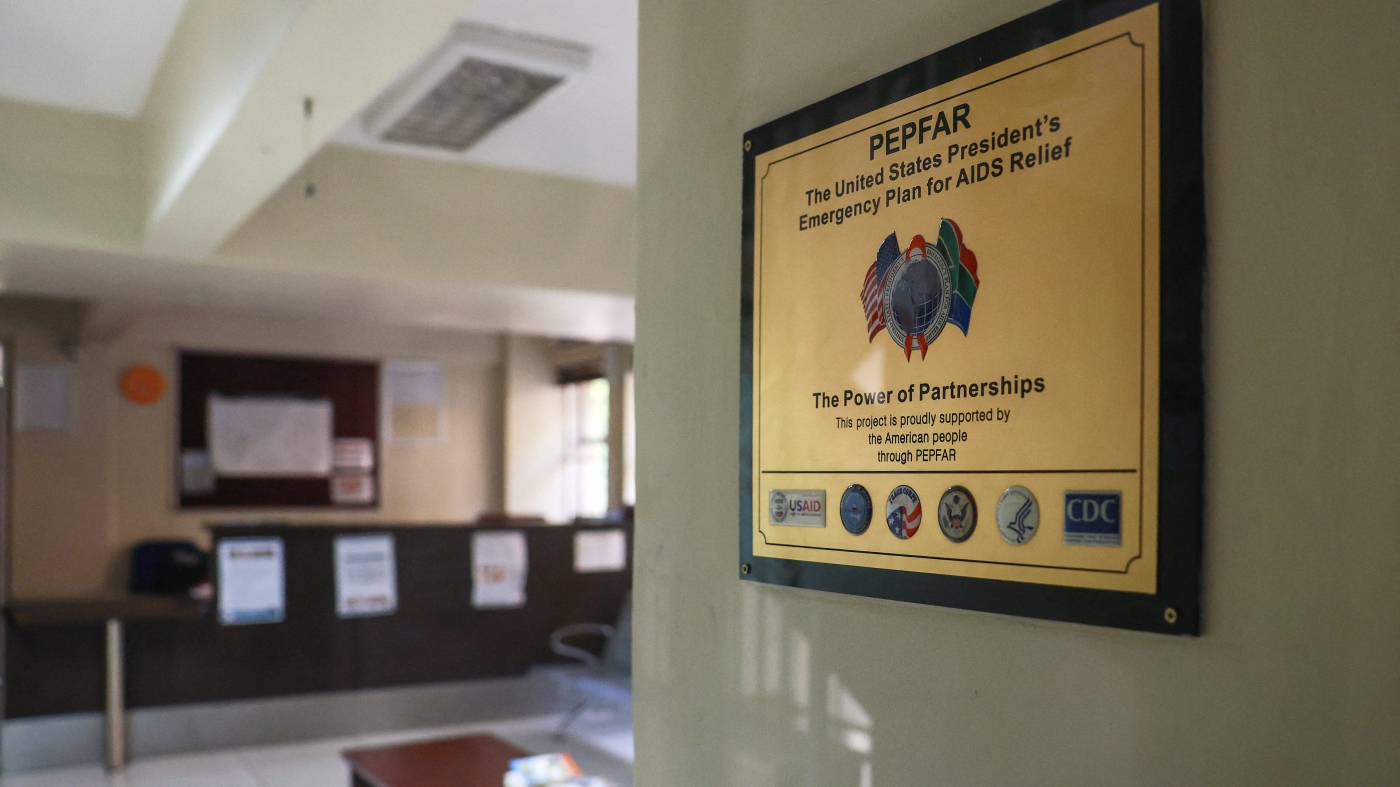
The UNAIDS report warns that recent sharp U.S. funding cuts, especially the withdrawal of PEPFAR support, threaten to reverse decades of progress in combating HIV/AIDS, risking millions of new infections and deaths, with significant impacts in South Africa and globally.

People at higher risk of HIV, such as gay men and drug users, face increasing criminalisation worldwide, with some countries reintroducing harsh laws. Despite progress in reducing HIV infections and deaths, recent US funding cuts threaten to reverse gains, especially affecting key populations reliant on donor-funded services. UNAids warns that without sustained funding and policy support, the goal to end AIDS as a public health threat by 2030 is at serious risk.
US aid cuts have threatened South Africa's HIV/AIDS treatment programs, risking a reversal of progress made in reducing infections and deaths. Many patients, especially vulnerable populations like sex workers, face medication shortages and increased barriers to access, while research efforts are also impacted. South Africa's leadership in HIV research and treatment is at risk due to reduced funding, which could lead to a rise in HIV infections and AIDS-related deaths.

UNAIDS Chief Winnie Byanyima warns that the global HIV response is in crisis due to nearly 50% funding cuts from the US, leading to clinic closures, halted prevention services, and increased risk of new infections and deaths, especially impacting vulnerable populations in developing countries.

A 44-year-old Jamaican man living with HIV has maintained an undetectable viral load through consistent antiretroviral treatment and now mentors others with the virus. Despite the stigma, he remains positive and grateful for his second chance at life, emphasizing the importance of medication adherence and safe practices. In Jamaica, 91% of people with HIV know their status, but only 49% are on treatment, highlighting a gap in care. Globally, 77% of people with HIV are on antiretroviral therapy, still short of the 2025 target.
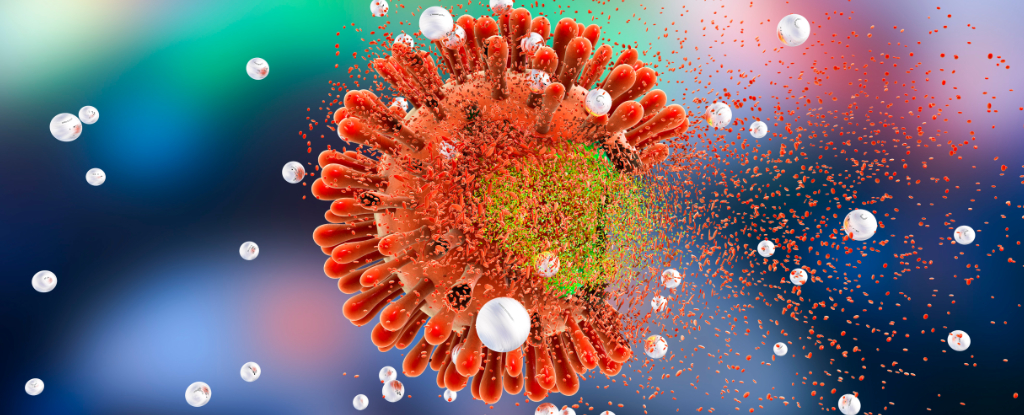
The United Nations reports that HIV cases in 2023 reached their lowest since the 1980s, with 1.3 million new infections, but warns that progress is too slow to meet the goal of ending AIDS by 2030. Antiretroviral treatments have contributed to the decline, yet 9.3 million people with HIV are not receiving treatment. Despite global progress, 28 countries saw increased infections, and access to preventative treatments like PrEP remains limited. A new drug, lenacapavir, shows promise but is costly, raising concerns about accessibility.

Global progress in reducing HIV infections and deaths is evident, with new cases and fatalities at their lowest since the 1980s and 2004, respectively. However, challenges remain, as 1.3 million new cases in 2023 exceed targets for ending AIDS by 2030. While treatments like PrEP and antiretrovirals are effective, access is limited, especially in poorer regions. A promising new drug, lenacapavir, offers hope with its biannual injection, but cost and access issues persist. Despite advancements, a vaccine for HIV remains elusive.
UNAIDS is calling for urgent support to let communities lead in the fight to end AIDS ahead of World AIDS Day. A new report by UNAIDS highlights the critical role communities play in the fight against AIDS and the barriers they face, including underfunding and harmful policies. The report showcases the impact of community-led HIV programs, such as increased access to treatment and prevention services. However, community-led responses are often unrecognized, under-resourced, and even under attack. UNAIDS is urging governments and donors to fully support community-led initiatives and remove barriers to their leadership roles in HIV plans and programs.
A new report from UNAIDS outlines a clear path to end AIDS by 2030, highlighting the achievements of countries like Botswana, Eswatini, Rwanda, Tanzania, and Zimbabwe, which have already achieved the "95-95-95" targets. However, progress is still needed, as 9.2 million people are still missing out on treatment, and women and girls, particularly in sub-Saharan Africa, are disproportionately affected. Funding for HIV has also declined, falling short of the necessary amount. The report emphasizes the importance of strong political leadership, evidence-based prevention and treatment, non-discriminatory laws, gender equality, and empowered community networks to achieve the goal of ending AIDS.