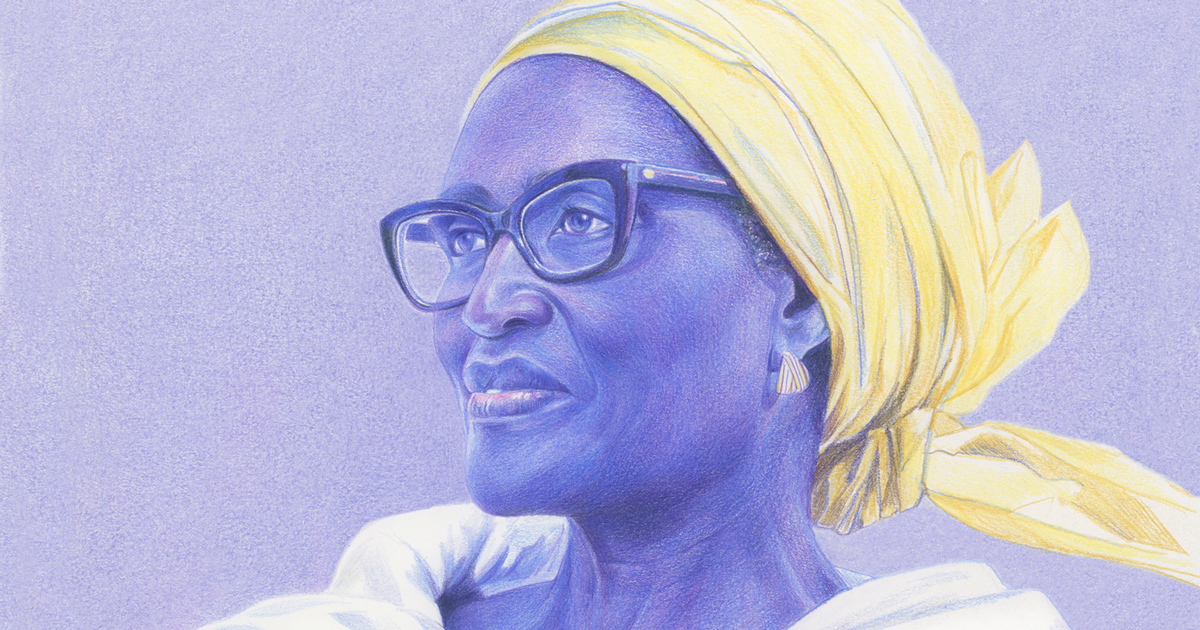
UNAIDS Chief Winnie Byanyima warns that the global HIV response is in crisis due to nearly 50% funding cuts from the US, leading to clinic closures, halted prevention services, and increased risk of new infections and deaths, especially impacting vulnerable populations in developing countries.
Dengue, a mosquito-borne illness, is spreading rapidly around the world, with cases and deaths reaching record highs. The disease's reach is likely even higher due to asymptomatic cases and symptoms that can be mistaken for other infections. The rise of dengue is attributed to climate change and rapid urbanization in the developing world. Public health authorities are taking measures to combat the disease, including vaccination campaigns and the use of genetically modified mosquitoes. However, the challenge of dengue is expected to intensify in the coming years, requiring a collaborative global effort to find effective solutions.
The spread of drug-resistant superbugs, known as antimicrobial resistance (AMR), is being exacerbated by climate change, making it harder to combat this global health crisis. The World Health Organization has declared AMR as one of the top 10 global threats to human health, with an estimated 1.3 million deaths annually due to resistant pathogens. Climate change contributes to the spread of AMR by increasing the transmission of infectious diseases, disrupting extreme weather events, and creating favorable conditions for bugs to develop resistance. Urgent action is needed to address the AMR diagnostics pipeline, which is currently broken and lacks economic viability for investment in antibiotics and their development. Policymakers and industry leaders must recognize the association between the climate crisis and AMR and prioritize efforts to combat this silent pandemic.
A new analysis of global data spanning over 30 years reveals a growing crisis of low back pain, with projections suggesting that 843 million people will suffer from the condition by 2050 due to increasing populations and aging demographics. The absence of a standardized protocol for managing back pain, combined with inadequate treatment alternatives, is a source of concern for researchers, who fear it could trigger a healthcare catastrophe. Low back pain is the primary global cause of disability, and the study highlights the need for a national, consistent approach to managing the condition. The findings also reveal that low back pain is more common among older people and females. Urgent efforts are needed to prevent and address the high burden of musculoskeletal conditions, including low back pain.