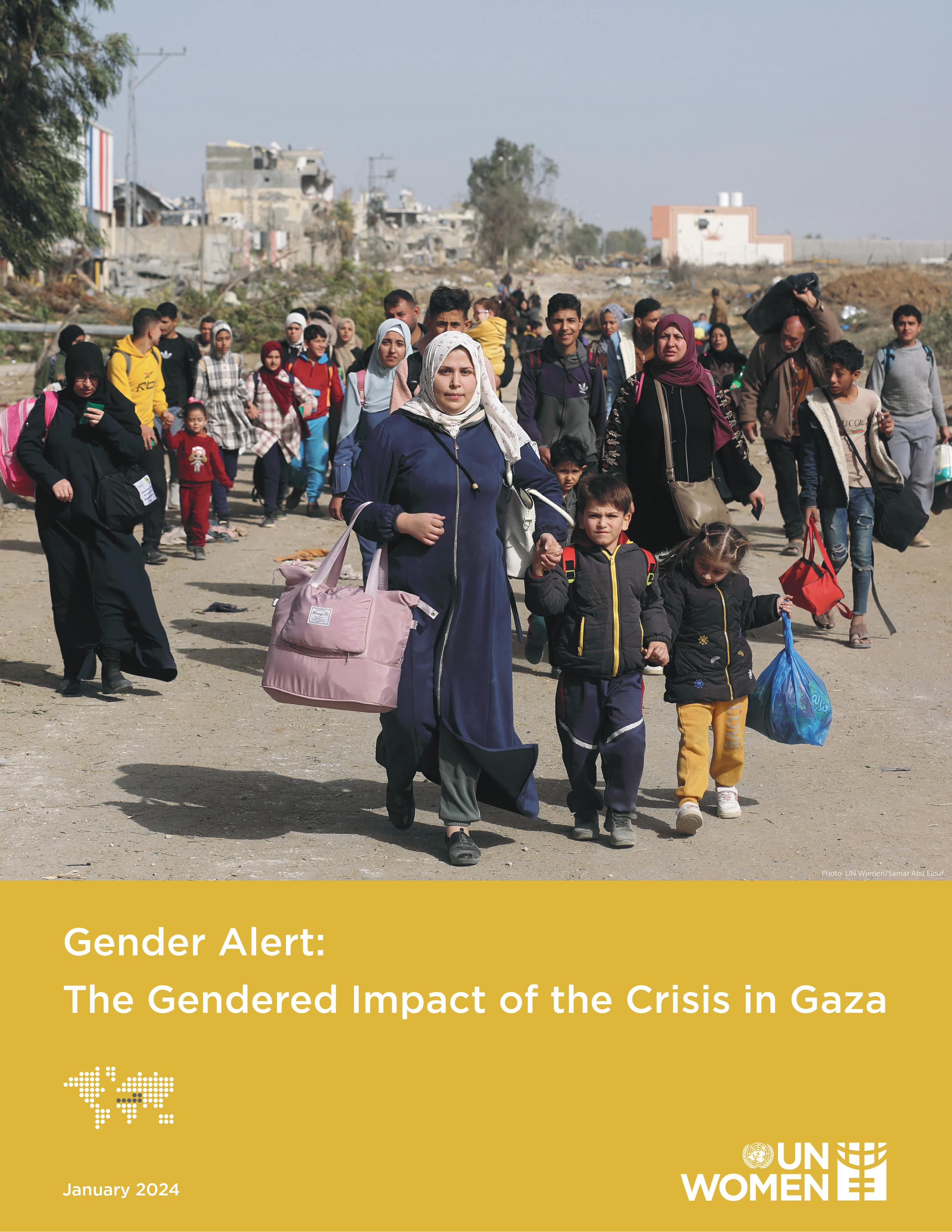
The crisis in Gaza has resulted in over 24,620 Palestinian deaths, with 70% being women or children, and 1.9 million people displaced, including nearly 1 million women and girls. The entire population of Gaza, roughly 2.2 million people, are facing acute food insecurity or worse. UN Women is working on a six-month multisectoral response to address the gendered impact of the crisis.
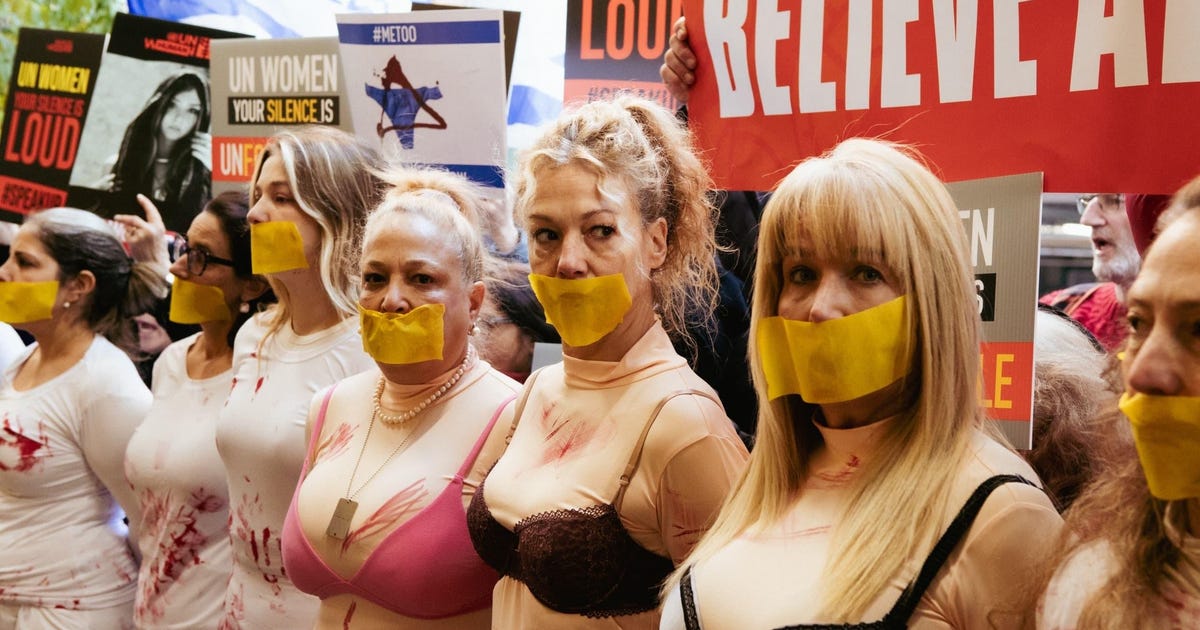
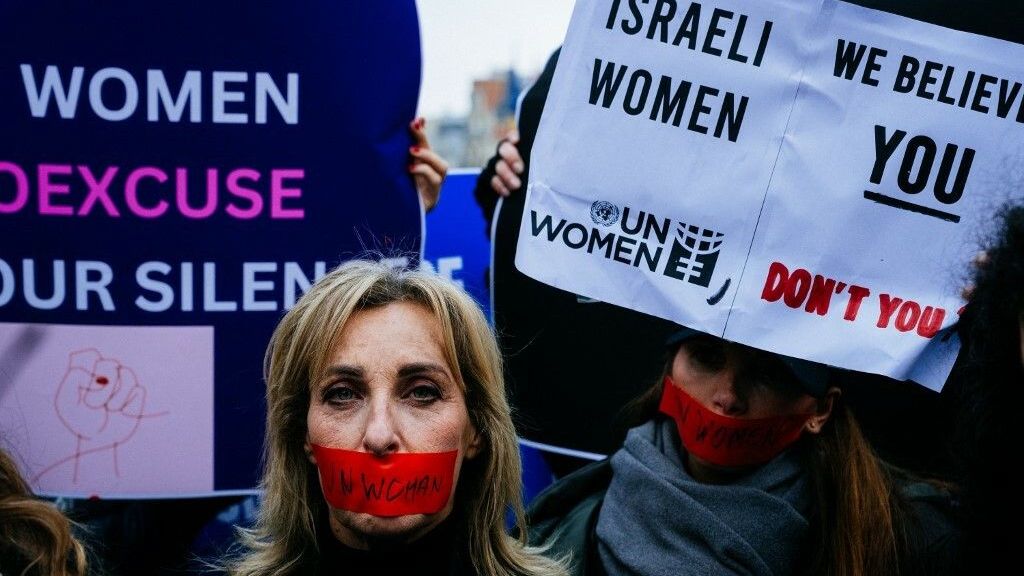
UN Women has finally condemned Hamas' use of sexual violence during the October 7 attack in Israel, after facing criticism for failing to address the gender-based atrocities. The organization had previously focused its public comments on the war's impact on Palestinians, but has now acknowledged the suffering of Israeli women.
UN Women, the United Nations body for gender equality and women's empowerment, has condemned Hamas for the sexual violence and gender-based atrocities committed during the October 7 attack in Israel. The organization called for a thorough investigation and prosecution of these crimes, emphasizing the rights of the victims. UN Women had previously faced criticism for not addressing the issue, but has now expressed its alarm and support for impartial investigations. The agency's silence had led to accusations of a double standard regarding Israel, prompting online campaigns and calls for action.
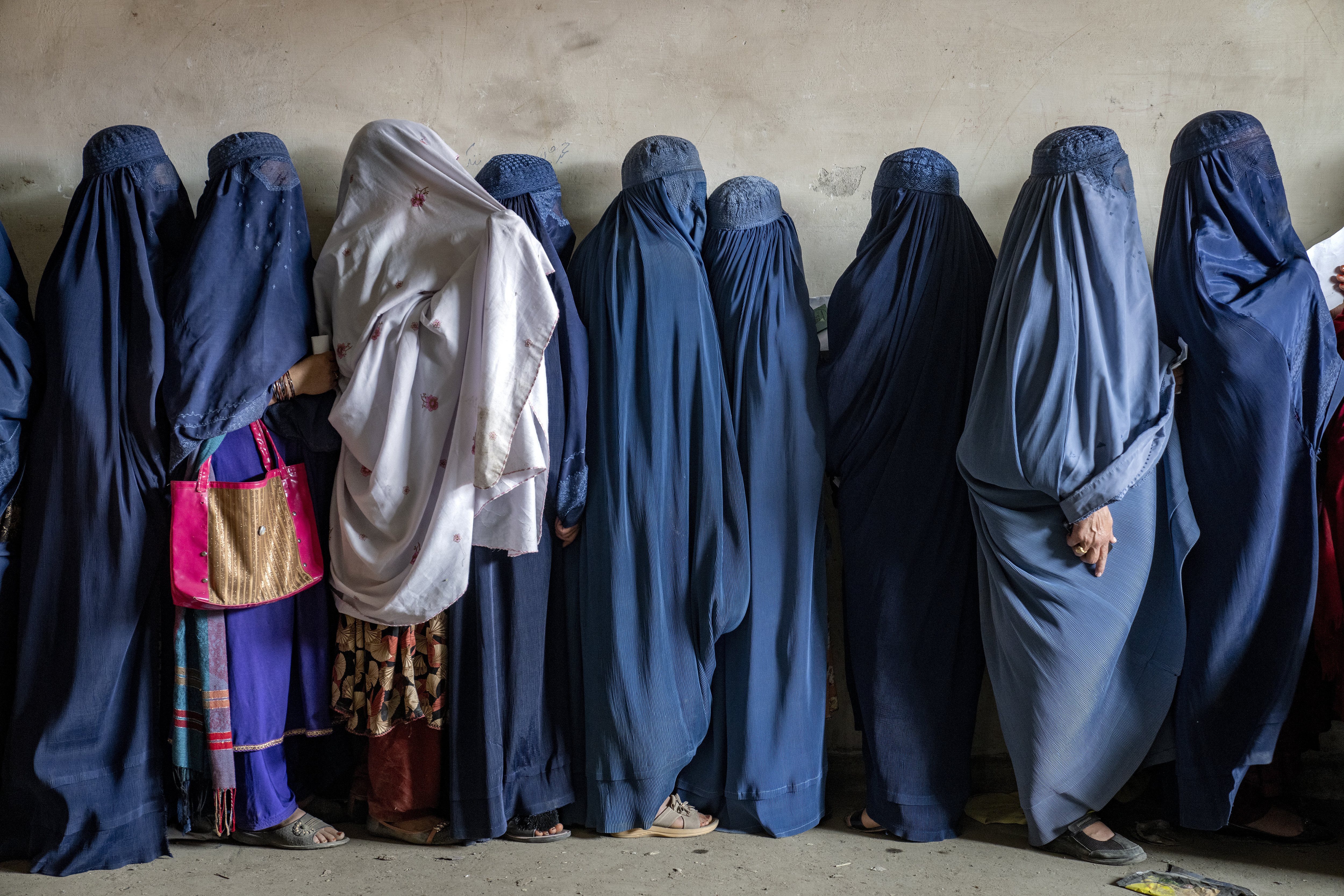
The head of UN Women, Sima Bahous, has called on the United Nations Security Council to support governments in legally declaring the Taliban's crackdown on women and girls in Afghanistan as "gender apartheid." More than 50 Taliban edicts are being enforced with increasing severity, exacerbating mental health issues and suicidal thoughts among women. Bahous urged the council to codify gender apartheid in international law to appropriately respond to the Taliban's assault on women's rights. The Taliban's restrictions on women have led to a rise in child marriage, child labor, and mental health issues. The UN envoy for Afghanistan welcomed the recent visit of Islamic scholars to focus on girls' education and women's rights, emphasizing their importance in Islamic governance. However, the Taliban leader, Mullah Hibatullah Akhundzada, holds the final decision-making power, hindering potential changes in the Taliban's policies. The UN envoy also appealed for support for the $3.2 billion humanitarian appeal for Afghanistan, as many programs have been forced to close, leaving millions of Afghans facing acute food insecurity.